Global Travel Disruptions Highlight the Growing Need for Travel Insurance
Cruise ship illness outbreaks and geopolitical instability highlight the growing need for comprehensive travel, medical, and evacuation coverage.

International medical cover for expats and their families.
Medical and trip cancellation coverage for international travel.
Life insurance for globally mobile individuals living or working abroad.
Comprehensive international medical coverage for groups.
Medical, accident, and liability protection for global travel.
Financial protection for employees worldwide.
Most Popular Country Guides
Healthcare, insurance, and living insights to plan life and travel in each destination.
Healthcare, safety, and practical guidance for living abroad.
Tips and guidance for safer, smarter international travel.
Resources for global mobility, HR, and international teams.
Learn what to expect before visiting Singapore, including local laws, transportation tips, healthcare costs, and travel advice to help you stay safe, prepared, and confident during your trip.
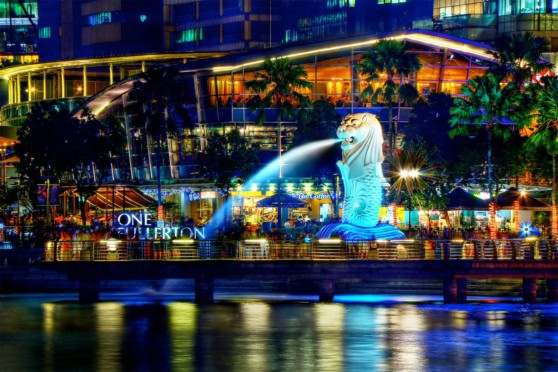
Singapore is one of the destinations that frequently appeals to travelers. A city-state of approximately five million people in Southeast Asia, it is renowned for its exceptional cleanliness, safety, and efficiency. However, culture shock can be especially acute for people from Western nations.
There are many reasons you will want to visit Singapore, whether you are planning a short vacation or intend to stay for retirement. However, the unique culture of this nation means you should be careful about making any assumptions. No matter how well you know Hong Kong, Thailand, Vietnam, or any of the other major players in the area, Singapore is an experience all its own.
What are the most important things you should know? I want to offer you a brief review from the team at International Citizens Insurance. Many of us have traveled to Singapore for business or pleasure. It can be a rewarding experience, but there are things to be aware of!
When traveling to Singapore, you can rest assured that you will be in a very safe environment. Street crime is rare, and the rate of drug addiction is among the lowest in the world. Some of this can be attributed to laws that many Westerners might find draconian, such as mandatory death sentences for a variety of drug offenses. To stay safe, immediately exit any situation where you encounter drugs.
It’s essential to recognize that capital crimes are not the only areas where Singapore authorities can be strict. Tourists are frequently fined and can be jailed for offenses including jaywalking, littering, and, surprisingly, failing to flush the toilet. Traffic laws are more complex, and both locals and newcomers can occasionally find clemency if they make an honest mistake.
If you are fined for an infraction that you couldn’t have known was illegal in Singapore, or if you were given incorrect information about it, you can often get a fine or summons waived the first time. Notify the local police with a polite letter, enclosing all relevant documentation that demonstrates your legal presence in the country and your relatively recent arrival. Just don’t try it twice!
Although you might be a bit nervous after reading the first point, understand that many people from all over the world have settled in Singapore and made it their second home. In any given year, about 40% of the city-state’s population comes from abroad. This includes people from many surrounding countries as well as the Far East, Western Europe, and even the Midwestern United States.
It is easy to set up online contacts with expats in Singapore, and this is something that you should endeavor to do weeks or even a few months before your visit. Doing so will make things much easier for you and help you navigate more successfully. You can even find some dining establishments and other businesses that cater principally to expats.
Singapore’s Mass Rapid Transit trains are among the safest, cleanest, and most efficient in the world. A tourist pass provides you with unlimited MRT use throughout the entire island. When buses or trains become crowded, however, understand that the usual rules of courtesy you may be used to do not apply. There may be pushing, jostling for seats, and other challenging behavior.
There is no universal standard of which side of the street to walk on in Singapore, so your best bet is frequently to walk with the crowd moving in the same general direction as you. Taxis are plentiful and, as you might expect, registered taxis are heavily policed, with taxi scams being rare. Drivers can make themselves understood, but may or may not be familiar with their destination.
Although there are countries in the region where the drinking water is dubious, Singapore is not one of them. Singapore’s water is safe right from the tap at your lodgings or hotel. In several other ways, Singapore makes things very easy for travelers and visitors. For example, most shopping centers can accept U.S. dollars, Australian dollars, and British pounds.
One of the things that travelers consistently remark on when it comes to Singapore is the high degree of accessibility for people with disabilities. Those in wheelchairs or with other mobility restrictions will find that central areas often provide accommodations for their needs. A national disabled people’s association can provide specific advice.
While the fierce weather is not uncommon in some areas of Southeast Asia, Singapore is pretty mild by comparison. For most of the year, the temperature averages between 87 and 91 degrees Fahrenheit. Rainfall is relatively consistent throughout the year, and people from less tropical climates often find the average humidity of 70%-90 % to be excessive.
Typhoon season runs between July and November. Although emergency plans are in place in the event of a direct hit, such occurrences are exceedingly rare. Visitors are advised to dress lightly; Americans can consider the more humid inland areas of Florida for a general idea. There is no malaria in Singapore, although dengue fever — the world’s most common mosquito-borne virus — has been known to be a significant risk from time to time.
The Centers for Disease Control recommends that all travelers be up to date on their “routine” vaccinations before traveling to Singapore. Likewise, most travelers should get Hepatitis A and typhoid vaccinations to be on the safe side. There is always some risk of contaminated food or water, even when the standards for water purity are relatively high.
Travel health plans (for short-term visits of 1 week to 1 year) or international medical insurance (for long-term stays of 1 year or more) can provide significant protection if you need healthcare while in Singapore. Singapore is consistently ranked among the top three countries worldwide in terms of the efficiency of its health system, and it boasts some world-class hospitals. However, using them can be extremely expensive!



Unlike some other countries in the region, there is not a marked division between “expat healthcare” and what the locals use. As a tourist, you will not have access to local healthcare schemes and may need to pay high amounts out-of-pocket. If you are in Singapore on a work visa or as a permanent resident, your upfront costs may be lower.
Singapore is a fantastic country. You shouldn’t pass up the opportunity to visit or explore the possibility of a long-term stay. To be successful, check your assumptions at the door and always adhere to the letter of the law. After you get the hang of it, you might find Singapore is an excellent place for you to stay longer than you might have imagined.
