

International Health Insurance
Gain valuable insights and practical tips for navigating international health insurance while living abroad. From coverage details to expert advice, this comprehensive guide helps travelers…

International medical cover for expats and their families.
Medical and trip cancellation coverage for international travel.
Life insurance for globally mobile individuals living or working abroad.
Comprehensive international medical coverage for groups.
Medical, accident, and liability protection for global travel.
Financial protection for employees worldwide.
Most Popular Country Guides
Healthcare, insurance, and living insights to plan life and travel in each destination.
Healthcare, safety, and practical guidance for living abroad.
Tips and guidance for safer, smarter international travel.
Resources for global mobility, HR, and international teams.
Find the best travel insurance for Saudi Arabia for medical emergencies, trip cancellations, and more, plus safety tips for your trip.
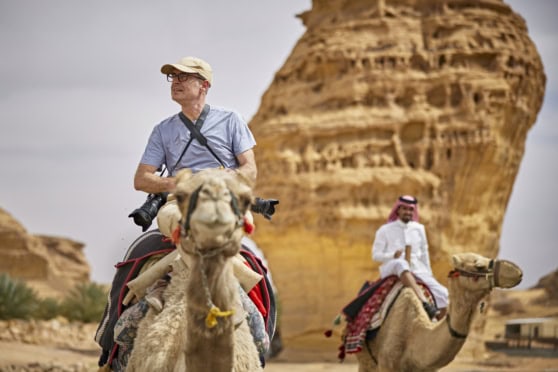
If you plan to travel to Saudi Arabia, there are several essential things to know about the country first. Saudi Arabia boasts low crime rates and an excellent healthcare system. However, foreigners will need to have their own insurance to access medical care, and visitors should plan to adjust their behavior as necessary to comply with local requirements.
Jewish and LGBTQ+ visitors will face particular barriers, as will women. Yet, female visitors today face fewer restrictions than in the past, as Saudi Arabia now allows them to drive and travel independently.
Before departure, please also verify any restrictions, including vaccine or testing requirements. With proper preparation and consideration, visiting Saudi Arabia will be an exciting adventure!

Saudi Arabia is home to 380 government hospitals and 160 private hospitals. City hospitals meet the highest standards, equipped with up-to-date technology and featuring many English-speaking staff members. There are also healthcare centers throughout the country; however, complex cases may need to be transferred to an urban hospital to receive the best care.
If you intend to stay in Saudi Arabia for an extended period, take note of the hospital closest to your workplace or home, so you know where to go in case of an emergency. You can also access medical care in an emergency by calling 997.
If you intend to purchase travel insurance for Saudi Arabia, consider a policy that covers healthcare, or sign up for private international health insurance that will meet any needs while you’re overseas. Without health insurance in Saudi Arabia, you’ll likely be expected to pay via cash or credit card for any medical care you receive.
Expats are required to have private health insurance in Saudi Arabia. Private employers have been legally required to provide insurance for employees and their families since 2014, but freelancers will need to arrange for a healthcare policy on their own.
Saudi nationals receive free healthcare. Those making religious pilgrimages in Saudi Arabia, such as the annual Hajj, also receive free medical care.



If you are taking any prescription or over-the-counter medication, ensure it’s legal to bring it into Saudi Arabia before your trip. There are strict rules about what can be carried into the country, with limitations on medications such as painkillers, some ADHD medicines, and sleeping pills.
If you’ve verified that it’s legal to take your medicine into Saudi Arabia, keep it in its original packaging while you’re traveling. It’s also best to have a copy of your prescription with you. However, your overseas prescription will not be accepted if you need a refill during your visit. You’ll have to see a local healthcare provider who is licensed by the Saudi Commission for Health Specialties to obtain a new prescription.
Before traveling, it’s a good idea to stay up-to-date on vaccinations, such as the MMR vaccine and your annual flu shot. Additional recommended vaccines for travel to Saudi Arabia include tetanus, polio, hepatitis A, hepatitis B, diphtheria, and typhoid. Experts recommend a rabies vaccination if you plan on staying in more rural and remote areas or if you’ll be in close contact with animals.
You may encounter diseases such as trachoma, cholera, dengue, and Middle East Respiratory Syndrome (MERS) during your stay in Saudi Arabia. Camels can transmit MERS, so it is advisable to avoid any contact with these animals to protect yourself. This includes consumption of camel products; don’t drink raw camel milk or eat undercooked camel meat.
You can also increase your chances of staying healthy in general by following common-sense hygiene practices, such as washing your hands frequently.
Sandstorms frequently take place in Saudi Arabia. Such storms can impair breathing and activate allergies. Minimize your risks by staying indoors or wearing a mask during a storm.
It can get extremely hot in Saudi Arabia, with the average high temperature in the summer reaching 100 degrees Fahrenheit or higher. Remember to stay hydrated and try to limit your time outdoors in the heat.
Saudi Arabia has a low crime rate, but that does not mean it is free of crime. When traveling, take the usual precautions: keep your valuables out of sight and remain vigilant about your surroundings. Theft is a common occurrence in crowded areas. If you need to call the police, the emergency number is 999.
In Saudi Arabia, the sentence for crimes such as murder or burglary can be death. The death penalty can also be used in cases of drug trafficking. Rape is another potential capital offense, but in reality, victims of sexual assault in Saudi Arabia risk punishment for reporting their attacks.
Having two passports is not legal in Saudi Arabia. If you’re a dual national, leave one of your passports at home, as it may be confiscated.
Due to ongoing conflict, it’s recommended you avoid travel within 50 miles of Saudi Arabia’s border with Yemen. Terrorist attacks are possible throughout Saudi Arabia. Past attacks have taken place at sites popular among Westerners.
Antisemitic books and news articles exist throughout Saudi Arabia. If you were born in Israel, or if your passport indicates you’ve visited Israel, you can be denied entry to the country.
While traveling to Saudi Arabia, make sure to respect its culture and customs. Actions that would be perfectly acceptable in your home country may be met with disapproval, or even police action, in Saudi Arabia.
Saudi Arabia is the birthplace of Islam and contains two of the religion’s holiest cities: Mecca and Medina. Religious pilgrimages dominate Saudi Arabia’s tourism industry; between 2 and 3 million followers go on Hajj to Mecca every year.
Non-Muslims are not permitted to visit Mecca. Criticism of Islam or Muslim religious figures is strictly forbidden in Saudi Arabia, as is the public practice of a non-Islamic religion or the display of non-Islamic religious items. You risk arrest and/or deportation for engaging in these acts. The country also forbids pornography.
During the holy month of Ramadan, when observant Muslims are fasting during the day, they cannot eat, drink, or smoke in public.
In the past, Saudi restaurants were segregated by sex, with separate entrances and eating sections. Today, public areas have fewer such barriers. Though some restaurants still maintain separate eating areas, there are coffee shops that serve men and women side by side. Wherever you’re visiting, please obtain permission before taking pictures or recording videos.
Women are no longer required to wear an abaya, a flowing garment that covers the entire body, while in public. Covered hair is also not needed, and Saudi women can be seen with uncovered hair in cities.
However, though laws have changed and the religious police have been reined in, female travelers may feel more comfortable with abayas and covered hair in some situations. Consider bringing a scarf to cover your head if necessary. It’s easy to purchase an abaya during your stay if you decide you’d like to wear one.
Whether or not you choose to wear an abaya, conservative clothing is still expected while visiting Saudi Arabia. This means you should cover your knees and shoulders, and no article of clothing should be too tight. Additionally, refrain from wearing anything with images or words that could be considered obscene.
Saudi Arabia has outlawed same-sex relationships. You could face fines, jail time, or death for engaging in a same-sex relationship, or even being seen as supporting such relations. Being trans is also illegal in Saudi Arabia. If authorities learn you are a trans man or trans woman, your safety and freedom could be at risk.
Saudi Arabia remains a popular destination for visitors and expats alike. For expats teaching English, it’s a good idea to investigate your potential employer thoroughly before signing a contract. Once you’re in the country, you’ll have little recourse in the face of issues such as nonpayment of salary.
Anyone planning to work in Saudi Arabia, whether as an English teacher or in another field, should obtain the proper visa before entering the country. Once you’re in Saudi Arabia, remember to respect the laws and culture, and you’re likely to have a successful trip!