International Health Insurance
Gain valuable insights and practical tips for navigating international health insurance while living abroad. From coverage details to expert advice, this comprehensive guide helps travelers…

International medical cover for expats and their families.
Medical and trip cancellation coverage for international travel.
Life insurance for globally mobile individuals living or working abroad.
Comprehensive international medical coverage for groups.
Medical, accident, and liability protection for global travel.
Financial protection for employees worldwide.
Most Popular Country Guides
Healthcare, insurance, and living insights to plan life and travel in each destination.
Healthcare, safety, and practical guidance for living abroad.
Tips and guidance for safer, smarter international travel.
Resources for global mobility, HR, and international teams.
Find the best travel insurance for Portugal for medical emergencies, trip cancellations, and lost luggage, plus top travel safety tips.

With its vast sandy beaches, scenic natural parks, and a sea of wineries, Portugal is a favorite destination for travelers from around the world. To enjoy your trip without unexpected stress, it’s wise to purchase travel insurance in advance to protect yourself against medical emergencies, flight cancellations, and lost luggage.
This article covers everything you need to know about travel insurance for Portugal, including what benefits to look for, how much you can expect to pay, and how to choose the right plan. We’ll also share essential travel tips to help you have a safe and fun adventure.

Travel insurance is not always required for Portugal, but the rules depend on your nationality and visa type.
If you’re from the EU, EEA, or Switzerland, you can access the Portuguese public healthcare system through your European Health Insurance Card (EHIC) or the Global Health Insurance Card (GHIC) if you’re traveling from the UK.
However, these cards only cover necessary medical treatment and do not include costs such as medical repatriation or non-urgent care.

Travelers from countries such as the U.S., Canada, and Australia may visit without insurance if their stay is under 90 days. Still, it is highly advisable to have coverage, as medical care is paid out of pocket, and costs can quickly add up.
Those visiting Portugal on a Schengen visa must purchase mandatory travel medical insurance. Your policy must provide at least €30,000 in coverage, including emergency medical treatment, medical evacuation, and repatriation of remains. It must also be valid for the entire duration of your stay.
Even if travel insurance isn’t mandatory for your situation, having coverage is wise, as unexpected medical costs or travel disruptions can be expensive.
This is especially important if you plan to participate in higher-risk activities such as surfing, mountain biking, or scuba diving, or if you’ve invested a significant amount of money in your trip.

While travel insurance can cover everyday disruptions like flight cancellations, delays, and lost luggage, it also protects against risks specific to Portugal, such as:
Although Portugal’s healthcare system is relatively affordable, visitors without insurance may face high costs for hospital stays and emergency treatment.
For example, depending on complexity, a surgery can cost thousands of euros, and a private hospital stay can easily exceed €300 per night.
Having travel insurance can cover many of these expenses, protecting you from unexpected medical bills and travel disruptions.
Travel insurance for Portugal helps protect against unexpected disruptions and expenses during your trip.
Coverage typically includes medical treatment if you become ill or injured, as well as emergency evacuation or repatriation if local care is inadequate or you need to return home for medical reasons.
Many plans also reimburse non-refundable expenses if your trip is canceled or interrupted for a covered reason and may compensate for lost, stolen, or delayed luggage.
Optional add-ons, such as adventure or extreme sports coverage, can extend protection to higher-risk activities, such as surfing, scuba diving, or hiking.
However, most standard plans exclude pre-existing conditions, elective treatments, routine care, and injuries from high-risk activities unless you add an adventure sports rider.
Claims may also be denied for incidents involving alcohol, drugs, reckless behavior, or illegal acts.
Because coverage varies widely, it’s essential to read the fine print carefully to ensure your plan meets your specific needs. Understanding what it does and does not cover will help you choose the right protection for your trip.
The cost of travel insurance for Portugal depends on several factors, including your age, trip length, and the level of coverage you choose.
On average, premiums range from 4% to 10% of your total trip cost, with most travelers paying between 4% and 8%, or approximately $2 to $5 per day.
Generally, older travelers pay higher premiums due to increased health risks. For example, a 35-year-old might pay $10 to $20 for a seven-day travel health plan for Portugal, while a 65-year-old could expect $40 to $50 for similar coverage.

Adding coverage for high-risk activities or pre-existing medical conditions will also increase your policy’s price. However, this extra protection is often essential to ensure you’re fully covered if these situations apply to you.
Seniors, in particular, face greater health risks while traveling and should always carry adequate health insurance, even if the premiums are higher.
Other factors that affect cost include deductibles (out-of-pocket expenses before coverage begins), co-pays for certain services, the scope of coverage for emergencies and disruptions, and any policy exclusions.

Shop Around! Compare travel plans from different providers to find the best fit for your needs. Review what’s included, and pay close attention to deductibles, limits, and any necessary add-ons. Remember, the “cheapest” plan may not offer the level of protection you need, so choosing one that balances affordability with comprehensive coverage is a better option.
With numerous options available, narrowing down the right travel insurance policy for Portugal can be overwhelming.
So, here are some things to keep in mind when making your choice:
Choosing the best travel insurance for Portugal involves finding a plan that suits your needs and budget, while balancing affordability and comprehensive coverage.

Compare top-rated travel insurance plans for your upcoming trip abroad.
Below are our top recommended travel insurance plans for Portugal.
Each offers essential medical coverage for emergencies, trip protection, and optional add-ons tailored to different traveler needs.
IMG Patriot Platinum is one of the most comprehensive travel medical plans for visitors to Portugal. It offers top-tier medical coverage, global emergency support, and essential travel benefits.
Available to both U.S. and international travelers, this plan provides dependable protection whether you’re visiting for leisure, business, or an extended stay.
It includes coverage for medical emergencies, the acute onset of pre-existing conditions, and unexpected travel disruptions, ideal for those exploring Portugal’s cities, coastlines, and countryside.

BCBS Global Solutions Single Trip Platinum is an excellent travel medical insurance option for U.S. citizens visiting Portugal. Backed by Blue Cross Blue Shield, it provides access to a premium network of doctors and hospitals worldwide, including top private clinics throughout Portugal.
The plan offers full coverage for pre-existing conditions if you have an active U.S. health insurance plan. It also includes 24/7 global support, telemedicine services, and prescription drug coverage, making it an ideal choice for older travelers or anyone seeking high-quality care abroad.

Atlas Travel Insurance is a versatile and cost-effective option for international visitors to Portugal. Available to most nationalities except those from Canada and Australia, it offers solid protection for unexpected medical expenses, emergency evacuation, and travel disruptions.
The Atlas plan also offers optional adventure sports coverage, ideal if you’re planning to surf along the Algarve, hike in the Azores, or explore Lisbon’s urban trails.

With Trawick Safe Travels AnyReason, U.S. citizens and residents can visit Portugal with flexibility and financial protection against unexpected changes to their trip plans.
If you purchase the plan within 7 days of your first trip payment, you’ll get one of the best Cancel for Any Reason (CFAR) benefits included at no extra cost. Trawick will reimburse up to 75% of prepaid, non-refundable trip expenses if you cancel for reasons beyond those covered under standard events.

World Nomads Travel Insurance is a top choice for non-U.S. citizens seeking trip cancellation coverage for Portugal. Policyholders can recover non-refundable expenses, such as flights, accommodations, and prepaid activities.
Beyond trip cancellation, World Nomads covers over 200 adventure activities in Portugal, such as scuba diving, hiking, and rock climbing. It also covers emergency medical expenses, evacuation, repatriation, and protection against loss or theft of belongings.

Traveling to Portugal is exciting, but it’s essential to plan to protect your health and well-being.
From vaccinations to prescriptions and understanding local healthcare, proper preparation can make your trip smooth and worry-free.
Here are some key steps to tick off your to-do list.
Before your trip, it’s a good idea to schedule an appointment with your healthcare provider.
They can offer advice on managing your health while abroad, refill prescriptions, ensure you’re up to date on any necessary vaccinations, and discuss preventive measures for travel-related risks such as traveler’s diarrhea or flu.
Currently, Portugal does not require any vaccinations to enter the country.
However, it is advisable to keep up to date with the following vaccinations:
These vaccinations help protect against common illnesses, especially in crowded tourist areas.
You can bring medications to Portugal for personal use only. Be sure to pack enough to cover your stay or more, as you might not be able to find the same brand or dosage in Portuguese pharmacies.
Ideally, you should keep the medicine in the original package and carry a copy of your prescription or a doctor’s note.
Some medications are restricted in Portugal. For example, Adderall is banned, while drugs like Percocet or Xanax require a Schengen medical certificate.
For controlled substances, consult Portugal’s National Drug Authority (Infarmed) for specific rules.
Medical care is readily available throughout Portugal, although some specializations may be easier to access in major cities such as Lisbon, Porto, and Faro.
The Portuguese healthcare system is divided into public and private facilities, including hospitals, health centers, and private clinics.
While English is widely spoken in the country, private institutions are more likely to have English-speaking staff on call.
EU citizens can use the public healthcare system with a European Health Insurance Card (EHIC). If you don’t have one, you can apply for a Provisional Replacement Certificate (PRC) from your country of residence and present it at the healthcare facility.
However, this does not guarantee free treatment, so it’s worth looking into private travel insurance to ensure you’re covered in all situations.
Your insurance provider can advise you on facilities where you can receive prompt, reliable care.
Before traveling to Portugal, it’s essential to stay informed about any travel warnings or safety alerts issued by your government.
Checking official sources can help you plan a safer trip and respond quickly if circumstances change.
Trusted sources for up-to-date travel advice include:
Knowing who to contact in an emergency is just as important as keeping your passport handy. Having this information ready can help you respond quickly in a medical or safety emergency.
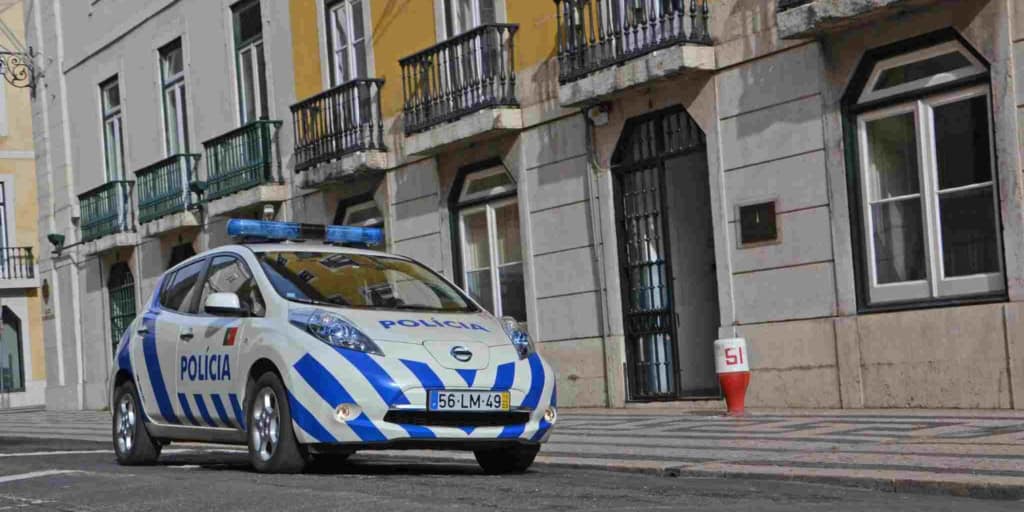
If you encounter an emergency in Portugal, please dial 112.
This number applies to all sectors, including police, medical services, and the fire department. Major cities such as Lisbon, Cascais, and Porto also have dedicated tourism police stations where you can report theft, assault, or other tourism-related incidents.
Many travel insurance providers offer 24/7 hotlines to arrange medical care, provide translation services, or coordinate emergency evacuation if needed.
In addition to local emergency numbers, it’s wise to have the phone numbers for your country’s embassy or consulate. They can assist with lost passports, legal issues, or urgent consular support.
Here are some of the main embassy phone numbers in Portugal:
When planning your trip, you might wonder, “Is Portugal safe?” The short answer is yes.
Portugal consistently ranks among the safest countries in the world, holding 7th place in the 2025 Global Peace Index, reflecting its low crime rates, political stability, and strong social cohesion.
That said, as with anywhere, it’s essential to stay alert and take simple precautions, especially when traveling solo.
With this in mind, here are the top 10 travel tips to keep you safe, along with some helpful tools and resources:
While violent crime in Portugal is relatively low, petty theft is common in tourist-heavy areas, particularly in the capital, Lisbon.
Neighborhoods such as Baixa, Alfama, Bairro Alto, and Cais do Sodré, as well as crowded attractions like Tram 28, are known hotspots for pickpocketing and bag theft.
To stay safe, keep bags zipped and close to your body. Store valuables, such as passports and extra cash, in hotel safes, and avoid displaying expensive items.
Using anti-theft backpacks with lockable zippers or hidden compartments can also help, and resources like Safe Communities Portugal and Numbeo provide up-to-date safety information.
Portugal boasts a vibrant nightlife, ranging from soulful fado in Lisbon to beach clubs in the Algarve, but travelers should remain vigilant.
Drink spiking, petty theft, and occasional assaults can happen in nightlife areas like Bairro Alto, Cais do Sodré, and Albufeira.
Always keep your drink in sight and accept beverages only from trusted sources. Stick to well-lit, busy areas, avoid shortcuts or dark alleys, and travel in groups whenever possible.
Licensed taxis or official ride-hailing apps are safer than walking alone late at night.
If you need help, remember that Portugal’s emergency number is 112, and tourist police are available in major cities to assist visitors.

While Portugal’s urban roads are generally in good condition, rural roads can be narrow, winding, and poorly lit, with potholes, blind curves, and limited shoulder space.
The European Commission’s 2024 road safety report shows that 52% of road fatalities occur on rural roads, despite lower traffic volumes, underscoring the need for extra caution.
GPS apps, such as Google Maps, Waze, or ViaMichelin, can help you avoid unpaved roads and anticipate potential hazards.
For added safety, monitor real-time traffic updates through the Portugal roads app (Estradas de Portugal), and always carry emergency supplies, including a first-aid kit, flashlight, and reflective vest.
Travelers driving electric vehicles should also plan, as chargers are sparse outside major cities, particularly in regions like Alentejo and Trás-os-Montes.
Pedestrians and cyclists face their own risks on Portugal’s roads, especially in urban areas.
About 30% of urban crashes involve pedestrians, and cyclists are also vulnerable to cars, motorbikes, and scooters that can appear suddenly.
To stay safe, always use designated zebra crossings, make eye contact with drivers before crossing, and wear reflective gear if walking or cycling at night.
Stay alert in both busy city streets and rural areas, and avoid distractions like headphones or phones while on the move.
Staying alert is key to enjoying Portugal safely on foot or by bike.
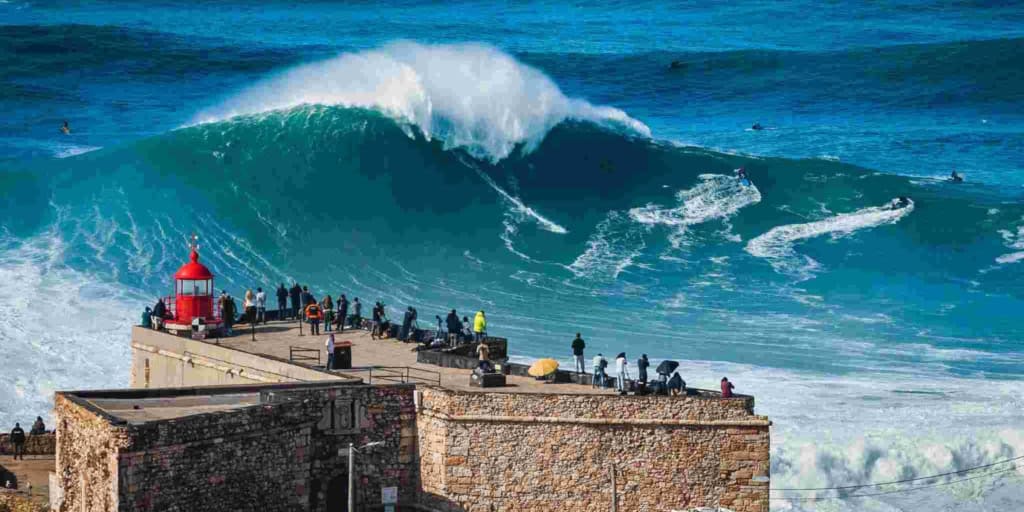
Portugal’s coastline is stunning, but it can also be hazardous. Strong currents, rip tides, and high waves are common at beaches like Nazaré, Peniche, and along the Algarve.
Nazaré, in particular, is famous for waves that can exceed 30 meters (100 ft) in winter, and even summer currents can sweep swimmers out to sea.
Jellyfish are most prevalent in spring and summer; while most are harmless, some can sting, so it’s best to avoid touching them. Rockfalls are also hazardous on cliffside beaches, especially in the Algarve and Costa Vicentina.
To stay safe, always follow lifeguard flags: red means no swimming, yellow means caution, and green means it’s safe.
Since lifeguards are typically on duty only from June to September, be extra cautious when swimming outside these months.
Always swim with a buddy, check conditions via Instituto Português do Mar e da Atmosfera (IPMA), and stay clear of cliff edges to avoid accidents.
The Portuguese are generally relaxed, but respecting local customs will ensure a smooth visit.
Modest dress is usually expected in religious sites, and speaking quietly in churches or historic locations is appreciated. Also, be sure to stay silent during a fado performance. Talking over the music is considered rude, and you’ll be shushed in no time!
Simple gestures, like greeting people with “Bom dia” (good morning), saying “Obrigado/Obrigada” (thank you), and queuing politely, also go a long way.
When dining, wait to be seated, avoid loud phone conversations, and tip around 5–10%.
Observing these small cultural norms not only shows respect but can also help prevent misunderstandings or unwanted attention while traveling.
Portugal enjoys abundant sunshine year-round, but temperatures can vary widely by region.
In the summer, areas like Alentejo and the Douro Valley can reach temperatures of 40ºC (104ºF), making sun protection essential.
Even on cloudy or windy days, UV exposure can still cause sunburn, so be sure to apply sunscreen, wear a hat and sunglasses, and drink plenty of water.
Avoid prolonged sun exposure between 11 a.m. and 4 p.m., and take breaks in the shade when possible. Lightweight, breathable clothing that covers shoulders and arms adds extra protection.
Those engaging in outdoor sports or hiking should take additional precautions to avoid heatstroke and dehydration.
Children, seniors, and individuals with medical conditions should exercise caution.
Checking the daily UV index on the IPMA website can help you plan outdoor activities safely.
Wildfires are a seasonal hazard in Portugal, particularly during the hot, dry summer months.
In 2024, over 135,000 hectares were burned, making it the fourth-worst fire season in the past decade.
The most severe fires occurred between August 14 and 17, when 96,200 hectares (56% of the year’s total) were scorched.
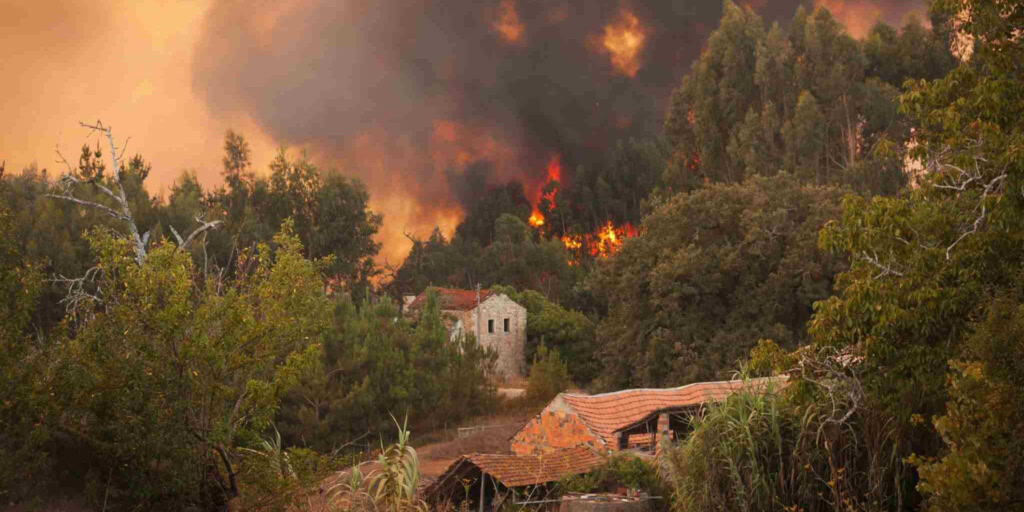
Contributing factors include heatwaves, neglected rural lands, and low rainfall. Visitors can easily be caught off guard if they are not monitoring local news.
The IPMA provides reports on areas at risk of wildfires and fogos.PT offers a real-time map of active fires, highlighted in red.
Always follow official alerts, adhere to evacuation orders if issued, and avoid lighting fires or barbecues in restricted zones, as conditions can change rapidly.
Portugal lies in a seismically active region, with most earthquakes concentrated around the Azores.
While major earthquakes are rare on the mainland, mild tremors can occur, and the country has experienced significant seismic events in the past.
In 2024, the Azores experienced 1,459 earthquakes, including a notable M5.2 quake on August 2.
Coastal areas are particularly vulnerable to tsunamis, which can be triggered by underwater earthquakes.
The southwestern coast, including the Algarve region, is at risk of a tsunami-generating earthquake with a magnitude exceeding 8.
Travelers should familiarize themselves with local emergency procedures and stay informed through official alerts, such as those issued by IPMA.
Following guidance from authorities helps you respond quickly in the event of an emergency, minimizing risk while visiting.

Understanding and following local laws is essential for a safe visit to Portugal.
The country decriminalized all illegal drugs in 2000 to reduce addiction rates and drug-related violence. However, the government still has strict rules regarding drug possession.
For example, marijuana is decriminalized but not legal, and possession of small amounts (under 5 g) can result in fines, while trafficking or selling can lead to imprisonment.
Travelers should also be aware of other local laws and customs. The legal drinking age is 18, and while public drinking is generally tolerated, restrictions may apply in certain areas or during events.
Smoking is prohibited in enclosed public spaces, on public transportation, and in certain outdoor areas, including playgrounds and stadiums.
Traffic laws are strictly enforced, so always wear your seatbelt, avoid using your mobile phone while driving, and follow speed limits. Jaywalking is also discouraged.
It’s important to respect privacy and public spaces. Avoid taking photos of people, especially in private or sensitive locations, and refrain from littering, vandalism, or damage to cultural or natural sites.
Before traveling, check government travel advisories and familiarize yourself with local laws. Once in Portugal, stay up to date with local news to avoid fines, legal issues, or unsafe situations.
Following these rules helps ensure a safe, trouble-free visit.
The Portuguese are a welcoming nation, proud of their historic heritage, golden sandy beaches, and hearty cuisine.
Portugal is among the most visited countries in Western Europe and one of the safest in the world, which is good news for travelers.
Whether you’re tucking into a flaky custard tart in Lisbon, sipping Port in the Douro Valley, or hiking the lush trails of Madeira Island, there is plenty to tick off your Portugal bucket list.
By familiarizing yourself with local conditions, taking sensible safety precautions, and, of course, securing the right travel insurance, you can minimize risks and fully enjoy everything this sunny country has to offer.
Compare our travel plans today to find coverage that fits your needs and budget, and start exploring Portugal worry-free.