
Moving to the Netherlands

Key Takeaways
- Check immigration requirements before moving. Your nationality, reason for relocating, and length of stay determine which visas and residence permits you may need.
- Arrange appropriate health insurance. Most people living or working in the Netherlands must obtain Dutch basic coverage; supplemental insurance can cover additional benefits.
- Start your housing search early. Housing shortages can make rentals competitive, so compare locations, budget carefully, and check which utilities your rent includes.
- Prepare for daily life. Register with your municipality, obtain a citizen service number (BSN), and learn about Dutch workplace culture and language.
An Expat Guide to the Land of Tulips and Windmills
Given its high standard of living, quality healthcare system, and top-notch public infrastructure, it’s easy to understand why so many foreigners dream of moving to the Netherlands. The country’s innovative technology industry has also created one of the strongest job markets in Europe.
Of course, there are a few things you should learn about the “land of tulips and windmills” before you pack your bags. But the good news is, we’ve done the research for you. So let’s dive into everything you need to know about the Netherlands’ economy, immigration process, culture, and more.
Get Covered Before You Move to the Netherlands
Before you relocate, make sure you have the right health coverage in place. Compare top health plans and get expert guidance tailored to your move.
Legal Requirements for Moving to the Netherlands
Because the Netherlands is a member nation of the European Union, it’s easy for EU citizens to visit, live, and work there. All they need is a valid passport, and they do not require a residence permit.
However, immigrants who are not EU citizens and plan to stay in the Netherlands for more than 90 days must have a valid reason to remain.
This might include working or joining a family member. They will also need to apply for an entry visa and a residence permit.
Health Insurance Requirements for the Netherlands
The healthcare system in the Netherlands is universal, government-managed, and delivered through a network of private insurers.
As a result, all individuals who live or work in the country are legally required to take out a basic health insurance plan with a government-regulated provider.
These basic plans are standardized and must cover essential medical services, including GP visits, emergency hospital care, and other core treatments.
While this ensures comprehensive baseline coverage, many expats choose to supplement their plan with additional private health insurance in the Netherlands.
This can provide additional benefits, such as dental care, vision support, and hearing aid treatments, that are not fully covered under the basic package.
Foreigners moving to the Netherlands must generally obtain basic health insurance within 4 months of arrival, or face fines.
EU citizens may initially use their European Health Insurance Card (EHIC) for temporary coverage, but must switch to Dutch health insurance once they become residents.
Non-EU citizens must typically provide proof of valid health insurance upon arrival and enroll in the Dutch system once eligible for residency.
As premiums vary by provider and level of coverage, it is important to carefully compare plans to find one that suits both needs and budget.
Health Coverage for Your Time in the Netherlands
Whether you’re moving temporarily or long-term, make sure you’re protected. We’ll match you with plans based on your visa status, duration, and healthcare needs.
Requirements for Different Types of Dutch Visas
Immigrants arriving from non-EU countries must apply for a Dutch visa. It is important to be aware that your eligibility for certain visas depends on your nationality, finances, and other personal and situational factors.
Therefore, you will need to check this well in advance of planning your relocation.
Dutch Work Visas
If you have received a job offer from an employer in the Netherlands, they will sponsor your work visa. They will also apply for a residence permit on your behalf.
However, if you have not yet found a job, your ability to get a work visa will depend on the following:
- How long you plan to stay in the country
- The type of worker you are (seasonal laborer, digital nomad, etc.)
- Your job industry
- Your nationality
- Whether you’re coming to the Netherlands alone or with others, such as a spouse or children
You can use this simple Netherlands work visa form to determine which documents you will need before you apply.
Dutch Family and Marriage Visas
Do you have a spouse or child under 25 living in the Netherlands? If so, you may be eligible for a family visa.
This is also known as a Dutch residence permit for family reunification. The process is often faster if you have a Dutch spouse who can sponsor you.
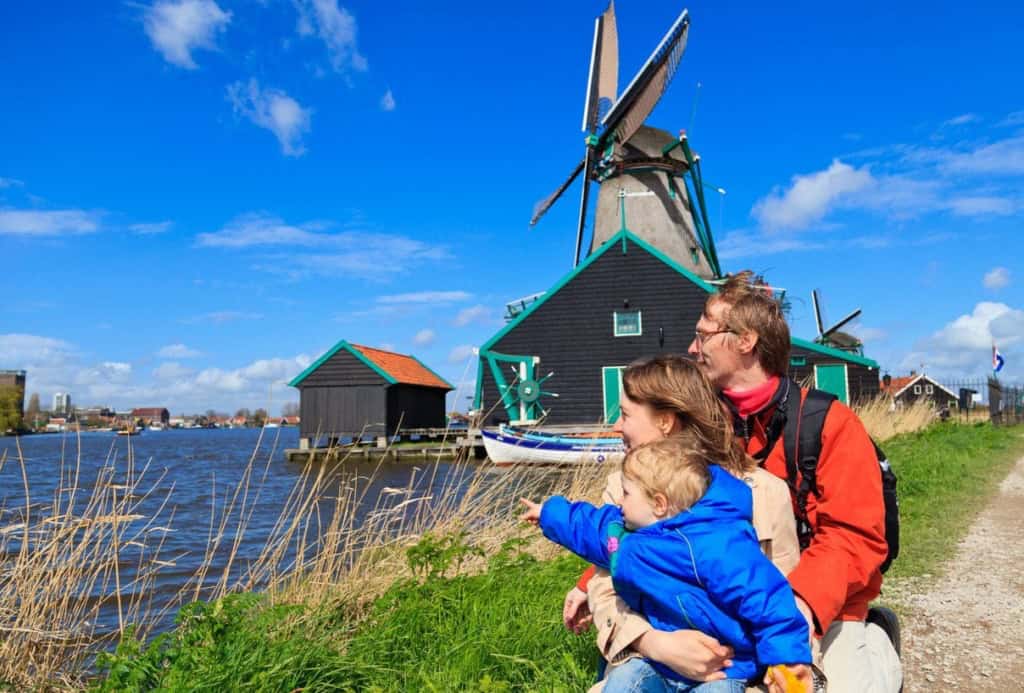
Notably, EU citizens can stay in the Netherlands with their families without applying for a visa or a residence permit.
Dutch Study Visas
Non-EU citizens accepted into an educational institution in the Netherlands will need a student visa. The school or university will apply for this on their behalf.
Student visas are available for short-stay, long-stay, and secondary or vocational durations.
The process to get one may be easier if you have a family member who already resides in the Netherlands and if you’re already able to speak or read Dutch.
Dutch Retirement Visas
As of June 2024, the Netherlands doesn’t offer a dedicated retirement visa for immigrants.
However, foreign retirees considering moving to the Netherlands can still apply for a residence permit through the Immigration and Naturalization Service (IND) upon entering the country.
A Dutch residence permit allows you to stay in the country for five years.
Becoming a Permanent Resident of the Netherlands
Immigrants must live in the Netherlands on a valid permit for five consecutive years before they can apply for permanent residency. You must also be 13 years or older when you apply.
Provided you have a stable income, are registered in the Personal Records Database (BRP) at your local town hall, and pass the country’s civic integration exam, your request for permanent residency should be approved.
Becoming a Dutch Citizen
The most common way to become a Dutch citizen is to apply for nationality through naturalization.
This option is best for people who are 18 or older, have lived in the Netherlands for at least five consecutive years on a residence permit, and can pass the naturalization test.
If you have not committed a crime in the past five years and you can pass the Dutch Civic Integration Exam to prove you can read, write, speak, and understand Dutch, you may become a citizen.
Another path to Dutch citizenship is to use the country’s option procedure. To qualify, you must be 18 or older and have lived in the Netherlands with a valid residence permit for at least 4 years.
Safety in the Netherlands
Expats considering moving to the Netherlands will be happy to learn that it ranks 16th among the world’s most peaceful countries.
The GPI considers factors such as crime, political stability, and citizen happiness to rate how peaceful and safe a country is compared to others.
Although crime has risen slightly over the last five years, it remains low overall, even in big cities. Hate crimes, car thefts, and corruption are quite rare. Violent crimes, such as assault and armed robbery, are also rare in the Netherlands.
To get a clearer picture, let’s take a look at Numbeo’s Crime Index and Safety Index data for the Netherlands. A low Crime Index (below 40) indicates a low crime rate.
On average, the Crime Index for the country’s biggest cities (Amsterdam, Rotterdam, Eindhoven, Groningen, and The Hague) is 24.1, which is impressively low.
On the other hand, a high Safety Index (above 60) indicates that residents perceive the country or city as very safe.
The Netherlands has a countrywide Safety Index of 72.7, which is very low, especially when compared to the United States (51.0).
Where to Live in the Netherlands
The Netherlands is divided into two geographic areas: the Randstad (a major metropolitan center) and the rest of the country.
The Randstad comprises the country’s four largest cities: Amsterdam, Rotterdam, The Hague, and Utrecht.
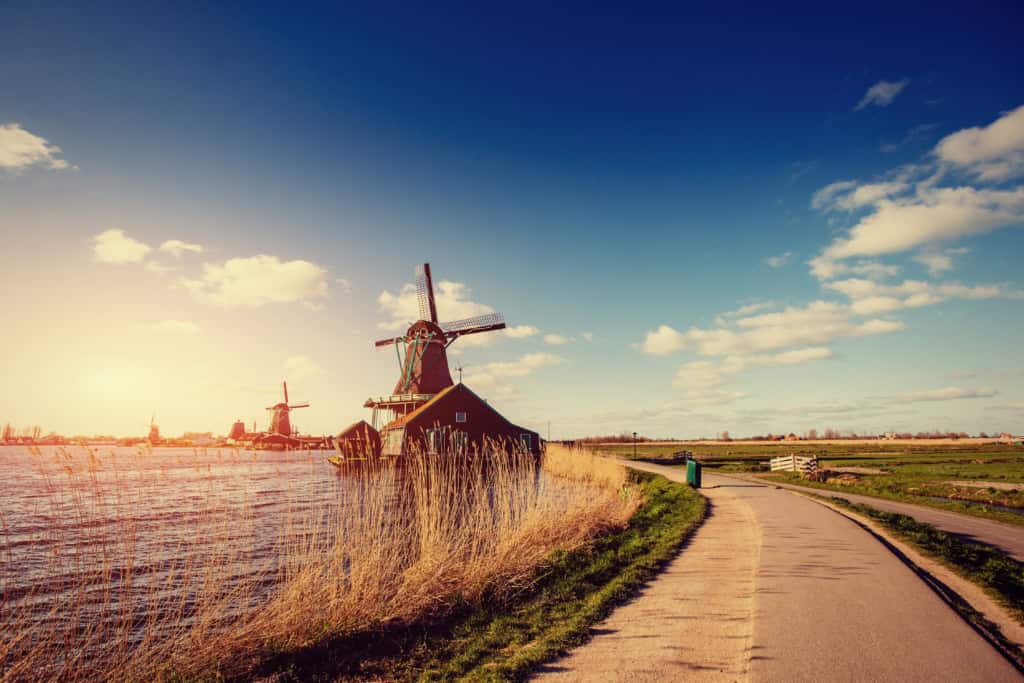
Many expats moving to the Netherlands prefer living in the Randstad for its central location, strong economy, and better job opportunities for foreigners.
To help you find the perfect place to live, we’ve narrowed down a list of the best places for expats in the Netherlands.
The Best Places to Live in the Netherlands
If you want to live in a safe place with a promising job market and plenty to see and do, the following cities won’t disappoint.
We’ve ranked the best places to live in the country based on their local economy, housing market, healthcare system, recreation and entertainment options, weather and air quality, walkability, access to nature, and more.
The Hague
A popular cosmopolitan hub where English is a dominant language, The Hague is beloved by professionals and young families alike.
This walkable city’s robust local economy has been attracting multinational corporations and investors for decades.
Green spaces, museums, and options for fine dining and entertainment abound. Meanwhile, the city’s affordable, upscale neighborhoods provide plenty of housing opportunities.
What’s more, you’re only a short drive from the beach and breathtaking scenic attractions.
Groningen
This small, easygoing city in the north is a favorite among the Dutch. Groningen is ideal for expats who want a small-town experience while living in a city center.
Here, you can take advantage of convenient bike and pedestrian lanes to get anywhere you need to go.
Low crime and child-friendly parks have earned the city a reputation for being a safe, attractive destination for families.
And while rainy weather is a common, if minor, complaint, most expats say the friendly locals and relaxed lifestyle more than make up for it.
Maastricht
Maastricht is a vibrant cultural hub, hosting several major international festivals and events each year.
A diverse population, top-tier entertainment options, and impressive 17th-century architecture make it a prime choice for creatives, students, and young professionals who want to live in style.
Like Groningen, it’s a smaller city. Yet Maastricht’s amenities are just as excellent as what you’ll find in bigger metro centers.
It’s also safe, walkable, and offers a lower cost of living than popular Dutch cities such as Amsterdam and Haarlem. This makes it a top contender for those moving to the Netherlands on a more modest budget.
Haarlem
Haarlem is the capital of the country’s North Holland province and has the highest cost of living in the country.
Yet its charming, village-style city planning and colorful markets, cafes, museums, and green spaces make it worth it.
Families love Haarlem because of its low crime and pollution rates. There are also several car-free neighborhoods and town squares, which is great news for those who prefer to travel by bicycle or on foot.
Another benefit of living in the Netherlands’ most expensive city is that you’re less than 40 minutes from Amsterdam. This is thanks to excellent public transit and highways.
The Safest Places to Live in the Netherlands
These Dutch cities are beloved by expats and are also known for their safety. All three places share a Safety Index above 70 and a Crime Index below 30.
This indicates a very low rate of violent crime, property crime, and other safety threats.
Amsterdam
Amsterdam is the capital of the Netherlands and the “Bicycle Capital of the World.” Its cannabis culture, friendliness toward the LGBT community, and red-light district have turned it into an icon of progressive cities.
Digital nomads who work in business, finance, and IT will be pleased by the job opportunities here. Much to the delight of students, families, and retirees, the standard of living is high, and green spaces can be found around every corner.
The only downside of this safe, forward-thinking city is that its housing market is pricier than what you’ll find in the rest of the country.
Rotterdam
Rotterdam is one of the world’s gold standards for fast, excellent public transport. Its famous riverwalk and lush green spaces make it a pleasure to explore on foot.
If you want to live without a car and feel safe walking around at night, then this is the ideal location.
Rotterdam is also known for its hip art scene, stellar fine dining, low unemployment rate, and swiftly growing job opportunities.
And while the cost of living is higher than what you’ll find in Groningen or The Hague, it’s still cheaper than Amsterdam, Haarlem, or Maastricht.
Eindhoven
Eindhoven’s bustling tech center has transformed the city into the “Silicon Valley of Europe”. As a major Dutch city, it has some of the lowest rates of violent crime, hate crime, and property theft in the country.
For those who prefer arts and culture to tech, the trendy Strijp-S neighborhood is the place to be for nightlife, dining, and entertainment.
While it’s true that there are fewer green spaces here than in other Dutch cities, you’ll still find yourself surrounded by nature as soon as you step beyond the city limits.
Cost of Living in the Netherlands
While the cost of living in the Netherlands is certainly not the lowest in the world, it is still notably lower than in the United States.
Here’s a snapshot of the average monthly cost of living for one person in the Netherlands. To help you compare, we’ve included cost-of-living data for the U.S. as a benchmark. All data is from Numbeo and is up to date as of June 2024.
On average, the cost of living is 11% lower than in the U.S. Rent is 19.5% cheaper in the Netherlands than in the States, ranging from as low as $1,300 for a one-bedroom apartment outside a city center to as much as $2,500 for a three-bedroom apartment in the center.
In addition to rent, the average single person in the Netherlands can expect to pay about $1,040 for other expenses.
This includes electricity, heating/air, water, internet, mobile phone service, and transportation. This is slightly lower than the U.S. average of $1,200.

Banking and Finance in the Netherlands
The Netherlands uses the euro as its official currency.
Foreigners who want to open a bank account in the country will need an ID, a Dutch residence permit (if applicable), proof of address, and a BSN.
The Netherlands uses worldwide income to determine its residents’ tax liability. Personal income tax returns are divided into three tax schedules: employment income, substantial interest income, and savings and investment income.
Finding a Place to Live
In recent years, rising immigration has led to a housing shortage in several Dutch cities and towns.
Rental prices have also increased, but the country is working to build more housing to accommodate the rise in population.
Most Dutch leases include basic utilities and amenities, but the specific offerings can vary.
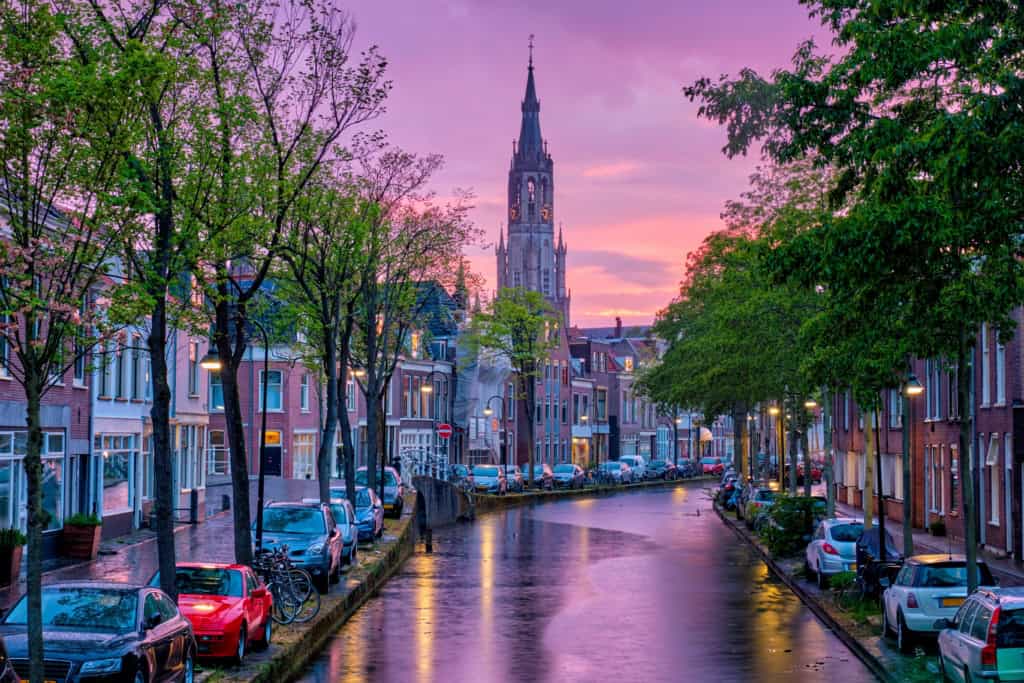
Some include energy (gas and electricity), phone service, WiFi, water, and garbage in the total rent price.
You may be asked to put some or all of the utilities in your name and to pay a security deposit. Landlords often require a guarantee that you can pay rent, such as a copy of your employment contract, bank statements, and/or credit rating.
You will also need to provide your citizen service number (what the Dutch call a “BSN”) and register with the local municipality once you’re in your new home.
Dutch Job Market
EU citizens have a unique advantage: they don’t need a work permit to work in the Netherlands.
For expats who don’t have EU citizenship, however, it’s best to find a job before you arrive. Your Dutch employer will sponsor your work visa.
Notably, it is possible to obtain a work visa without employer sponsorship, but the process may take longer.
Foreigners with a student visa are also allowed to work. However, they are limited to no more than 16 work hours per week.
As you prepare to join the Dutch workforce, keep in mind that the country’s business culture is progressive. Direct and honest communication is highly valued.
Business Friendly and Rich With Opportunity
All in all, the Netherlands is a land of plenty and a top choice for expats.
It’s also an ideal destination for those looking to move to the Netherlands to start a business, as there are incentives for foreign entrepreneurs, especially Americans.
For instance, the Dutch-American Friendship Treaty (DAFT) allows American entrepreneurs to establish residency in the Netherlands to start a business. Americans only need $5,000 of investment capital to do so.
By contrast, non-U.S. immigrants must invest at least $30,000 to start a business in the country.
American business investors are also exempt from the country’s requirement that the business be of interest to the Dutch economy.
Dutch Education System
The quality of education in the Netherlands is exceptional. Americans may notice that Dutch universities, like most universities in Europe, are more intensive and less social than those in the U.S.
Top universities in the Netherlands include the University of Amsterdam, Leiden University, University of Groningen, Delft University of Technology, and Erasmus University Rotterdam.
EU citizens pay the same “statutory” tuition fees as citizens, while non-EU international students pay higher “institutional” tuition fees.
For expats with children, the Netherlands has a public education system and more than 50 international schools.
School is compulsory for children aged 5 to 16. Those aged 16 to 18 must attend school for at least 2 days a week.

Culture and Language
English-speaking expats have a major incentive to move to the Netherlands, as almost 95% of the population speaks English.
Although Dutch is the official language, locals typically don’t have a problem communicating in English. It’s also not uncommon to meet people who speak German or French, since the Netherlands borders Germany and Belgium.
Some expats report that you don’t need to learn Dutch if you already speak English. However, if you do want to learn Dutch, some cities, such as Amsterdam, offer free courses for immigrants living there.
Knowledge of Dutch is also required if you’re planning to move to the Netherlands and apply for permanent residency or citizenship.
The Dutch tend to be formal and reserved when interacting with people they don’t know. They are generally quite private and don’t answer personal questions. Overall, they value equality and are tolerant of individual differences.
Other Dutch values include discipline, self-control, thriftiness, attention to detail, and cleanliness.
Move to the Netherlands with Confidence
Before you go, secure the right health coverage. Compare top international insurance plans designed for expats living in the Netherlands.