International Health Insurance
Gain valuable insights and practical tips for navigating international health insurance while living abroad. From coverage details to expert advice, this comprehensive guide helps travelers…

International medical cover for expats and their families.
Medical and trip cancellation coverage for international travel.
Life insurance for globally mobile individuals living or working abroad.
Comprehensive international medical coverage for groups.
Medical, accident, and liability protection for global travel.
Financial protection for employees worldwide.
Most Popular Country Guides
Healthcare, insurance, and living insights to plan life and travel in each destination.
Healthcare, safety, and practical guidance for living abroad.
Tips and guidance for safer, smarter international travel.
Resources for global mobility, HR, and international teams.
Explore healthcare in the Netherlands, including public and private care, insurance options for expats, and how to access quality care.
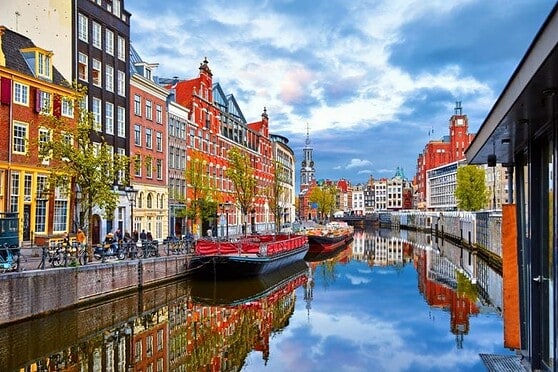
The Netherlands has one of the best healthcare systems in the world, according to the Legatum Institute, a London-based think tank. In its 2023 review of global health systems, the Netherlands ranked No. 11. The 2023 edition of CEOWORLD Magazine’s Health Care Index ranked it as the 7th best healthcare system in the world.
The Commonwealth Fund’s 2021 report, Mirror, Mirror 2021: Reflecting Poorly, compared healthcare in the United States with that of other high-income countries. Out of the 11 countries in the study, the Netherlands ranked second in healthcare that year. The country’s healthcare system also performed well in previous years, ranking No. 5 in the 2014 report and 3rd in 2017.
This means that expats moving to the Netherlands don’t need to worry about the quality of healthcare anywhere in the country. Doctors and hospitals all provide care that meets high international standards.
Yet knowing how to use this great system is also essential! Learning how Dutch healthcare works can help you access care when you need it.

The Dutch government is responsible for the country’s healthcare system, which has undergone several improvements since its inception.
Today’s system has three philosophical objectives:
The Dutch government sets healthcare priorities. It also monitors the system’s access, quality, and costs. When needed, the government introduces legislative changes. The Ministry of Health, Welfare, and Sport (VWS) oversees public health in the Netherlands.
The VWS receives support from different healthcare institutions. Some operate within the VWS, while others advise the ministry and the government. These include:
Like any healthcare system, the Netherlands’ system is not a perfect fit for everyone. Yet the country aims to serve as many people as possible while still meeting budgetary goals.
Anyone living and working in the Netherlands is required to purchase basic health insurance (“basisverzekering”) from private insurers. Adults choose their policy as individuals; there is no family coverage.
Their parents’ insurance covers children under the age of 18. Healthcare allowances help cover the cost of mandatory insurance for individuals who are unable to afford it.
One pro of the Netherlands’ healthcare system is access to care. People can always visit a primary care doctor and get prescription medication. This is possible because everyone in the country has standard health insurance.
Other pros of the system include:
Compared to other European nations, the Netherlands spends more on healthcare. This is true both as a percentage of its GDP and in euros per capita.
The country’s total expenditure exceeded $136 billion (approximately 125 billion euros) in 2021. The demand for healthcare is projected to continue rising in the coming decades, which poses a challenge to delivering quality healthcare.
While there are many pros to the Netherlands’ healthcare system, it can be difficult to use. It can be especially hard for expats or foreigners living in the Netherlands. Some cons include:
There is also an informational barrier that may come as a surprise to many foreigners. The Netherlands has no national system for sharing electronic patient records. This makes it difficult for different providers to access patient information.
While the Dutch healthcare system makes sure that almost every Dutch resident has access to insurance and affordable medical care, Dutch expats’ coverage may lapse when they move out of the country. When this happens, Dutch expats require international private medical insurance.
The Netherlands does not have a single-payer healthcare system. Yet around 99.9% of the population has health coverage.
The country’s universal healthcare system comprises compulsory basic private insurance, which the government regulates. Basic insurance is mainly funded through payroll taxes and insurance premiums.
The country began its national health insurance program in 1941. The system followed the German Bismarck model, which combines public and private health insurers.
Under this, employers and employees paid into “sickness funds” to cover health insurance. Anyone earning above a certain amount was required to purchase private health insurance instead. Costs became an issue.
In 2006, the Health Insurance Act (“Zorgverzekeringswet” or ZVW) merged the traditional public and private insurance markets into a single universal social health insurance program, mandating coverage through private insurance. In addition to a basic insurance package, people can opt for supplementary coverage.
The WLZ (“Wet langdurige Zorg”) system covers long-term care for people with dementia and other mental and physical impairments. Under this system, the government assesses your situation in order to determine the necessary care.
Dutch residents pay for this through a monetary contribution from taxable income. Enrollment in this insurance plan is automatic for people living and working in the Netherlands.
Dutch citizens and permanent residents have to obtain basic healthcare coverage. If an immigrant is eligible for coverage but does not enroll, they will be subject to a fine.
It’s illegal for insurance providers to deny anyone basic coverage. Every basic insurance policy covers the same benefits.
These benefits are limited and do not include services such as adult dental care. People have the right to change their insurance provider each year.
Although the system is highly functional, registration can still be somewhat complex. Follow the three steps below to make sure you’re covered.
There are exceptions to the rule that those eligible for healthcare in the Netherlands must pay a fine if they do not enroll in a basic plan.
If a person belongs to a religious group that prohibits them from enrolling in health insurance, they can establish a private savings account to cover medical expenses.
The Ministry of Defense provides healthcare for soldiers and other members of the Netherlands’ armed forces.
Whether the Dutch system covers you or not, you may still encounter situations where you need care for urgent illnesses or injuries.
You’ll receive high-quality care in urgent situations. But if you don’t have insurance, you will be expected to pay for any medical care you receive.
The mandatory benefits package covers the following services:
In 2023, the average basic premium for health insurance was approximately $148 (€ 135) per month. Premiums may vary slightly depending on the insurance you choose.
Individuals are responsible for paying their monthly premiums to their selected insurance company.
Another healthcare cost in the Netherlands is the deductible excess. This is the maximum amount that the policyholder pays before health insurance kicks in.
The standard deductible in 2024 is $420 (385 euros) per year. The deductible does not apply to visits or consultations by your general practitioner.
Individuals should expect to cover the cost of the following:
Some healthcare plans only cover healthcare providers that have contracts with the insurer. When those consumers seek medical services outside their plans’ contracted providers, they may have to pay a copayment.
For example, imagine you want to visit a specialist in Amsterdam who is not on your particular insurance plan.
You will have to pay a greater part of their fee than you would have if you had visited a doctor who was on the approved list of your healthcare insurer.
Additional private healthcare insurance (“aanvullende verzekering”) is also available in the Netherlands. The majority of the population (84%) purchases supplemental private coverage in addition to the basic insurance.
The primary reason for taking out private insurance is to cover treatments, including physiotherapy, psychiatric care, and adult dental care.
This can offer you peace of mind knowing that you won’t have to pay the full price for treatments or surgeries covered in your supplemental plan.
For expats, another ideal option is international health insurance, which will cover you in the Netherlands, your home country, or whatever country you choose to travel to.

As a foreigner, if you don’t have health insurance in the Netherlands, you will have to pay for any treatment and medical costs you incur. If you are eligible to sign up for Dutch health insurance but do not do so, you will also be required to pay a fine.
You should learn about the different options available for health insurance in the Netherlands. Your options and requirements will change based on whether you are there on a short vacation, a student, a digital nomad, or have a job at a Dutch company.
One great possibility for expats is to combine Dutch basic coverage with an International Health Insurance plan. Doing this will cover you in the Netherlands and worldwide. Private global medical health insurance also offers additional benefits.