
Retiring in Mexico

Key Takeaways
- Mexico's Temporary Resident Visa lasts up to four years, after which retirees can apply for a Permanent Resident Visa that allows indefinite residence without renewal.
- Retiring in Mexico costs a single retiree about $1,000 to $2,000 a month, depending on location and spending habits.
- Healthcare in Mexico ranks 22nd in Numbeo's 2026 Health Care Index.
- Expats buying property in Mexico's Restricted Zones, within 50 kilometers of the coast or 100 kilometers of a border, need a fideicomiso, a bank trust lasting up to 50 years.
Many people choose to retire in Mexico for its warmer climate, lower cost of living, and relaxed lifestyle. Before making the move, it is important to understand residency options, healthcare access, housing, taxes, and everyday expenses. This guide covers everything you need to know about relocating to Mexico, including visa requirements, healthcare options, living costs, property rules, and tips for a smooth transition.
Retiring in Mexico? Make Sure You’re Covered
Compare international health insurance plans that support your lifestyle, budget, and long-term needs abroad.
Retiring in Mexico: Pros and Cons
If you’re thinking about moving to Mexico for retirement, it’s important to consider both the benefits and challenges. Below are some of the things to consider.
The Pros of Retiring in Mexico
Many expats choose Mexico for retirement, and for good reason. The country offers warm weather, low costs, and good healthcare. It also has a rich culture and strong local traditions.
Warm Climate
One of the biggest reasons people retire in Mexico is the weather. Many parts of the country have over 300 days of sunshine each year, which makes it easy to enjoy outdoor life, beaches, and nature.
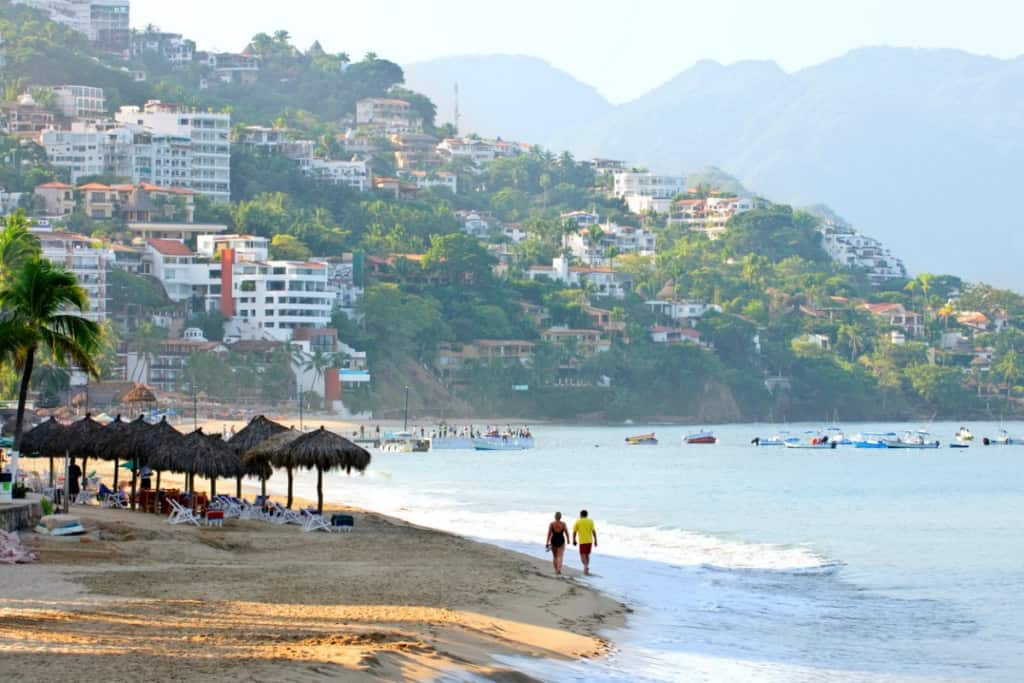
Climate varies by region. Northern areas have hotter summers and cooler winters, while coastal areas are warm and humid. The rainy season runs from May to October, and higher-altitude cities tend to have milder temperatures.
Lower Cost of Living
Many people wonder, “How much money do you need to retire in Mexico?” The cost of living in Mexico is much lower than in places like the U.S. or Europe. Mexico City is about 52% cheaper than New York, and rent is about 72% cheaper.
Housing, food, and transport are generally inexpensive. This is especially true outside major cities and tourist destinations like Cancun or Mexico City. Local markets and street food help keep daily costs down, and many retirees find they can live well on a smaller budget.
Affordable Healthcare
Healthcare is another major benefit. Medical care in Mexico is high quality and ranks 22nd in Numbeo’s 2026 Health Care Index. It costs much less than in many Western countries. Private hospitals are common in larger cities and have English-speaking staff.
Friendly Culture
Mexico is known for its welcoming culture. Many foreigners feel at home quickly, and people are generally warm, social, and helpful. The country also has strong traditions, festivals, and community life. Spanish is the main language, but many locals are patient with newcomers.
There are also many expat communities, especially in places like Puerto Vallarta and San Miguel de Allende, which make it easier to meet people and settle in.
Lifestyle Options
Mexico offers many different lifestyles. You can choose a busy city, a quiet beach town, or a colonial-style inland town. Mexico City offers a fast-paced urban life, while coastal areas like Tulum and Playa del Carmen are more relaxed. Smaller towns such as Mérida and Guanajuato offer a slower pace and a strong local culture.
Get a Quote for International Health Insurance
Explore plans that complement the healthcare system in Mexico and provide long-term coverage as you settle into retirement abroad.
✔️ Personalized quotes ✔️ Expert guidance ✔️ No obligation
The Cons of Retiring in Mexico
Like in any country, Mexico also has its challenges. Some are practical, while others depend on where you live. Here are some important factors to keep in mind.
Bureaucracy and Paperwork
Government processes in Mexico can be slow. Applying for a retirement visa and buying property can take time. However, the systems can be more efficient in places like Mexico City. Many retirees have to make multiple trips to immigration offices, need many documents, and face long processing times.
Language barriers can be an issue, especially outside major cities. Needless to say, patience, preparation, and local assistance can go a long way.
Uneven Healthcare Access
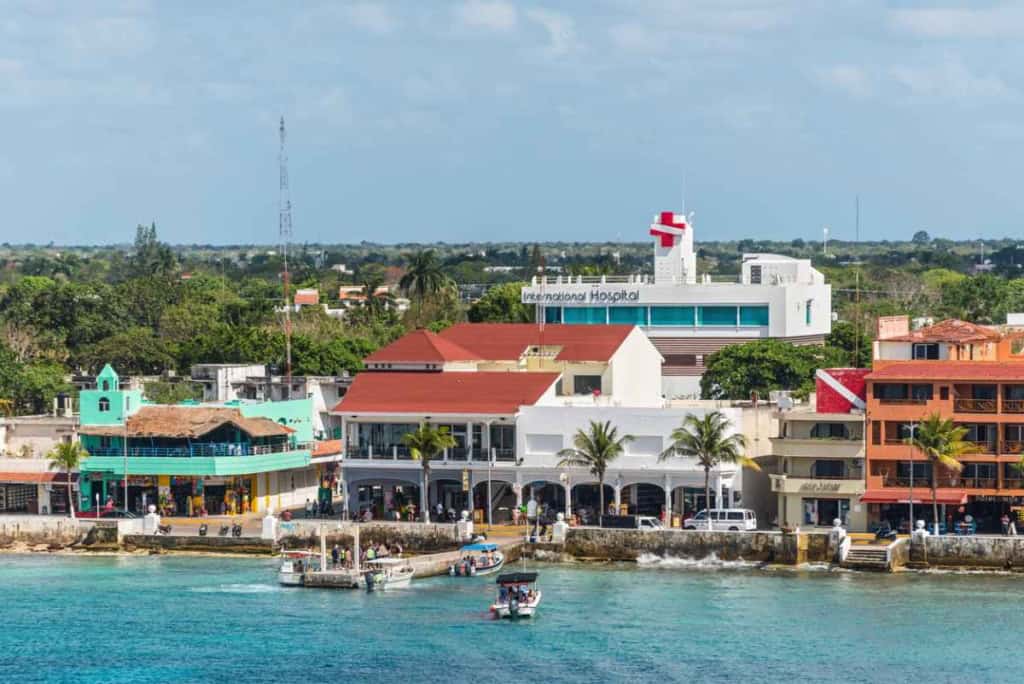
Healthcare quality varies from place to place. Big cities and tourist hubs like Monterrey and Mexico City have modern, private hospitals. Meanwhile, smaller towns may have limited medical facilities. You may need to travel for specialist care, which can be difficult in an emergency.
Transport Limitations
Public transport works well in large cities. Mexico City has a strong metro and bus system that offers efficient, low-cost travel. In smaller towns, transport is more limited. Many people rely on colectivos (shared vans or cars), which can be a challenge if you don’t want to drive.
Banking Challenges
Banking in Mexico can be difficult for newcomers. You often need a residency card and proof of address to open an account, and some banks have strict rules and high fees. At the same time, online banking can be less flexible than in other countries.
Housing Differences
Housing quality varies a lot. Some homes are modern, while others may need repairs. Infrastructure, including plumbing and electricity, can also vary by region. Popular expat areas can be expensive, and in some cases, landlords may require a local guarantor, which can make renting more difficult.
What Visa Do You Need to Retire in Mexico?
Mexico does not offer a specific retirement visa. Instead, retirees usually apply for a residency visa. The most common options are the Temporary Resident Visa and the Permanent Resident Visa. Both visas allow long-term residence in Mexico, and are based on income or savings, not age.
Make sure to check the latest rules with your consulate before you apply.
Temporary Resident Visa
Mexico’s Temporary Resident Visa allows you to live in Mexico for up to four years. You can renew it each year. To qualify, you must provide proof of financial stability, such as income or savings.
Common requirements include:
- Monthly income from pensions, investments, or work
- Or savings held over a set period
This visa is often the first step for people planning to retire in Mexico in the long term. You can read more about the Temporary Resident Visa on the official website of the Government of Mexico.
Permanent Resident Visa
Mexico’s Permanent Resident Visa allows you to live in Mexico indefinitely and does not require renewal. You may qualify if you meet higher financial requirements. You can also apply after holding a Temporary Resident Visa for four years.
To qualify, you must show either:
- Higher monthly income, or
- Larger savings or investments
This visa is ideal for retirees who want to permanently settle in Mexico. You can read more about Mexico’s Permanent Resident Visa on the official website of the Government of Mexico.
Important Visa Notes
Visa rules change often. Income and savings requirements also vary by consulate. Check your local Mexican consulate before you apply.
You will need to prepare documents early. This usually includes certified translations and apostilled records. After approval, you must complete final registration in Mexico to receive your residency card.
How to Retire in Mexico
Retiring in Mexico involves a few key steps. You will need to choose a visa, move to Mexico, and complete your residency process. You will also need to set up taxes, banking, and healthcare.
Below is a simple step-by-step guide to help you plan your move:
- Step 1: Choose the Right Mexico Residency Visa. Most retirees apply for either a Temporary Resident Visa or a Permanent Resident Visa. The Temporary Resident Visa is usually the starting point. It is valid for up to four years and can be renewed. The Permanent Resident Visa allows you to live in Mexico indefinitely. You may qualify through higher income or savings. You can also qualify after four years of temporary residency. Before applying, check the latest requirements with your Mexican consulate.
- Step 2: Apply Through a Mexican Consulate. You must apply for your visa at a Mexican consulate outside Mexico, usually in your home country. You will need to provide financial documents, such as bank statements, pension records, or investment records. You will also need a valid passport, completed application forms, and certified and translated documents. Once approved, you can enter Mexico and start the residency process.
- Step 3: Travel to Mexico and Complete Residency Registration. You must complete your residency process within 30 days of arriving in Mexico. You will visit an immigration office in Mexico to exchange your visa for a residency card. This card confirms your legal status in the country. It is important to complete this step on time. Without it, your visa is not fully active.
- Step 4: Get Your Tax ID (RFC). Once you have residency, you should apply for a Mexican tax ID called the RFC (Registro Federal de Contribuyentes). You can register through Mexico’s tax authority, the Servicio de Administración Tributaria (SAT). You will need this number for many tasks, including opening a bank account, paying taxes, signing contracts, and setting up utilities. If you are also a U.S. citizen, you may need to manage tax reporting in both countries.
- Step 5: Open a Bank Account in Mexico. After getting your residency card and RFC, you can open a Mexican bank account. Most banks require you to visit in person. You will usually need a residency card, passport, proof of address, and a Mexican phone number.
- Step 6: Arrange Healthcare Coverage. Healthcare is an important part of retiring in Mexico. Many expats use private coverage to access private hospitals and clinics. Private care is common in cities and offers faster service and English-speaking doctors. You can also join the public healthcare system (IMSS) as a resident. It is affordable but may have longer wait times.
Housing in Mexico
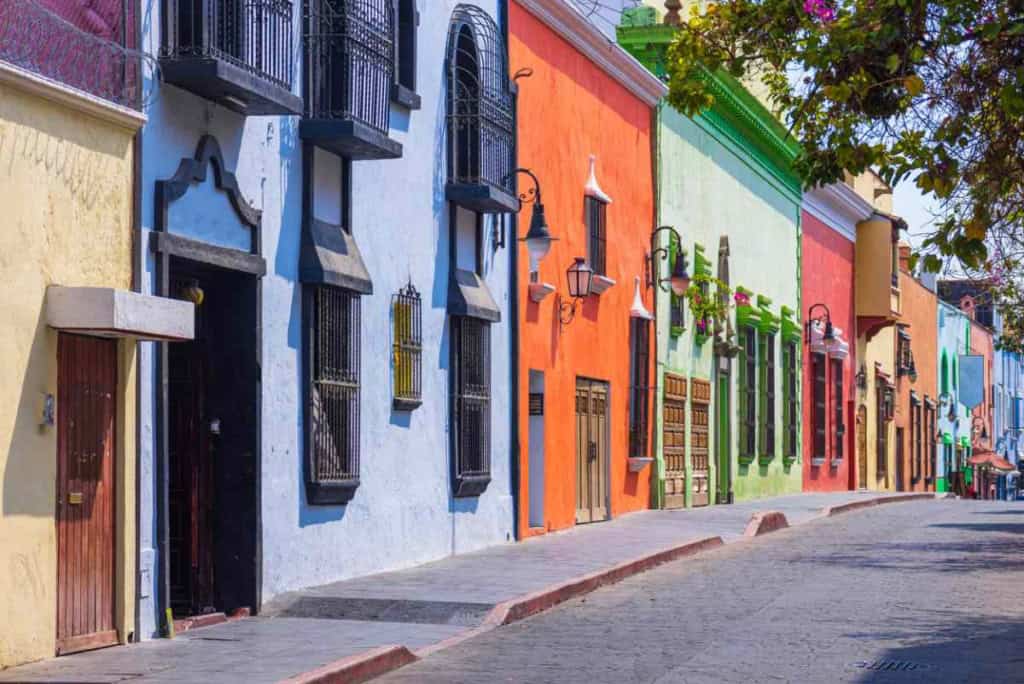
In addition to choosing where to retire in Mexico, you will also need to choose housing. Cities such as Merida have many colonial homes with traditional architecture and central courtyards.
Big cities, like Mexico City, offer modern condos with amenities. But coastal areas, such as Puerto Vallarta, offer beachfront condos and villas. But some new arrivals may prefer to live in fraccionamientos (gated communities). These offer strong security and amenities, with immediate access to expat retirement communities in Mexico.
Senior housing, assisted living facilities, and nursing homes are affordable options. For additional guidance, visit RetireMexico.com’s Guide to Senior Housing in Mexico.
Buying Property in Mexico
Expats who want to buy property can do so outside Mexico’s Restricted Zones, and the process is usually straightforward.
If you want to buy inside a Restricted Zone, the rules are different. Restricted Zones include areas within 50 km of the coast or 100 km of a border. In these areas, you need a fideicomiso, a bank trust that lasts up to 50 years and can be renewed upon expiration.
Property Rules for Foreigners in Mexico
When looking at the best places to retire in Mexico, it’s also important to be aware of local rules. Foreigners cannot buy ejido (communal) land. Instead, they must buy escriturada (titled) property.
The annual property tax is quite low, ranging from 0.1% to 0.2% of the property value. Each state also imposes an acquisition tax ranging from 2% to 4.5%.
Mexican Property Prices
Prices vary across the country. The most expensive properties are in major hubs, tourist centers, and coastal areas. Below are the prices (in U.S. dollars) for property rentals and purchases across Mexico City, Merida, and Puerto Vallarta:
Property Type | Mexico City | Merida | Puerto Vallarta |
1-bed apartment in the city center | $1,165 | $640 | $1,405 |
1-bed apartment outside the city center | $770 | $470 | $850 |
Price per sq. m in the city center | $3,780 | $2,345 | $5,350 |
Price per sq. m outside the city center | $2,340 | $1,300 | $2,580 |
What Is the Cost of Retiring in Mexico?
The cost of retiring in Mexico is lower than in the United States and many European countries. This is one of the main reasons people choose to retire here.
Your total budget will depend on where you live and your lifestyle. Big cities and coastal areas are more expensive, while smaller towns are usually cheaper.
How Much Does It Cost to Retire in Mexico?
In general, a single retiree can live in Mexico for about $1,000 to $2,000 per month. This depends on location and spending habits. For example, Mexico City is about 50% cheaper than New York. Rent is also much lower across most regions.
Eating out is also affordable. Local restaurants and street food are widely available and budget-friendly.
Example Monthly Costs
Retirement in Mexico will generally be more affordable than at home, but it’s important to consider other factors that affect overall costs.
Living in big cities and coastal areas will be more expensive than in rural areas and smaller towns. Eating out regularly and owning a car will cost more than cooking at home and using public transport.
Below are basic living costs in Mexico City, Mérida, and Puerto Vallarta. All figures are based on 2026 Numbeo data and are in U.S. dollars.
Expense | Mexico City | Merida | Puerto Vallarta |
Meal for two at a mid-range restaurant | $58 | $54 | $69 |
Pint of domestic beer | $3.34 | $3 | $3.16 |
1 liter of milk | $1.83 | $1.60 | $1.93 |
Monthly public transport pass | $21 | $20 | $17 |
Basic home utilities (per month) | $62 | $92 | $134 |
Monthly phone plan | $30 | $22 | $35 |
How Does Healthcare Work for Retirees in Mexico?
Healthcare in Mexico is one of the main benefits of retiring here. Care is widely available and often costs less than in the United States or Europe. Major cities have modern hospitals and trained doctors, and many doctors in expat areas speak English.
Public and Private Healthcare in Mexico
Mexico has a two-tier healthcare system comprising public and private healthcare:
Public healthcare is available to eligible legal residents through the Instituto Mexicano del Seguro Social (IMSS). It is low-cost and covers basic medical needs. However, wait times can be longer, and specialist care may be limited in some areas.
Private healthcare is widely used by expats. It offers faster appointments and higher-quality facilities. Private hospitals are common in cities like Mexico City, Monterrey, and Guadalajara.
Health Insurance for Expats in Mexico
Most retirees choose private health insurance in Mexico. This gives access to private hospitals and English-speaking doctors. Plans vary depending on age, coverage, and pre-existing conditions. Many expats choose international or local private insurance plans for flexibility.
Our guide to health insurance for retirees abroad explains what to look for when comparing global coverage for retirement.
You can also join the public IMSS system as a resident. This is optional for most retirees and requires an annual fee.
Healthcare Quality and Access
Healthcare is generally good in cities, where modern hospitals with advanced equipment are common. Quality varies in rural areas. Smaller towns often have fewer medical facilities, and in some cases, you may need to travel to a larger city for treatment. For this reason, many retirees choose to live near major urban centers or expat hubs.
Taxes and Inheritance Laws in Mexico
Taxes are an important part of retirement planning in Mexico. You should understand how they affect your income and savings. You become a tax resident if you stay in Mexico more than 183 days a year. If your main home or family is in Mexico, you may also qualify. If you qualify, you must report worldwide income to the SAT.
Mexico has tax treaties with many countries, including the United States, which help prevent double taxation. If you are a U.S. citizen, you may also be eligible for a foreign tax credit. This can reduce your U.S. tax bill if you pay tax in Mexico. In most cases, U.S. Social Security benefits are taxed only in the United States, not in Mexico.
Mexico has no federal inheritance or estate tax. Most inheritances are tax-free when they come from a close family member, including a spouse, parent, or child. However, some taxes may still apply when property is transferred. Property transfers can be taxed at rates of about 1% to 4.5%, depending on the situation.
It is also important to note that inheritances or gifts over $34,500 must be reported on your annual tax return. This is required to keep them tax-free.

Life Insurance
Enjoy a Sun-Drenched Retirement in Mexico
Retiring in Mexico offers a rich culture and a relaxed lifestyle. Living costs are also lower than in many countries, and you can choose from busy cities, beach towns, or quiet colonial areas.
Popular options include Mexico City, Playa del Carmen, and San Miguel de Allende. Each offers a different lifestyle, which makes it easier to find the right fit.
However, a successful relocation takes careful planning. Before you move, you will need to secure the right residency visa, find suitable housing, and understand your tax obligations. You also need to arrange healthcare coverage to ensure your long-term health needs are met.
But once you have these matters in place, you can look forward to enjoying a relaxed lifestyle, exploring Mexico’s diverse communities, and making the most of your new chapter abroad.
Start Your Retirement in Mexico with Confidence
From coastal living to world-class healthcare, make sure you’re fully covered before you go.
Retire in Mexico FAQs
-
Yes. Mexico is one of the most popular retirement destinations in the world. It offers warm weather, lower living costs, and good healthcare. Many areas also have strong expat communities. Popular retirement destinations in Mexico include Mérida, San Miguel de Allende, Puerto Vallarta, and Playa del Carmene
-
Mexico is safe in many popular retirement areas. Cities like Mérida, San Miguel de Allende, and Puerto Vallarta are among the safest places to retire in Mexico. Safety levels vary by region, so location matters. Mexico ranked 135th out of 163 countries in the <em>2025 Global Peace Index, so it is important to research where you plan to live.a
-
Most retirees need about $1,500 to $3,000 per month. The exact amount depends on lifestyle and location. Mexico City is about 50% cheaper than New York. Smaller cities are often even more affordable. Living outside tourist areas can significantly reduce costs.d
-
Yes. Americans can retire in Mexico. You will need a Temporary or Permanent Resident Visa. Mexico does not have a specific retirement visa. There is also no fixed retirement age requirement. You only need to meet the financial requirements set by the consulate.
-
- No. Healthcare is not free for expats in Mexico. However, residents can join the public system (IMSS) for a low annual fee. Most expats choose health insurance in Mexico instead. Private hospitals offer shorter wait times and more English-speaking doctors.
-
Yes. You can still receive U.S. Social Security benefits while living in Mexico. Payments can go to a U.S. or Mexican bank account. Many retirees use this income to cover daily expenses. Mexico’s lower cost of living makes Social Security go further.
-
Usually, no. Under the tax treaty, U.S. Social Security is taxed only in the United States. Mexico does not normally tax this income. However, if you become a tax resident in Mexico, you may still need to report your worldwide income. It is best to check your situation with a tax advisor.
Expats who want to buy property can do so outside Mexico’s Restricted Zones. This is usually straightforward.
If you want to buy inside a Restricted Zone, the rules are different. Restricted Zones include areas within 50 km of the coast or 100 km of a border.
In these areas, you need a fideicomiso. This is a bank trust that lasts up to 50 years. It can be renewed when it expires.