


International Health Insurance
Gain valuable insights and practical tips for navigating international health insurance while living abroad. From coverage details to expert advice, this comprehensive guide helps travelers…

International medical cover for expats and their families.
Medical and trip cancellation coverage for international travel.
Life insurance for globally mobile individuals living or working abroad.
Comprehensive international medical coverage for groups.
Medical, accident, and liability protection for global travel.
Financial protection for employees worldwide.
Most Popular Country Guides
Healthcare, insurance, and living insights to plan life and travel in each destination.
Healthcare, safety, and practical guidance for living abroad.
Tips and guidance for safer, smarter international travel.
Resources for global mobility, HR, and international teams.
Find the best travel insurance for Italy for medical emergencies, trip cancellations, and lost luggage, plus top tips for a safe trip.
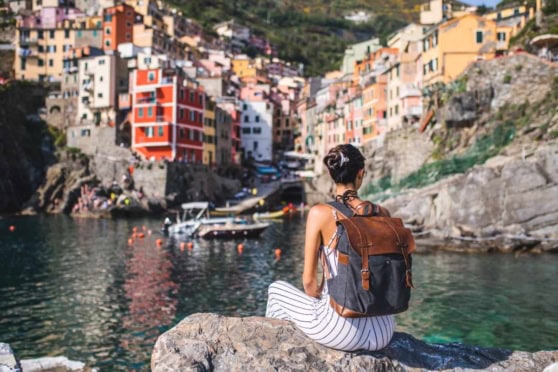
Planning a trip to Italy? While the country offers unforgettable experiences, unexpected medical emergencies or trip disruptions can quickly derail your plans. That’s why having coverage is essential to protect yourself from the financial impact of unforeseen events.
This article breaks down what’s typically included (and excluded) in travel insurance for Italy, offers tips on choosing the right plan, and provides practical advice to help you stay safe during your adventure.

If you need to apply for a Schengen visa to visit Italy, you must purchase travel health insurance.
As of 2025, the minimum coverage must be €30,000 (approximately $34,000 USD) and include medical emergencies, hospital treatment, and repatriation of remains. The full criteria can be found on the official website of the European Commission.
If you’re traveling from a visa-exempt country, such as the United States, Canada, or Australia, you can enter Italy without a visa for up to 90 days within 180 days.
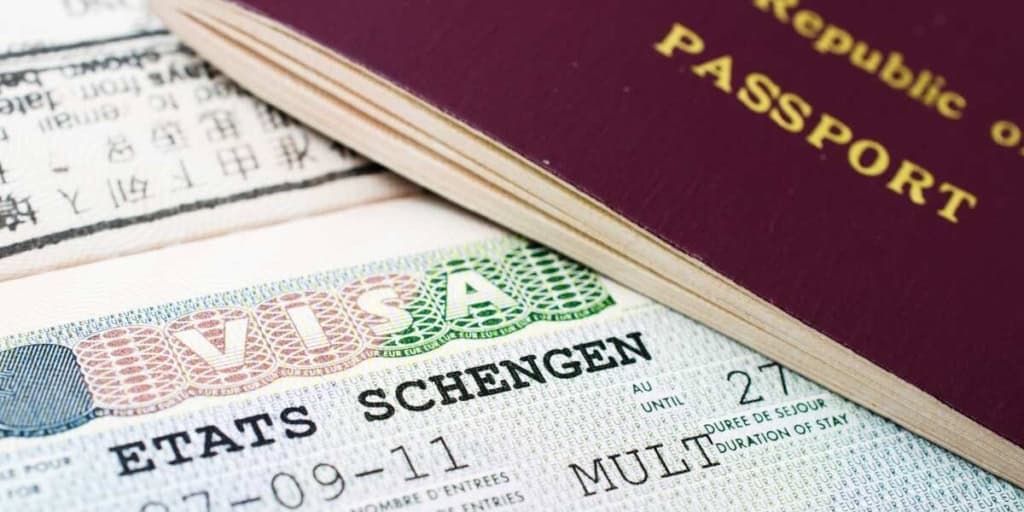
Beginning in late 2026, travelers from visa-exempt countries will be required to apply for the European Travel Information and Authorization System (ETIAS) before entering most European countries, including Italy. ETIAS functions similarly to the ESTA in the U.S. or the ETA in the UK.
If you’re an EU citizen, you can access public medical care in Italy using your valid European Health Insurance Card (EHIC).
Read more about the Schengen Visa for Travel to Europe and Schengen Visa Insurance Requirements.
Travel insurance for Italy helps cover unexpected costs such as trip disruptions or lost baggage, but its most important benefit is coverage for medical expenses.
While Italy’s public healthcare system provides emergency services to non-EU visitors, these services are not free. Travelers must pay out of pocket for treatment, which can add up, especially for hospital stays or specialist care.
A typical travel insurance policy covers emergency treatment, hospital stays, prescriptions, surgeries, medical evacuation, and repatriation of remains.
Notably, private healthcare services in Italy are more expensive but often provide shorter wait times and better access to English-speaking medical staff. This can be a significant benefit if you don’t speak Italian.
For this reason, comprehensive travel insurance that covers both public and private care provides financial protection and peace of mind during your trip.

Many travelers enjoy Italy’s beautiful landscapes, cultural treasures, and culinary delights without incident. However, unexpected situations can happen, and they may carry significant financial or logistical consequences.
Travel insurance can help ease that stress by making it easier to get reimbursed, access care, or adjust your plans if things go wrong.

Stamp It or Get Fined! In Italy, hopping on a train without validating your ticket can land you a hefty fine, even if it’s valid. Look for the small green-and-white machines near station platforms to time-stamp your ticket. If you’re using a digital ticket, you can validate it via the Trenitalia app by clicking “check-in” before departure.
Travel policies for Italy generally fall into two main categories: travel medical insurance and trip cancellation insurance.
Both types protect against unexpected medical and travel-related expenses, such as emergency treatment, medical evacuation, trip cancellation, lost luggage, travel delays, and repatriation of remains. However, coverage varies by policy, so it’s important to carefully read the fine print to find a plan that fits your needs.
Standard travel policies typically exclude pre-existing medical conditions, pregnancy complications beyond 26 weeks, elective treatments, injuries from high-risk adventure sports, and claims related to alcohol use or traveling against government advice.
Since popular Italian activities like mountaineering, paragliding, deep scuba diving, and high-altitude trekking carry higher risks, they often require additional coverage or separate policies.
Other standard exclusions may include negligence (e.g., leaving luggage unattended), illegal activities, damage to rental vehicles, and travel disruptions caused by known events, such as volcanic eruptions or pandemics. These risks might be covered only if you purchase specific add-ons to your policy.
Read more about the benefits of international travel insurance and how to choose the ideal plan for your budget and needs.
The cost of travel insurance for Italy varies based on several factors, including age, health, coverage level, trip length, and whether you opt for additional protection for high-risk activities such as skiing or hiking.
Generally, older travelers, especially those over 65, or those with pre-existing conditions, pay higher premiums.
For example, a 25-year-old traveling from the U.S. to Italy for a 10-day trip might pay between $10 and $35 for a basic or comprehensive plan, while a 55-year-old could expect to pay between $30 and $100 for similar coverage.

Key cost factors typically include premiums (paid upfront or in installments), deductibles (your out-of-pocket expenses before coverage kicks in), co-pays for certain services, coverage for emergencies and travel disruptions, and any policy exclusions.
On a Budget? Consider choosing a plan with a higher deductible to lower your premium, but ensure it still covers essentials like emergency medical treatment, evacuation, trip cancellation, and repatriation. Always compare plans carefully, read the fine print, and consider purchasing extra coverage for adventure activities.
When selecting a travel insurance plan for Italy, carefully consider your medical and travel needs, particularly in the event of an emergency.
Ask yourself the following questions:

Compare top-rated travel insurance plans for your upcoming trip abroad.
Below are our top recommended policies for visitors to Italy, which protect against unexpected medical expenses, emergencies, and other travel-related mishaps.
The IMG Patriot Platinum offers comprehensive medical coverage and global emergency services, making it an excellent choice for visitors to Italy. It includes high policy limits, emergency evacuation coverage, and optional add-ons for popular activities, such as surfing and scuba diving.
Designed for short-term international travelers, it’s a top option for U.S. citizens and foreigners visiting the country for less than 12 months.

U.S. citizens visiting Italy should consider a travel insurance plan that includes comprehensive medical coverage, access to quality healthcare providers, and emergency assistance abroad.
The BCBS Global Solutions Single Trip Platinum plan is an excellent choice. Affiliated with Blue Cross Blue Shield, it offers access to a premium global network of doctors and hospitals. BCBS Global Solutions also provides 24/7 customer support, telemedicine services, and prescription drug coverage.
This plan is especially well-suited for older U.S. travelers, as it offers one of the highest levels of international coverage for seniors. This includes individuals with Medicare who require comprehensive protection while traveling abroad.

For U.S. citizens and residents planning a trip to Italy, the Trawick Safe Travels AnyReason plan offers both flexibility and financial peace of mind in the event of unexpected itinerary changes.
It includes a Cancel for Any Reason (CFAR) benefit at no extra cost. If you cancel your trip for reasons not generally covered by standard policies, Trawick will reimburse up to 75% of your prepaid, non-refundable expenses, including flights, hotels, and tours.

World Nomads Travel Insurance is a strong option for non-U.S. travelers heading to Italy. In addition to trip cancellation coverage for prepaid expenses, the plan includes protection for over 200 adventure activities, emergency medical care, evacuation and repatriation, and compensation for lost or stolen baggage.

To enjoy a safe, hassle-free visit to Italy, it’s essential to plan for your health and medical needs in advance. This includes staying up to date on recommended vaccinations, understanding the country’s medication regulations, and knowing how to access medical care if needed.
Here are some essential tips to help you get ready for your trip:
Italy does not require any specific vaccinations for entry. However, it’s recommended that travelers are up to date on routine immunizations, including:
Depending on your personal health, travel plans, and planned activities, your doctor may also recommend additional vaccines, such as those for hepatitis A or B.
Ideally, consult your healthcare provider or a travel health clinic four to six weeks before departure. This gives you enough time to complete any vaccine series and ensure optimal protection before you travel.
You can find more detailed information about vaccinations and health advice for Italy on the following sites:
Italy enforces strict regulations on medications brought into the country; therefore, it’s essential to prepare in advance.
Start by ensuring you have enough of your prescription medications and any necessary medical equipment for your entire stay. If bringing a full supply isn’t feasible, research how to access local equivalents beforehand.
According to the Italian Ministry of Health (Ministero della Salute), travelers may bring up to a 30-day supply of medication for personal use, provided certain conditions are met. These include:
Pack Smart! Pack medications in their original packaging and carry them in your hand luggage. Some prescription or over-the-counter drugs that are common in other countries may be considered controlled substances under Italian law. Without proper documentation, customs may confiscate the medication or impose legal penalties.
The Italian authorities strictly control the following medications, even if your family doctor prescribed them back home:
Without the proper paperwork outlined above, customs may confiscate your medication, issue a fine, or impose more serious legal penalties.
The following narcotics are illegal for recreational use in Italy, and penalties for possession can be steep fines and imprisonment:
For more clarity, check with the International Narcotics Control Board (INCB) for advice on traveling internationally with prescription or controlled drugs. You can also consult the Italian Medicines Agency (AIFA) for up-to-date information on drug classifications.
In the event of a medical emergency in Italy, dial 112 to contact emergency services. Paramedics will treat you on-site and, if needed, transport you to the nearest hospital or emergency department.
Ambulance services in Italy are generally free or low-cost. However, as a foreign visitor, you will likely be charged for any hospital treatment, diagnostic tests, or inpatient care. Depending on your travel insurance, you may be able to claim most of these expenses for reimbursement.
Short-term visitors typically don’t visit a primary care physician for non-urgent medical issues, such as infections, minor injuries, or stomach illnesses. Instead, you can go directly to a public hospital, emergency room, or the Guardia Medica Turistica, a tourist-friendly medical service available in most major cities and resorts.
Your travel insurance provider can usually help you locate nearby clinics or hospitals that accept your coverage. Some insurers also offer telehealth services, allowing you to consult with a doctor virtually, as well as translation support to help communicate with local medical staff if you don’t speak Italian.
Lastly, if you plan to hike in the Dolomites, ski in the Alps, or participate in other outdoor activities, ensure your travel insurance includes coverage for adventure sports and medical evacuation. If not, consider purchasing an add-on or separate coverage.
Keep Key Documents Handy. Carry your travel insurance details, passport, and essential medical documents in your carry-on bag or save them on your phone. Having these readily available can reduce delays in receiving medical care and help ensure smooth coordination between local healthcare providers and your insurance company.
Italy’s Ministry of Foreign Affairs and International Cooperation (Ministero degli Affari Esteri e della Cooperazione Internazionale) provides official travel warnings and alerts for both Italian citizens and foreign visitors.
The Italian Civil Protection Department (Protezione Civile) also issues daily bulletins (bollettini di criticità) on potential natural disasters and severe weather. Additionally, Italy’s national weather service issues current weather warnings and advisories.
That said, it’s always wise to check your home country’s travel advisories for destination-specific updates on safety, health risks, and political developments.
Below are several official sources of travel advice by country:
If you require immediate medical assistance or need to contact the police (Carabinieri or Polizia), dial the European-wide emergency number 112. This number works from any landline or mobile phone in Italy, even if your phone is locked or does not have a SIM card.
You can also download the Where Are U app, which connects you to 112 and automatically transmits your location. This is especially helpful if you’re unable to speak or need a more accessible option as a Deaf or hard-of-hearing traveler.
Your country’s embassy can assist you with lost documents, visa issues, or other consular matters while in Italy. They may also provide emergency services such as legal advice, financial assistance, or support during a medical emergency.
Australian Embassy
Phone: +(39) 6 852 721
Address: Via Antonio Bosio 5, 00161 Rome
Brazilian Embassy
Phone: +(39) 6 683 981
Address: Piazza Navona, 14, 00186 Rome
British Embassy
Phone: (+39) 6 4220 0001
Address: Via XX Settembre 80/a, 00187 Rome
Canadian Embassy
Phone: +(39) 6 854 441
Address: Villa Grazioli, Via Salaria 243, 00199 Rome
Embassy of India
Phone: +(39) 6 4884 642/3/4/5
Address: Via Venti Settembre 5, 00187 Rome
Embassy of the People’s Republic of China
Phone: +(39) 6 9652 4200
Address: Via Bruxelles 56, 00198 Rome
French Embassy
Phone: +(39) 6 686 011
Address: Piazza Farnese 67, 00186 Rome
German Embassy
Phone: +(39) 6 492 131 | +(39) 335 790 4170 (A/H emergency German)
Address: Via San Martino della Battaglia 4, 00185 Rome
Honorary Consulate-General of Singapore
Phone: +(39) 6 6994 0398 | +(39) 6 6978 3010
Address: Via Frattina 89, 00187 Rome
Japanese Embassy
Phone: +(39) 6 474 991
Address: Via Quintino Sella 60, 00187 Rome
New Zealand Embassy
Phone: +(39) 6 853 7501 | +(64) 99 20 20 20 (A/H emergency)
Address: Via Clitunno 44, 00198 Rome
South African Embassy
Phone: +(39) 6 852 541
Address: Via Tanaro 14, 00198 Rome
United Arab Emirates Embassy
Phone: +(39) 6 363 06100
Address: Piazza della Croce Rossa 3, 00161 Rome
U.S. Embassy and Consulates
Phone: +(39) 6 467 41
Address: Via Vittorio Veneto 121, 00187 Rome
If your country is not listed above, you can also visit EmbassyPages, a global directory, to search for embassies and consulates by country and city.
Italy is one of the safest countries in the world, ranking 33rd out of 163 nations on the 2025 Global Peace Index, which evaluates crime rates, political stability, and militarization.
However, no destination is without risks. For example, driving in Italy can be hazardous, and accidents may occur while skiing or hiking. That’s why taking simple precautions is essential to ensure your safety.
Here are 10 practical tips to help you stay safe and enjoy your visit:
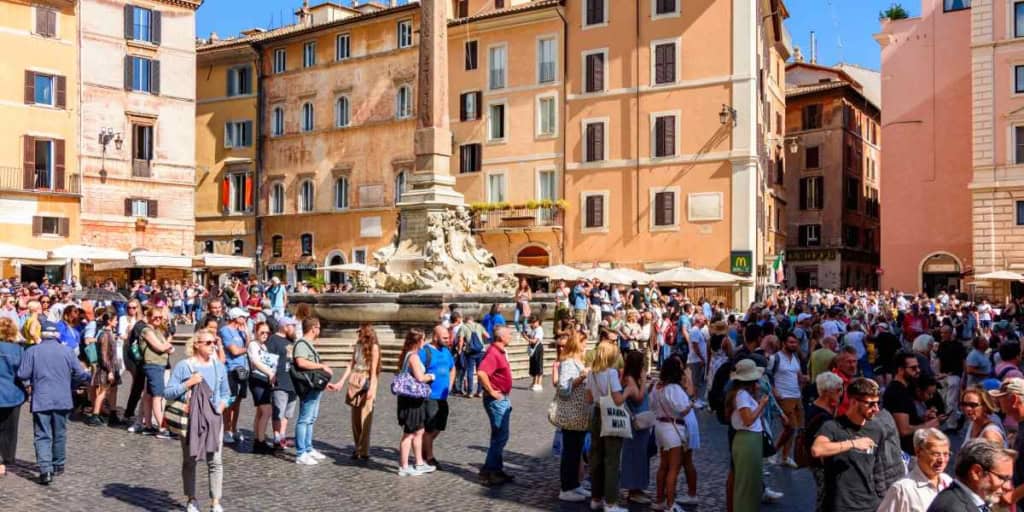
Petty theft, such as pickpocketing, can occur, particularly in crowded tourist areas and bustling cities like Rome, Florence, and Venice. Minimize the risk by being aware of your surroundings and keeping your bags close.
Do not leave bags or valuables unattended in public places, including beaches and hotel lobbies. Also, be vigilant on public transport as pickpockets often operate on buses and trains, especially near major stations.
The most recent report on road accidents by the Italian National Institute of Statistics (ISTAT, 2023) indicates that approximately 460 collisions occur per day. Even though fatalities have decreased, at 56 road deaths per million people, it is still above the EU average of 46.
The main contributors are high speeds, failure to yield the right of way, and distraction (e.g., cell phone use). Therefore, be alert when driving, follow the local road laws, and use extra caution at pedestrian crossings. Never drink and drive.
The Italian law requires you to wear a helmet and have third-party insurance when riding an e-scooter. Otherwise, you can be fined.
It is safe for LGBTQIA+ travelers to visit Italy, particularly in larger cities and urban centers. However, rural communities may be more conservative, where occasional residents can react negatively to public displays of affection.
Trans or non-binary visitors may want to carry supporting documents, as they can occasionally experience issues at passport or ID checkpoints. Unfortunately, gender-neutral bathrooms are also uncommon across the country.
Italy is generally a safe destination for women, including solo travelers. While some have reported occasional street harassment in the past, such incidents appear to be less frequent.
But, like at home, be aware of where, when, and with whom you go, and tell a friend or family member where you are.
Skiing, hiking, and water sports are popular activities in Italy, but they also carry risks. Therefore, follow the safety rules, take precautions, and stay informed about any regional warnings (e.g., severe weather).
Some Italian regions may be affected by natural events, such as earthquakes, flooding, and volcanic eruptions. Stay updated by following the news and never ignore weather alerts or other warnings from the Civil Protection Department.
Italy can get extremely hot during the summer months, especially in July and August. Temperatures often climb as high as 38 to 42 °C (100.4 – 107.6 °F) in the south, and 32 to 35 °C (89.6 – 95.0 °F) in the north.

Get Free Water! You can stay hydrated and be sustainable by refilling your reusable bottle at a free public water fountain, known as aqua potabile. These are usually found in most town hall squares.
Public transport strikes can occur with little notice and may result in delays or extra expenses. With some forward planning, including checking alerts, being flexible with your schedule, and having travel insurance, you can effectively manage most disruptions.
Register with your country’s travel alert program (as discussed above) to receive updates and access consular assistance in the event of an emergency.
Italy’s stunning landscapes, rich history, and world-renowned cuisine make it one of the most unforgettable places on earth. From wandering the lively piazzas of Rome to sipping espresso in a Tuscan vineyard, there’s magic around every corner.
But no matter how well you plan, the unexpected can happen – and it can quickly turn your dream vacation into a headache.
With the right coverage, you can relax and fully enjoy all that Italy has to offer in terms of beauty, culture, and flavors without worrying about what-ifs.
So, are you ready to dive into la dolce vita with confidence?
Get a free quote now and find the perfect travel insurance plan for your Italian adventure!
You must apply for a Schengen visa if your nationality does not allow visa-free entry. Additionally, if you plan to work and live in Italy, there are various work visas to consider.
Travel health insurance is required if you need a Schengen visa. If you’re from a visa-exempt country (like the U.S. or Canada), insurance isn’t mandatory but is strongly recommended for peace of mind.
Yes. You can buy travel insurance at any time before your trip, but it’s best to buy it soon after booking. This helps maximize coverage benefits like trip cancellation protection, which often only applies if you purchase a plan early.
Possibly, but coverage may be limited. Many providers won’t cover you if you’ve already left your home country unless you buy a specific post-departure or expat health insurance plan.
Yes, usually, but always check your policy and contact your provider before traveling. Some insurers allow mid-trip extensions, while others require you to return home first.
Italian emergency services won’t refuse to evacuate you, but the costs can run into the thousands without travel insurance. Since public healthcare rarely covers medical evacuation, having the right coverage is essential to protect yourself from these potentially huge expenses.
It can be. Italy has a higher rate of traffic accidents than the EU average. Many tourists find Italian driving fast-paced and aggressive, made even more challenging by the country’s narrow roads and complex traffic patterns. If you drive, remain alert and obtain comprehensive coverage from the rental car agency, in addition to your travel insurance.