International Health Insurance
Gain valuable insights and practical tips for navigating international health insurance while living abroad. From coverage details to expert advice, this comprehensive guide helps travelers…

International medical cover for expats and their families.
Medical and trip cancellation coverage for international travel.
Life insurance for globally mobile individuals living or working abroad.
Comprehensive international medical coverage for groups.
Medical, accident, and liability protection for global travel.
Financial protection for employees worldwide.
Most Popular Country Guides
Healthcare, insurance, and living insights to plan life and travel in each destination.
Healthcare, safety, and practical guidance for living abroad.
Tips and guidance for safer, smarter international travel.
Resources for global mobility, HR, and international teams.
Discover the best travel insurance for Hong Kong for medical emergencies, trip cancellations, and more, as well as top tips for a safe trip.
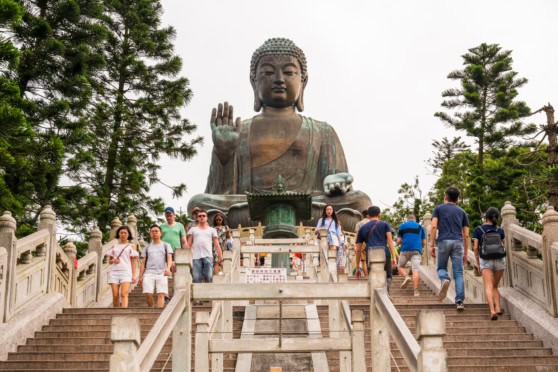
Hong Kong has become one of the most popular travel destinations worldwide in recent years. Rightfully so, as it has much to offer. The country is a travel hub, home to vibrant cities, diverse cultures, stunning beaches, and lively nightlife.
To ensure you are well-informed while traveling to and from Hong Kong, we’ve outlined key information to help you during your trip.

Medical care standards are excellent, but they are also costly. Healthcare is divided into public and private. In the event of an emergency, you will be taken to a public hospital, where you will be required to pay for emergency services. There are many English-speaking doctors throughout Hong Kong. Purchasing travel insurance before visiting Hong Kong is recommended.
For visitors to Hong Kong, a quality travel insurance plan is a must. These plans will cover your medical expenses if you get sick or injured while traveling abroad.
There are no required vaccinations before traveling to Hong Kong, unless you are coming from a country with a yellow fever outbreak.
Over the winter months from December to March, Hong Kong experiences an intense flu season. If you plan to travel during winter, a flu vaccine is recommended.



Drinking tap water is not recommended, as its quality can vary significantly depending on the pipes in the building you are in. It is safer to stick to bottled water or boil tap water for at least 3 minutes.
Mosquitoes are prevalent. Therefore, you should always wear insect repellent and put hydrocortisone cream on any bites you receive.
If you require emergency medical assistance during your trip, please dial 999 and request an ambulance. You should contact your insurance/medical assistance company promptly if you are referred to a medical facility for treatment.
The climate is subtropical, characterized by hot, humid summers and cool, dry winters. The best months to travel are October, November, and December. June to August is the rainy season. September poses the greatest threat of typhoons.
The only way into the country is through the mainland of China. Transportation to and from China is readily available, with buses and trains operating multiple times daily to numerous destinations.
The country has an extensive public transportation system, including buses that cover the entire island, trains, ferries, subways, and taxis.
Taxis are a bargain and easy to find on the streets. The drivers are said to be quite honest, but if you feel that you have been overcharged, there is a complaint hotline you can call to report it.
Because it is so densely populated, it is common to show respect to strangers by paying as little attention to them as possible as you pass them on the street. For tourists, this may be perceived as unfriendly, but in reality, it helps ensure that each person has the personal space they need.
With the busyness of many people, necessary interactions are often efficient and quick, unlike the typical warm encounters you may be accustomed to.
Hong Kong is a costly destination. The most significant expense is accommodations, with nightlife coming in a close second. As mentioned earlier, taxis and transportation are incredibly cheap compared to other parts of the world.
Another tip to know is that there is no sales tax. You will see a 3% government tax on hotel stays. ATMs are widely found and are linked to international banking systems.
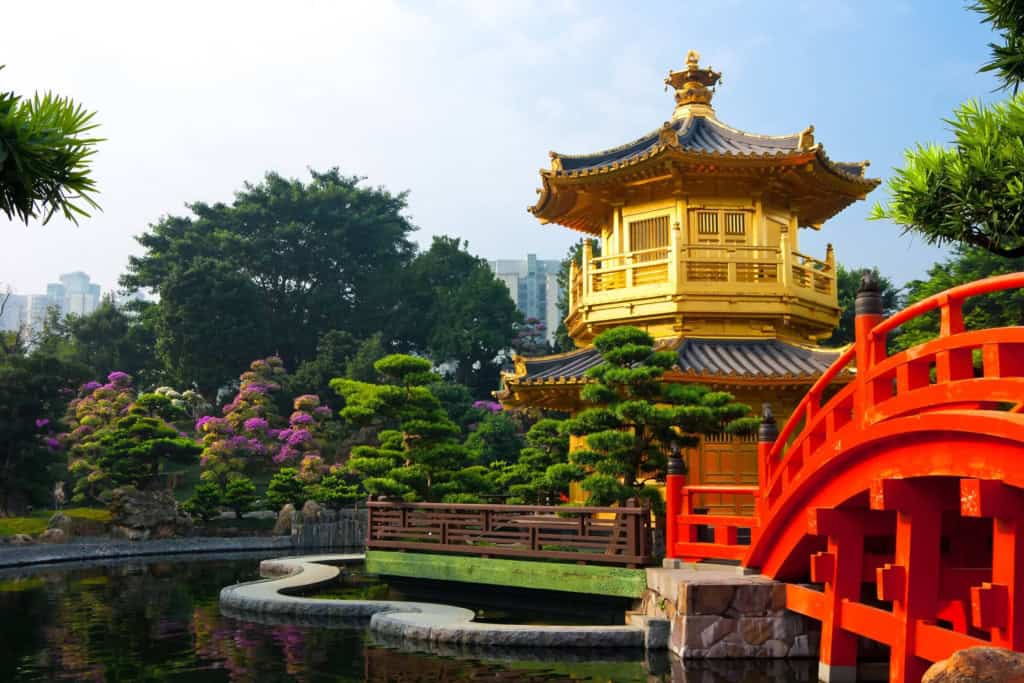
Formerly a British colony, Hong Kong is now an autonomous part of the People’s Republic of China and ranks among the world’s top cities. Home to more than seven million people, it is one of the most significant financial centers, ranking second only to New York and London.
It also hosts more than fifty million visitors each year.
At International Citizens Insurance, we strive to ensure you have all the information you need to travel safely to the most sought-after destinations in the world.
Hong Kong travel insurance can go a long way in protecting your health while you’re abroad, but there are also a few things you should keep in mind while getting ready for your trip to Hong Kong.
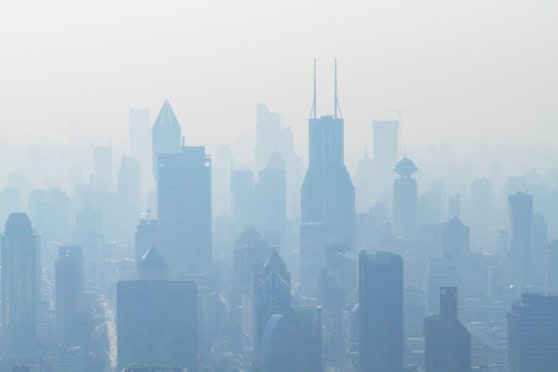
Air quality in Hong Kong is among the poorest in the industrialized world. Travelers who are prone to asthma or bronchial infection should take special precautions. Plan to minimize time spent outdoors.
Daily air quality index updates are available through news media and smartphone apps, so it’s best to stay indoors during the worst conditions. Use a mask to reduce pollution intake.
One important thing to remember about Hong Kong’s air quality is that it can drastically reduce visibility. During the worst pollution, smog significantly reduces the number of daylight hours.
For this reason, plan to return to your hotel early if you are not comfortable navigating Hong Kong at night. The summer months tend to be the best regarding air quality.
Typhoon season can be unpredictable throughout much of Asia. Luckily, Hong Kong’s advanced early warning system reports typhoons on all TV channels and in many significant buildings.
Typhoons are ranked between T1 and T10, with T3 typhoons considered serious enough to avoid coastal areas and take shelter. During a rare T8 typhoon, most workers will be excused.
If a typhoon of at least strength T3 is reported, return to your hotel to take shelter. Hotel staff can direct you to other shelters if needed, but this is very rare.
Typhoon seasons run from May through September, but most storms skirt Hong Kong, creating minimal disruption. A T10 typhoon occurred in 2012, but the last one was all the way back in 1999.
As with any major destination, con artists are always at work to relieve tourists of their money. Pickpockets, in particular, tend to target visitors from abroad, rather than locals.
Use a hotel safe to avoid carrying valuables on crowded city streets or in public transportation. When carrying a wallet, keep your IDs separate to prevent losing them in the event of theft.
There are more than 18,000 taxis in Hong Kong, with the majority driven by independent owner-operators. As in other cities, you should be on the lookout for unlicensed taxis.
Insist that your taxi driver uses the meter to determine your fare. A semicircular, green emblem on the front grill and rear of a vehicle indicates a licensed taxi, with the number of available seats displayed.
According to the Centers for Disease Control, travelers should strongly consider getting vaccinated against hepatitis A and typhoid before traveling to Hong Kong.
Hepatitis is frequently transmitted to visitors through contaminated food, especially street food, and through contaminated water. Typhoid is particularly important if you plan to travel anywhere outside of central Hong Kong.
The healthcare system in China is one of the most advanced in Asia. However, care can be costly. In an emergency, you will be transported to a government-run hospital, typically charging a flat fee of over $500 (USD) for services.
Other costs may also apply. Emergency care is guaranteed, so you will be billed later if you are unable to pay immediately.
By contacting your local consulate or the private hospital of your choice, you can find a variety of doctors, dentists, and others who speak English.
Private care is less expensive than public hospital care for visitors to Hong Kong; however, having appropriate travel insurance can significantly reduce the cost of specialized treatment, which can be very expensive.
For visitors to Hong Kong, a quality travel insurance plan is a must. The plans below are recommended and will cover your medical expenses if you get sick or injured while traveling abroad.
Despite the precautions, Hong Kong is a very rewarding place to visit for business or pleasure. I hope you will find your trip goes even more smoothly with these details in mind.