

International Health Insurance
Gain valuable insights and practical tips for navigating international health insurance while living abroad. From coverage details to expert advice, this comprehensive guide helps travelers…

International medical cover for expats and their families.
Medical and trip cancellation coverage for international travel.
Life insurance for globally mobile individuals living or working abroad.
Comprehensive international medical coverage for groups.
Medical, accident, and liability protection for global travel.
Financial protection for employees worldwide.
Most Popular Country Guides
Healthcare, insurance, and living insights to plan life and travel in each destination.
Healthcare, safety, and practical guidance for living abroad.
Tips and guidance for safer, smarter international travel.
Resources for global mobility, HR, and international teams.
Find the best travel insurance for France for medical emergencies, trip cancellations, and lost luggage, plus essential tips for a safe trip.

France remains the most visited country in the world, welcoming over 100 million international visitors in 2024 alone. If you’re planning to explore this European gem, travel insurance for France is essential to protect you from medical emergencies, trip delays, lost luggage, and other unexpected issues.
In this article, we’ll guide you through the country’s travel insurance requirements, coverage options, and typical costs to help you find the best plan for your trip. We’ll also share key safety tips to ensure a smooth adventure.

Travel insurance is mandatory for all non-EU travelers who must present an insurance certificate upon arrival in France as proof of coverage. This certificate confirms that all medical and hospital expenses, including repatriation and death-related costs, are covered for the entire duration of their stay.
If you need a Schengen visa to enter France, your policy must provide at least €30,000 in medical coverage. Since tourists often have to pay for medical services upfront, these expenses can quickly add up, making comprehensive coverage essential to protect you from costly bills.
EU visitors typically have access to healthcare through the European Health Insurance Card (EHIC) or the newer European Health Insurance Card (EHIC 2). Both cards are valid and accepted across EU countries, allowing travelers to receive necessary medical treatment during temporary stays in France and other member states.
However, additional coverage is still advisable to protect against other risks such as repatriation, lost luggage, or trip cancellations. Additionally, if you plan to participate in high-risk outdoor activities, ensure your policy includes coverage for medical evacuation and helicopter rescue.
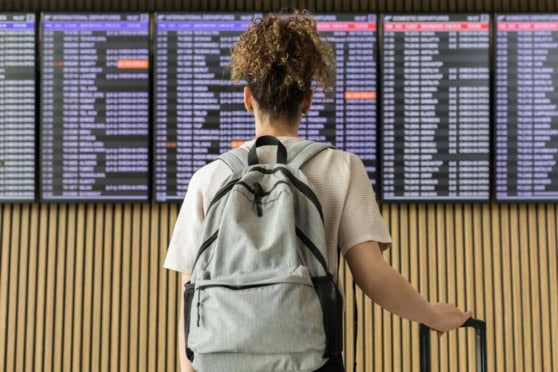
Understanding the common travel risks in France can help you prepare for a safe and smooth trip. Here are the key factors to consider:
Although medical costs in France are often lower than in many other European countries, foreign travelers must typically pay upfront for medical visits and hospital stays unless they have valid health insurance coverage.
Given that emergency room visits can cost around €100 (USD 120) and unexpected medical expenses can quickly add up, having comprehensive travel health insurance is essential to protect yourself from high out-of-pocket costs.
Flight cancellations, delays, and lost luggage are common travel disruptions in France, often caused by frequent strikes involving airport and public transport workers.
For example, in early 2023, air traffic controller strikes led to over 6,300 flight cancellations, affecting approximately 10 million passengers. On strike days, flight punctuality dropped from 80% to 71%.

Having a travel plan that covers these risks is a good idea, especially given the regularity of strikes. It can help you rebook flights, arrange alternative transportation, or replace lost belongings without incurring additional costs.
France experiences seasonal weather disruptions, especially in winter. Heavy snow and fog in regions like the French Alps and northern France often delay flights, trains, and road travel.
For example, winter storms have caused cancellations on the TGV high-speed rail and delayed flights at major airports such as Charles de Gaulle.
Having coverage for weather-related delays can save you from additional costs.
France faces increased risks from terrorism and civil unrest compared to some other European countries. Large-scale protests and strikes can disrupt travel plans, especially in major cities like Paris.
To safeguard your trip, consider a policy that includes coverage for cancellations or interruptions caused by terrorism, security alerts, or civil unrest.
Popular tourist cities like Paris, Nice, and Lyon are known for being hotspots for pickpockets and bag snatchers, particularly around crowded landmarks such as the Eiffel Tower, Montmartre, and metro stations.
It’s wise to choose a policy with theft protection to ensure you’re covered if valuables are stolen during your trip.
Driving in France can be challenging due to unfamiliar road rules, tolls, and narrow country roads. Accidents and damage to rental cars are common risks.
Many travel insurance policies offer optional rental car damage coverage to protect you from costly repairs or liability.
France is renowned for its outdoor pursuits, including mountaineering, skiing, hiking, and other adventure sports.
Most standard travel policies exclude high-risk activities, so if you plan to participate in these, look for add-on options, such as winter sports or adventure coverage.
These typically include protection against avalanche delays, injuries, and emergency evacuations, including helicopter rescue.

Hitting the Slopes? If you’re visiting ski resorts in the French Alps or engaging in other winter sports, ensure your policy specifically covers these activities, as many standard plans exclude them. Look for coverage that includes skiing, snowboarding, equipment damage, and mountain rescue.
French travel insurance provides financial protection for medical expenses and various trip-related issues, ensuring you’re covered when unexpected events occur.
Most policies typically cover medical emergencies, evacuation, trip cancellation or interruption, lost or delayed luggage, travel delays, and repatriation of remains.
However, standard plans often exclude coverage for pre-existing medical conditions, elective treatments, routine care, and injuries sustained during high-risk activities, unless you purchase an additional adventure sports rider. Claims may also be denied if the incident involves alcohol, drugs, reckless behavior, or illegal activity.
Since policies can differ significantly, it’s essential to carefully read the fine print and compare travel plans to understand exactly what is and isn’t covered before making a purchase.
Read more about the benefits of international travel insurance and how to choose the ideal plan.
Travel insurance for France typically costs between $1 and $5 per day, or more, depending on your age, trip details, and the benefits you choose. Adding coverage for high-risk activities or pre-existing medical conditions will also increase the price.
Generally, older travelers pay higher premiums. For example, a 35-year-old traveling from the US to France for seven days might pay between $10 and $20 total for a travel medical plan, while a 65-year-old would typically pay between $40 and $50 for the same coverage.

Plans with lower medical limits and higher deductibles typically cost less, while plans with higher coverage limits tend to be more expensive. With a wide range of options available, it’s possible to find a plan that fits both your budget and coverage needs.
Shop Around! Compare travel insurance plans from multiple providers to find the best value for your trip and needs. Review each plan’s coverage carefully, especially for emergency medical expenses, trip cancellation, and lost luggage, to ensure it meets your requirements. Consider if you need extra protection for pre-existing conditions or adventure activities.
With numerous travel insurance options available, selecting the right plan can be overwhelming.
To help, consider these key points as you plan your trip:

Below are our top-recommended French travel insurance plans, each offering unique benefits tailored to meet different needs.
The BCBS Global Solutions Single Trip Platinum travel insurance plan is our top recommendation for U.S. travelers visiting France. Affiliated with Blue Cross Blue Shield, it provides access to a premium network of doctors and hospitals worldwide.
What sets this policy apart is its coverage for pre-existing conditions, making it an excellent choice for travelers with ongoing health concerns. It offers peace of mind, knowing that your medical needs will be fully addressed while abroad.
The IMG Patriot Platinum plan is one of the most comprehensive travel medical plans for visitors to France. It offers top-tier medical coverage, global emergency support, and essential travel benefits.
Whether you’re wandering the streets of Paris, hiking in the French Alps, or enjoying the vineyards of Bordeaux, traveling across the country can come with unexpected risks. From sudden illness to accidents on trains or buses, a reliable travel medical plan ensures you’re protected throughout your journey.

The Atlas Travel Insurance plan is a flexible and affordable option for visitors to France. Even the most budget-friendly policies offer excellent customer service and comprehensive benefits.
The plan stands out due to its trip interruption coverage, reimbursing up to $10,000. If you need to cut your trip short, it will cover all associated costs, providing financial protection against unexpected disruptions.

With Trawick Safe Travels AnyReason, U.S. citizens and residents can travel confidently, knowing they have both flexibility and financial protection against unexpected changes to their trip itinerary.
This plan offers one of the best Cancel for Any Reason (CFAR) benefits at no additional cost. Trawick will reimburse you for up to 75% of your prepaid, non-refundable trip expenses if you have to cancel your trip for reasons beyond the standard covered events.

World Nomads Travel Insurance is a top choice for non-U.S. citizens seeking a travel plan with trip cancellation coverage. Policyholders can recover non-refundable expenses such as flights, accommodations, and prepaid activities.
Beyond trip cancellation coverage, World Nomads also provides coverage for over 200 adventure activities, emergency medical expenses, emergency evacuation and repatriation, and protection against lost or stolen baggage and personal belongings.

Planning is crucial for addressing potential health and safety challenges during your visit to France.
From packing essential medical supplies and getting recommended vaccinations to understanding how the French healthcare system works, these guidelines will help you prepare for a safe and worry-free trip.
Before your trip, it’s wise to pack a travel health kit containing your health insurance documents, prescription medications, and copies of the prescriptions, along with basic supplies such as pain relievers, allergy medications, and first-aid essentials.
Consider including remedies for headaches, scrapes, sunburns, and any personal medications that you may need. As ticks are becoming increasingly common in the French countryside, adding tick tweezers and antiseptic is a prudent precaution.
Check the expected temperatures before you travel, as recent summer heatwaves in France have been severe. Tap water is safe to drink, and staying hydrated is crucial.
French food and water safety standards are generally comparable to those of other developed countries. However, pregnant women should be aware that many traditional French cheeses are unpasteurized and may carry a risk of Listeria bacteria.
If you have any serious medical conditions, consult your doctor before traveling.
No vaccinations are required to enter France. However, all travelers should ensure they are up to date on routine immunizations before their trip.
These typically include vaccines for measles, mumps, and rubella (MMR), diphtheria, tetanus, and pertussis (DTaP), varicella (chickenpox), polio, and seasonal flu.
In addition to these, some travelers may benefit from extra protection. The hepatitis A vaccine is recommended for most visitors to France, especially those planning to spend time in rural areas or eat food from street vendors.

Although rabies is extremely rare in France, the virus is present in bats. If you plan to explore caves, work with animals, or spend significant time outdoors in remote areas, consider getting a pre-exposure rabies vaccination.
Anyone bitten or scratched by an animal should immediately wash the wound with soap and water and seek medical attention.
Another vaccine to consider is for tick-borne encephalitis (TBE), especially if you’ll be hiking, camping, or spending time in forested areas like Alsace or the Alps. TBE is spread through tick bites, and the vaccination provides added protection when visiting affected regions.
You can bring medication for personal use into France, but there are limits on the quantities allowed.
Generally, you may carry up to a three-month supply. If you need more, you might be asked to provide a doctor’s prescription to justify the quantity.
For narcotic or psychotropic substances, the limit is stricter: you can only bring a one-month supply, and you must carry a prescription or medical certificate.
Many basic medications, such as aspirin or ibuprofen, are widely available over the counter in France. However, some medicines that are sold over-the-counter in other countries, such as certain cold or flu remedies, may require a prescription in France.
If you rely on specific prescription medicines or have preferred over-the-counter products, it’s best to bring them with you.
For peace of mind, pack them in their original packaging, along with copies of your prescriptions or a doctor’s note, especially for controlled substances. A translated prescription or medical letter in French can also help with customs checks or pharmacy visits.
France’s healthcare system is accessible to visitors, but you’ll generally need to pay for care upfront or have travel health insurance to cover the costs.
If you are a citizen of an EU or EEA country, you can access public healthcare in France at a reduced cost with a European Health Insurance Card (EHIC).
Visitors from outside the EU will need to have private health coverage or pay the full cost of treatment.

Alternatively, you can visit an SOS Médecins clinic, a service that provides urgent medical care, including home visits and 24/7 consultations, often without the need for an appointment.
In an emergency, dial 112 (the universal emergency number in Europe) or go directly to the nearest hospital emergency department (les urgences).
Many countries issue official travel advisories for France, offering current updates on safety, health, entry requirements, and other risks.
These advisories provide helpful context on:
Checking these advisories regularly, both before and during your trip, can help you prepare and respond appropriately to changing conditions.
Key resources include:
When traveling in a new country like France, it’s essential to have important emergency contact information readily available.
Make sure to save local emergency numbers, the contact details of your country’s embassy or consulate, and your travel insurance information on your phone.
It’s also a good idea to keep a paper copy in case your phone is lost or unusable. A little planning can help you stay calm and respond quickly in an emergency.
In addition to local emergency numbers, it’s essential to have the contact details of your embassy or consulate readily available.
They can assist if you lose your passport, face legal issues, or need official support while abroad. It’s better to have the information and not need it than to need it and not have it.
Here are contacts for some key embassies in France:
If your country is not listed here, look up your embassy’s contact number before you travel and save it in your phone.
As of 2025, France ranks 110th out of 148 countries on the Global Safety Index, which evaluates factors such as crime rates, road safety, health risks, and exposure to natural disasters.
The country’s relatively low position reflects concerns about rising petty crime, especially in tourist-heavy areas, and occasional social unrest.
Despite these challenges, France remains a popular and generally safe destination for travelers.
That said, as with anywhere, staying alert and taking simple, common-sense precautions is essential to ensure your well-being throughout your trip.
Pickpocketing is probably the most common issue tourists face in France, especially in busy spots like major train stations or crowded attractions such as the Eiffel Tower or the Louvre.
Thieves are quick and often work in teams, so stay alert. The golden rule is never to open your bag in crowded spaces. Keep it zipped and close to your body – ideally worn in front – and avoid flashing cash, phones, or expensive jewelry.
It’s a good idea to wear a crossbody bag or money belt in busy areas.
The Paris Metro is super convenient, but it’s also a hotspot for petty crime. Be extra cautious during busy times, as rush hour can be a magnet for pickpockets.

Trust your instincts. If someone is standing too close or acting suspiciously, give yourself space and stay aware.
Tourist-heavy areas can attract scammers using common tricks, such as fake petitions, friendship bracelets, or overly friendly strangers offering to ‘help’ with ticket machines.
For example, someone might ask you to sign a petition and then demand a donation afterward.
A polite but firm ‘non, merci‘ usually does the trick. If something feels off or too good to be true, it probably is! Staying polite but alert helps you avoid awkward situations.
France is known for its occasional protests or strikes – it’s part of the culture. While most demonstrations are peaceful, they can disrupt public transport and sometimes get a bit rowdy.
Police have been known to use tear gas to disperse protesters. If you see a crowd forming, it’s best to steer clear.
Keep an eye on local news or ask your hotel staff if there are any events scheduled, especially if you’re heading to central areas.
You’ll also notice extra security around schools, religious sites, shopping areas, and famous landmarks due to the ‘Vigipirate’ system, France’s national counter-terrorism plan designed to enhance vigilance and protect public spaces.
Hopping into a random cab might seem convenient, but it can be an expensive mistake.
Stick with official taxis – they’ll have a visible taxi sign and a meter – or use apps like Uber, Bolt, or G7.
Avoid anyone approaching you at train stations offering a ride, as they’re often unlicensed and may overcharge.
Trust your instincts and stick with official options to avoid surprises.
France’s cities are vibrant at night, with cafés, wine bars, and beautiful evening strolls, but it’s still smart to stay aware.
Stick to well-lit, populated areas, especially if you’re alone.
We’ve said it once, and we’ll say it again: keep those emergency numbers handy.
Save significant phone numbers before your trip. If you only remember one, it should be 112, the all-purpose emergency number that works from any phone across Europe.
Lost passports or ID cards can be a pain, but it’s not the end of the world if you’re prepared.
Keep both digital and printed copies of your passport, travel insurance, and key bookings. It’ll make things much easier if you need help from your embassy or the police.
Pro tip: email yourself a copy so it’s always within reach.
France’s countryside and smaller towns are incredibly charming, but services like taxis, phone signal, or emergency help can be limited.
Plan ahead – check public transport times, charge your phone, and let someone know where you’re going if you’re heading off the beaten path.
It might sound simple, but your best safety tool is often your own intuition. If a place, person, or situation feels off, it’s okay to walk away or change your plans.
Travel is all about exploring, but staying safe also means knowing when to keep your distance.
Whether you’re sipping wine in Bordeaux, strolling along the Seine, or hiking in the Alps, traveling through France should be all about soaking up the experience, not stressing over what-ifs.
A little preparation goes a long way in staying safe on the road. From keeping an eye on your belongings to knowing who to call in an emergency, being smart and alert can help you avoid the most common issues.
And if you really want to be prepared for any eventuality, travel insurance is essential. It might not be the most exciting part of planning your trip, but it is one of the most important.
With the right policy in place, you can focus on the fun rather than the risks.
With a few safety tips and the backup of good coverage, you’ll be all set to enjoy your French adventure without a worry in sight. Bon voyage!
Get a free quote to find the best plan for your trip. Safe travels!