
Healthcare in Costa Rice
The stunning Central American country of Costa Rica is becoming a hot destination for expats and travelers thanks to its beaches, rainforest, and welcoming locals. But if you’re considering this gem as your new home, you’ll need to learn about healthcare in Costa Rica. From how the system works to how foreigners access care, this article breaks down everything you need to know about the Costa Rican healthcare system.

Find the Best International Medical Insurance
- Compare multiple quotes from top insurers
- Get expert advice at no additional cost
- Find the right plan for your needs and budget
How the Healthcare System in Costa Rica Works
The healthcare system in Costa Rica is frequently cited as one of the best in Central America. The country is ranked 36th in the world by the World Health Organization, above the United States, Cuba, and New Zealand. Meanwhile, the United Nations ranks Costa Rica’s healthcare among the top 20 in the world. Expats frequently cite it as a major factor in their decision to relocate.
Retirees, in particular, appreciate the comprehensive, affordable care and strong public health programming. Costa Ricans are some of the healthiest people in the world, with an impressive life expectancy of 81 to show for it. This is thanks in no small part to the country’s national healthcare system.
Universal healthcare and social security have been a part of Costa Rican society since the 1940s. Universal care is provided through the CAJA system (Caja Costarricense de Seguro Social). Through CAJA, the country’s citizens and permanent residents have 100% coverage for all medical procedures, appointments, hospital visits, and prescription drugs. The system is funded by small monthly contributions from all residents, based on income levels.
As with many countries with universal healthcare, there are complaints about long waiting times and bureaucratic red tape. However, the government is continually reinvesting in the healthcare system infrastructure and hospitals, and equipment is constantly being upgraded.
Costs of Healthcare in Costa Rica
Healthcare costs in Costa Rica are very reasonable, especially compared to other countries. Medical visits, tests, and even complex surgeries can cost as little as a quarter of what the same treatment would cost in the United States.
This is a major factor driving the popularity of medical tourism in Costa Rica. Patients can have major dental work or knee replacement surgery, as well as a vacation, follow-up care, and international flights, for a fraction of the cost elsewhere. Many hospitals in Costa Rica are well-equipped with the latest in medical technology.
For those who are uninsured or using private facilities, the average cost of a doctor’s visit in the country ranges from $60 to $75, while specialist care visits are closer to $100.
Many diagnostic tests, such as ultrasounds, X-rays, and blood work, are under $100. However, all these small costs can quickly add up, especially when most medical facilities require payment in cash upfront.
All costs are covered for those enrolled in the CAJA system. Patients do not have to pay anything for their appointments.

Differences Between Private and Public Healthcare
In Costa Rica, the public and private healthcare systems work well together. For instance, many Costa Rican doctors work in the mornings for CAJA and have their own private clinic office hours in the afternoons and evenings.
Many expats embrace this mix of public and private. Many will see their local CAJA physician for their regular appointments.
However, if diagnostic testing in the public system has too long a wait, they’ll use private facilities and have the results forwarded.
By contrast, physicians in private facilities are happy to write prescriptions for CAJA pharmacies so patients can pick up medications at no cost.
While most foreigners hold private health insurance in Costa Rica, some opt for a policy from Costa Rica’s government-run insurance provider, Instituto Nacional de Seguros (INS). INS policies are available to legal residents, and the INS system is affiliated with doctors, hospitals, labs, and pharmacies in the private sector.
Bridging the gap between private and public healthcare are health discount plans. A health discount plan is a budget-friendly tool, even in a country with a favorable cost of living.
It allows patients without an INS coverage plan, or other private coverage, to access affordable private care options.
In exchange for a monthly fee, patients have a certain number of discounted appointments, blood tests, and X-rays. It’s a good option for frugal patients who anticipate many tests in the future.

Who is Eligible for Medical Care in Costa Rica
Since 2010, it has been mandatory for all permanent residents to join CAJA. Approximately 7% to 11% of an applicant’s monthly income is designated as a CAJA payment. This payment covers both the applicant and any dependent spouse.
The process to obtain residency takes about 18 months. Once approved, expats must register with their nearest government regional office.
Officials will want to see proof of your residency status and all relevant paperwork. They’ll then direct you to your nearest local clinic, where you will enroll as a patient.
While awaiting your CAJA membership, you’ll have to make arrangements for your own medical costs. Most expats address this by holding a private medical plan so they’re not caught unaware by emergency expenses.
CAJA facilities are available only for emergencies involving tourists traveling to Costa Rica. In those circumstances, uninsured visitors will have to pay.

Costa Rica Travel Insurance
If you are visiting, you must have travel insurance for Costa Rica. These plans are strongly recommended to cover basic health emergencies, medical evacuations, trip interruptions, and other emergencies.
Before you arrive in Costa Rica, review your options and purchase coverage that meets your needs. A few considerations include:
- Does your travel coverage meet Costa Rican requirements for travelers?
- Will you be participating in any adventure sports activities?
- Will you be visiting for one week or several months?
Healthcare Options for Expats and Foreigners in Costa Rica
Expats and foreigners in Costa Rica have approximately 30 CAJA hospitals and 250 clinics to choose from.
While some buildings, especially in rural areas, need modernization, the standard of care remains high.
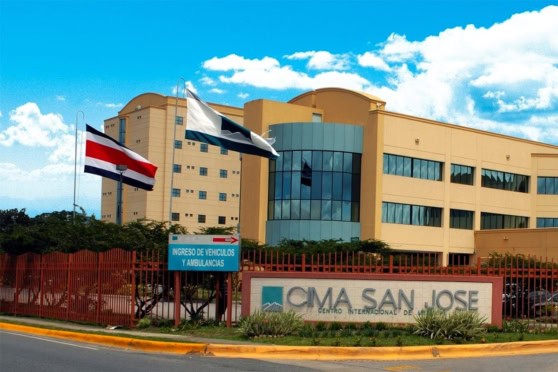
However, most international citizens stick to three large private hospitals: CIMA Hospital in Escazú, Clínica Biblica in San José, and Clínica Católica in San José-Guadalupe.
In particular, the CIMA Hospital is especially comprehensive and offers a wide variety of specialist care. It’s also the only hospital in Central America that is accredited by the Department of Veterans Affairs.
Maternity Care in Costa Rica
Women who are pregnant in Costa Rica are classified as preferential patients under CAJA. That means virtually no waiting times for specialist appointments.
All of your healthcare needs are met in a timely manner. All babies born in the country are automatically covered by CAJA for 1 year, including routine and emergency appointments, diagnostic tests, and other expenses.
Some expats prefer to see a private physician when they’re expecting. They feel it gives them more flexibility over when appointments take place and who they’ll see. The CAJA system is less flexible – appointments are often ‘take it or leave it’ in nature.
Traveling with your baby within the first three months of their life will require a letter of permission known as a permiso de salida from your doctor. This certifies that the child is in good health and able to travel without risk.
Understanding EBAIS and Public Health
Since 1995, the Social Security Fund has operated the Equipos Básicos de Atención Integral en Salud (EBAIS), or Comprehensive Basic Health Care Team program.
The team’s goal is to ensure that all citizens have access to medical care, especially those living in rural areas. EBAIS members work in teams of five, which include one doctor. They travel and make house calls.
The team visits residents to give vaccinations, provide basic medical care, and dispense medication. They also address public health issues, including standing water that attracts breeding mosquitoes, substandard housing, and teenage pregnancy. Even pets are cared for and brought up to date on their vaccinations!
You can find official U.S. health and travel advice for Costa Rica, including recommended vaccinations, mosquito-borne disease precautions, and tips for staying healthy abroad, on the CDC’s Travelers’ Health site.
Find the Best International Medical Insurance
- Compare multiple quotes from top insurers
- Get expert advice at no additional cost
- Find the right plan for your needs and budget
Healthcare in Costa Rica FAQs
-
Yes, but it depends where you are in the country. Many private hospitals and clinics, especially in San José and other popular expat areas, have doctors who speak English. This is one reason many expats choose private healthcare. If you live in a smaller town or rural area, English-speaking doctors may be harder to find, so it is worth checking before you make an appointment.
-
In most cases, yes. Bring your medication in its original packaging along with a copy of your prescription or a letter from your doctor to avoid any difficulties at airports. Some medicines may have different brand names or may not be available in Costa Rica, so bring enough to cover your first few weeks while you find a local healthcare provider.
-
Yes. Many private healthcare providers now offer virtual appointments for routine illnesses, follow-up visits, and prescription renewals. Telemedicine can save time and make it easier to speak with a doctor, especially if you live outside a major city or cannot travel to a clinic with English-speaking professionals. Some international health insurance plans also include access to virtual healthcare services.
-
Yes. Tourists can visit private hospitals and clinics without insurance, but they must pay out of pocket at the time of service. This can be expensive, depending on treatment needs, so taking out private travel insurance is advised. Most private facilities accept credit cards, though some smaller clinics may require cash.
-
No. Medicare generally does not cover medical care outside the United States, including in Costa Rica. Retirees relying on Medicare typically need a separate international health plan or travel insurance to cover care while living in or traveling to Costa Rica to avoid unexpected medical costs.
-
Not directly. US prescriptions aren’t valid in Costa Rica, so you’ll need a local doctor to write a new prescription, even for the same medication. Bring information on your US prescription with you to the local doctor. Be aware that many common medications are available over the counter at Costa Rican pharmacies without a prescription at all, which is different from US rules.
-
Yes. Costa Rica is a popular retirement destination for US retirees because it offers high-quality healthcare at a lower cost than many countries. Many retirees use the public healthcare system for routine care and private hospitals for faster access to specialists. Choosing the right health insurance can help manage the cost of ongoing treatment and prescription medications.