

International Health Insurance
Gain valuable insights and practical tips for navigating international health insurance while living abroad. From coverage details to expert advice, this comprehensive guide helps travelers…

International medical cover for expats and their families.
Medical and trip cancellation coverage for international travel.
Life insurance for globally mobile individuals living or working abroad.
Comprehensive international medical coverage for groups.
Medical, accident, and liability protection for global travel.
Financial protection for employees worldwide.
Most Popular Country Guides
Healthcare, insurance, and living insights to plan life and travel in each destination.
Healthcare, safety, and practical guidance for living abroad.
Tips and guidance for safer, smarter international travel.
Resources for global mobility, HR, and international teams.
Learn all about the Chinese Healthcare System including what public and private healthcare options are available for foreigners.

China is one of the world’s most popular tourist destinations, and expatriates in China are also showing up in sizable numbers. An estimated 600,000+ expats call China their home away from home.
Here’s what expats in China need to know about the Chinese health care system, wellness, and medical care.
Foreigners decide to live in China for various reasons, such as new business opportunities, cultural experiences, or sometimes simply for a life change. If you are or will be part of the group of expatriates living in China, regardless of the reason, it is essential to have a solid understanding of the Chinese healthcare system in case you need to utilize it in the future.

Medical care is available through various channels in China, including private and public hospitals, private clinics, and international hospitals. Considering the country’s size and population, it is understandable that the quality and cost of healthcare can vary significantly throughout the country.
Therefore, expatriates and visitors should conduct their research on local facilities and providers before arriving in the country. A quality health plan will help you find the top doctors and hospitals in the region where you will be living.
China has pursued major healthcare reforms since the mid-2000s. One of the most significant steps was the launch of the New Rural Cooperative Medical Care System (NRCMCS) in 2005, designed to make basic healthcare more accessible and affordable for rural residents. Through this program, roughly 800 million people in rural areas gained access to subsidized, tiered medical coverage. The government covered a substantial portion of regular medical expenses, and similar insurance expansions took place in urban areas.
These reforms dramatically increased national enrollment. By 2011, more than 95 percent of China’s population had basic health insurance. Coverage rates have remained high in the years since, although out-of-pocket costs continue to vary depending on the location of patients and the type of care they require.
Significant differences in quality also remain across the country. Major cities, such as Beijing and Shanghai, offer advanced medical facilities with technology and specialist care comparable to that found in high-income countries. In contrast, many rural and interior regions continue to face challenges due to limited medical resources and a shortage of trained providers, which can impact both access and outcomes.
Throughout China, public health care is increasingly expensive but remains inconsistent in terms of quality. You can find public hospitals in all major cities that offer medical services. In rural areas, however, residents may have to wait hours or even days to reach the nearest hospital or clinic. The country’s public healthcare system is largely considered substandard, although treatment varies widely from one facility to another.
You may find that many public hospitals located in bigger Chinese cities have international wings that offer medical care on par with Western standards. These international wings will typically be more efficient and more accessible. This added level of service normally comes at a cost, so a quality international health plan is recommended.
For those seeking a higher standard of care, private medical facilities offer specialized treatment to expatriates and foreigners. Again, these private facilities typically will charge at least twice what you will be charged at a public facility. With that said, the quality of care and level of service provide a degree of comfort knowing that you will have immediate access to the best doctors available.
If you’re based in Beijing or Shanghai, you’ll have access to some of the finest hospitals and treatment centers in the world. These centers offer numerous comforts, along with state-of-the-art diagnostic equipment and a multilingual staff. However, it’s important to note that these are private facilities. These exceptional standards usually aren’t found at state-run centers.
In rural areas, healthcare options may be inconsistent, and services may be limited. If your new life involves relocating to a remote location or frequently visiting one to participate in activities like hiking, ensure that your health provider includes coverage for air ambulance transfers, allowing you to be treated in a major city during an emergency.
Traditional medicine is a significant component of healthcare in China. It’s especially prominent in rural areas, where sometimes the only health care provider is a traditional medicine practitioner. However, it is also common in large cities. And it’s not that unusual to see both conventional practitioners and certified physicians consulted on the same cases.
However, it’s rare for one individual to be equally qualified and competent in both fields. Ask your insurance provider for detailed information on what traditional practices are included in your coverage, such as acupuncture and acupressure, and what you should know about consulting these practitioners.
Expats should note that in China, it’s common to provide patients with a copy of their medical records, including charts, test results, and X-rays. This isn’t just for you to have your own records for your doctor at home! It’s also so you can bring them with you the next time you need to see a doctor in China. Files are not forwarded to other practitioners or maintained on a central database for sharing, unlike in different countries.

There are several options for expatriate health insurance in China. Expatriates can have worldwide coverage, including or excluding the USA, while living in China. These plans provide coverage of up to $5,000,000 or more, including hospitalization and outpatient care, prescription medication, mental health services, and coverage for pre-existing conditions.



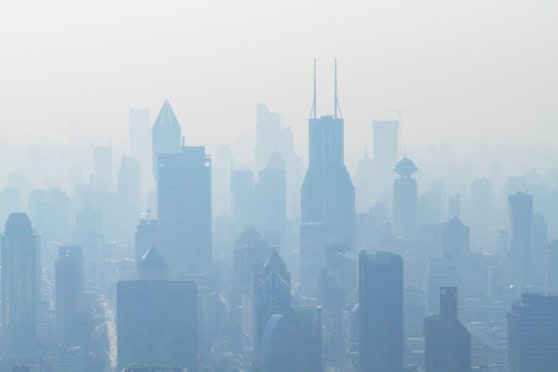
Air pollution is a well-known concern in many major Chinese cities, but new arrivals often discover that disposable white surgical masks are far less common than expected. These masks can help reduce the spread of colds, yet they offer very little protection against pollution particles.
If you have asthma, allergies, or other respiratory conditions, consult your doctor before traveling to ensure you are prepared. Many experienced expats also recommend investing in a high-quality air purification system for both your home and workplace to help safeguard your health.
Many people in China, especially those working in the healthcare system, speak English. And those who are not fluent often know several phrases to get the conversation rolling. However, it is well worth the effort to learn Mandarin, or at least to grasp some basic vocabulary.
Phrases like, I feel really sick and urgently need a doctor, please get in touch with my embassy right away, or I have a history of high blood pressure, are invaluable in an emergency.
One expatriate living in China, Ryan McMunn, asserts that learning Mandarin is much easier than it’s made out to be. He adds:
If you are successful, it will add more than you can ever imagine to both your business and personal life in China.
Ryan McMunn, Expatriate in China
Warnings about the challenges of driving are common among expats, but in China, these cautions are not exaggerated. Anyone considering driving should think carefully about whether they are prepared for the experience. Writer Richard Fowler once described it this way:
On the roads here, it’s every man for himself, and whatever you do, you should never show consideration and never give way to any other driver. It shows weakness. Any outsider wanting to drive in such an atmosphere of anarchy would surely need their head examined. I am that man. I went out on the roads no more than seven or eight times. These proved to be terrifying experiences.
Richard Fowler, Expatriate in China
Pedestrians also face their own hazards. “Run for your life” is a common crosswalk strategy, and even the sidewalks can be unpredictable. In some areas, unexpected holes or uneven surfaces can lead to serious falls or injuries.
Relocating to China can be a very challenging experience, and not without some days of abject frustration. But it’s also an incredibly rewarding destination, one that most expats fall in love with and never want to leave.