
Moving to Brazil
A Guide to Visas, Safety, and Life in Brazil
Brazil is a lively country famous for its fun-loving people and vibrant nightlife, but expats will be happy to discover a gentler side to this South American treasure. Moving to Brazil is an excellent option for digital nomads and other foreigners seeking adventure without spending a fortune. This is largely thanks to Brazil’s low cost of living, which is about 50% lower than in the United States. The country also boasts a rapidly growing job market, high education standards, affordable housing, and mouthwatering cuisine.
If you’re considering moving, we’ve created the ultimate resource to help you prepare. We’ll explore how to apply for a Brazilian visa, find job opportunities, rent or buy property, understand Brazilian culture, and share practical tips to help make your move to this tropical paradise as smooth as possible.

Planning Your Move to Brazil? Start Here
From healthcare access to visa requirements, preparation matters. See which insurance plans best fit your move abroad.
Legal Requirements for Moving to Brazil
All foreigners who plan to stay in Brazil for more than 90 days must apply for a visa to enter the country. Below is an overview of Brazil’s visa programs and the documentation you’ll need to submit with your application.
Health Insurance Requirements for Brazil
Many countries require foreigners to show proof of health insurance in Brazil. However, Brazil does not ask visa applicants to do this unless they are applying for a retirement visa.
That said, even if you’re not applying for a retirement visa, having health coverage while living in Brazil is still a good idea. An international plan can give you better access to English-speaking doctors and medical facilities with shorter wait times.
You can learn more about Brazil’s healthcare system and how to get coverage further down this article.
Visa Requirements by Type
In Brazil, all visas – even temporary ones – require applicants to have a clean criminal record.
Moreover, all residents of Brazil, including Brazilian citizens and foreign nationals, must have a CPF (an 11-digit identification number) for tax purposes if they wish to do business or own property in the country.
You can apply for a CPF before you move or visit the local consulate or embassy to request one upon arrival.
The Brazilian government offers several types of visas, including:
Entry Visas
Most foreign visitors need an entry visa, also known as a tourist visa, before traveling to Brazil. These visas are designed for short visits and cannot be used for long-term stays.
However, citizens of the U.S., Europe, and Canada are exempt from this requirement and can enter Brazil without an entry visa.
Entry visas are valid for 90 days. If you plan to stay in Brazil for more than 90 days, you will need to apply for one of the country’s long-stay visas.
When applying for an entry visa, make sure you have a valid passport, a certificate of immunization, proof of payment for the application fee, and the completed visa application form.
Work Visas
Work visas are a type of long-stay visa. You can only apply for one through a Brazilian employer, so you’ll need a job offer before you move.
You must submit a copy of your employment contract or job offer when applying for a Brazilian work visa. The visa is valid for two years but can be renewed.
However, you cannot change jobs while on the same visa. Therefore, if you decide to switch employers, you must reapply, even if your current work visa is still valid.
Family Visas
Do you have family members in Brazil? If so, you may be eligible to apply for a family visa.
To apply for this long-stay visa, you’ll need to provide documentation proving that you have a Brazilian-national spouse or child. Accepted documents include birth certificates, valid government IDs, and marriage certificates.

Family visa applicants must also provide proof of income, with a minimum monthly income of $1,500. This visa is valid for one year and can be renewed or used as a pathway to permanent residency.
Retirement Visas
Foreigners aged 50 or older who wish to retire in Brazil can apply for a retirement visa.
When applying, you’ll need to provide proof of health insurance and proof of income. The minimum income requirement is $2,000 per month.
Retirement visas are valid for two years, after which you can either apply for renewal or permanent residency.
Study Visas
If you want to take advantage of Brazil’s world-class education system, you can apply for a student visa once you’ve been accepted into a Brazilian university.
You’ll need to show proof of enrollment, your highest educational degree, and sufficient funds to cover your living expenses while in the country.
Additionally, you’ll need to undergo a medical exam to confirm you’re healthy enough to travel and a criminal background check to demonstrate good character.
Keep in mind that Brazil’s study visas do not allow students to work while living in the country.
Digital Nomad Visas
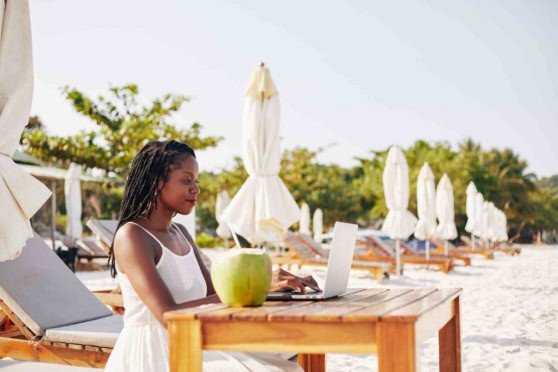
If you already have a remote job, you can apply for a one-year digital nomad visa to live and work in Brazil.

Applicants must provide proof of employment and demonstrate a monthly income of at least $1,500 or a bank account balance of at least $18,000.
Becoming a Permanent Resident of Brazil
To be eligible for Brazilian permanent residency (VIPER), you must be:
- Married to a Brazilian national or have a child with one
- Retired
- A high-level scientist or researcher
Invest at least $150,000 in real estate
Here’s how to apply for a permanent visa and become a permanent resident of Brazil:
- Apply for the appropriate long-stay visa (work, family, retirement, study, or digital nomad).
- Then, apply for a temporary residency visa six months before your visa expires.
- Finally, apply for a permanent residence visa (also known as an indeterminate residence visa) six months before your temporary residency visa expires.
The permanent residence permit is valid for nine years.
Becoming a Citizen of Brazil
Adult residents must meet certain requirements to become Brazilian citizens. First, you must have lived in Brazil for at least four years as a legal resident. If you have a Brazilian spouse or child, this period can be reduced to just one year.
You must also show that you can speak Portuguese well, usually by passing a language test. A clean criminal record is essential; you shouldn’t have serious convictions in Brazil or any other country.
While it’s not always required, it also helps demonstrate that you can support yourself financially, which may involve providing proof of employment or savings.
The application process includes filling out forms, paying fees, and submitting documents proving your residency, language proficiency, and a clean criminal record to the Federal Police or a Brazilian consulate if you are applying from another country.
Notably, Brazil allows dual citizenship, so depending on your home country’s rules, you might not have to give up your original citizenship.
Safety in Brazil
It’s important to be aware of the following crime and environmental safety concerns when living in Brazil:
Crime
Brazil has a higher-than-average crime rate compared to many countries. According to September 2024 crime data from Numbeo, the United States ranks 59th worldwide in crime levels, and Canada ranks 77th.
However, the good news is that you can enjoy a safe and happy life in Brazil by avoiding areas with higher crime rates. You can discover the ‘Safest Places to Live in Brazil’ further down this article.
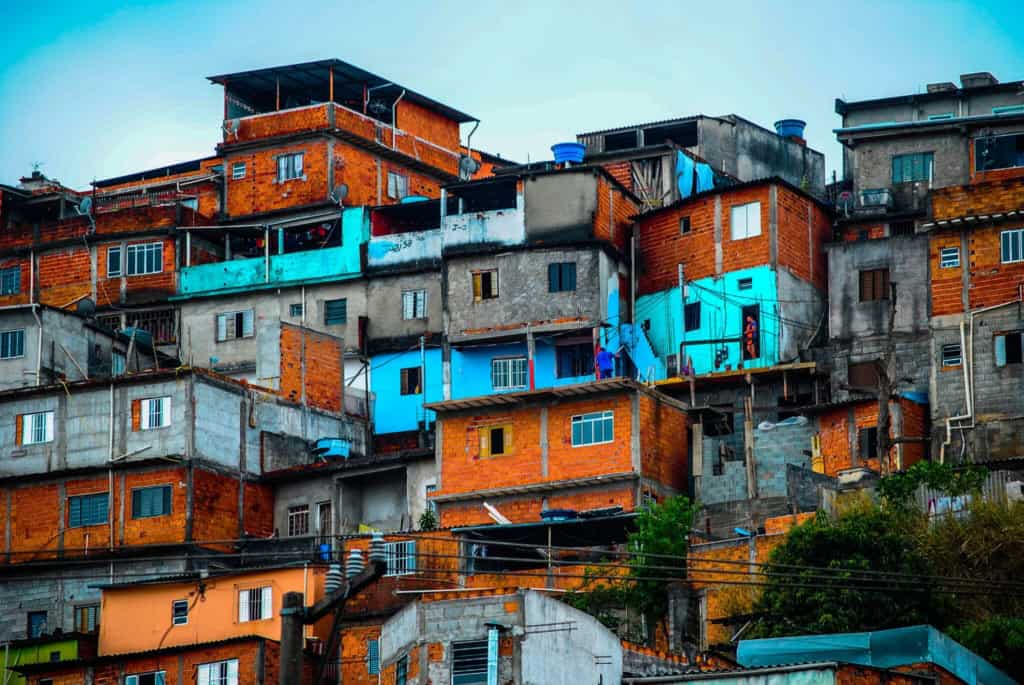
Generally, it’s best to avoid cities close to borders with other countries. Violent crime often occurs in informal housing developments known as favelas, villas, conglomerates, or Comunidades.
When walking at night or in tourist areas, keep your money secured in a hidden pouch to reduce the risk of pickpocketing. For added safety, use taxis whenever possible after dark.
In 2023, the U.S. State Department issued a travel alert due to widespread reports of beverage drugging in Brazil.
With this in mind, always watch your drinks and never leave them unattended. Don’t go to bars alone or accept food or drinks from strangers.
Safety for the LGBTQ+ Community
Brazil is known for its strong support of LGBTQ+ rights, making it one of the most progressive countries in the world.
The country has legalized gay marriage and same-sex adoption, and there are laws to protect workers from discrimination based on gender and sexual orientation.
Brazil also has a long history of LGBTQ+ activism, which has helped change the laws. Pride parades in cities like São Paulo attract millions of people and are among the largest in the world, celebrating the vibrant LGBTQ+ community.
Meanwhile, Brazil has laws against hate crimes that aim to protect the LGBTQ+ community from violence and discrimination.
The government also provides community healthcare services, including mental health support and HIV prevention programs.
However, even with these legal protections, many LGBTQ+ people in Brazil still face challenges like violence and discrimination.
While many Brazilians support LGBTQ+ rights, views can be different, especially in rural areas where some people have more traditional beliefs. Overall, Brazil’s approach to LGBTQ+ rights shows both progress and ongoing challenges.
Health Risks
It’s important to be aware that mosquito-borne diseases like dengue fever, Zika virus, and chikungunya are present in Brazil.
Dengue can cause severe flu-like symptoms, while Zika is especially concerning for pregnant women. Chikungunya may lead to debilitating joint pain.
To protect yourself, talk to your doctor about vaccine requirements, including yellow fever, before you travel.
Use mosquito repellent containing DEET, picaridin, or oil of lemon eucalyptus, especially in the early morning and late afternoon, when mosquitoes are most active. Wearing long sleeves and pants can also help reduce bites.
You should also choose accommodations with air conditioning or screens on windows and doors to limit exposure and eliminate any standing water around your living space to prevent mosquito breeding.
Taking these precautions can reduce your risk of contracting mosquito-borne illnesses while enjoying your time in Brazil.
Natural Disasters
While natural disasters like floods and landslides are uncommon in Brazil, they can occur during the rainy season, from January to July.
Heavy rainfall during this time can lead to swollen rivers and saturated soil, increasing the risk of flooding and landslides, particularly in hilly areas.
Pay attention to weather alerts and warnings from local authorities. These alerts can provide critical information about potential risks in your area.
Additionally, make sure you have an emergency plan in place in case you need to evacuate. This plan should include a designated meeting place for your family, an emergency kit with essential supplies (such as food, water, and first aid), and a communication strategy to stay in touch during a crisis.
Traffic Safety
Traffic safety is essential in Brazil due to the high accident rates. Whether you’re walking, biking, or driving, always be careful.
If you’re walking, use crosswalks and wait for traffic lights. Be cautious at intersections and make eye contact with drivers before crossing.
When biking, wear a helmet and use bike lanes if available. If there are no bike lanes, ride on the road and signal your turns. Also, watch out for opening car doors.
If you plan to drive, learn the local traffic laws and road signs. Driving styles can be aggressive, so stay focused and avoid distractions. Always carry your driver’s license and insurance.
Finally, be especially careful at night, as visibility is lower. Navigation apps can also help you avoid traffic and plan your route safely.

Where to Live in Brazil
Brazil is a vast country, which can make it difficult to find the best places to live as an expat. To help you explore your options, we’ve compiled a list of the best and safest cities for foreigners.
This takes into account important factors such as the cost of living, job opportunities, healthcare, entertainment, and more.
The Best Places to Live in Brazil
You can find hidden gems all over Brazil, but these cities promise the best quality of life for foreigners.
São Paolo
As Brazil’s bustling economic center, São Paulo offers excellent job opportunities for young professionals. This lively cultural melting pot is the largest city in the country and is perfect for families and those seeking excitement and entertainment.
There are more museums, theaters, and cultural festivals in São Paulo than anywhere else in Brazil. However, it is also one of the country’s most expensive cities, meaning you’ll pay higher prices than in smaller urban centers.
The friendly locals and high-quality healthcare are added benefits. While most residents rely on cars and public transport to get around, there are plenty of parks and green spaces where you can take a stroll and enjoy outdoor activities with friends.
Rio De Janeiro
Rio de Janeiro’s breathtaking beaches, Carnaval celebrations, and iconic Christ the Redeemer statue attract millions of visitors each year. But it’s also an excellent destination for expats.
One of the city’s greatest advantages is its walkability, and there are more than 450 km of bicycle lanes. When you need an escape to nature, you can enjoy hiking at the nearby Tijuca National Park or relax at the famous Copacabana and Ipanema beaches. The weather is beautiful year-round.
Rio is home to several multinational companies, making it a great choice for foreigners working in the pharmaceutical, communications, textile, and oil industries.
While the cost of living here is slightly lower than in São Paulo, house prices rise the closer you are to the beach, which is something to be aware of if you dream of living by the sea.
Porto Alegre
Porto Alegre is best known for its unique “gaúcho” (cowboy) culture, rooted in the city’s historic ties to agriculture and the leather industry.
As a smaller urban center, there are fewer English speakers in Porto Alegre, so it’s a good idea to learn some basic Portuguese before you arrive.
However, there are many advantages to living in this charming Brazilian city, including affordable grocery and housing costs, low traffic, and access to the stunning shoreline of the Guaíba River.
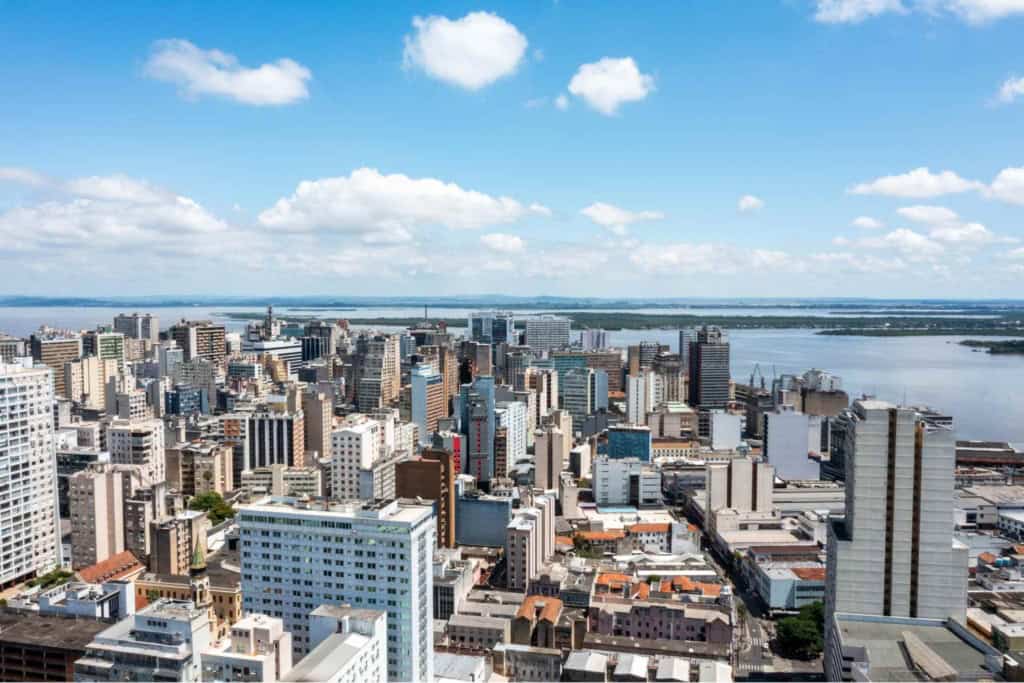
Porto Alegre is also one of the best cities in Brazil for expats with families, thanks to its good infrastructure, top-notch healthcare system, and excellent shopping options.
It’s also home to the Pan-American School of Porto Alegre, which is often ranked among the best international schools in the country.
Recife
Known as the “Venice of Brazil,” Recife is a coastal city that attracts numerous expats, students, and young professionals. It has all the charm and cultural offerings of larger cities like São Paulo and Rio de Janeiro, but at a lower price.
The city boasts colorful festivals, vibrant nightlife, and a diverse cultural scene. Four universities, three stadiums, and a major symphony orchestra ensure there is always something to see or do. Outdoorsy expats can enjoy the many beautiful beaches and parks around the city.
Recife has a solid healthcare system and reliable public transportation. However, be mindful that higher-crime neighborhoods are often just around the corner from the city’s safest areas, so it’s best to use a car or a taxi and avoid walking at night.
The Safest Places in Brazil to Live
Below is our list of the safest cities to live in Brazil. These locations were selected based on crime and safety data from Numbeo and their overall appeal to expats.
Remember that crime is more common in Brazil than in most countries. Therefore, even in these cities, expats and tourists should exercise caution and always be aware of their surroundings.
Florianopolis
Located on an island off Brazil’s southern coast, Florianopolis is the country’s safest city. Its beautiful beaches and laid-back lifestyle have made it a paradise for outdoor enthusiasts.
Hiking and watersports are especially popular with residents. Stunning colonial architecture and delicious, fresh seafood only add to the city’s appeal.
Florianopolis is one of the more affordable cities in Brazil, with most one-bedroom apartments costing less than $500 per month.
The local medical system is also robust, and there are plenty of job opportunities in the tech and hospitality industries.
Brasilia
Brasilia is the nation’s capital and one of its safest cities. It is also a hub of modernist architecture, thanks to the famous Brazilian architect Oscar Niemeyer, who was responsible for much of the city’s innovative design.
The city is walkable and rich with green spaces, making it popular among families and nature lovers. However, because of its large size, living here means you’ll need a car or rely on public transportation. Despite this, Brasilia’s traffic and pollution levels remain incredibly low.
Brasilia is slightly more affordable than Florianopolis, with most one-bedroom apartments costing around $400 per month.
While the city is known for civil service jobs, foreigners can often find work in banking, finance, and communications.
Curitiba
Curitiba is Brazil’s greenest city and the third-safest, after Florianópolis and Brasília. It’s home to the magnificent Botanical Garden of Curitiba.
Here, the summers are warm, the winters are cool, and lush parks and gardens can be found around every corner.
Great public transportation, excellent air quality, and minimal traffic make it a dream destination for expats.
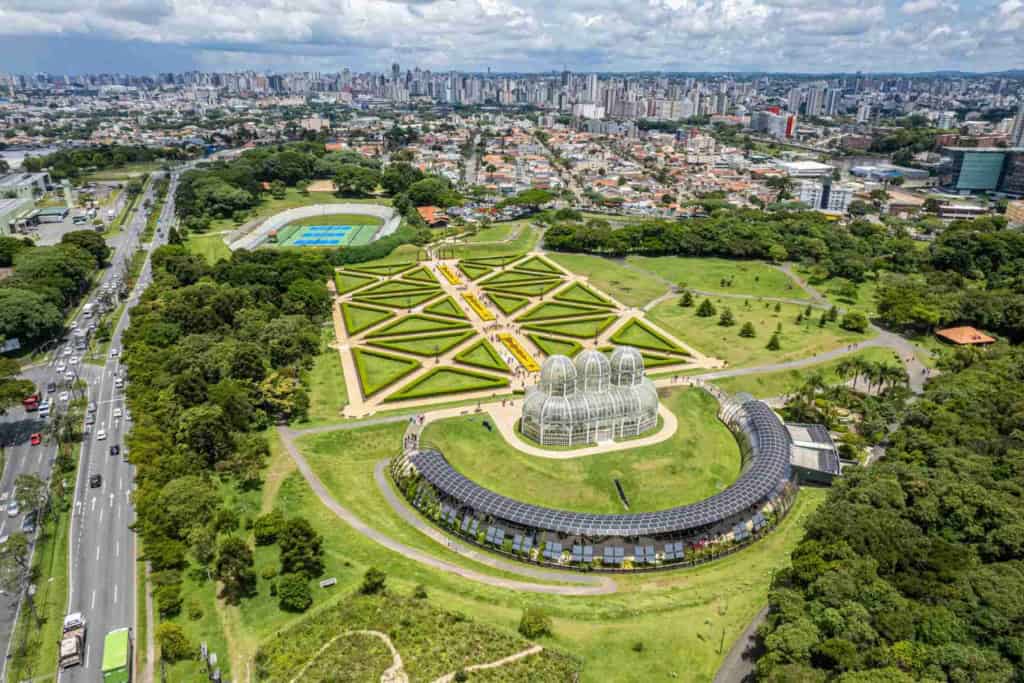
Families with children will also be delighted to find numerous international schools in Curitiba, along with one of the best medical systems in the country.
Campinas
If you’re a digital nomad or work in the tech industry, you’ll find many job and educational opportunities in Campinas. In fact, the city is known as the tech center of Latin America.
Many startups and multinational companies are based in Campinas, which offers tax incentives to investors and entrepreneurs. The city has excellent hospitals and doctors, low traffic, and pleasant year-round weather.
The universities and student life in Campinas give the city a youthful vibe. Its heritage as one of Brazil’s major coffee-growing regions is evident in its cafe culture, and after dark it becomes a lively place for nightlife, dining, and bar hopping.
The Cost of Living in Brazil
Brazil’s cost of living is generally about half that of the United States. On average, rent is also about 80% cheaper in Brazil than in the United States.
For $50, two people can go to the movies and enjoy a three-course meal with a bottle of wine at a mid-priced restaurant. However, in the U.S., you’d need almost double that amount for the same experience.
Finding a Place to Live in Brazil
Most real estate in Brazil consists of townhouses and apartments. The rental market can vary greatly between rural areas and major cities, so it’s essential to understand the differences when looking for a place to live.
Rental Prices
Rental prices in Brazil can vary widely based on location, size, and amenities. In rural areas, a one-bedroom apartment can cost around $250, while a three-bedroom apartment in a city center can cost up to $800.
It’s important to keep in mind that prices may fluctuate based on demand, the neighborhood’s safety, and proximity to public transport, schools, and amenities.
Where to Find Rentals
Several online platforms can help you find available rentals in Brazil. Some of the more popular websites include:
- Properstar: This site offers listings for properties across Brazil, making it easier to compare prices and find what suits your needs.
- Fazwaz: The platform has a variety of listings, including apartments, townhouses, and luxury homes.
- OLX Brazil: A popular classified ads site where you can find rentals, used goods, and services.
- QuintoAndar: This platform specializes in rentals and simplifies the process by allowing virtual tours and online contract signing.
- Zap Imóveis: One of Brazil’s largest real estate platforms, offering a wide range of listings for apartments and houses to rent.
- VivaReal: This site provides detailed listings and neighborhood information to help you make informed decisions.
Renting from Private Owners
Your best option is often to rent from a private owner rather than a property managed by a management company.
Private landlords tend to be more flexible with lease terms, deposits, and co-signers, which can make the renting process smoother.
When renting from private owners, it’s wise to communicate directly with them to discuss any specific needs or concerns.
Additional Rental Tips
When looking for a place to live in Brazil, make sure you visit the surrounding area and the property before signing a lease. This way, you can see the neighborhood and check if the apartment is what you want.
Think about how far you will need to travel for work or school, how close public transportation is, and if there are grocery stores, schools, or parks nearby.
It’s also important to know the rental laws in Brazil, including your rights and responsibilities as a tenant. By researching your options and considering these factors, you can find a comfortable and affordable home that meets your needs.
Finding a Job in Brazil
Brazilian business culture values personal relationships and face-to-face interactions. So when applying for a job, you should appear friendly and relaxed rather than overly formal.
Be sure to tailor your CV to meet the expectations of your industry and the local job market. For instance, Brazilian CVs typically include more personal details than those of some other countries.
These may include your full name, date of birth, marital status, and even your CPF number. However, be cautious about sharing sensitive information. Notably, it’s also common to include a professional photo on your CV in Brazil.
If you have experience or achievements related to Brazilian culture or the local market, make sure to highlight these, as employers often look for candidates who understand the local context.
Similarly, if you speak Portuguese or any other language, include this information, as language skills can be an important asset in the Brazilian job market.
How to Find Work in Brazil
Expats who move to Brazil will find plenty of job opportunities, particularly in the technology and service industries.
The country’s economy is growing, and many companies are eager to hire skilled professionals from overseas.

In addition to tech roles, there are also openings in sectors such as finance, healthcare, tourism, and education.
Cities like São Paulo, Rio de Janeiro, and Brasilia are major hubs for job seekers, offering a range of positions in multinational companies and startups.
Below are the top three job-posting sites to help you find work in Brazil:
- Empregos: This is one of the largest job portals in Brazil, featuring a wide variety of job listings across industries. You can search by location, job title, and more. The site also offers helpful resources, such as career advice and resume tips.
- Catho: This popular job search platform allows you to browse thousands of job postings. You can upload your CV, set up alerts for new job listings, and take advantage of their premium services for additional career support, including resume writing assistance and interview preparation.
- Vagas: The site connects job seekers with companies in Brazil. You can search for jobs and create a profile to receive personalized job recommendations based on your skills and interests.
Of course, global platforms like LinkedIn, Glassdoor, and Indeed are widely used in Brazil and offer a range of job listings, company reviews, and networking opportunities.
Joining local expat groups on social media platforms like Facebook or Meetup can also help with networking and learning about job opportunities. Many expats share job leads and offer support to newcomers in these groups.
Banking and Finances in Brazil
Upon arriving in Brazil, you’ll want to open a local bank account and get your finances in order. Here’s what you need to know to get started.
Currency
Brazil’s national currency is the Brazilian Real (BRL). As of September 2024, 1 BRL is worth around 18 cents U.S.
Banking
To open a bank account in Brazil, you’ll need to provide proof of a valid residence permit (temporary or permanent) that’s been held for at least 1 year.
In addition, you’ll need the following documents:
- Visa
- Photo ID
- Tax ID number (CPF)
- Proof of address
- Proof of income
You can also open an account with an international bank. For more details, check out our tips for choosing a new bank while living abroad.
Taxes
Brazil’s tax system is relatively simple. The country charges a flat 25% tax with no deductions for residents.
However, some foreign tax relief may be available, as Brazil has agreements with certain countries to provide this benefit for their nationals. Therefore, it’s a good idea to check with your home country to see if you can apply.
Understanding and complying with local tax regulations can help you avoid fines and penalties. You might also want to consider hiring an international tax accountant to help you file your taxes, ensure compliance, and take advantage of any tax incentives available for expats.
Education in Brazil
Brazil has several excellent universities and international schools. According to U.S. News & World Report, the top three universities in Brazil are:
- Universidade de São Paulo
- Universidade Estadual de Campinas
- Universidade Federal do Rio Grande do Sul
While Brazil’s public grade school system is free, it is often underfunded and characterized by large class sizes.
In some public schools, resources have been stretched so thin that they have divided their classes into half-day sessions. As a result, students spend 50% less time learning than they would if they were in school full-time.
Private schools in Brazil are generally more affordable than international schools and tend to offer a higher-quality education than public institutions.
If your budget allows, consider enrolling your child in one of the country’s international schools. Some of the best are located in São Paulo and Rio de Janeiro.
These schools offer instruction in languages such as French, Portuguese, German, and English, with monthly fees reaching up to $2,000 and an initial enrollment “donation” of around $15,000.
Brazilian Culture and Language
Brazilian Portuguese is the official language of Brazil and is spoken by 98% of the population. Only about 5% of Brazilian citizens are fluent in English, which is not widely taught in schools.
Therefore, learning conversational Portuguese is highly recommended for anyone planning to live in Brazil.
In Brazil, there is a clear inequality between the rich and poor, and these social class distinctions are still very much present and strictly observed by locals.
Brazil is very ethnically diverse due to Portugal’s colonization and involvement in the African slave trade. Japanese, German, and Spanish immigration and colonization have also influenced Brazilian culture.
Music and festivals are integral to Brazilian culture, with genres like bossa nova and samba taking center stage, particularly during the widely celebrated Carnaval.
The population is predominantly Roman Catholic (about 65%), with 23% identifying with other Christian faiths.

In social settings, it’s common to be “fashionably late” in Brazil. Arriving 15 to 30 minutes after the scheduled time is typical, so don’t be surprised or take offense when native Brazilians show up late.
Brazilians are known for their warmth, hospitality, and strong family values. Food plays a central role in social gatherings, and football (soccer) is a source of national pride. In fact, Brazil has won the World Cup multiple times!
This can serve as a great conversation starter, and discussing food, family, and football can help you connect with locals and build friendships based on shared interests and an appreciation of their culture.
Healthcare in Brazil
Brazil’s universal public healthcare system offers free access to healthcare for all citizens, residents, and visitors, regardless of their status.
According to a 2024 Newsweek report, six Brazilian hospitals rank among the best in the world. However, wait times for appointments in public facilities can be long, and access to specialists may be limited. Therefore, it is recommended that expats in Brazil buy a private international health insurance plan.
This is the best way to ensure you have access to private healthcare facilities with shorter wait times and a higher likelihood of finding English-speaking doctors and staff.
With private insurance, you can also avoid unexpected medical bills and have greater peace of mind when accessing necessary healthcare services.
There are several great plans to choose from, including:
Notably, U.S. citizens planning on moving to Brazil can also apply for the following plan:
Check out our comprehensive article on health insurance for foreigners in Brazil to find the best options for your needs.
Ready to Move to Brazil? Get Covered First
Before you relocate, make sure you have the right health coverage in place. Compare top plans and get expert guidance tailored to your move.
Ready to Embrace Brazilian Life?
As the largest country in Latin America, Brazil is home to some of the most vibrant expat communities in the world.
With lively cities, stunning natural beauty, and a warm, welcoming culture, the country is more than just a place to live – it’s an adventure.
From the energetic beats of Rio’s Carnaval to the calm, beautiful beaches along the coast, there is something for everyone in this diverse and dynamic country.
The expat communities here are filled with people from all walks of life, creating a rich tapestry of connections and friendships.
For those who crave exploration, the Amazon rainforest offers endless discovery. Beach enthusiasts can enjoy miles of surfable coastline, while city lovers will find a thrilling mix of culture and opportunity in hubs like São Paulo and Rio de Janeiro.
So, are you ready to take the leap? Start by researching neighborhoods, brushing up on your Portuguese, and finding the right expat community to make your transition easier. Embrace the journey, and watch as Brazil becomes not just your next destination but your new home.