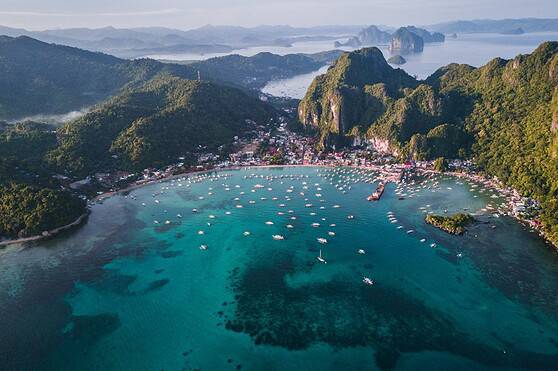
The Best Places to Retire in the Philippines
Discover the best places to retire in the Philippines and compare living costs, lifestyle, safety, and healthcare for expat retirees.

International medical cover for expats and their families.
Medical and trip cancellation coverage for international travel.
Life insurance for globally mobile individuals living or working abroad.
Comprehensive benefits for international teams.
Insights on international relocation and global mobility.
Download our brochures or follow us on socials.
Most Popular Country Guides
Healthcare, insurance, and living insights to plan life and travel in each destination.
Healthcare, safety, and practical guidance for living abroad.
Tips and guidance for safer, smarter international travel.
Resources for global mobility, HR, and international teams.
Popular and recently published guides from our team.
Learn about healthcare in the Philippines, including who is covered under PhilHealth, how HMOs work, and the role of private hospitals.

As an archipelago of over 7,500 picturesque islands, it’s clear to see why expats choose to live in the Philippines. But new arrivals may be surprised to discover that healthcare in the Philippines is generally as good, if not better, than in many Western countries. While regional differences in the level of care are typical, the state health insurance system, known as PhilHealth, offers accessible and affordable healthcare for locals and internationals alike. This article examines the healthcare system in the Philippines, how to access care as an expat, and how much you can expect to pay to stay healthy in your new home.

Find the Best International Medical Insurance
The PhilHealth program was established in 1995 to provide affordable, universal coverage. In 2019, the country reached a significant milestone with the passage of the Universal Health Care (UHC) Law. PhilHealth covers a wide range of medical care, including preventive, curative, and rehabilitative services. Thanks to the UHC Law, medical consultations and diagnostic testing, including lab tests, began to be covered.
PhilHealth counts about 90% of the country’s population as members. Much of the funding for the Philippines’ healthcare comes from “sin taxes” on alcohol and tobacco. The first of these went into effect in 2012; its success resulted in additional such taxes in later years. Many workers and employers also pay premiums that help support PhilHealth.
PhilHealth offers various membership categories that differ based on work status, income, and age. The six major groups are:
Generally, public hospitals and other public facilities in the Philippines provide preventive and primary care. Private facilities offer specialized care in areas such as cardiovascular disease or orthopedics.
Private care in the Philippines typically offers patients an added level of comfort. With fewer people seeking care, it’s often faster to obtain treatment. Plus, private facilities have more up-to-date equipment. However, it is not necessary to visit a private facility to receive treatment from an English-speaking doctor.
If you seek care at a private facility, ensure you have the funds available to pay for your treatment or verify if your international medical insurance provider covers your costs.
Barangay (village) health stations and local health centers meet much of the country’s primary care needs. Public hospitals have sometimes struggled with staffing levels, as care providers can often find better-paying jobs in the private sector or by moving overseas.
Due to staffing issues and the increased demand for care at these facilities, treatment delays are not uncommon at public hospitals. Those who can afford it often turn to private settings.

Image Source: Healthcare Market Research Asia
International citizens who are legal residents in the Philippines are eligible to join PhilHealth. Your membership may fall under the Formal Sector if a local business employs you. However, if you are self-employed or a freelancer, you can join PhilHealth as part of the Informal membership category.
PhilHealth benefits include inpatient and outpatient care, diagnostic testing, prescription drugs, rehabilitation services, and preventive care. Annual premium costs range from less than USD$100 to over $700, depending on your income. To sign up for PhilHealth, visit a local PhilHealth office or check if the online registration system is accepting applications.
The Philippine healthcare system includes private medical facilities and care providers. Many Filipinos join Health Maintenance Organizations (HMOs) via their workplace to help with the costs of private healthcare.
You may wish to consider an HMO or sign up for international health coverage, allowing you to visit private facilities without worrying about paying for everything out of pocket. Remember, visiting a private hospital can be necessary to receive specialty care. Additionally, you may want to avoid wait times.
PhilHealth will not cover short-term visitors such as tourists. As such, they should carry their own travel medical coverage.
In urban areas, you will find both public and private hospitals that meet high standards of care. We have compiled a list of the best international hospitals in the Philippines for expats. You can also visit Joint Commission International, a site that offers accreditation for international hospitals, to see if any facilities near you have their stamp of approval.
You can also turn to local friends, colleagues, and fellow expats for recommendations about which hospitals and clinics to visit in your area. Fortunately, most healthcare providers speak English, so you shouldn’t worry about communication difficulties.
Access to medical care can be limited in remote locations. It may take time to receive emergency treatment, or such care may be entirely unavailable. If you have a medical condition that requires regular care, you may want to consider staying in more urban areas during your visit to the Philippines. If you visit a remote location and start to feel unwell, consider heading to the closest city in case your condition worsens.
Ensure that you plan for how to pay for any medical care you receive. Without health coverage, you may need to pay a substantial bill if you’re treated in a private hospital.
Though the Philippines has high-quality public health facilities and hospitals, many people seek care in private settings. Private facilities not only have the latest equipment and shorter wait times, but they also often specialize in different areas of care.
Someone with diabetes or cancer may only be able to receive necessary care at a private hospital. However, if you get private treatment, you may have high out-of-pocket costs. In addition, drugs are often imported into the Philippines, so some medications are only available at high prices.
HMOs are one way to deal with out-of-pocket healthcare costs in the Philippines. HMOs maintain a network of providers that members can see for care. Many regular employees in the Philippines can enroll in an HMO through their employer’s benefits package.
If you don’t want to be limited to an HMO network, you can also sign up for private health insurance in the Philippines, which will allow you to visit private healthcare facilities without facing high costs.
Catholic leaders (the Philippines is a majority-Catholic country) previously challenged the legality of female hormonal contraceptives, but today this kind of contraception is available in the Philippines. Birth control options now include long-acting reversible contraceptives such as subdermal implants and IUDs, as well as oral contraceptive pills and contraceptive hormonal injections.
Emergency contraception is not available in the Philippines, and abortion is illegal in the country. There are no exceptions for pregnancies that are the result of rape or incest. Termination of pregnancies that endanger the life of the pregnant person is of questionable legality and, in general, is not accessible.
Treatment for mental health issues is relatively easy to obtain in Philippine cities. Hospitals offer mental health services, and individuals can also consult with private psychiatrists and clinics. Unfortunately, this type of care is not available in rural areas.
A violent war on drugs in the Philippines has resulted in the deaths of thousands of drug users. But drug use has continued, while efforts to rehabilitate addicts have been underfunded and disorganized.
The lack of benefits and low wages in public facilities has long led doctors and nurses to leave the Philippines for work overseas. The “brain drain” of healthcare workers is a significant issue for the Philippine healthcare system.
In 2019, the country had approximately one doctor or nurse for every 20,000 residents, which is considered inadequate for the population’s needs. The UHC Law aims to transition Philippine healthcare workers from contractual positions to regular staff members in the public sector, thereby incentivizing more healthcare workers to remain in the country.
The country is taking steps to send healthcare workers to areas that need more providers. One was to award scholarships to doctors from different municipalities. These doctors would then spend at least four years working in their home regions.
In 2018, the World Health Organization published The Philippines Health System Review, which noted that available beds in Philippine hospitals were very low: 23 beds per 10,000 individuals in the National Capital Region; outside the capital region, there were fewer than ten beds per 10,000 individuals. Both large and small hospitals are working to improve their facilities.
Today, the Philippine healthcare system can turn to its Drug Price Reference Index (DPRI) for pricing information. Drug prices may be higher than those in the index, as preparation and storage fees can be added to the final cost; however, the reference helps guard against unnecessarily high drug prices. Another cost-saving measure is a mandate that public facilities prescribe generic drugs when possible.
Find the Best International Travel Insurance
Yes. Many retirees choose the Philippines because private healthcare is affordable and widely available in larger cities. Major hospitals offer modern facilities and English-speaking medical staff. However, retirees living in rural or remote areas may need to travel for specialized care or complex medical treatment.
The country’s best hospitals are generally located in Metro Manila, Cebu, and Davao. These cities have more specialists, advanced medical equipment, and private hospitals that serve both local residents and international patients. Smaller cities and remote islands may have fewer healthcare services, which is something to consider should you need more specialized care.
Yes. Pharmacies are easy to find in cities and larger towns, and many common medications are readily available. Some prescription medicines require a doctor’s prescription, while others may be available over the counter. If you take regular medication, bring enough with you until you can see a local doctor.
Many private hospitals accept international health insurance, but the process varies by provider and hospital. Some insurers offer direct billing, while others require you to pay first and submit a claim for reimbursement. Check with both your insurer and the hospital before receiving treatment whenever possible
Yes. Most private hospitals will treat foreign patients, but they usually expect payment at the time of service if you do not have insurance or a direct billing arrangement. Serious medical treatment can become expensive, so having health insurance can help reduce your out-of-pocket costs.
Yes. English is one of the country’s official languages and is widely used throughout the healthcare system. Many doctors, nurses, and other healthcare professionals speak fluent English, making it easier for expats and visitors to communicate about their care.
Yes. Digital nomads should have health insurance that covers routine care, emergencies, and hospitalization. While healthcare in the Philippines is often more affordable than in many Western countries, unexpected medical bills can still be costly, especially at private hospitals. International health insurance also provides coverage if you travel to other countries.