Moving to South Africa
Planning on moving to South Africa? Find out how to get a visa, access healthcare, find a job, learn the local language, and more.

International medical cover for expats and their families.
Medical and trip cancellation coverage for international travel.
Life insurance for globally mobile individuals living or working abroad.
Comprehensive benefits for international teams.
Insights on international relocation and global mobility.
Download our brochures or follow us on socials.
Most Popular Country Guides
Healthcare, insurance, and living insights to plan life and travel in each destination.
Healthcare, safety, and practical guidance for living abroad.
Tips and guidance for safer, smarter international travel.
Resources for global mobility, HR, and international teams.
Popular and recently published guides from our team.
Find out about travel insurance for South Africa to protect against medical emergencies, trip cancellations, and more, plus top safety tips.
Visitors to South Africa will find quality health facilities, highly trained medical professionals, and generally good hygiene standards. The country has also become a popular destination for medical tourism and safari-surgery holidays due to its well-reviewed and relatively affordable healthcare services.
Tap water in Cape Town may appear slightly rusty due to the presence of humic acid, but it is safe to drink. The same is true for most major cities and many rural areas.
Hospital care is generally reasonable, but private institutions can be costly. Comprehensive travel medical insurance is strongly recommended and may be required before receiving treatment. Insurance options vary depending on age, trip length, and the activities being covered. Some plans exclude high-risk pursuits such as whitewater rafting. Always compare plans carefully and speak with an insurance professional before choosing coverage.

Find the Best International Travel Insurance
You may bring a one-month supply of prescription medication into South Africa for personal use. For more extended stays, most prescriptions can be refilled locally with a copy of the prescription. Ensure the generic name of the drug is included, and consider carrying a letter from your doctor to confirm legitimacy.
Single Trip Platinum Travel Insurance

Patriot Platinum Travel Insurance

Atlas Travel Insurance

World Nomads Travel Insurance
Always carry your mobile phone in case of an emergency. Dial 112 from a GSM mobile phone to reach the nearest emergency service center. Without a mobile phone, dial 10177 for medical assistance and 10111 to contact the police.
The South African Police Service is the primary national law enforcement agency in South Africa. Some municipalities also have local police units, and tourist-heavy areas often employ dedicated officers for tourist safety.
South Africa has high rates of crime, including sexual assault, though national efforts to address these issues continue. Follow standard precautions: avoid walking alone at night or in unfamiliar areas, stay alert, and be cautious of strangers.
Crime rates are higher in certain regions, particularly in Johannesburg and its surrounding areas, including those near the airport. Keep valuables out of sight and avoid carrying original documents. Exercise extra caution in metro stations and near ATMs, where scams involving jammed machines are common.
Road crime and unsafe driving are concerns. Never pick up hitchhikers, keep valuables out of sight, and lock your doors when slowing or stopping. Use well-lit parking areas, plan your routes, and be prepared for tolls on major roads.
While South Africa has made significant social and legal progress, visitors may still encounter individuals with discriminatory views, particularly in more remote regions.
South Africa continues to work through the long-term effects of apartheid, and social tensions between racial groups can occasionally lead to localized protests, strikes, or demonstrations. These events are usually peaceful but may disrupt travel or cause temporary road closures. Travelers should stay informed through local news, avoid large gatherings, and follow guidance from authorities if demonstrations occur nearby.
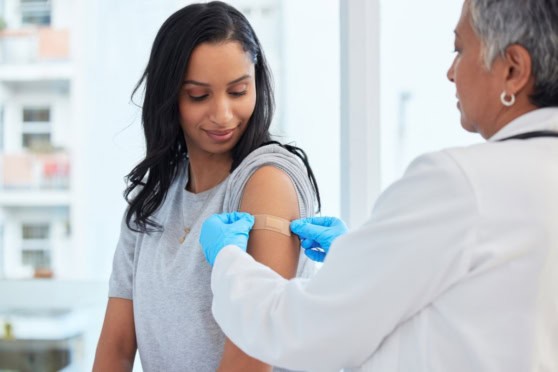
The Centers for Disease Control and Prevention recommends vaccinations for hepatitis A, hepatitis B, rabies, and typhoid, as well as boosters for tetanus, diphtheria, and measles. Travelers entering the yellow fever belt must show proof of yellow fever vaccination. Certificates become valid ten days after vaccination and remain valid for a period of ten years.
South Africa has the highest number of people living with HIV. HIV is transmitted only through bodily fluids, not through casual contact. Use protection during sexual activity and never share needles.
Schistosomiasis can be contracted through contaminated freshwater. Ask about water quality before swimming. Symptoms include fatigue, abdominal pain, and blood in urine or stool.
The risk of cholera in South Africa is low; however, outbreaks in nearby countries underscore the need for awareness.
Use sunscreen, protective clothing, hats, and sunglasses, especially between 11 a.m. and 3 p.m. Mosquito bites are the primary health concern related to wildlife. Malaria risk varies by season and region. When traveling to high-risk areas, such as the Kruger National Park, the Lowveld of Mpumalanga and Limpopo, or northern KwaZulu-Natal, it is recommended to take prescribed anti-malarial medication. Begin treatment at least one day before arrival and continue for seven days after departure.
Wear long clothing, use insect repellent, and sleep under mosquito netting when necessary.
Snakes, scorpions, and spiders usually avoid humans, but always check shoes and clothing. Seek medical attention immediately if bitten.
Ticks can transmit tick-bite fever. To remove a tick, apply petroleum jelly, such as Vaseline, until it detaches.
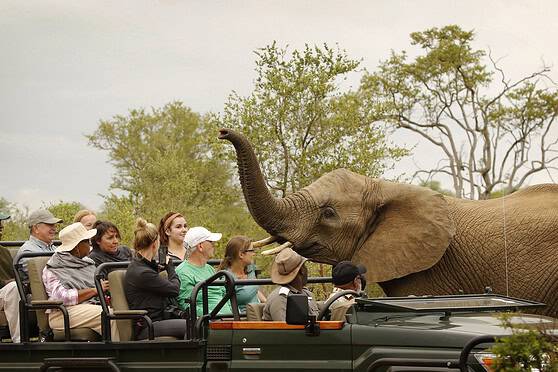
When staying in reserves, avoid walking at night without a guide. Wild animals can be dangerous. Hippos, despite their appearance, cause more human deaths than any other African mammal and are surprisingly fast.
South Africa’s climate is temperate year-round. Winter, from June to September, offers dry weather and is ideal for wildlife viewing. Spring is the best time to see the wildflowers on Table Mountain. Summer, from mid-December to January, is the busiest and most expensive travel period, so book early.
American travelers are encouraged to register with the nearest U.S. consulate before departure to receive the latest travel and security information.
South Africa is known as the “rainbow nation” due to its diverse population. Eleven official languages are spoken, and while English is the native language of only 9.6 percent of residents, it is widely understood and used as a second language.
The national currency is the rand. Visa and MasterCard are accepted throughout the country, and ATMs are widely available. While not the cheapest destination in Africa, travel in South Africa is generally more affordable than in North America or Europe.
South Africa’s economy is heavily influenced by the mining industry, as the world’s leading producer of gold, platinum, and uranium. Poverty and inequality remain challenges, with unemployment around 25 percent.
The country is home to nine provinces, each with unique landscapes and ecosystems. With high biodiversity, the Big Five wildlife, abundant sunshine, and the natural wonder of Table Mountain, South Africa has long been a favorite destination for global travelers.
Most visitors enjoy their trip without incident, but being informed and prepared is the best way to ensure a safe and memorable experience.
Find the Best International Travel Insurance