
International Health Insurance
Gain valuable insights and practical tips for navigating international health insurance while living abroad. From coverage details to expert advice, this comprehensive guide helps travelers…

International medical cover for expats and their families.
Medical and trip cancellation coverage for international travel.
Life insurance for globally mobile individuals living or working abroad.
Comprehensive international medical coverage for groups.
Medical, accident, and liability protection for global travel.
Financial protection for employees worldwide.
Most Popular Country Guides
Healthcare, insurance, and living insights to plan life and travel in each destination.
Healthcare, safety, and practical guidance for living abroad.
Tips and guidance for safer, smarter international travel.
Resources for global mobility, HR, and international teams.
Explore the importance of winter sports insurance to safeguard your adventures on the slopes. Learn about coverage options, essential considerations, and tips for protecting yourself and your gear while enjoying skiing, snowboarding, and other winter activities.
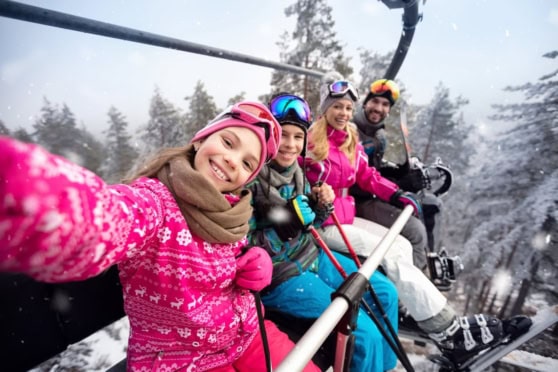
Winter is a time for snow, ice, and outdoor adventures that make cold weather exciting. For many international travelers, a winter trip isn’t complete without hitting the slopes. Skiers and snowboarders exchange their summer boards for snowboards, while resorts offer a variety of cold-weather activities for adventurers of all levels.
However, winter sports come with their own risks, and injuries are common. Moreover, your regular health insurance may not cover injuries that occur outside of the state or abroad. What if your ski vacation doesn’t go as planned – delayed flights, lost luggage, or even snowless slopes? Winter sports insurance can protect you from these unexpected events, offering support and compensation when you need it most.
Why are injuries from winter sports not covered by standard health or travel insurance? Winter sports are considered adventure activities and riskier than usual tourism or day-to-day work.
People are indeed more likely to get injured skiing down a mountain than they are at an amusement park. That’s why adventurous travelers can get winter sports insurance that keeps up with them.
Look for terms such as “adventure sports,” “extreme,” or “sports rider” to find travel insurance for winter sports. Specific travel insurance for snowboarding or skiing is available with sport-specific benefits.


Not all snow sports travel insurance plans are alike. Ensure that all the winter sports you and your family wish to try at your destination are covered. Skiing and snowboarding are the classics, and you may focus on ski trip insurance.
However, snowy resorts have many more offerings: snowshoeing, snow tubing, ice skating, tobogganing and sledding, snowmobiling, and zip-lining. For example, ski travel insurance may not cover activities such as zip-lining. Yet many people who wouldn’t ski will try zip-lining when they see it at a winter resort.
Also, check the coverage standards. You want good emergency care and relocation support for winter sports insurance. Resorts have excellent first-aid staff, but their responsibilities are tightly defined. If you’re hitting the slopes in a different country, get medical travel insurance with repatriation coverage to send you home safe if you’re badly hurt.
For the best winter sports travel insurance, get coverage for everyone on your trip, including your entire group or family.
One person may say they’re not going to ski or snowboard. But standing beside the slopes or an ice rink, seeing everyone else join in the fun, they may change their mind. They’re often the least experienced and the most likely to be injured as they try winter sports as a beginner.
So get coverage for everyone, just in case.

Out of the top ten winter sports in the U.S., skiing and snowboarding account for half, with activities like alpine skiing, cross-country skiing, freestyle skiing, and ski jumping leading the way.
Their risks often balance the exhilaration of skiing and snowboarding. Powder snow can conceal “death cookies” (chunks of ice) and slick patches of frozen slush. You may glide past someone’s wipe-out, or you might end up taking a spill yourself.
This is why having ski or snowboarding travel insurance is essential, as it protects you from those unexpected, costly falls.
Dedicated skiers often take long trips to make the most of the world’s powder snow. You may consider visiting Canada or Europe for an extended stay or as a digital nomad during the ski season. Or you may be a ski professional, following winter from the frozen North in February to the Southern Hemisphere for July and August. The best ski travel insurance will cover you wherever you roam.
For an extended stay in many countries, such as Canada, you must provide proof of health insurance for the entire duration of your stay. When winter sports are part of that stay, you should ensure you’re covered for them, too, or you could be in for serious hospital bills and debts. Annual travel insurance with winter sports coverage is an option for prolonged trips.
Reading the fine print is vital for any insurance policy. Insurance for skiing and snowboarding is no exception. You don’t want to miss out on essential coverage because you didn’t read the fine print or adequately disclose all activities. Among the things you’ll want to look into are:
Our licensed brokers can help you find the best travel insurance for skiing, snowboarding, and more snow sports. You can get single-trip winter sports insurance, ski travel insurance for a full season, or long-term travel insurance with winter sports cover. We’re here to answer your questions, so please don’t hesitate to contact us anytime.
The fine print isn’t just on insurance documents. You’ll also find it on your lift pass, resort membership agreement, and other essential documents. And, depending on what it says, you may need more or less insurance than you expected.
For instance, some lift passes automatically include mountain rescue coverage. This assistance sometimes extends to off-piste activities as long as they’re within the resort boundaries. But you won’t know unless you ask!
Resorts and lift passes may include some coverage or sell coverage on-site. For example, in Europe, especially France, you’ll likely be asked if you want Carre Neige coverage. It provides emergency coverage for hospitalization, rescue, and other related services. It has widespread recognition, but it’s not essential.
Think of it as buying car insurance when you pick up a rental car. It can offer you extra protection and peace of mind, but it isn’t necessary if you already have a comprehensive insurance policy. Know your policies before you hit the slopes so you won’t be hit by last-minute panic.
When traveling for winter sports, it’s essential to have travel disruption coverage. What if you need to extend your stay due to an injury? Not only will you face hospital costs, but also travel expenses, such as changing tickets and extending your lodging.
If this occurs while you’re in another country, those costs can add up fast. That’s why having comprehensive travel insurance is crucial. Ensure it covers delays, booking changes, and extended lodging to help alleviate the financial burden.
If your travel insurance has storm disruption coverage, you’ll be protected from travel problems caused by too much snow. That includes travel delays and cancellations. If you’ve added winter sports insurance, you can also have coverage for lost equipment rental fees.
What if you plan a ski trip, and it turns out that there’s not enough snow for good skiing at your destination? Surprise – that too may be covered, based on the state or country. Winter sports travel insurance may compensate you for lost recreational or skiing days.
That means you can claim a benefit if there’s not enough snow for you to do the winter sports you planned. Plus, you’ll still be covered for snowless adventures like hiking, climbing, white-water rafting, and zip-lining.
When you love winter sports enough to travel for them, you’ve probably invested in your favorite winter sports gear. Ski boots range from $200 to $800 per pair. High-end winter sports clothing can cost thousands of dollars per outfit. And this gear is bulky enough to be checked as luggage if you’re flying. After a flight, you may need to collect your luggage, including standard and oversized pieces, from two different areas. These changes and variations increase the chance that you or the airline will lose track of your sports luggage.
Once again, it’s time for some research. When it comes to gear coverage, you want to ensure there are no exclusions that affect you. What if your covered gear is stolen from your hotel or the lodge restaurant? What if it’s damaged in transit by the airlines or by the hotel shuttle company? Will your insurance company cover the cost of rentals if your gear is stolen or damaged?
When deciding how much protection to purchase, don’t forget to factor in the cost of accessories, customizations, and non-athletic items you always travel with, such as high-end cameras.
When you’re heading to the slopes, travel insurance with winter sports coverage is essential. It protects you and your companions if something goes wrong, whether on the mountain or during your journey.