
Marriage and Divorce Abroad as a U.S. Citizen

Living abroad often comes with major personal milestones, including marriage or divorce. U.S. citizens can usually marry or divorce abroad, but the laws of that country mainly govern the process. In the United States, federal and state laws recognize foreign marriages and divorces. Below is what U.S. citizens should know before getting married abroad or going through a divorce.
Getting Married Abroad
U.S. embassies and consulates do not perform marriages abroad. Couples need to follow the country’s marriage laws and rules for the ceremony. This applies to civil, religious, or any other legally recognized ceremony.
Requirements vary significantly from one country to another. Some places have simple procedures. Others need paperwork, waiting times, or proof of where you live.

Country-Specific Marriage Guides
Marriage rules vary widely by destination. For more detailed guidance, see:
- Marriage in Saudi Arabia
- Marriage in Australia
- Marriage in Singapore
- Marriage in China
- Marriage in Thailand
- Marriage and Divorce in Canada
For official information on marriage abroad, like documents and legal details, check the U.S. Department of State – Marriage.
Common Requirements You May Encounter
When getting married abroad, you may need to provide:
- Proof of identity: Passports, birth certificates, or national identification documents.
- Proof of marital status: Divorce decrees, annulment records, or death certificates if a previous marriage has ended.
- Marriage license applications: Often filed through a local civil registry or government office.
- Minimum age requirements: Usually 18, though parental or judicial consent may allow exceptions.
- Additional administrative requirements: Certain countries may require sworn declarations, witnesses, translations, or other documentation.
Check the latest requirements with your local civil registry or government office before your wedding.
In many countries, you may need to legalize documents with an apostille if the country is a member of the Hague Convention. For non-Hague countries, you may require consular authentication. This process confirms that U.S. documents such as birth certificates or affidavits are valid for use abroad.
Proof of Eligibility to Marry
Some countries require foreign nationals to provide evidence that they are legally free to marry. This is often referred to as a “single status affidavit,” “certificate of no impediment,” or “legal capacity to marry,” depending on the country. Requirements vary widely.
The United States generally does not issue a nationwide certificate confirming a citizen’s eligibility to marry. Some countries accept affidavits or sworn statements. This shows that the person is unmarried and legally free to marry.
You may need to notarise, authenticate, translate, or show this document to local authorities, depending on the country, before the marriage can proceed.
For official details on marriage records and documents, visit USA.gov – Marriage Certificate Information.
Will Your Foreign Marriage Be Recognized in the U.S.?
In most cases, yes. U.S. states generally recognize marriages performed abroad under the laws of the country where the marriage occurred. This is provided that the marriage does not violate a strong public policy exception in the recognizing state.
Recognition generally depends on factors such as:
- Whether the marriage was legally valid under local law.
- Whether both individuals had the legal capacity to marry.
- Whether the marriage complies with applicable U.S. public policy considerations.
This usually includes marriages between U.S. citizens and foreign nationals, as well as same-sex marriages legally performed abroad.
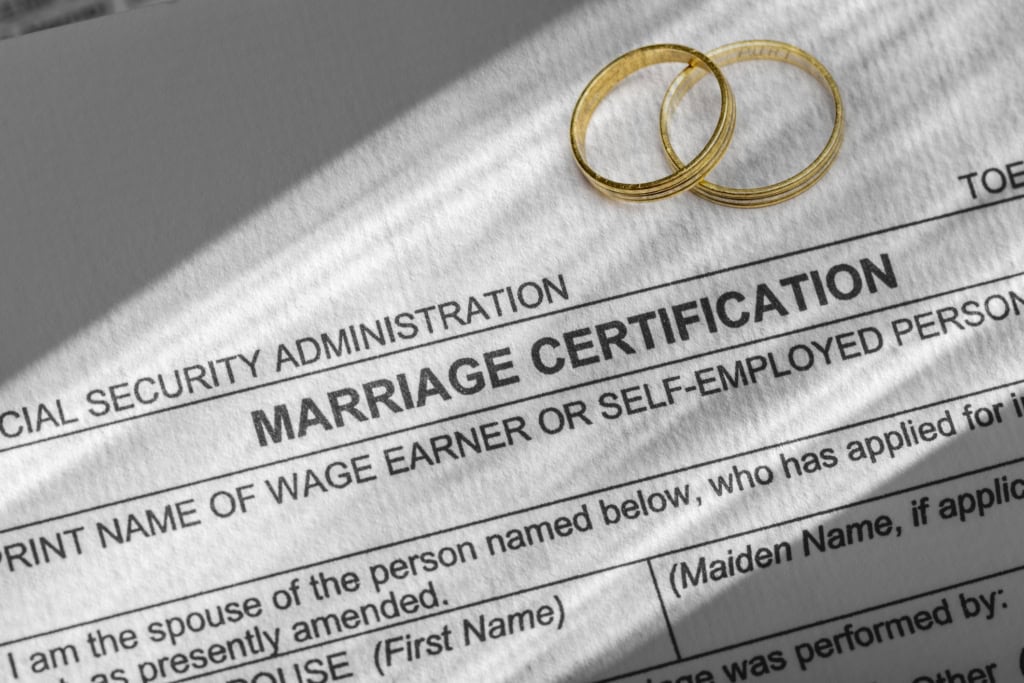
Most couples do not need to register their foreign marriage with the U.S. government. Couples should get several certified copies of their marriage certificate. Store them in a safe place. You may need them later for immigration, tax, banking, insurance, or legal purposes.
They may also need certified copies of their marriage certificate, translations, or document authentication for immigration, legal, or administrative purposes later on.
If you plan to marry abroad and want to confirm the United States recognizes your marriage, check with your state’s vital records office. You can also talk to a legal expert in international family law for guidance on the needed documents.
You can also refer to official U.S. government guidance on marriage abroad for more information: U.S. Department of State – Marriage Abroad.
Immigration Considerations
Marrying a foreign national does not automatically grant immigration status in either country.
A U.S. citizen who wants to bring their spouse to the United States must follow specific immigration procedures set by U.S. authorities. Likewise, many countries offer residency or visa benefits to foreign spouses, but eligibility requirements vary widely.
This usually means a family-based petition (Form I-130). You can either process it abroad or adjust the spouse’s status if they are already in the U.S.
Couples planning to relocate should research immigration requirements early in the process.
For official information on family-based immigration options, see USCIS’s Family Immigration page.
Taxes and Legal Considerations
Marriage abroad can affect a U.S. citizen’s legal and financial obligations.
Potential considerations include:
- Tax filing status: Marriage may affect whether you file jointly or separately.
- Worldwide taxation: U.S. citizens remain subject to U.S. tax rules regardless of where they live.
- Estate and inheritance planning: Marriage may affect beneficiary designations, inheritance rights, and estate planning strategies.
- Property ownership: International couples may be subject to different marital property regimes depending on where they reside.
- Insurance and employee benefits: Marriage, divorce, or relocation may affect eligibility for employer-sponsored benefits, international health insurance, life insurance beneficiaries, and other financial protections.
Tax rules can be tricky for couples living in two countries. This is especially true when their income, assets, or residency involves different regions.
If you live abroad or marry a non-U.S. citizen, it’s a good idea to consult a tax or legal expert who knows about international issues.
Now is a good time to review your insurance policies, beneficiary designations, and other financial plans. Make sure they match your current situation.

Getting Divorced Abroad
Divorce abroad is governed by the laws of the country where the divorce is filed. Procedures, residency rules, waiting times, and legal standards can vary widely across places.
For general legal issues concerning U.S. citizens overseas, check the U.S. Department of State – Legal Considerations Abroad.
Country-Specific Divorce Guides
Divorce rules vary widely from country to country. For more detailed guidance, see:
- Divorce in Saudi Arabia
- Divorce in Australia
- Divorce in Singapore
- Divorce in China
- Expat Divorces in the UAE
Will a Foreign Divorce Be Recognized in the U.S?
Often, yes. However, state, not federal, law generally determines whether a foreign divorce is recognized in the United States.
Most U.S. states recognize foreign divorces when:
- The foreign court had a legitimate basis for exercising jurisdiction.
- Both parties received adequate notice of the proceedings.
- The parties had an opportunity to participate in the process.
- The proceedings satisfied basic standards of fairness and due process.
In some cases, U.S. courts may recognize a change in marital status, such as a divorce. However, they still look at property division and support orders under domestic law.
State law applies, and courts can determine whether the foreign court had proper jurisdiction. This depends on where the parties live or are based.
When these conditions are met, courts usually accept foreign divorces without requiring additional legal steps.
Common Complications in International Divorce
Recognition issues can arise when:
- One spouse did not participate in the proceedings.
- The notice was inadequate or disputed.
- The divorce was obtained in a jurisdiction with limited connections to either spouse.
- One party later challenges the validity of the divorce in a U.S. court.
In these situations, a court may review the foreign judgment before deciding whether to recognize it.
Property, Support, and Child Custody Issues
Even when the United States recognizes a foreign divorce, related court orders can still raise additional legal questions.
This can include:
- Division of marital property
- Spousal support (alimony)
- Child support obligations
- Child custody and visitation arrangements
The recognition and enforcement of these orders depend on state law, international agreements, and the specific facts of each case.
Families in cross-border custody disputes may need to follow extra legal rules from international conventions and local laws.
Final Considerations for U.S. Citizens
Getting married or divorced abroad can be easy if you follow local laws closely.
Recognizing foreign marriages, divorces, and court orders can be tricky. It involves both international and state laws. So, it’s important to know the rules that apply to your case.
Before making major changes overseas, check local rules. Keep copies of important documents, and get professional advice if you need it.
Frequently Asked Questions
-
Yes, in most cases. A foreign marriage is generally recognized in the United States if it was legally performed in the country where it took place and does not violate U.S. public policy (such as age or consent laws).
-
No. There is no federal registration requirement for marriages performed abroad. However, you should keep certified copies of your marriage certificate for immigration, tax, insurance, or legal purposes.
-
Yes. A U.S. citizen can generally obtain a divorce in another country if that country’s legal system allows it and residency or jurisdiction requirements are met. Recognition in the United States depends on due process and jurisdiction rules.
-
Often yes. U.S. states typically recognize foreign divorces if the court had proper jurisdiction, both parties received notice, and the process met basic standards of fairness and due process.
-
In most cases, yes. Most countries require either residency or a legal connection (such as citizenship or domicile) before granting a divorce.