
International Health Insurance
Gain valuable insights and practical tips for navigating international health insurance while living abroad. From coverage details to expert advice, this comprehensive guide helps travelers…

International medical cover for expats and their families.
Medical and trip cancellation coverage for international travel.
Life insurance for globally mobile individuals living or working abroad.
Comprehensive international medical coverage for groups.
Medical, accident, and liability protection for global travel.
Financial protection for employees worldwide.
Most Popular Country Guides
Healthcare, insurance, and living insights to plan life and travel in each destination.
Healthcare, safety, and practical guidance for living abroad.
Tips and guidance for safer, smarter international travel.
Resources for global mobility, HR, and international teams.
Learn the difference between an expat vs immigrant, including legal status, cultural integration, visa eligibility, and insurance needs.

Moving abroad can take many forms, and the experience looks very different depending on your goals, plans, and intended length of stay. Some people live overseas temporarily for work, study, or lifestyle experiences, while others relocate with the intention of building a permanent life in a new country. This distinction separates an expat from an immigrant.
Understanding the differences between expat vs immigrant is essential when it comes to applying for visas, managing finances, and arranging important protections like health insurance. This article breaks down the key distinctions, explores legal and practical implications, and highlights the best global health plans to keep you and your loved ones safe abroad.

Contrary to popular belief, being considered an expat has nothing to do with nationality or place of origin. What defines an expat is their motivation for moving abroad and the length of time they plan to stay.
Expats are not defined by income, job title, or social status. Anyone living temporarily outside their home country for work, study, or lifestyle reasons can be considered an expat, from corporate professionals to skilled workers in a variety of fields.
This focus on purpose and intention, rather than origin, sets the stage for understanding how expats and immigrants experience life overseas differently.
An expat, short for “expatriate,” is someone who lives outside their native country temporarily, usually for work, study, or lifestyle reasons.
Expats often maintain strong ties to their home country, including family, finances, and cultural habits. While some may stay abroad for years, the intention is usually to return home eventually.

For many, moving abroad is a personal or career choice rather than a necessity, which distinguishes them from economic migrants or refugees.
Expats typically hold temporary or long-term visas and do not necessarily seek permanent residency or citizenship.
While living abroad, they enjoy new experiences and international exposure, though they may face challenges, such as navigating local bureaucracy, language barriers, and adapting to different healthcare systems.

An immigrant is someone who moves to another country with the intention of living there permanently.
Unlike expats, immigrants generally plan to establish long-term roots, often pursuing permanent residency or citizenship in their new country. They may relocate for work, family reunification, education, or better economic opportunities.
Due to their long-term commitment, immigrants typically integrate into the local community, adopting local social norms, customs, and the language to establish a stable life.
While this path offers security and a sense of belonging, it can also present challenges, including navigating immigration laws, accessing government services, and adapting to a new cultural and social environment.

While both expats and immigrants leave their home countries, the experience of living abroad varies depending on goals, intentions, and legal status.
These key differences affect everything from how long someone plans to stay to how they integrate into society, how locals perceive them, and what legal or financial steps they take.
Understanding these distinctions helps clarify why the terms “expat” and “immigrant” are not interchangeable.
Expats usually move abroad temporarily for work, education, lifestyle experiences, or retirement.
Many people choose to move deliberately for personal growth or career advancement, rather than out of economic necessity. Their focus is often on experiencing a different culture or improving life experiences.

Immigrants, on the other hand, typically relocate with the intention of establishing a permanent life in a new country, often seeking better economic opportunities, family reunification, or long-term stability. Their motivations and long-term intentions differ significantly.
One of the main distinctions between an expat and an immigrant is the intended length of stay.
Expats generally plan to return home after a defined period, such as several months or a few years.
Immigrants, in contrast, move with the intention of staying indefinitely, often working toward permanent residency or citizenship. This affects housing, finances, and daily life planning.
According to the OECD International Migration Outlook 2025 report, 6.2 million new permanent immigrants joined OECD countries in 2024, while many expats return home after a few years.
Expats often preserve the culture, customs, and social networks of their home country, and may socialize mainly with other expats.
Expats often preserve the culture, customs, and social networks of their home country, socializing mainly with other expats. Immigrants are more likely to adopt the local culture, learn the language, and form deeper connections with the local community. This influences social experiences and access to community support.

Conquer Culture Shock! Whether you’re an expat or an immigrant, adjusting to life abroad can be challenging, and many people experience culture shock as they adapt to new customs. Equally, returning home can bring reverse culture shock, where familiar places feel foreign. But with time and patience, you can navigate both transitions.
Expats are often seen as cosmopolitan professionals or temporary visitors, which can attract admiration but may also create perceptions of privilege or outsider status.
Understanding social perceptions in the context of expat vs immigrant life can help you navigate cultural expectations and build better relationships abroad.
The term ‘expat’ is often reserved for wealthier, educated foreigners, while others doing similar work may be labeled migrants or foreign workers.
Immigrants are generally perceived as committed, long-term contributors to society, though stereotyping or resistance may occur. Social perceptions shape interactions, opportunities, and community engagement.
Expats typically hold temporary visas, such as work permits, student visas, or residency permits, without necessarily pursuing citizenship.
Immigrants, on the other hand, actively seek permanent residency or citizenship as part of their long-term commitment to living in the country.
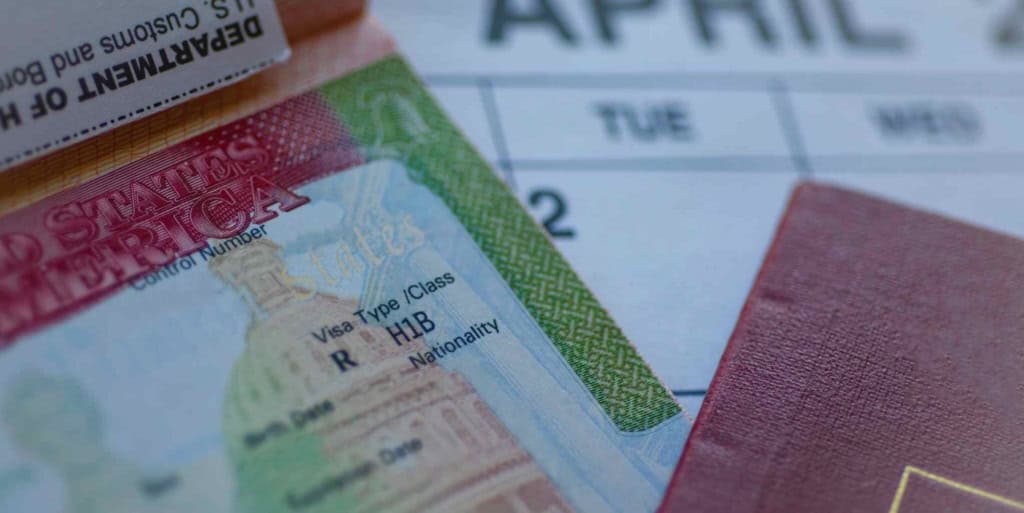
Legal status affects eligibility for government services, employment opportunities, and access to benefits.
The terms “expat” and “immigrant” are not just labels – they carry legal, political, and cultural implications that can affect how individuals are perceived and treated abroad.
Choosing one term over the other can influence access to government benefits, visa eligibility, and even social acceptance in a host country.
Understanding these distinctions helps you navigate the cultural, social, and legal landscapes of living abroad more effectively.
From a legal perspective, immigrants are often expected to pursue permanent residency or citizenship, which can unlock eligibility for social services, public healthcare, and other government programs.
Expats, on the other hand, typically hold temporary or work visas and may not be eligible for the same benefits, making it crucial to understand the implications for healthcare coverage, taxes, and retirement planning.
Visa eligibility is another key consideration. Expats often obtain temporary work, study, or long-term assignment visas, while immigrants usually follow pathways toward permanent residency or citizenship.
Knowing which category applies to you helps avoid legal complications, ensures compliance with local regulations, and informs insurance and financial planning.
For more information on visa eligibility and travel requirements, read Travel Insurance for Visa Applications.
Culturally, the label you adopt can influence identity and social acceptance. People often view expats as temporary visitors, sometimes granting them a cosmopolitan or privileged status.
In today’s globalized world, an increasing number of people from emerging economies identify as “global citizens,” reflecting a broader view of expatriation beyond traditional elite stereotypes.
In contrast, immigrants are viewed as long-term members of the community, which can impact integration, employment opportunities, and social relationships.
Understanding the nuances of these terms helps you navigate both legal obligations and social dynamics effectively.
Because expats and immigrants have different living situations and legal statuses, their insurance needs often vary.
Expats typically seek portable, global health plans that provide coverage abroad and may also extend protection when they return home.
These plans often include benefits such as emergency evacuation or repatriation services, providing expats with flexibility and peace of mind, regardless of their location.

Immigrants, who plan to settle permanently, generally prioritize coverage within their new country through public or socialized healthcare.
However, even when public healthcare is available, it may not match the quality they expect at home, and they could face long wait times, language barriers, or limited access to private facilities.
For this reason, supplemental or top-up private plans, sometimes including international options, can help fill gaps, provide access to private hospitals, and cover critical services such as emergency evacuation or repatriation.
Whether you’re an expat or an immigrant, international health insurance ensures you have access to quality care and the ability to manage unexpected medical events, whether temporarily or permanently.
Key benefits include inpatient and outpatient care, medical evacuation, and possibly maternity and dental care.
These plans cater to the mobile lifestyle of global citizens, providing access to high-quality care even outside their host country.



Understanding the differences between an expat and an immigrant is essential for planning a safe, stable, and prosperous life abroad.
Whether your move is temporary or permanent, proper preparation, from obtaining visas and navigating cultural integration to securing comprehensive health insurance, can make your transition significantly smoother.
Expats often need portable, global health coverage, while immigrants may require long-term or supplemental plans to fill gaps in local healthcare systems.
To protect yourself and your family wherever your journey takes you, explore your coverage options and get a free quote now!
Research the Healthcare System Before You Move. Explore your destination’s healthcare systems to know what to expect. This will help guide your insurance choices and plan for quality care abroad. Consider the local language, costs, access to expat-friendly providers, and any healthcare or insurance requirements for visas or residency.
Yes. Someone may first move abroad as an expat on a temporary visa for work or study, then later decide to settle permanently and transition into immigrant status. The distinction mainly depends on intention and legal status rather than location alone.
Many prefer “expat” because it suggests a temporary, professional, or international lifestyle and often carries positive social or professional connotations.
In contrast, the term “immigrant” usually implies permanent relocation and can have political or cultural connotations, influencing how someone is perceived in both their home and host countries.
Yes. In some countries, the term “expat” refers to highly skilled professionals, while “immigrant” usually applies to long-term or lower-skilled migrants.
Cultural, social, and historical contexts shape how these terms are perceived, influencing social acceptance, legal treatment, and access to services.
Yes. Expats typically use temporary work, student, or assignment visas for defined periods of stay abroad, while immigrants generally pursue permanent residency or citizenship.
This distinction affects not only visa type and duration but also eligibility for government services, social benefits, and long-term legal rights in the host country. Understanding your status can help you plan your move and comply with local regulations.
Yes. Expats typically require portable international health insurance for temporary stays abroad, which covers care in both their host country and, in some cases, their home country.
Immigrants may rely on local public or socialized healthcare and might only need supplemental coverage to access private care, reduce wait times, or fill gaps in services. Understanding your status helps ensure you choose the right plan for your needs.