Moving to Thailand
Learn all you need to know before moving to Thailand, including the legal requirements, job opportunities, best places to live, and more.

International medical cover for expats and their families.
Medical and trip cancellation coverage for international travel.
Life insurance for globally mobile individuals living or working abroad.
Comprehensive international medical coverage for groups.
Medical, accident, and liability protection for global travel.
Financial protection for employees worldwide.
Most Popular Country Guides
Healthcare, insurance, and living insights to plan life and travel in each destination.
Healthcare, safety, and practical guidance for living abroad.
Tips and guidance for safer, smarter international travel.
Resources for global mobility, HR, and international teams.
Discover the safest places to live in Thailand, including cities and towns that are safe and popular with expats, plus what regions to avoid.
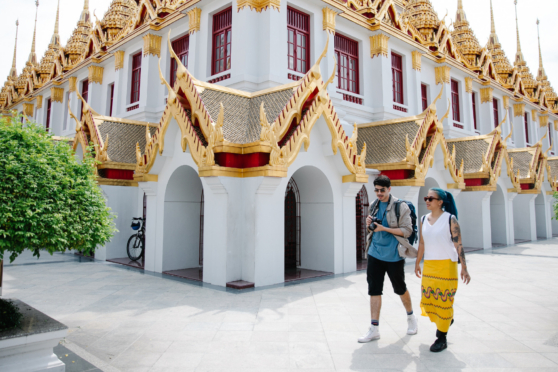
Thailand is one of the most popular destinations for expats and retirees. It comes as no surprise that finding the safest places to live in Thailand is at the top of their to-do list. As Thailand is famously friendly and known as the “land of a thousand smiles”, there are a number of fantastic destinations to choose from.
Safety, of course, is a concept that is open to interpretation. Large cities have more hospitals, clinics, and doctors – but more crime. Rural areas have fewer pickpockets, traffic accidents, and congestion. However, they’re also less likely to have potable water. As such, when you’re thinking of safe places to live in Thailand, consider the term broadly.

Planning a move to Thailand? Compare personalized international health insurance options that match your destination, budget, and coverage needs.
✔️ Personalized quotes • ✔️ Expert guidance • ✔️ No obligation
There is no denying that Thailand faces serious safety problems. These include human and drug trafficking, corruption, and violence against women.
However, Thailand is ranked as one of the safest countries in Southeast Asia, and violent crimes against visitors are rare.
The majority of crimes against tourists, expats, and retirees involve financial opportunities. These crimes include pickpocketing.
Thieves have been known to slice open bags with razors and stealthily reach in and lift belongings in a matter of seconds. This often occurs in congested areas such as markets, popular tourist attractions, and busy train stations.
Thieves also often operate on the long-distance bus and train routes. They take advantage of sleepy travelers and bags left unattended in storage compartments.
Fraud is another common crime. This includes credit card cons and rental agreement scams. For instance, people report being charged for damages that did not occur when they rented their jet ski or motorcycle. Unfortunately, local authorities are rarely helpful in resolving these situations. Police corruption is rampant.
A large proportion of safety concerns is related to the consumption of alcohol. In popular bars, drinks can be spiked in order to facilitate assaults or robberies.
Alcohol can also be used to lower inhibitions to encourage romantic connections with “bar girls”, pay for overpriced drinks, or distract guests in order to lift their identification.
In terms of health and well-being, Thailand’s healthcare system, especially in Bangkok, is very good. However, facilities are very limited in rural areas.
Motorcycle and scooter accidents are one of the most common reasons visitors need medical attention.
If you’re planning to use them as your primary form of transportation, invest in a high-quality bike, use a helmet, and consider taking private lessons to improve your skills. Also, visitors to Thailand should know that the water is not potable.
When considering the safest places to live in Thailand, it’s important to look beyond national rankings and focus on lifestyle fit.
Safety varies by destination, depending on factors such as population density, tourism levels, infrastructure, and access to healthcare.
Some areas offer the convenience of urban living with strong expat communities, while others provide a quieter, more natural setting.
Ultimately, the best choice depends on whether you prefer a city, coastal, or rural lifestyle.
With this in mind, here are some of the safest and most popular places for expats to live in Thailand.
Thailand’s second-largest city, Chiang Mai, is surrounded by nature. Foreigners love this city, and there is a large international community of more than 40,000 international citizens who call Chiang Mai home.
The city has excellent healthcare facilities, community resources, and a low rate of violent crime. It was part of TripAdvisor’s “25 Best Destinations in the World” in 2014.
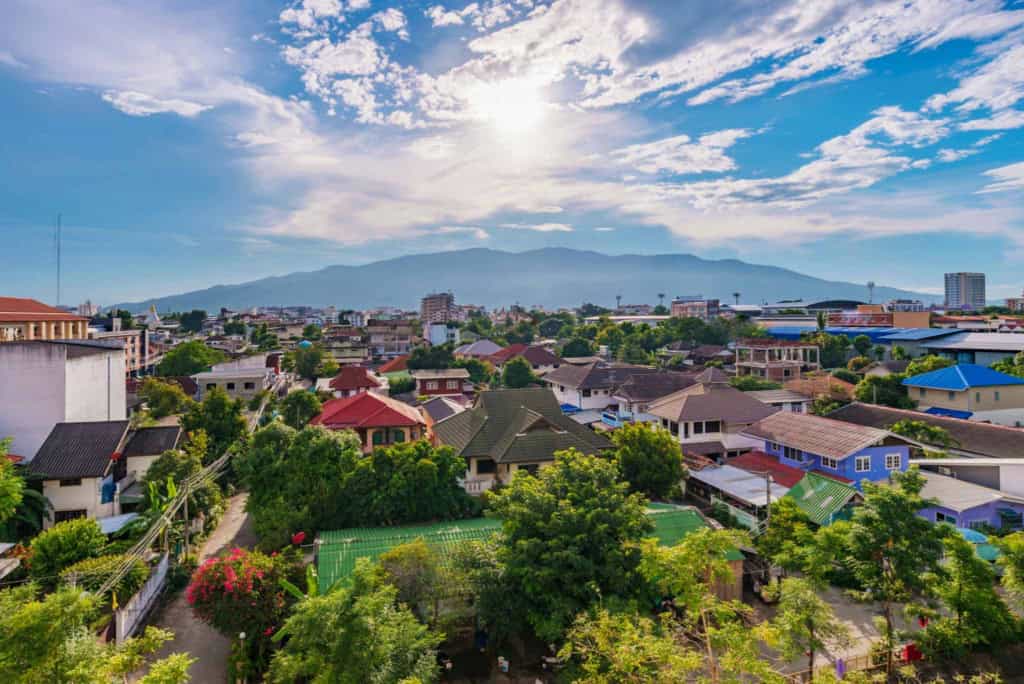
It owes this honor to its mix of museums, restaurants, shopping, nightlife, and overall high quality of life.
There is one serious safety concern in Chiang Mai. Air pollution and smog are serious problems here. It’s particularly bad from February to late April, known as “burning season”.
One contributing factor is that local farmers use fire to clear the ground for new crops. As such, the air can feel very sooty. Many expatriates and locals take the opportunity to travel more during this time.
Just 100 miles from Chiang Mai, Chiang Rai is a semi-rural small city retreat. It’s extremely affordable and is surrounded by mountains, forests, and waterfalls.
Residents have easy access to all the big-city amenities Chiang Mai offers. It’s the perfect destination for expatriates who feel a bit overwhelmed by Chiang Mai’s size and congestion and prefer a quieter destination, without compromising on their well-being.
Another bonus? Crime rates, including petty crimes such as pickpocketing and scams, are low. Plus, Chiang Rai’s location near the mountains makes the city naturally cooler than many of its neighbors.
This gorgeous island has strong connections to Bangkok and the rest of the country, yet it feels removed from the mainland’s hustle and bustle.
Koh Samui is a laid-back, family-friendly destination with a surprisingly strong infrastructure. There’s a good selection of hospitals, pharmacies, and doctor offices.

There’s also a strong emphasis on the quality of living and outdoor pursuits, including cave exploration, yoga, and snorkeling, which are all popular.
However, on average, the rates of drug use and drug-related crime are higher in Koh Samui than in areas like Chiang Rai.
Often described as one of the safest places to live in Thailand, Krabi is a peaceful, secluded small town with beautiful beaches on the southwest coast.
The cost of living and crime rate are low, and the number of amenities, such as cafes, is high.
The sense of community in Krabi is strong. It feels like everyone knows each other in the expat community, which is just a few thousand strong during the high season.
Many international citizens describe Hua Hin as having all the best things about Bangkok, without any of the bad.
Over a hundred years ago, Hua Hin was a small fishing village. In the 1920s, Thailand’s royal family built a vacation home there.
Today, Hua Hin still feels a bit like a mix of the two. It’s like a genteel seaside fishing town that manages to comfortably cater to the elite without losing its down-to-earth charm.
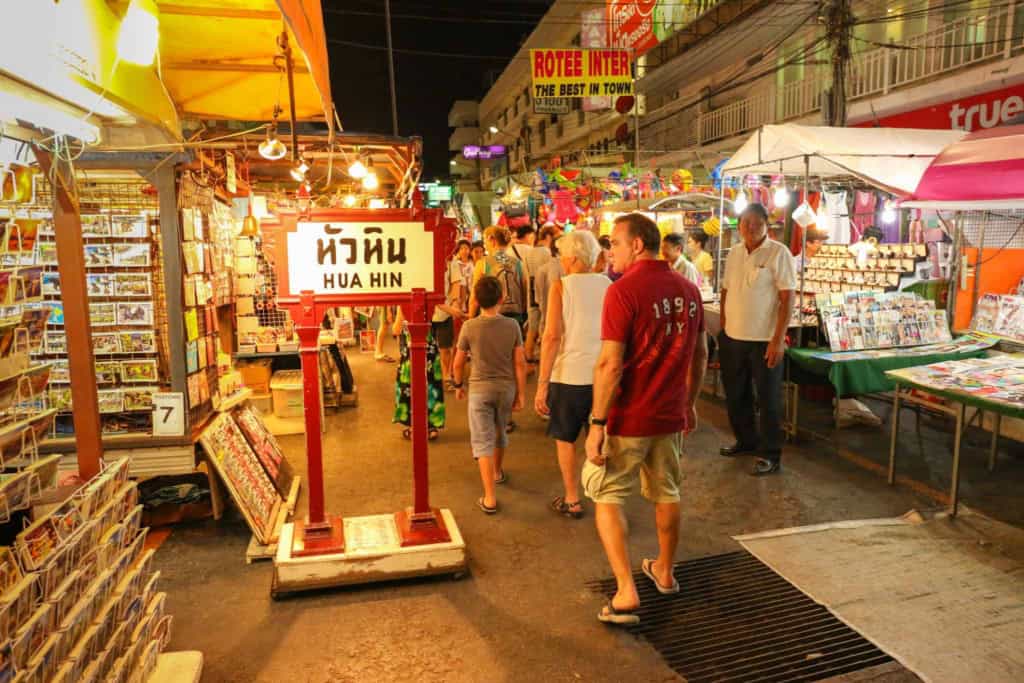
This town is two and a half hours from Bangkok, and locals have easy access to that city’s hospitals, health facilities, infrastructure, and resources.
In fact, a satellite campus of the respected Bangkok Hospital recently opened in Hua Hin. Residents all enjoy all of this at a fraction of Bangkok’s crime rate, air pollution, and traffic congestion.
In many ways, you could say that Bangkok is one of the least safe places to live in Thailand. Between the number of pickpockets and traffic accidents, there are plenty of reasons why you wouldn’t want to live here.
However, there’s also a lot about Bangkok that makes it a safe place to visit and live. There is a large, friendly, and diverse community of expats, digital nomads, and backpackers.
In general, Bangkok is very accepting of all kinds of sexual orientations and gender identification. There are many resources for women and families, including hospitals, clinics, and health care specialists.
And the affordable transit system, the high number of museums and art galleries, exceptional culinary scene, and even access to an English bookstore make it a destination that balances affordability with a high quality of life.
While Thailand is widely considered one of Southeast Asia’s most welcoming and accessible destinations for expats and long-term travelers, there are still a few regions where extra caution is advised.
In general, the country is safe for day-to-day living, but certain areas present higher security risks or are less suitable for casual visitors due to ongoing instability or limited infrastructure.
One key consideration when evaluating where to avoid in Thailand is regional differences in safety. Most popular expat destinations, such as Bangkok, Chiang Mai, and the major islands, are generally safe, well-developed, and well-supported by strong tourism infrastructure.
However, conditions can change significantly in more remote or politically sensitive areas.
Casual travelers and expats are generally advised to avoid Thailand’s southernmost border regions. This includes the provinces of Yala, Pattani, and Narathiwat, as well as parts of Songkhla, and the Sungai Kolok crossing into Malaysia.
These areas have experienced long-standing political unrest and sporadic incidents of violence, making them less suitable for tourism or relocation.
While millions of people travel safely across Thailand each year, these southern provinces remain outside the main expat and tourist routes and are not typically recommended for long-term stays.
In addition to the southern provinces, some remote border regions in northern and western Thailand may have limited infrastructure, fewer healthcare facilities, and reduced access to emergency services.
While these areas can be beautiful and culturally rich, they are less practical for expat living due to distance from major hospitals, transport links, and international communities.
Even in otherwise safe destinations, certain environments can increase risk. Busy nightlife districts in cities like Bangkok, Pattaya, and Koh Samui may present occasional issues such as petty theft, drink spiking, or scams targeting tourists.
These incidents are not widespread but are more likely in crowded entertainment areas where awareness may be reduced.
Similarly, transportation hubs such as long-distance bus and train stations are common locations for opportunistic theft, particularly of unattended luggage.
Compare international health insurance plans that provide reliable coverage and access to care while living in Thailand.