
Health Insurance in the Philippines for Foreigners
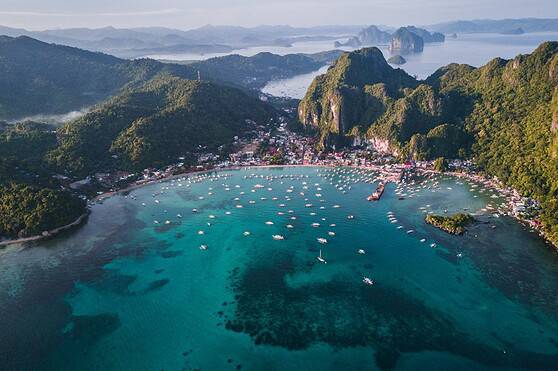
Moving to or living in the Philippines requires understanding your healthcare options. For expats, retirees, digital nomads, remote workers, and global employees, the right health insurance in the Philippines can help manage medical costs and access private healthcare while abroad. This guide covers who needs insurance, requirements, coverage options, costs, and how to choose the right plan.

Find the Best International Medical Insurance
- Compare multiple quotes from top insurers
- Get expert advice at no additional cost
- Find the right plan for your needs and budget
An Overview of Filipino National Health Insurance
All Filipino citizens are entitled to free healthcare through the Philippine Health Insurance Corporation (PhilHealth). This government-organized health insurance program is funded in part by government subsidies at both the local and national levels, as well as company payroll deductions.
In addition to emergency and urgent care, PhilHealth subsidizes inpatient healthcare and non-emergency surgeries. However, it does not cover all medical treatments and costs.
In early 2019, new legislation shaped the scope and future of PhilHealth. Filipino President Rodrigo Duterte signed the Universal Healthcare Bill, known as the “UHB,” into law. The bill was designed to incorporate all citizens into the PhilHealth system, not just those in the workplace. Previously, informal workers, the unemployed, and others were not well covered by the health insurance system.
PhilHealth now has two categories. Some people can afford premiums, while others cannot. This primarily applies to unemployed individuals and the elderly. For those who cannot afford it, the government will provide insurance coverage. People in both categories receive the same basic level of services, while those paying higher premiums are eligible for more benefits.
What to Consider When Purchasing Private Medical Insurance
Geographic differences in standards of care are of paramount concern for expats living in the Philippines. While the standards in Manila and other large cities are generally very high, the same can’t be said of rural areas. In many cases, health care in rural areas is rudimentary at best.
Hopefully, in the years to come, this situation will improve. The recently passed UHB contains incentives for newly graduated medical students. It will also mandate that new medics work in remote areas or within the public sector.
However, it will take years to see any positive changes from these measures. In the meantime, immigrants need to ensure their insurance policy covers medical evacuations, especially if they’re based in rural areas. Evacuation to Malaysia, Singapore, or Thailand is common for foreigners living in the Philippines who need emergency specialist care.
Pros and Cons of Using the Local Health System
Expats will be pleased to know that doctors working at public hospitals in the Philippines typically speak excellent English. However, it never hurts to have a local friend with you to help you navigate the system. Another plus? Hospital visits, tests, and medication are generally a lot less expensive in the Philippines than in North America and Europe.
However, the public healthcare system lacks hospitals and clinics. There are more private hospitals in the country than there are public ones. While this is excellent for those with insurance and for anyone else who can afford to pay out of pocket, it means the average citizen often suffers as a result.
How Non-Citizens Can Qualify for Filipino Health Insurance
Enrollment in PhilHealth is mandatory for all foreigners who are employed in the Philippines. Premiums are automatically deducted from payrolls, and employees and employers share the cost.
Expats who don’t work for a major employer can also voluntarily enroll with PhilHealth if they have legal residency status. As well, a limited number of foreign nationals can enroll in PhilHealth. The most common category of people to whom this applies is those who marry Filipino citizens.
What You Need To Know About Processes
Many expats in the Philippines chose to join PhilHealth under the Informal Economy Member category. The cost ranges from ₱2,400 to ₱3,600 a year. If you’re formally employed with a local employer, they will take care of all the paperwork for you.
Many Filipino citizens have private health insurance, and nearly all immigrants do as well. In addition to PhilHealth, having private health insurance provides you with full access to all hospitals and clinics. It also means a more private, secure, and comfortable hospital stay in more serious circumstances.
However, please note that private hospitals may require payment in cash up front. The idea is that you will later be reimbursed by your insurance carrier. Ask your insurance customer support staff if they have a special arrangement with any particular private facilities so you can avoid this aggravating situation.
Best Health Plans for Expats in the Philippines
There are several options for expatriate insurance in the Philippines. Expatriates can have worldwide insurance coverage, including or excluding the USA, while living abroad. These plans offer insurance coverage of up to $5,000,000, including hospitalization and outpatient care, prescription medication, mental health services, and coverage for pre-existing conditions.
Benefits are available to you wherever you choose to receive care, including in the Philippines, in a neighboring country, or back in your home country.

Cigna Global Insurance Plan
- Flexible plans tailored to your needs and budget
- 1.5M+ providers in 200+ countries
- 24/7 multilingual customer support

IMG Global Medical Plan
- Affordable global coverage with flexible options
- Coverage area options based on where you live or work
- Visit any doctor or hospital worldwide
Best Health Insurance for US Expats in the Philippines
For U.S. citizens seeking global health insurance with an unlimited policy maximum, excellent service, and premium benefits, the BCBS Global Solutions Worldwide Premier plan is the ideal choice. The Worldwide Premier health plan is an excellent option for U.S. citizens residing in the Philippines for business, leisure, or study purposes.

BCBS Global Solutions Worldwide Premier
- Unlimited annual and lifetime coverage
- Pre-existing conditions covered with prior insurance
- For U.S. citizens abroad or foreign nationals in the U.S.
How Routine Filipino Doctor Visits Work
If flexibility is a priority for you in healthcare, you’ll love how routine doctor visits work in the Philippines. You don’t need to make an appointment to see a doctor. You show up during their scheduled clinic hours and wait for your turn.
Usually, you’re seen within a reasonable amount of time, usually in an hour or less. However, wait times are generally longer at public clinics and hospitals compared to private facilities. Note that in many offices where appointments are available, they’re designed for routine follow-up healthcare and non-urgent matters, and you may have to wait several weeks to secure a spot.
How To Find A Family Physician
In the Philippines, the public health system is implemented through public primary healthcare centers, which are linked to peripheral barangay (local town) health centers. You can register for a doctor locally. The Department of Health’s website is a helpful resource for information. And, as always, you can also consult with your insurance provider, local friends, or other non-citizens for recommendations.

Resources