International Health Insurance
Gain valuable insights and practical tips for navigating international health insurance while living abroad. From coverage details to expert advice, this comprehensive guide helps travelers…

International medical cover for expats and their families.
Medical and trip cancellation coverage for international travel.
Life insurance for globally mobile individuals living or working abroad.
Comprehensive international medical coverage for groups.
Medical, accident, and liability protection for global travel.
Financial protection for employees worldwide.
Most Popular Country Guides
Healthcare, insurance, and living insights to plan life and travel in each destination.
Healthcare, safety, and practical guidance for living abroad.
Tips and guidance for safer, smarter international travel.
Resources for global mobility, HR, and international teams.
Find the best travel insurance for New Zealand for medical emergencies, trip cancellations, and lost luggage, plus safety tips for your trip.
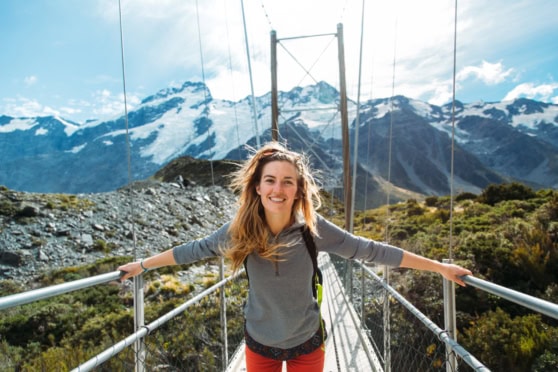
New Zealand is consistently voted the best country in the world to visit on holiday by The Telegraph. It is one of the most popular travel destinations in the world.
The country is renowned for its spectacular natural beauty, diverse outdoor adventures, and numerous wine and food destinations. No wonder so many people love it.
If you’re among the millions who would love to travel to New Zealand, this is what you need to know about health, safety, and insurance coverage during your trip.

New Zealand has around 40 public hospitals spread across the country, as well as hundreds of doctors’ offices and medical clinics. For all urgent care, visitors can go to any hospital emergency department.
For non-urgent care, they can make an appointment at a doctor’s office or visit a walk-in clinic. Hotel staff, tourism board staff, and pharmacists can all provide visitors with guidance on where to go.
Pharmacies are plentiful in New Zealand’s urban and rural areas. However, 24-hour pharmacies are rare except for major urban centers.
While most prescriptions are widely available, those traveling through New Zealand for an extended period should make arrangements to bring ample medication with them, in case the same brands aren’t available.
New Zealand has a comprehensive emergency ambulance care program. Emergency medical services are operated by St John’s Ambulance and Wellington Free Ambulance. Furthermore, both organizations operate air ambulance services to support rural areas.
As with all destinations, it is essential to be up to date on all routine vaccinations before visiting New Zealand. These vaccines include the measles-mumps-rubella (MMR) vaccine, the diphtheria-tetanus-pertussis vaccine, the varicella (chickenpox) vaccine, the polio vaccine, and a yearly flu shot.
The MMR vaccine is essential due to a measles outbreak in nearby Samoa.
Everyone in New Zealand, including visitors and tourists, is entitled to free medical care for injuries resulting from accidents. This is known as the Accident Compensation Corporation (ACC) program. Whether you get hurt skiing, hiking, or in an automobile accident, you are covered even if you caused the accident.
When you visit the doctor or hospital, you’ll be asked to fill out a form so the ACC program will pay for your treatment. However, there may still be some incidental costs for you. Visitors also have to pay the full cost of healthcare for illnesses. As such, carrying travel medical insurance is highly recommended.
If you require specialist care in rural New Zealand, it may be delivered via telehealth. Since 2018, the Northern Region district health boards have developed a telehealth system designed to better serve people living in more remote areas.


Although accidents may be covered during your visit to New Zealand, there are times when you may want to buy comprehensive travel medical insurance. For example, if you end up needing surgery or have other non-accidental illnesses,
New Zealand is famous for its friendly residents. Locals will be happy to help with advice or directions. It’s also an exceedingly safe travel destination. That said, it’s still important to take common-sense precautions.
In particular, never leave any valuables in your car, even in rural areas. Break-ins are a frequent occurrence. They have been reported even in remote areas, like the parking lots beside trailheads.
Speaking of hiking: as with hiking and trekking anywhere, let someone know where you are going and when you intend to return. New Zealand is revered as a superb hiking destination, but it also has some dangerous trails among its easy ones. As well, hypothermia is a serious risk, especially in high-altitude areas.
In terms of the natural world, compared to neighboring Australia, New Zealand has relatively few deadly animals. It does have sharks, though attacks are rare. Far more dangerous are the currents and riptides; visitors should heed lifeguards’ warnings and instructions.
Food and water standards in New Zealand are similar to those in the United States. Most travelers do not need to take exceptional food or water precautions. However, travelers trekking and hiking should take precautions when drinking water.
Water from streams and lakes should be consumed only after purification.
Believe it or not, intense hiking and swimming in possible shark-infested waters are some of the more tame activities you can do in New Zealand.
This is the world’s extreme sports capital, a place where bungee jumping, zip-lining, and hang gliding are considered routine, even a tad boring. Any heart-pounding activity you can think of, New Zealand has it.
Before you indulge your inner daredevil, make sure you have adequate insurance to cover extreme sporting activities. Select an established activity provider with a proven safety record and a proven track record of working with beginners. And have fun! If there was ever a place to test your limits, this is it.