
The Cost of Living in New Zealand

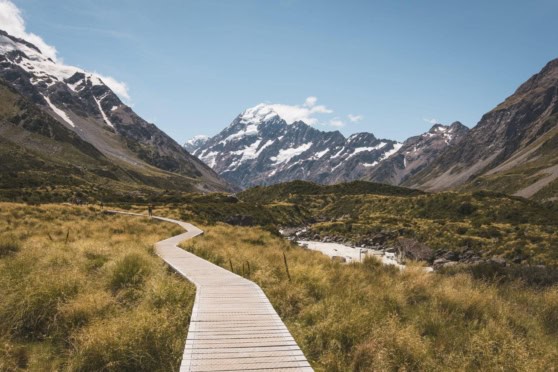
New Zealand is famous for its clean air, breathtaking landscapes, and excellent quality of life. Also known as “Middle-earth” thanks to its role as the filming location for The Lord of the Rings, the country offers a unique blend of natural beauty and modern comforts. However, before making the move, it’s important to understand how the cost of living in New Zealand compares with that in your home country.
Below is a detailed breakdown of everyday expenses in New Zealand. All figures are accurate as of May 2026 and based on data from Numbeo and LivingCost.

Moving to New Zealand? Get Covered
Planning your move to the New Zealand? Compare personalized international health insurance options that match your destination, budget, and coverage needs.
Is New Zealand Expensive?
The cost of living in New Zealand is higher than in most countries. According to Numbeo’s 2026 data, New Zealand ranks 36th among countries for living costs. However, it remains more affordable than destinations like Switzerland, Singapore, the United States, and Australia.
On average, a single person living in New Zealand will need around $1,877 per month. This should cover rent, food, utilities, and other basic living expenses. Living expenses, excluding rent, typically range from $790 to $1,020. Although rental costs vary by city, the average monthly rent for a one-bedroom apartment ranges from $925 to $1,130.
The Cost of Living in New Zealand Versus the US
American citizens considering moving to New Zealand will be happy to learn that the average cost of living there is roughly 15% lower than in the U.S.
Of course, the savings are even more significant if you’re relocating from high-cost U.S. cities like New York City or San Francisco. For instance, you can live in New Zealand’s largest city, Auckland, for about half of what you’d pay in NYC or the Bay Area.
Guide
The Most Expensive and Cheapest Places in New Zealand
Like in most countries, the cost of living in New Zealand ranges from affordable to high. From bustling cities to coastal villages, where you choose to settle will greatly impact how much you need to cover your daily living expenses.
Below is an overview of the most expensive and affordable places to call home.
The Most Expensive Cities in New Zealand
The following cities are popular with expats but come with a higher-than-average price tag. Here’s a snapshot of what you can expect to pay when living in some of New Zealand’s most expensive cities.
Wellington
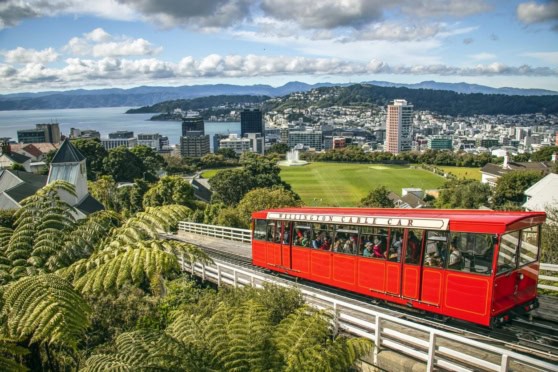
With a population of nearly half a million, Wellington is a mid-sized city on the shores of Wellington Harbor. New Zealand’s capital features stunning vistas, a lively downtown area full of shops, bars, and restaurants, and a thriving film and theater scene.
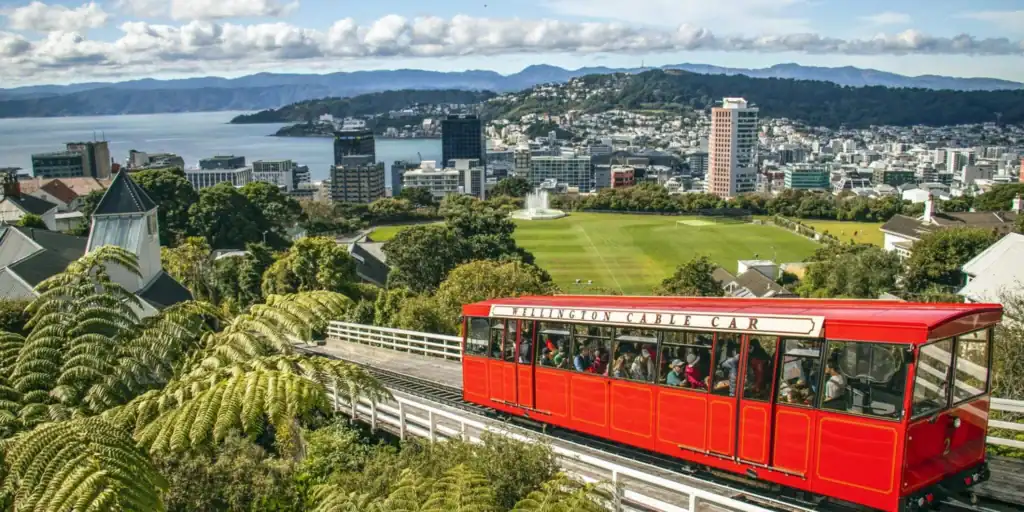
Wellington is the safest and most walkable city in New Zealand, but also the most expensive. Those who move here can expect to pay $2,185 or $2,670 per month for one person’s expenses.
Auckland
Auckland is New Zealand’s largest and most multicultural city. It is home to a diverse population, with over 40% of its residents born overseas.
Auckland boasts white sand beaches, easy access to nature and outdoor activities, and a mild climate, making it an ideal location for outdoor enthusiasts. It is also a vibrant cultural hub, offering a wide range of fine dining, entertainment options, and world-class retail experiences.
While Auckland isn’t as walkable as Wellington, its excellent public transportation system more than makes up for it.
The cost of living in Auckland is slightly higher than the national average, and a comfortable lifestyle typically costs between $2,000 and $2,500 per person per month.
Christchurch
Locals often describe Christchurch as a small town with the amenities and feel of a major city. It’s the largest city on New Zealand’s South Island – and the most expensive. However, the higher costs are offset by benefits such as excellent restaurants, a thriving music scene, and peaceful parks and green spaces.
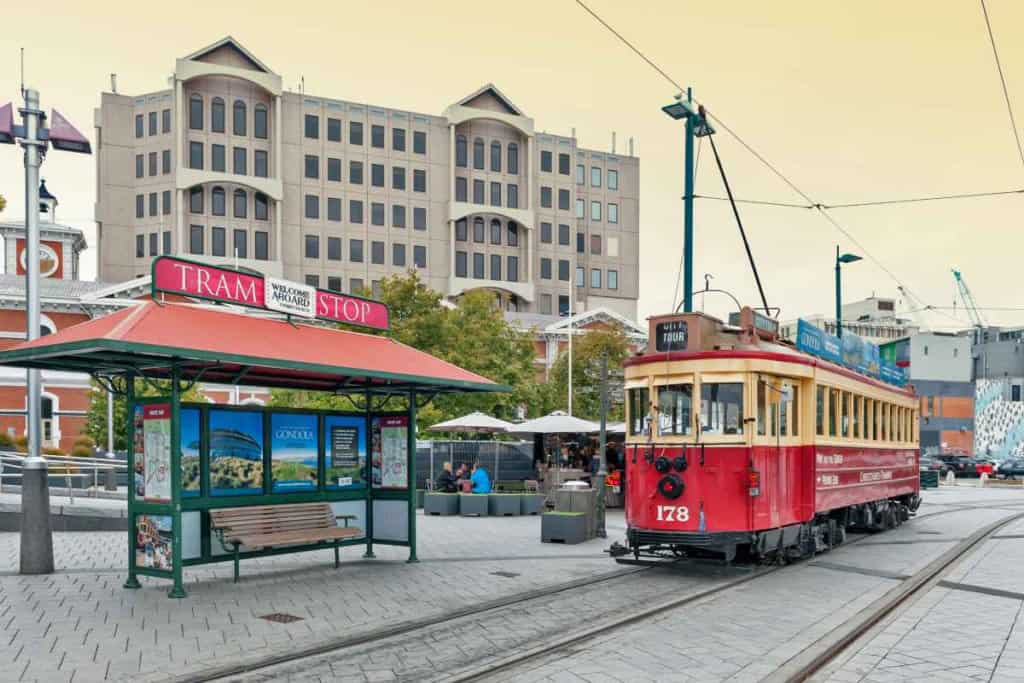
Christchurch is highly walkable, with many pedestrian-only streets and bicycle lanes. Living there costs an average of around $1,800 per person per month, which aligns with the national average.
Hamilton
Hamilton is one of the more rural cities on our list, offering unbeatable access to nature. Located in the heart of New Zealand’s North Island, it’s perfect for adventurous expats who love the outdoors.
The small city also boasts a strong agriculture, education, research, and manufacturing job market. Hamilton also has six hospitals and features a flat terrain, making it ideal for getting around by bicycle or on foot.
Rental prices here are about 16% cheaper than in Christchurch, although utilities and groceries remain similarly priced. Expats can expect to pay an average of $1,500 per month for one person’s living expenses.
Find Health Insurance That Fits Your Budget Abroad
Whether you choose a major city or a more rural destination, international health insurance can help protect you from unexpected medical costs while living in New Zealand.
The Most Affordable Cities in New Zealand
If you’re looking to move to New Zealand on a tight budget, fear not. The country is home to some fantastic cities and towns that offer great bang for your buck.
New Plymouth
New Plymouth is a quiet city on the western shore of New Zealand’s North Island. It’s surrounded by beaches yet only a short drive from Mount Taranaki. This offers the perfect blend of coastal beauty and natural scenery.

The local job market is ripe with opportunities for expats in fields such as education, engineering, and agriculture. Other perks include low crime, a vibrant arts scene, and excellent restaurants complemented by a thriving craft beer culture. The average monthly cost for a single person is around $1,300.
Dunedin
Dunedin is known as New Zealand’s “Wildlife Capital” and is home to unique animals, including seals, penguins, and albatrosses.
In addition to its rich biodiversity, residents appreciate the city’s affordability and vibrant coffee culture. Dunedin’s pedestrian-friendly layout also appeals to immigrants who prefer walking or cycling over driving. Surfers will be pleased to know that the city is close to some of New Zealand’s best beaches and big waves.
The monthly cost of living in Dunedin ranges from $1,580 per person. This makes it about 12% more affordable than the national average.
Palmerston North
Located on New Zealand’s North Island, Palmerston North boasts more cafes and restaurants per capita than any other city in the country. This family-friendly hub is renowned for its excellent schools and peaceful green spaces. It’s also home to Massey University, one of the country’s top universities.
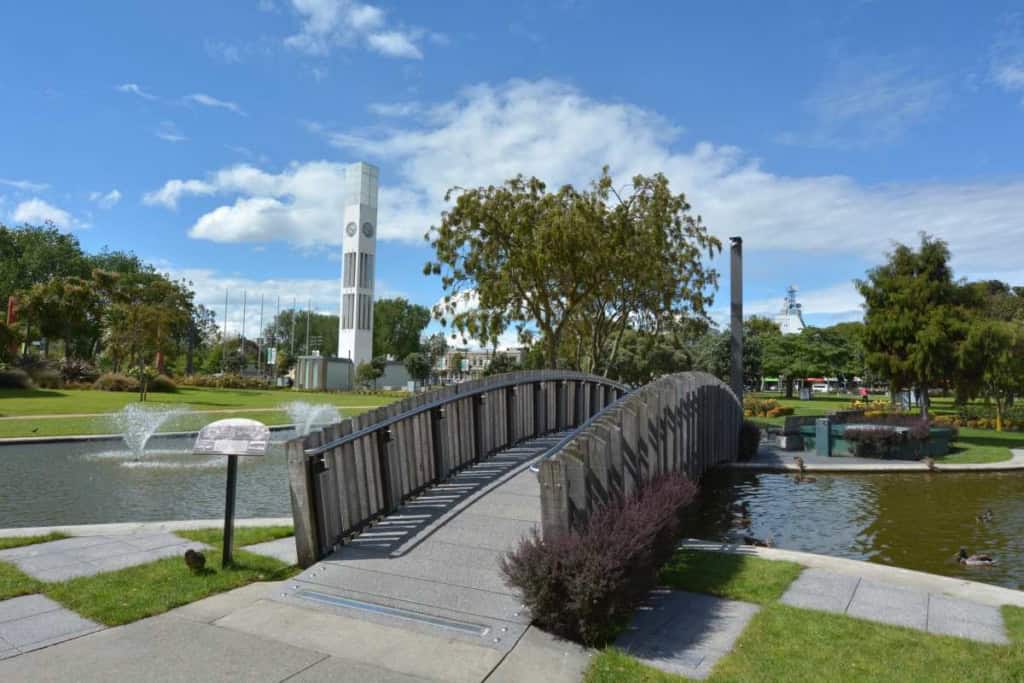
The average cost of living in Palmerston North ranges from $1,460 per person, nearly 30% lower than in New Zealand’s most expensive city, Wellington.
The Average Cost of Living in New Zealand
When planning your move to New Zealand, it’s important to factor in the costs of rent, groceries, utilities, transportation, mobile phone plans, and other essential expenses.
To help you prepare your budget, we’ve done the research for you. Below is a detailed breakdown of the average costs for housing, food, entertainment, transportation, and other lifestyle essentials in New Zealand.
Housing Costs in New Zealand
When renting, keep in mind that utilities like water and garbage collection are usually included in the “rates” (municipal fees).
Below is a comparison of monthly rental and house prices in Wellington (the most expensive city in New Zealand) and Palmerston North (one of the most affordable cities).
Expense | Wellington | Palmerston North |
One-Bed Apartment in the City Center | $1,163-$1,550 | $716-$1,193 |
One-Bed Apartment Outside the City Center | $954-$1,467 | $298-$1,044 |
Three-Bed Apartment in the City Center | $1,908-$2,624 | $1,431-$1,954 |
Three-Bed Apartment Outside the City Center | $1,747-$2,087 | $1,288-$1,372 |
Utilities (gas, electricity, internet) | $119-$338 | $83-$338 |
The Cost of Food, Entertainment, and Dining Out in New Zealand
Immigrants who move to New Zealand should budget approximately 30% of their monthly expenses for groceries and entertainment.
Food and Household Items
Food prices are highest in New Zealand’s most expensive cities. Take a look at how the cost of grocery staples in Wellington compares to the cost in Palmerston North.
Expense | Wellington | Palmerston North |
Milk (1 Liter) | $2.09 | $1.94 |
Loaf of bread (500g) | $2.36 | $2.36 |
White rice (1 kg) | $1.90 | $1.43 |
One dozen eggs | $7.62 | $5.31 |
Local cheese (1 kg) | $9.04 | $6.96 |
Chicken fillets (1 kg) | $10.43 | $10.33 |
Apples (1 kg) | $3.37 | $2.74 |
Water (1.5 Liters) | $1.29 | $0.98 |
Domestic beer (0.5 Liters) | $3.49 | $2.86 |
The Cost of Dining Out
Dining out in New Zealand is relatively affordable, and tipping is not customary. Lunch for one person at an inexpensive cafe costs between $11 and $30. Meanwhile, a three-course dinner for two at a mid-range restaurant averages $60-$120. Ordering an imported beer at a restaurant can add an extra $5 to $9 to your bill.
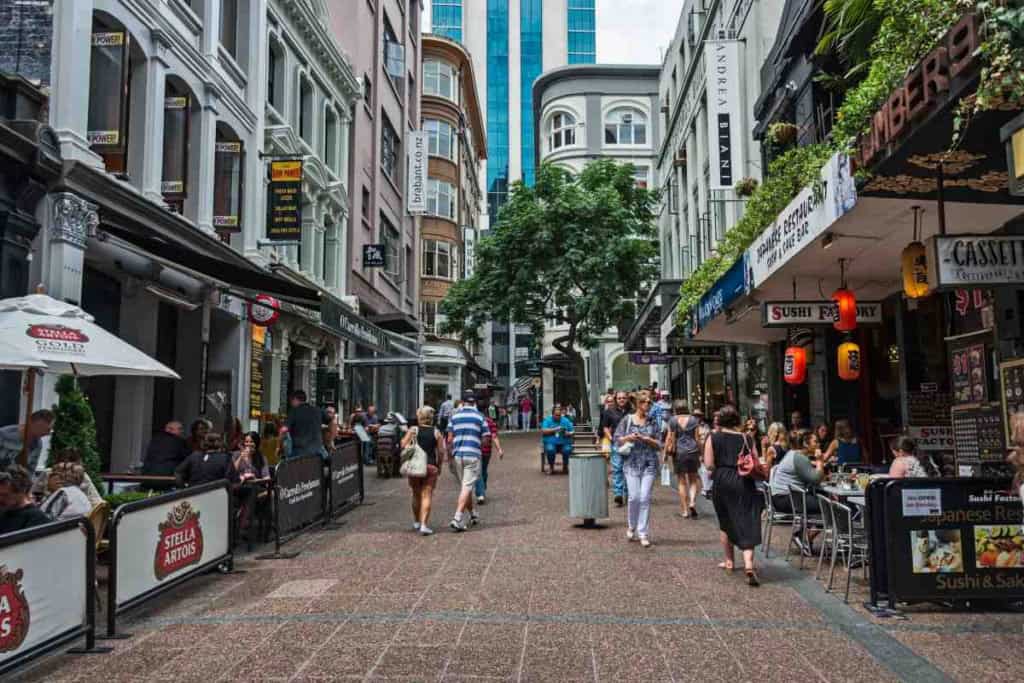
For comparison, a complete meal at a New Zealand McDonald’s (similar to a combo meal in the U.S.) will cost around $9-$12.
The Costs of Entertainment in New Zealand
Many people in New Zealand lead an active lifestyle, with countless opportunities for walking, hiking, cycling, swimming, sailing, and running – many of which are free. However, if you prefer working out at the gym, a monthly fitness club membership typically costs between $15 and $71.
New Zealand also hosts a variety of free annual music and cultural festivals. For movie lovers, a pair of cinema tickets for an international movie release averages between $18 and $30.
The average monthly fee for a fitness club is around $40, while renting a tennis court for one hour on the weekend typically costs about $15.
Transportation Costs in New Zealand
Public transportation in New Zealand is not as strong as in some countries. Aside from cars, buses are the most common way to travel between cities.
The average cost for a one-way ticket on local intercity transportation ranges from $1.50 to $3.60, while a monthly pass typically costs between $60 and $143. However, public transportation is significantly more expensive in Auckland and Wellington. A monthly bus pass costs around $130 in Auckland and between $76 and $143 in Wellington.
If you’re planning to buy a car once you arrive in New Zealand, a Volkswagen Golf can cost between $23,000 in Palmerston North and $27,000 in Wellington.
Understanding Healthcare Costs in New Zealand
New Zealand’s healthcare system is renowned as one of the best in the world. However, not all expats are eligible for coverage under the public program. Immigrants may qualify for public healthcare if they have residency status or have held a valid work visa for at least two years.
Even if you qualify for public healthcare, long wait times are common, and it may take months to see a specialist. Therefore, having private health insurance in New Zealand is the best way to ensure timely medical care.
Many foreigners opt for international private health insurance to gain quicker access to top doctors and hospitals in New Zealand.

Ready to Relocate to Middle-earth?
Life among the Kiwis is truly enjoyable and within reach, thanks to New Zealand’s relatively moderate cost of living compared to many Western countries. With a relaxed lifestyle, stunning natural landscapes, and a reputation as one of the safest countries in the world, it’s easy to see why many choose to call it home.
The cost of living allows residents to enjoy a comfortable life while embracing the outdoors, making it a fantastic option for those seeking both adventure and affordability. In fact, New Zealand was ranked as the best country for work-life balance in 2023, making it an ideal destination for those seeking a balanced, fulfilling life with a manageable budget.
Enjoy Life Abroad With the Right Coverage
From everyday expenses to unexpected medical needs, make sure you’re fully prepared. Explore health insurance options that support your lifestyle abroad.