International Health Insurance
Gain valuable insights and practical tips for navigating international health insurance while living abroad. From coverage details to expert advice, this comprehensive guide helps travelers…

International medical cover for expats and their families.
Medical and trip cancellation coverage for international travel.
Life insurance for globally mobile individuals living or working abroad.
Comprehensive international medical coverage for groups.
Medical, accident, and liability protection for global travel.
Financial protection for employees worldwide.
Most Popular Country Guides
Healthcare, insurance, and living insights to plan life and travel in each destination.
Healthcare, safety, and practical guidance for living abroad.
Tips and guidance for safer, smarter international travel.
Resources for global mobility, HR, and international teams.
Find the best travel insurance for Mexico for medical emergencies, trip cancellations, and more, as well as top travel tips for a safe trip.
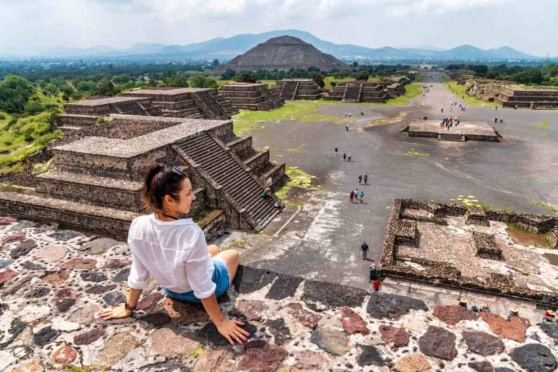
Mexico is a popular destination, ranking as the top international getaway for Americans and the second for Canadians. While it offers unforgettable experiences, travelers face risks, ranging from food-related illnesses to unexpected disruptions due to safety issues. That’s why investing in travel insurance for Mexico is a wise choice, as it protects you if things don’t go as planned.
This article will guide you through the key coverage options, costs, and how to choose the best plan.

Travel insurance isn’t legally required for travel to Mexico, but it is highly recommended. While the country offers an amazing experience for travelers, unexpected situations, such as medical emergencies, trip cancellations, lost luggage, or natural disasters, can quickly derail your plans.
Without insurance, these disruptions can be costly, leaving you financially vulnerable. A travel policy provides the protection you need for unforeseen events.
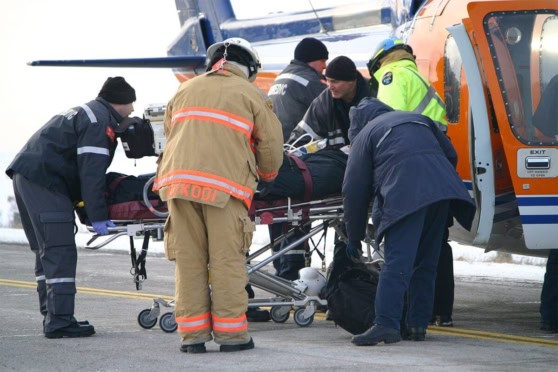
If you fall ill or have an accident in Mexico, medical expenses can add up quickly. English-speaking clinics, ambulance rides, and hospital stays can be almost as expensive as in the U.S.
Having coverage ensures you receive the treatment you need without worrying about the financial burden. Moreover, some Mexican hospitals may require proof of insurance before providing care.
That’s why it’s crucial to have travel medical insurance that Mexican providers accept so you can access the care you need without complications.
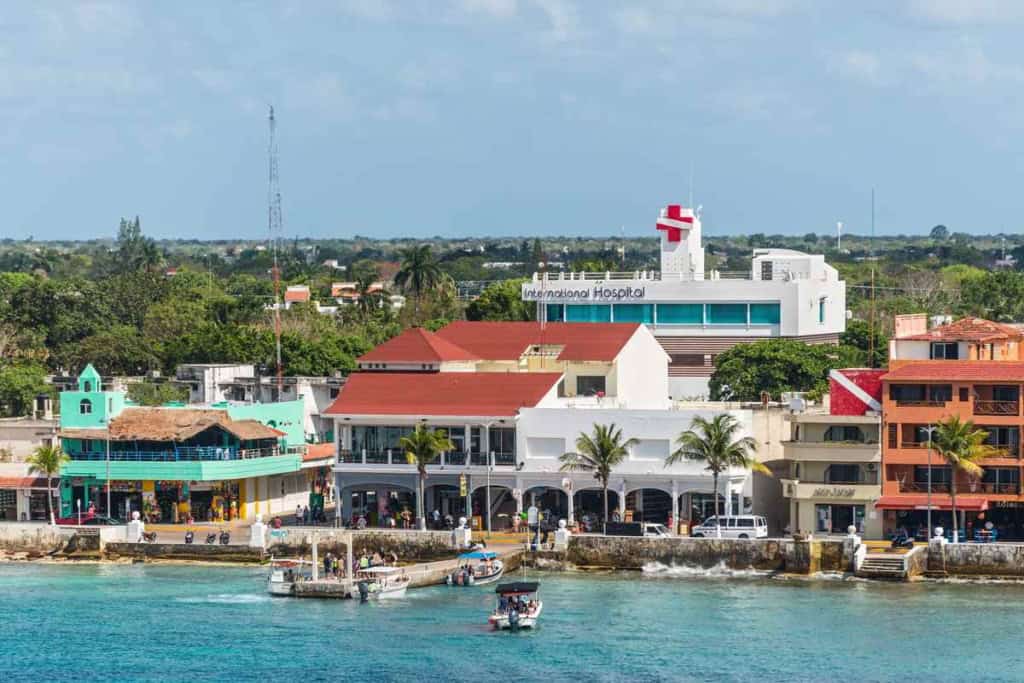
It’s also important to note that most U.S. health insurance plans, including Medicare, do not cover care in Mexico.
Despite the close proximity of the two countries, many U.S. citizens are surprised to learn that their domestic health insurance doesn’t cover them for medical emergencies or routine care while abroad.
If you’re a U.S. traveler, check with your provider to confirm whether any coverage applies during short trips abroad.
In most cases, you’ll need travel health insurance for Mexico to receive benefits similar to those of your U.S. plan. Some policies even offer telehealth services in your home language, making it easier to get medical advice abroad.
If you need to cancel your trip due to unforeseen circumstances, such as a family emergency or illness, you may incur non-refundable costs for flights, hotel bookings, and tours.
Travel insurance can provide trip cancellation coverage, reimbursing you for these costs so you don’t lose money.
Similarly, in the event of a natural disaster or other travel disruptions, you may face flight cancellations or delays, which could lead to extra costs for lodging and meals.
Many policies include trip delay coverage, helping to cover these additional expenses so you’re not left paying for situations beyond your control.
Do you have travel insurance through your credit card? While many credit cards offer some level of coverage, their reimbursement limits are typically designed for domestic travel and may not provide adequate protection for international trips.
It’s often not enough to cover the specific risks associated with a trip to Mexico, especially for groups or families traveling together.
For this reason, it’s crucial to review your credit card’s coverage before relying on it as your primary insurance for a trip to Mexico.

As the top destination for U.S. travelers, Mexico offers an incredible variety of experiences. However, many people wonder, “Is it safe to travel to Mexico?”
While the country provides countless opportunities for adventure and relaxation, it’s important to acknowledge that certain risks may arise, making travel insurance an essential part of your planning.
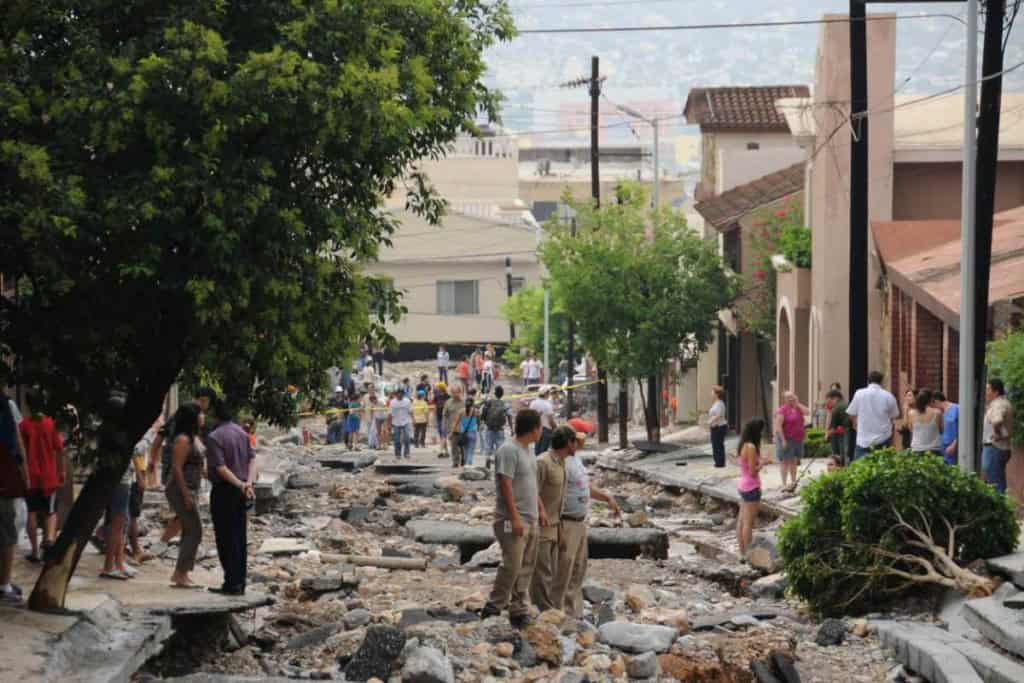
A Mexican travel plan can protect you when an adventure takes an unexpected turn. Here are some common risks unique to traveling in Mexico:
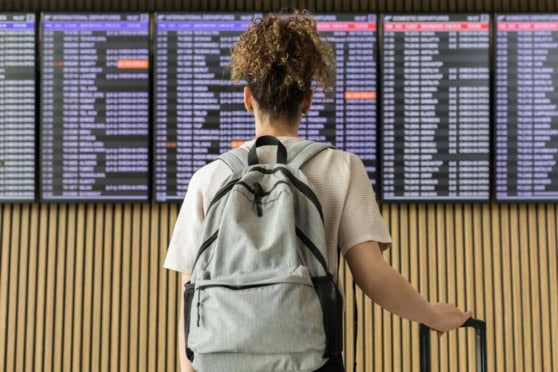
Travel policies cover both medical needs and trip-related mishaps, providing financial support when things don’t go as planned.
Most plans include coverage for medical expenses, emergency evacuation, trip cancellation or interruption, lost or delayed luggage, travel delays, and repatriation of remains.
However, standard policies often exclude coverage for pre-existing medical conditions, elective treatments, routine care, and injuries from high-risk activities, unless you’ve added an adventure sports rider. Notably, claims may also be denied if the incident involves alcohol, drugs, reckless behavior, or illegal activity.
That’s why it’s essential to read the fine print when comparing travel insurance plans, so you clearly understand what is and isn’t covered.
Read more about the benefits of international travel insurance, including medical care, trip cancellations, and more.
Mexico is often praised as an affordable travel destination, and fortunately, travel insurance tends to be budget-friendly as well.
However, premiums can increase based on your age, trip length, health status, and any additional coverage options you choose.
For example, a 25-year-old traveling from the U.S. to Mexico for two weeks might pay between $10 and $30 for a travel medical plan, while a 65-year-old could expect to pay between $40 and $100 for similar coverage.
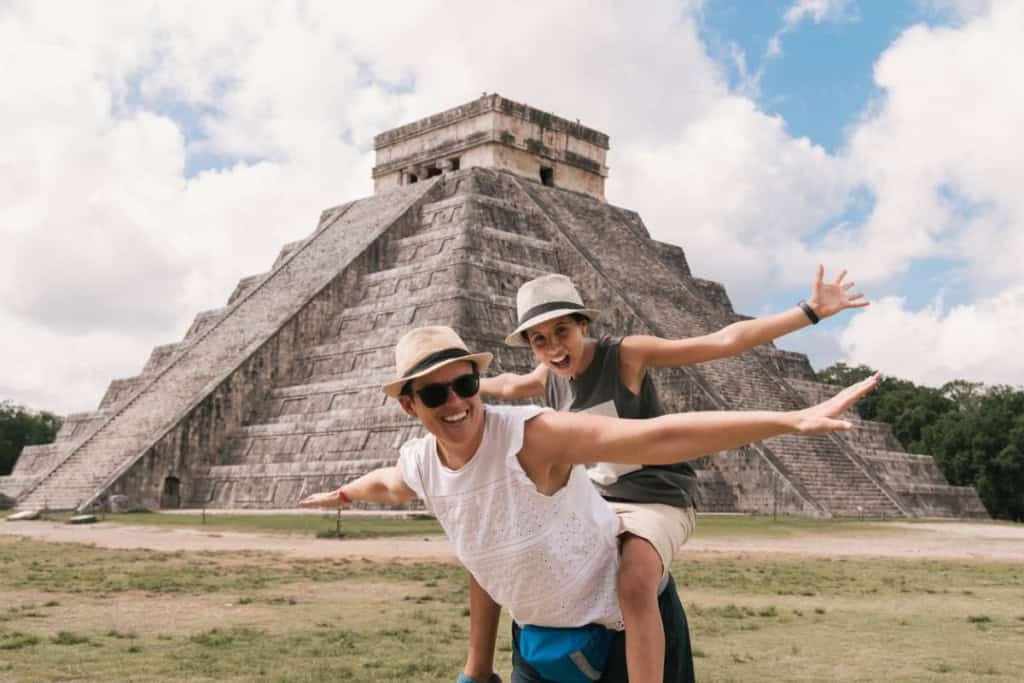
Costs may also rise if you select a low- or zero-deductible plan, add coverage for adventure sports, or require protection for pre-existing medical conditions.
Other factors influencing cost include the premium (whether paid upfront or in installments), deductible (the amount you pay out of pocket before coverage kicks in), co-pays for specific services, the extent of emergency and trip disruption coverage, and any policy exclusions.

On a Budget? Consider choosing a higher deductible and slightly lower coverage levels. By customizing your plan, you can find the right balance between cost and protection to suit your needs. Be sure to shop around and compare options to find the best plan for both your budget and coverage requirements!
Here are five key questions to help you choose the right coverage for Mexico. Each section highlights important terms to look for in your policy.
If you’re a “snowbird” spending up to three months in Mexico during the winter or a busy traveler squeezing in a quick getaway, a travel plan can protect your investment.
Whether you’re booking a cruise or a resort stay, trip cancellation coverage can help safeguard your travel budget in case plans change.
Many travelers are most concerned about accessing emergency medical care abroad. Be sure your policy includes emergency medical coverage and hospital expenses.
If you have pre-existing medical conditions, check whether the insurer offers pre-existing condition waivers or temporary coverage.
Also, consider medical evacuation or repatriation coverage, which can help arrange and fund your return home after a serious medical emergency.
Travelers often pack valuable items, such as laptops for remote work, scuba equipment, or photography equipment.
Look for theft and loss coverage, and make sure your policy includes protection for high-value personal belongings.
Whether you’re lounging at an all-inclusive resort, joining guided tours, or planning solo adventures, make sure your policy matches your plans.
If you’ll be zip-lining, surfing, or hiking, you may need adventure travel insurance or coverage for extreme sports.
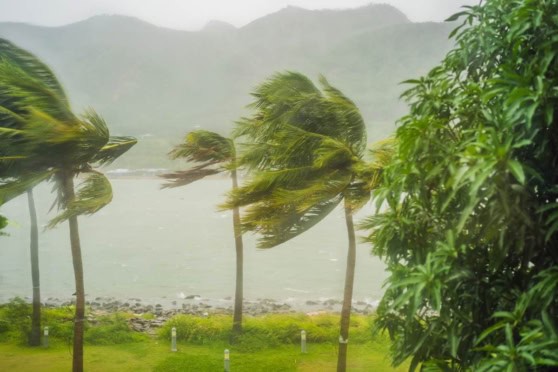
Tropical storms, coastal flooding, and even volcanic eruptions can disrupt travel in Mexico. In 2024, multiple flights from Mexico City were grounded due to volcanic ash.
Check if your plan includes natural disaster coverage to protect against trip delays or cancellations caused by severe weather.
Below are our top travel insurance recommendations for Mexico, each tailored to cover various needs – from medical emergencies to trip protection and more.
The IMG Patriot Platinum plan is one of the most comprehensive travel medical insurance options available for visitors to Mexico, offering top-tier medical coverage, global emergency services, and valuable travel benefits.
Whether you’re traveling for business, vacation, or an extended stay, this plan delivers dependable protection against medical emergencies, the acute onset of pre-existing conditions, and unexpected travel interruptions.

The BCBS Global Solutions Single Trip Platinum plan is an excellent choice for U.S. citizens visiting Mexico. It is affiliated with Blue Cross Blue Shield and provides access to a premium network of doctors and hospitals worldwide.
BCBS Global Solutions also offers 24/7 customer support, telemedicine, and prescription drug coverage. Notably, it’s considered the best travel insurance for Mexico for older U.S. citizens, offering the highest level of coverage for seniors traveling abroad.
With Trawick Safe Travels AnyReason, U.S. citizens and residents can visit Mexico knowing they have both flexibility and financial protection against unexpected changes to their trip itinerary.
This plan offers one of the best Cancel for Any Reason (CFAR) benefits at no additional cost. Trawick will reimburse you for up to 75% of your prepaid, non-refundable trip expenses if you have to cancel your trip for reasons beyond the standard covered events.

World Nomads Travel Insurance is a top choice for non-U.S. citizens seeking a travel plan with trip cancellation coverage. Policyholders can recover non-refundable expenses such as flights, accommodations, and prepaid activities.
Beyond trip cancellation coverage, World Nomads also provides coverage for over 200 adventure activities, emergency medical expenses, emergency evacuation and repatriation, and protection against loss or theft of baggage and personal belongings.

Before jetting off to Mexico, it’s important to ensure that your health and safety are well taken care of. While risks can always arise, they are manageable with proper preparation.
By following the guidelines below, you’ll meet medical and insurance requirements while ensuring a safe and memorable trip.
The Centers for Disease Control (CDC) has a Healthy Travel Packing List of additional medical items you should bring to Mexico. You can get most of these at your local pharmacy.
You may also want to check the CDC’s travel health notices for any updates on health risks in the country.
Mexico does not require travelers to show proof of vaccination. However, the CDC recommends the following vaccines for travelers to the region:
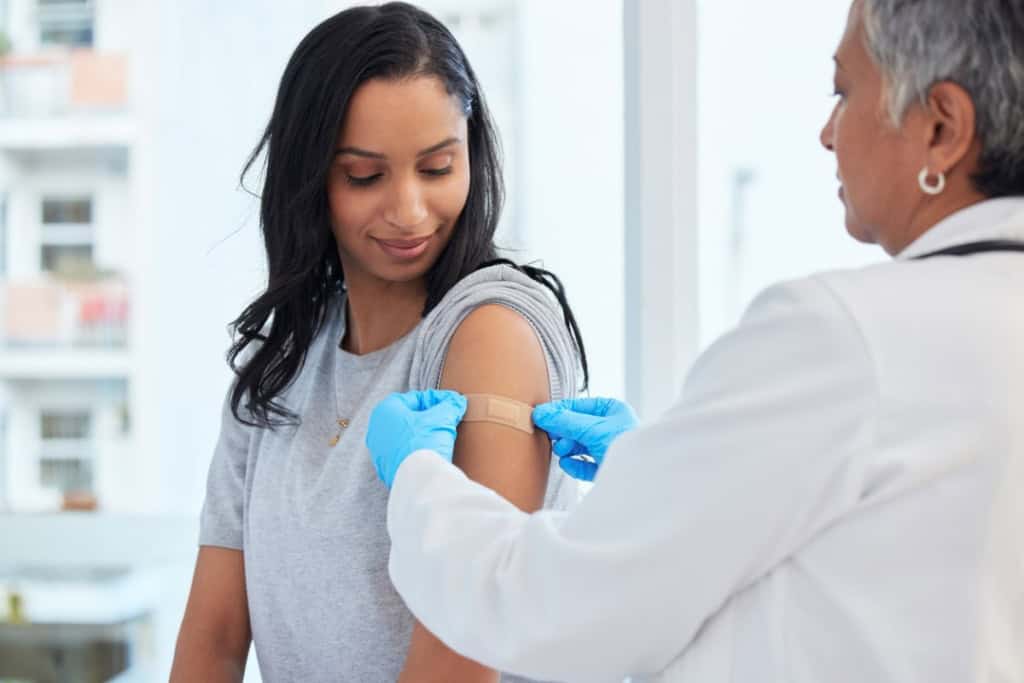
If you plan to work with animals or wildlife or engage in activities like caving, the CDC recommends getting a rabies vaccine. Additionally, if you’re visiting rural or smaller cities, consider vaccinations for typhoid and, in some areas, malaria.
Certain areas of Mexico may also be affected by mosquito-borne diseases, including dengue, leishmaniasis, and Zika. Be sure to bring insect repellent and take steps to avoid bug bites.
Learn the lingo! Spanish is the primary language in Mexico. If you don’t speak it, try a few translation apps on your smartphone before you go. That way, you’ll be prepared when you need a Spanish translation in a hurry. Check out our Tips for Learning a Foreign Language.
You are allowed to bring most prescription medications for personal use into Mexico. Be sure to carry them in their original packaging, along with copies of your prescriptions or a letter from your doctor.
It’s best to keep your medications and any medical equipment (such as syringes or needles) in transparent bags in your hand luggage.
Importantly, the U.S. Embassy to Mexico advises that: “It is illegal to bring into Mexico some over-the-counter medicines commonly used in the United States, including inhalers and some allergy and sinus medications.
Specifically, products that contain stimulants (medicines that contain pseudoephedrine, such as Actifed, Sudafed, and Vicks inhalers) or codeine are prohibited.”
Visitors to Mexico will find international clinics with multilingual staff, including after-hours clinics, in major cities across the country.
However, medical care in private clinics tends to be more expensive than in the past, with consultation prices starting from $40 to $70. Be aware that you may also need to pay for emergency hospital care and ambulance services, sometimes with fees exceeding $1,000.
In rural or remote areas of Mexico, you may need urgent medical evacuation, which is even more costly. Always ask for a factura (receipt) for any medical services to support your insurance claims.
Most tourist areas have plenty of pharmacies that cater to visiting foreigners. Larger cities typically have 24-hour pharmacies, and you may want to consider going to a Primera Clase pharmacy (often associated with hospitals), as they are more likely to offer quality medication and English-speaking staff.
Read more about traveling internationally with prescription medication, including navigating laws, securing documentation, and ensuring your health needs are met overseas.
Before your trip, check your government’s travel advisory for Mexico. While most areas are safe, some regions may experience violence or political unrest.

Mexico has a reliable emergency system. If you experience theft or loss, contacting emergency services helps create a police report, which is often required for insurance claims.
Emergency operators may be able to connect you with assistance in your language, though you may need to be patient.
The main number for all types of emergencies in Mexico is 911. You can also call some specific numbers:
LOCATEL is a Mexico City hotline that provides emergency assistance, helps locate missing vehicles, and offers referrals to medical or legal professionals. Call 555-5656-111 and press 6 for English-language support.
Call the Angels! On Mexican Federal Highways and toll roads, tourists can get assistance from the Ángeles Verdes (Green Angels), a free roadside service. Call 078 any time – they operate 24/7 and speak both English and Spanish. While towing and repairs are free, you may need to cover the cost of any replacement parts.
It’s good to have your country’s embassy contact information on hand in case of emergencies, lost passports, or legal issues.
Save these numbers in your phone before your trip so you can reach them quickly if needed.
Here are the contact details for some of the major embassies in Mexico:
Naturally, safety is a top priority when preparing for your adventure in Mexico. While news reports about violence or kidnappings can be unsettling, it’s important to keep things in perspective.
According to the 2025 Global Peace Index, Mexico is only slightly less peaceful than the United States, with a rating of 2.63 compared to the U.S. at 2.44. As with any travel destination, the key to a safe and enjoyable trip is to stay informed and make smart choices.
If you’re looking for the most secure and stress-free experience, consider staying at an all-inclusive resort, joining a cruise, or booking a guided tour. These options typically offer greater security, convenience, and support.
That said, no matter how or where you travel in Mexico, it’s important to follow a few common-sense safety tips to help ensure your trip goes smoothly. Here are 10 essential travel safety tips to keep in mind.
International news stations often cover stories on the tolls of the drug war in Mexico. This violence is typically confined to those involved in Mexico’s drug trade and Mexico’s security forces. Visitors to the country are rarely targeted.
To stay safe, focus on well-known tourist areas. When driving, stick to main roads and highways or opt for flights, guided tours, or tourist train routes for added security.
Before traveling to Mexico, check for any relevant travel advisories from your government. These will provide important security information.
Also, stay up to date on news about your specific destinations. A tranquil location can become tense overnight after an unexpected event.
Unfortunately, both tourists and the places they stay can be targets for theft in Mexico. Staying alert to your surroundings, minimizing the cash and valuables you carry, and avoiding expensive gadgets in plain view can reduce your risk.
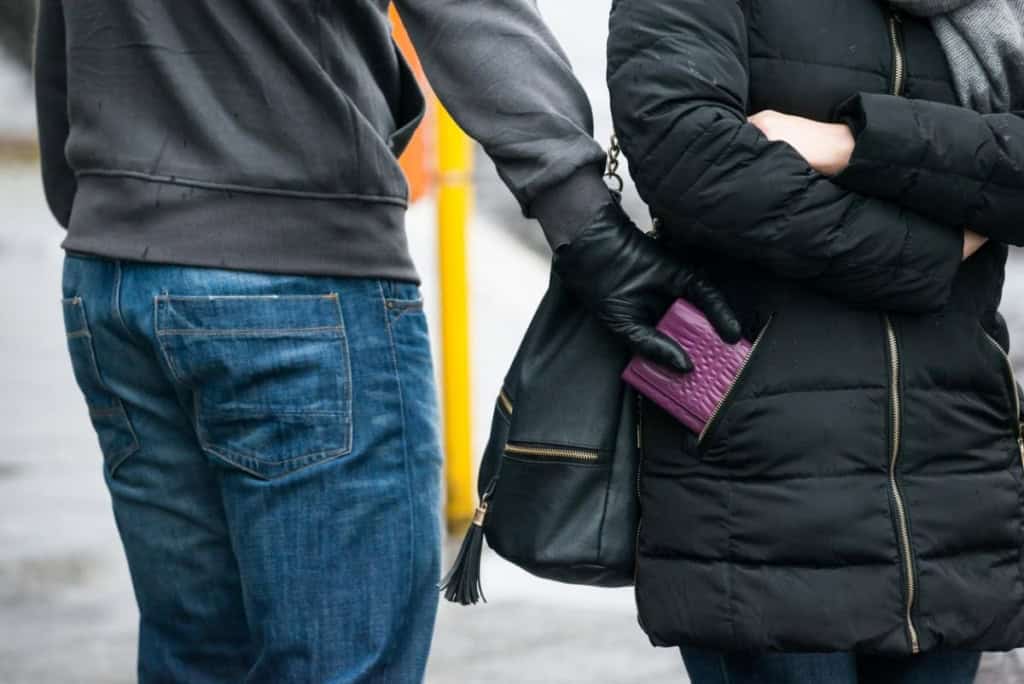
Pickpockets and bag snatchers are the most common threats to visitors. They often work in teams to distract victims in crowded and busy locations. If a cute kid or pretty girl “accidentally” bumps into you, check for your wallet and phone!
In your hotel or Airbnb, use the safe to store valuables such as electronics and passports. For other items, always stow them away when you’re not in the room; never leave them in plain sight.
Mexico’s water supply is known to cause digestive issues for tourists. Be very cautious about using tap water.
Always brush your teeth using sealed bottled water, and ask about the water and ice served in restaurants and bars. Avoid drinks made with tap water, such as juices or cocktails. Drinks from cans or bottles are usually safe.
Be cautious about food as you would anywhere. Make sure that meat is thoroughly cooked, and choose busy, well-established restaurants where food is less likely to have been sitting out for too long.
Be cautious about salads and raw vegetables, as they may have been washed in tap water.
As with many popular destinations, Mexico has its share of tourist scams. To protect yourself, stay alert, be skeptical of deals that seem too good to be true, and avoid anyone aggressively trying to sell you something in public spaces.
Scams have become more sophisticated. To reduce the risk of skimming, avoid using ATMs outside banks and consider using an RFID-blocking wallet to protect your cards.
One common tourist scam in Mexico is being overcharged by unregistered “taxis,” especially those hailed on the street. This can be an unpleasant and intimidating experience.
If you need a ride, ask your hotel or lodging to recommend or send an official taxi. In large cities, you can also use rideshare services like Uber.
Use Official Taxis. There can be tension between Uber and traditional taxis in Mexico. As a result, getting a ride-share at some airports may be difficult. For airport transfers, most airports have official taxi stands where you can pay for your ride in advance and take the receipt to the taxi line.
Mexico’s warm weather and beaches attract many tourists, but excessive heat can be dangerous. Air conditioning is also less common in Mexico than in the US, so it’s important to stay hydrated and seek shelter in cool or shaded areas if you start overheating.
On beaches, be mindful of sun exposure, as it can lead to heatstroke. Always wear sunscreen and a hat, and take regular breaks to cool off, especially during the hottest parts of the day.
Mexico offers every driving challenge imaginable, from jam-packed urban streets to unpaved mountain roads. Be aware that police may stop tourists for both valid and questionable reasons, and may sometimes ask for fines.
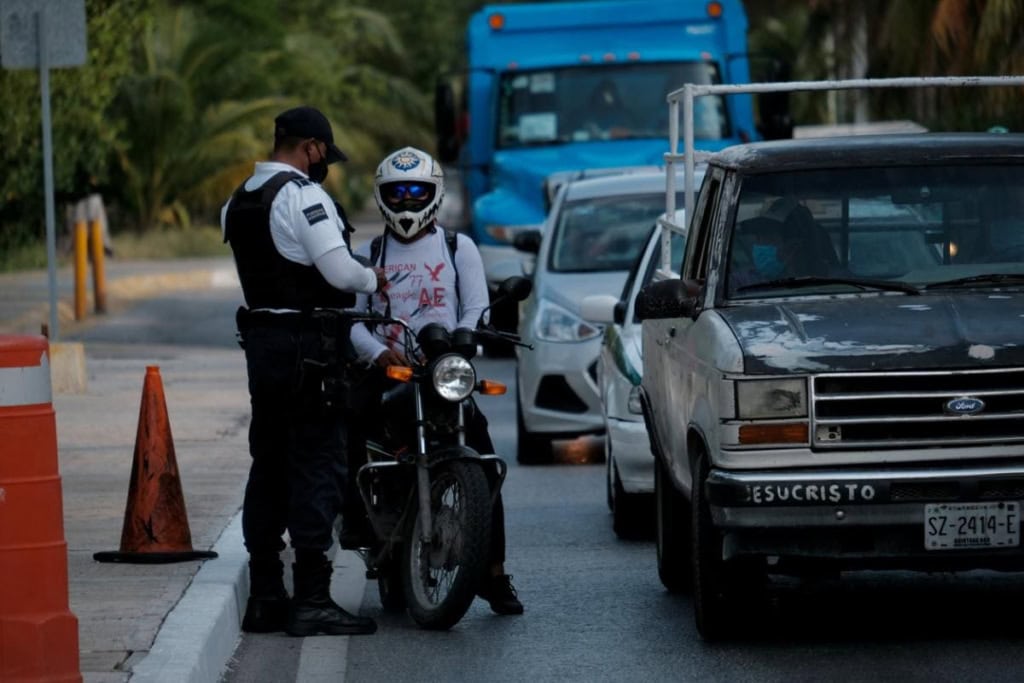
Rental cars parked in unsecured areas can also be vulnerable to theft of valuable parts, like mechanized mirrors, while they’re parked.
To avoid these difficulties, drive only during the day, on major roads and highways, and always park securely. If your trip focuses on cities like Mexico City or the southern regions, or if you can rely on planes or trains, consider skipping the rental car altogether.
Mexico is a popular destination for partygoers, but it’s important to drink responsibly. Staying sober reduces the chances of falling victim to scams, consuming unsafe food, or getting into risky situations. There have been reports of drink spiking affecting tourists in Mexico, so always keep an eye on your drinks.
Mexican pharmacies often sell medications without a prescription, but some could be counterfeit or unsafe. Avoid buying medication for recreational purposes, especially when combined with alcohol, as it can impair your judgment and safety.
While small amounts of recreational drugs are legal in Mexico, it’s best to avoid them altogether. This helps you steer clear of legal issues and the risk of getting involved in drug-related violence. Also, remember that insurance won’t cover injuries or accidents that occur while under the influence of alcohol or drugs.
Mexico has excellent internet coverage in its cities and towns, but coverage can be spotty when traveling between cities. To ensure you have access to maps and other essential information, download Google Maps before you leave.
Keep your travel documents handy, especially when crossing borders or encountering police. Whether it’s lodging reservations, prescriptions, or trip-related correspondence, it’s a good idea to download and have these ready for quick access.
Print out key documents to ensure you can share them securely, and avoid handing your passport or phone to others unless absolutely necessary.
Whether you’re searching for adventure, relaxation, or cultural discovery, Mexico offers something special for every traveler.
From women and people of color to LGBTQ+ travelers, resort lovers, and adventure seekers, people from all walks of life are sharing their stories and inspiring others to experience the magic of Mexico.
But no matter what kind of traveler you are, one thing is clear – investing in coverage is essential. With the right plan, you can explore the country with confidence, knowing you’re protected, no matter what comes your way. With this peace of mind, you can focus fully on the adventure at hand.
So, are you ready to embark on your worry-free journey? Get a free quote now and find the best coverage for your Mexican adventure!