
International Health Insurance
Gain valuable insights and practical tips for navigating international health insurance while living abroad. From coverage details to expert advice, this comprehensive guide helps travelers…

International medical cover for expats and their families.
Medical and trip cancellation coverage for international travel.
Life insurance for globally mobile individuals living or working abroad.
Comprehensive international medical coverage for groups.
Medical, accident, and liability protection for global travel.
Financial protection for employees worldwide.
Most Popular Country Guides
Healthcare, insurance, and living insights to plan life and travel in each destination.
Healthcare, safety, and practical guidance for living abroad.
Tips and guidance for safer, smarter international travel.
Resources for global mobility, HR, and international teams.
Find the best travel insurance for Indonesia for medical emergencies, trip cancellations, and lost luggage, plus safety tips for your trip.
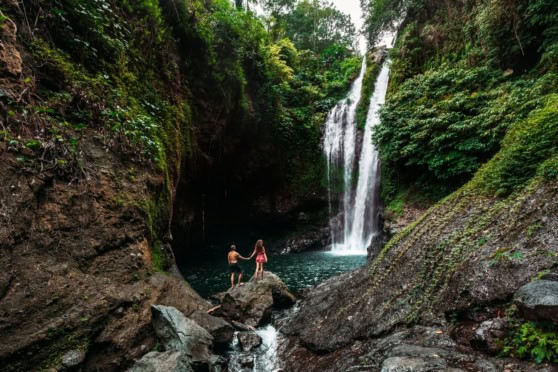
Indonesia is one of the world’s top destinations. This beautiful country is a tropical archipelago of over 17,500 islands, including Bali, Java, Komodo, and many more. Every type of travel experience awaits: luxury resorts, backpacker fun, and serious exploration.
Yet health emergencies, travel delays, and natural disasters can disrupt your travel to and in Indonesia. Discover the essential information you need to know for a safe and insured travel experience in Indonesia.

Visitors to Indonesia should have comprehensive travel insurance that includes both trip and medical coverage. This applies to all trips to Indonesia, from a week at a resort to a six-month stint as a digital nomad.
Visitors may need medical care after vehicle accidents, serious sunburn and heatstroke, and tropical and gastro diseases. As of December 2022, Indonesia does not require visitors to hold health insurance or travel insurance; however, it is still a good idea for several reasons.
Indonesia’s healthcare system ranks 45th out of 195 countries, according to the Global Health Security Index. This means that for more complex medical issues, travelers may need to be transported back to their home country for care.
Ensure that your travel health insurance includes repatriation, which covers transportation back to your home country for advanced medical care.
Indonesia is also home to several active volcanoes and regularly experiences earthquakes and tsunamis. Volcanic eruptions in 2015, 2017, and 2019 disrupted air travel to Indonesia. Further travel disruptions can also arise from political unrest within Indonesia. Travel insurance can help with these issues.
Many tourists visit Indonesia for an international experience that is both fun and affordable. But even budget backpackers can and should protect themselves with travel insurance for Indonesia.
Australia’s official SmartTraveller site says frankly, “If you can’t afford travel insurance, you can’t afford to travel. This applies to everyone, regardless of their level of health and fitness. If you’re not insured, you may have to pay many 1000s of dollars up-front for medical care.”
Here are options for international health and travel insurance for Indonesia. When you contact an insurer, please provide them with the duration of your trip or stay and the types of activities you plan to engage in. Someone spending a week in Balinese spas will have different insurance needs than a hiker exploring Indonesia’s national parks.



If you have medical needs or prescriptions, here’s how to prepare for travel to Indonesia.
To travel to Indonesia from September 2022, you must provide proof of COVID-19 vaccination, preferably in the form of a certificate.
Indonesia has launched a new mobile app, SatuSehat, replacing the previous mandatory app, PeduliLindungi. However, it is unclear at this time whether tourists will need to download the app. The Ministry of Health in Indonesia uses this app to expedite the sharing of information and resources on COVID-19 treatment.
Starting on June 9, 2023, the Indonesian Government no longer requires proof of vaccination. However, the U.S. Centers for Disease Control recommends important vaccinations for visitors to Indonesia, including tetanus, Hepatitis A and B, and typhoid.
You can bring over-the-counter medications to Indonesia without filling out any forms. However, to bring prescription medications to Indonesia, you must provide detailed documentation.
Indonesia wants you to provide evidence that your medication is prescribed to you and that you need it. This is especially important for painkillers and for psychiatric drugs.
Common medications that Indonesia prohibits include Tramadol, oxycodone, codeine, morphine, and anything containing amphetamines (ADHD medication is in this category).
What do you need to do to bring your prescribed medications into Indonesia?
Indonesian Customs has the authority to make the final decision on whether your medication is permitted. Importantly, don’t bring medical THC or marijuana. They are not considered medications and are not legal in Indonesia.
Indonesia’s healthcare system is divided between basic government healthcare and private healthcare supported by health insurance. Government healthcare is often limited and may not provide the most current or comprehensive care. Visitors to major cities can expect to use private healthcare.
In Indonesia, a doctor’s visit to a private clinic or hospital costs between $30 and $70 USD. Seek a healthcare provider who speaks your language.
Major cities and tourist destinations typically have English-speaking healthcare facilities, such as hospitals and clinics. These providers are often accustomed to working with international health insurers as well.
If you need emergency care in Indonesia, be prepared. You can expect to pay fees for ambulance service from a private ambulance service. Seek a 24-hour clinic or hospital that speaks your language.
Major cities have some foreign pharmacies. In Indonesian, a pharmacy is called an apotik. A good apotik will have a doctor on site who can issue prescriptions. You may see medications for sale at roadside stalls; these are usually counterfeit and not recommended.
Traveling in rural or wilderness areas of Indonesia? Follow your usual medical precautions and bring everything you might need in case of an emergency. There is a shortage of medical care and emergency medical transport in rural areas. If you frequently require medical care, consider visiting major centers in Indonesia instead.
International travelers need to be aware of travel warnings and alerts. Good news sources for Indonesia include the BBC and The Jakarta Post.
U.S. travelers can sign up for the US Smart Traveler Enrollment Program. Enroll in your trip and get alerts during your time in Indonesia.
Websites with important alerts for Indonesia include:
Here’s a quick guide to emergency phone numbers for Indonesia.
These phone numbers will help you in cities, small towns, and national parks in Indonesia.
Additionally, refer to the Indonesian government’s website for visitors, specifically the “How do I make calls in Indonesia” page.
This list has phone numbers and links for English-language embassies in Jakarta, Indonesia’s capital city. Links also include information about consulates in other parts of Indonesia, especially Bali.
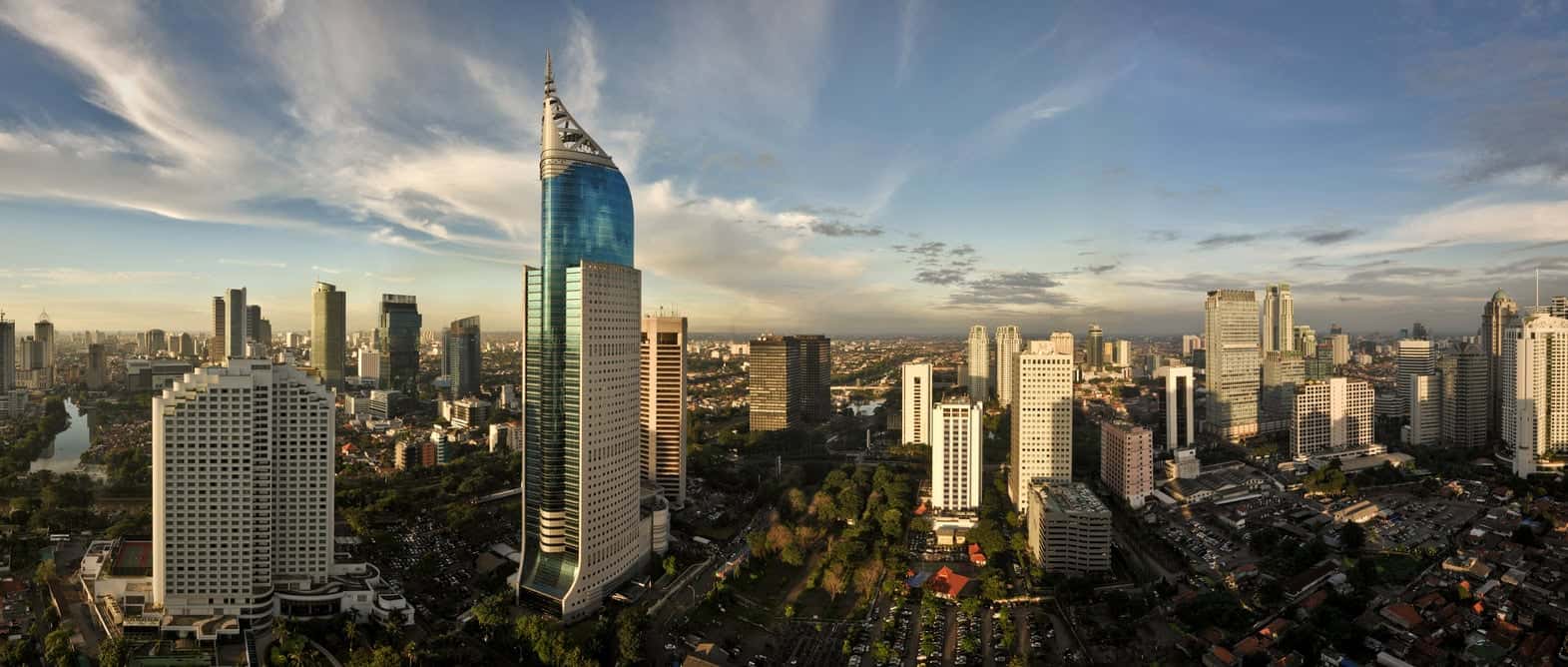
Bali is one of the safest places in Indonesia for visitors. English-speaking providers offer the most essential services, including medical care.
Bali is also one of the world’s top tourist destinations. And if there’s a tourist scam going on, you will find it in Bali. See what SmartTraveller.gov.au has to say about tourist scams and how to protect yourself.
For your safety in Bali, be aware that tourists can also get into trouble due to accidents and theft while riding rental scooters. It’s easy to have a bag snatched while riding a scooter. Also, be cautious in Bali’s party district, Kuta, especially when using mobile phones.
Visiting Jakarta? Take all necessary precautions when visiting a high-risk urban area. Jakarta has a low safety rating among Asian cities. Distracted or tired visitors are at risk of pickpockets, scams, and long travel delays. Avoid taxis that don’t use meters.
Be careful around traffic, especially when crossing busy streets. Foreigners should avoid certain neighborhoods, such as West Jakarta and Blok M in southern Jakarta.
Another risk in Jakarta is ATM crime, where your account is skimmed after using an ATM card. Only use ATM machines directly located at and supervised by banks.
Over the past decade, volcanic eruptions have frequently disrupted travel to and from Indonesia. Be cautious about visiting or hiking near volcanoes that have been exhibiting signs of activity. Prepare in advance by buying travel insurance for Indonesia to cover any disruptions.
Quakes occur in Indonesia and can cause tsunamis along the coast. Indonesia was impacted by the Boxing Day Tsunami of 2004, and other tsunamis have caused damage and loss of life in visitor areas as recently as 2018.
Basic quake safety is to drop, cover, and hold on. If you are near the beach or a coastline, if the quake is “long or strong, get gone” to avoid being in a tsunami zone. The United States Geological Survey provides good earthquake and tsunami safety guidelines.
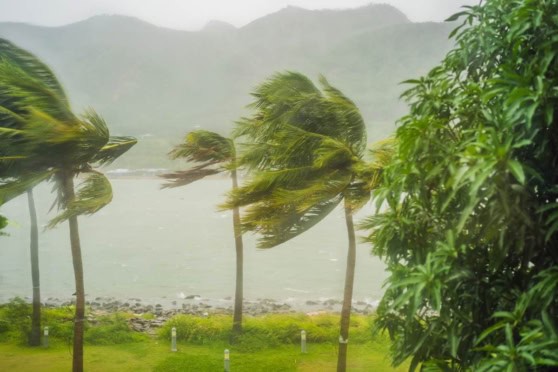
Indonesia’s rural areas hold treasures of culture and nature. UNESCO World Heritage sites and national parks beckon adventurers. You may also travel to rural Indonesia as a volunteer, researcher, or for work purposes.
Be prepared and research what your venture needs. If you are traveling for fun or to take on wilderness challenges, seriously consider taking a tour or traveling with a group.
Be diligent about safety on the ocean, on boats, on dirt roads, and in the wilderness, where you can encounter wildlife, including poisonous snakes. Crime and terrorism happen in remote areas here.
Bring any necessary medications, a first aid kit, and extra supplies for tropical conditions. A satellite tracker is a great item for hikers or kayakers. Learning essential Indonesian will help you in emergencies.
In 2019, over 16 million people visited Indonesia. Almost all of them had a safe and positive experience – and many of them want to return. With changes to travel after 2020, including new digital nomad visas, savvy voyagers know that travel insurance for Indonesia will protect them, regardless of the adventures they choose.