
The Cost of Living in Indonesia
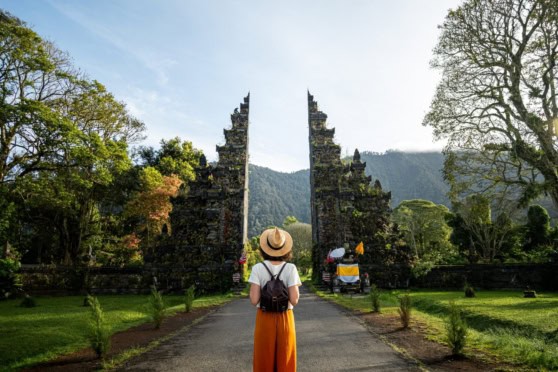
The cost of living in Indonesia is an important factor for anyone considering a move to the “Land of Mother Earth.” The country is known for its stunning landscapes and tropical climate, but its affordability is what truly sets it apart for expats and digital nomads looking to relocate abroad. From vibrant cities to laid-back island towns, it offers a wide range of lifestyles that remain highly affordable.
Here’s what you can expect in terms of everyday expenses, including housing, food, and transportation. All costs are in U.S. dollars (USD), based on May 2026 data from Numbeo.

Planning Your Move to Indonesia? Get Covered
Compare personalized international health insurance options that match your destination, budget, and coverage needs.
✔️ Personalized quotes • ✔️ Expert guidance • ✔️ No obligation
Is Indonesia Expensive?
Indonesia is significantly more affordable to visit and live in than nearby destinations. This includes Singapore, Japan, and Malaysia. Costs are often comparable to, and sometimes lower than, those in the Philippines, depending on the city and lifestyle.
For foreigners moving to Indonesia, life comes with a relaxed tropical climate, rich cultural diversity, and easy access to lush natural landscapes, all at a fraction of the cost of most Western countries. In fact, the cost of living in Indonesia is around 68% lower than in the United States.
According to May 2026 data from Numbeo, it ranks 144th out of 155 countries. This makes it more affordable than most destinations worldwide. On top of that, Indonesia is famous for its incredibly cheap and delicious street food. Meals are available for as little as $1, making everyday living both budget-friendly and enjoyable.
Living Abroad
The Most Expensive Cities in Indonesia
As in any country, the cost of living in Indonesia varies by region. Expats have different options based on their budgets and lifestyle preferences.
The three most expensive cities in Indonesia are also among the most lively and colorful in the country. Due to the opportunities these bustling urban centers offer, they are among the most popular destinations for foreigners. We’ve listed them from most expensive to least expensive.
Ubud
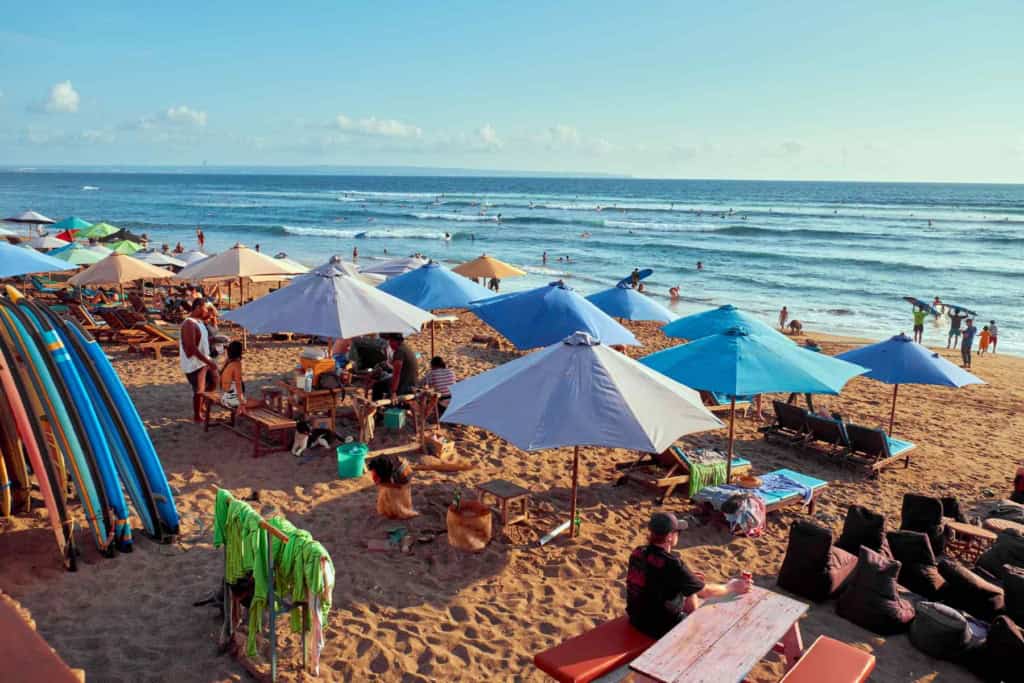
Located on the tourist island of Bali, Ubud is famous for its stunning jungle ravines, rice paddies, and spiritual temples. The city’s numerous yoga and meditation spaces attract many foreigners. Meanwhile, digital nomads are drawn to the many coworking spaces that offer reliable Wi-Fi.

Outdoorsy types won’t be disappointed either. They can hike Mount Batur, explore the iconic Tegallalang Rice Terraces, and interact with monkeys in the Sacred Monkey Forest Sanctuary. Just be sure to keep an eye on your belongings, as these cheeky primates are notorious for their playful antics. In fact, you may end up with fewer items than you went in with!
Monkeys aside, though, Ubud is one of the safest cities in Indonesia. This makes it a popular haven for the local expat community. However, as you might expect, Ubud’s popularity as a tourist and expat destination puts it at the higher end of Indonesia’s cost of living.
For instance, a one-bedroom apartment in the city center costs around $637 per month, while a three-bedroom apartment can go up to $1,139 per month. A meal for two, two movie tickets, and a bottle of wine total about $45. However, many find these costs well worth it for the vibrant culture, beautiful surroundings, and overall quality of life that Ubud offers.
Jakarta
The energetic capital city of Indonesia has much to offer, from vibrant nightlife to ample employment opportunities in the IT, sales, and banking sectors. Jakarta is also the place to enjoy the country’s best street food, retail shopping, and entertainment. A particular highlight is Ancol Dreamland, which features several theme parks and attractions. This includes SeaWorld, Fantasy World, Faunaland, and gondola rides.
The vibrant capital also offers a rich cultural experience. For instance, the National Museum of Indonesia and Bogor Botanical Garden provide excellent opportunities for learning and relaxation. Residents can also enjoy various cultural and arts festivals throughout the year. This includes the Jakarta Independent Film Festival and the Jakarta Fair Kemayoran.
While Jakarta is among the pricier places in Indonesia, its Cost of Living Index is 28.4 compared to New York City’s 100. You’ll certainly get more bang for your buck with accommodation, too. A one-bedroom apartment in Jakarta’s city center costs about $360 a month, which is relatively affordable by global standards. Moreover, a three-course meal for two, plus two movie tickets, costs around $23, making for a cheap night out.
Despite its higher cost compared to other Indonesian cities, Jakarta’s dynamic lifestyle and ample amenities make it a popular choice for locals, expats, and tourists alike.
Surabaya
Surabaya is Indonesia’s second-largest city and the capital of East Java, known as a major commercial, industrial, and port hub. Located on the northeastern coast of Java, Surabaya blends modern urban development with strong historical identity.
Today, visitors can explore colonial-era architecture, busy shopping districts, local markets, and cultural attractions. This includes the House of Sampoerna, Heroes Monument, and the historic Arab Quarter.
Compared with Jakarta or Bali, Surabaya offers a more local and less tourist-oriented experience. Living costs are generally lower than in many major Asian cities. Meanwhile, infrastructure, healthcare, and transportation are relatively well developed. The city is also famous for its food culture, especially East Javanese dishes such as rawon, rujak cingur, and lontong balap.
English is not as widely spoken as in Bali or Jakarta. However, Surabaya has a growing English-speaking community connected to universities, international businesses, and expatriate networks. Younger professionals and students often speak conversational English, and many cafes, coworking spaces, and international schools cater to both locals and foreigners.
With apartments ranging from $300 for a one-bedroom to $835 for a three-bedroom and groceries costing around $60 per week, it offers great value for work and play.
The Most Affordable Cities in Indonesia
Below are the three most affordable cities in Indonesia, ranked from cheapest to most expensive.
Semarang
Nicknamed “The Venice of Java” due to its extensive network of river roads, Semarang is quickly gaining popularity for its affordable cost of living and friendly local community.
Although it has a smaller expat population than Jakarta or Bali, the city’s charm and low living costs attract a growing number of foreigners. It is especially popular among retirees and professionals seeking a quieter lifestyle.
Expats can enjoy a range of international dining options, social clubs, and community events that make settling in easier. Semarang also boasts a lively entertainment scene with annual festivals such as Tawang Fest, the Kota Lama Festival, and the famous Semarang Night Carnival. This showcases local art, music, and culture.
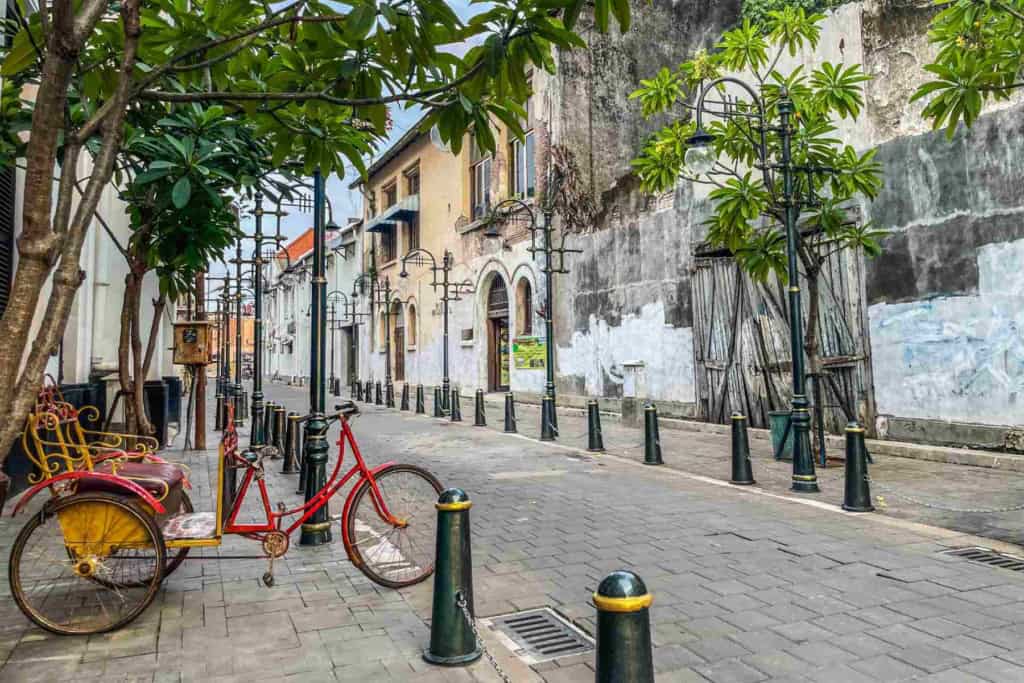
Notably, Semarang is a classic example of a colonial city. Its historic district, Kota Lama, offers a glimpse into the region’s rich history, as evidenced by its well-preserved colonial architecture and charming streets. This area features temples, street food, markets, and various tourist attractions, offering a deep dive into local culture. At the same time, popular shopping malls like Paragon City Mall and Ciputra Mall provide a taste of modern life.
For those with a sense of adventure, Semarang also offers natural wonders like Brown Canyon. Some say it resembles a smaller version of the Grand Canyon in the U.S. This stunning attraction features striking canyon-like landscapes and impressive rock formations, adding to the city’s diverse range of experiences.
All this comes at a very reasonable price. For instance, a one-bedroom apartment in the city center costs around $235 per month. Meanwhile, a three-bedroom apartment costs around $510 per month. You can also enjoy a three-course meal for two, including a draught beer for each person, for just over $10.
Yogyakarta
Located on the island of Java, Yogyakarta is renowned for its rich cultural heritage and traditional art. This makes it an excellent choice for expats who appreciate the finer things in life. Although the city has fewer expats than Jakarta or Bali, its international community is steadily growing. This is largely thanks to its low cost of living, with one-bedroom apartments costing around $220 a month and meals as little as $1.50.
Yogyakarta also offers various expat services and support networks to help newcomers settle in. Some of Indonesia’s top universities, including Gadjah Mada University (UGM) and Yogyakarta State University (UNY), are located here. These institutions attract students from around the world, further enriching the city’s diverse expat community.
Yogyakarta offers a unique blend of traditional charm and modern amenities. This makes it a popular choice for foreigners seeking cultural enrichment and a high quality of life. Attractions such as the Palace of Yogyakarta (the Kraton) and the silver industry in Kota Gede are especially appealing to those interested in local traditions and art.
With its friendly atmosphere, numerous cultural activities, and quality healthcare, Yogyakarta is an ideal destination for retirees, teachers, and students. The availability of English-speaking services makes it even more desirable as a place to call home.
Tasikmala
Tasikmalaya is a mid-sized city in West Java known for its strong Sundanese culture, religious schools, handicrafts, and cooler mountain climate. Often called “Kota Santri” (“City of Islamic Students”), it has a more conservative and traditional atmosphere than larger Indonesian cities such as Jakarta or Bandung.
The city is surrounded by green hills, rice fields, and volcanic landscapes. This gives it a quieter and less hectic feel than many urban centers in Java.
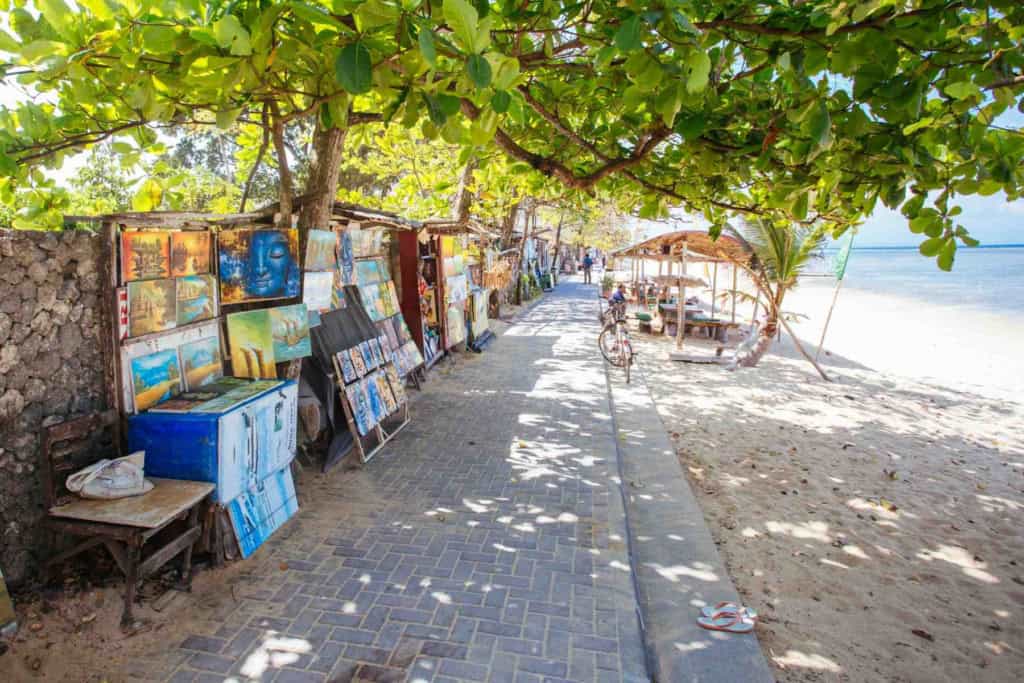
Tasikmalaya is generally considered a safe city with relatively low levels of violent crime. Most incidents involving foreigners or visitors are opportunistic crimes such as pickpocketing, motorbike theft, scams, or petty theft rather than serious violence.
The main attractions around Tasikmalaya are centered on nature and traditional culture rather than nightlife or large-scale tourism. Nearby Mount Galunggung is a popular volcano known for its crater views, hiking trails, and hot springs.
The English-speaking community in Tasikmalaya is fairly small compared to those in Bali, Jakarta, or Bandung. Foreign residents are relatively rare, so daily life is highly local, and Indonesian-language skills are helpful for long-term living and community integration.
Tasikmalaya is one of the most affordable parts of Indonesia. Housing, dining, and entertainment are reasonably priced, making it easier for expats to enjoy a comfortable lifestyle. For example, a one-bedroom apartment in the area only costs around $66 per month. A meal with a beer is about $5, putting it on the lower end of the cost of living in Indonesia.
The Average Cost of Living in Indonesia
To offer more insight, we’ve created tables comparing the cost of living between the most expensive city, Ubud, and the least expensive city, Semarang.
Housing Costs in Indonesia
Renting an apartment is typically the largest expense for most people, and costs tend to be higher in city centers.
To give you a clearer idea of the cost of living in Indonesia, here’s a snapshot of average prices for one-bedroom and three-bedroom apartments, both inside and outside of each city center, as well as standard utilities and internet service.
Expense | Ubud | Semarang |
One-Bed Apartment in the City Center | $561 | $235 |
Three-Bed Apartment in the City Center | $1,995 | $508 |
One-Bed Apartment Outside the City Center | $419 | $144 |
Three-Bed Apartment Outside the City Center | $1,439 | $393 |
Utilities | $72 | $70 |
Internet | $18 | $21 |
Food and Entertainment Costs in Indonesia
Below is a breakdown of average food and entertainment prices in Indonesia. This includes movie tickets, fitness club memberships, alcoholic beverages, meals at fast food and inexpensive restaurants, and essential groceries from supermarkets.

It’s worth noting that eating at street vendors or local warungs is usually cheaper than dining at Western-style restaurants. However, dairy products tend to be more expensive in Indonesia than in the U.S., due to higher import costs and a more limited local supply.
Expense | Ubud | Semarang |
Inexpensive meal | $2.88 | $1.44 |
Three-course meal for 2 | $20.15 | $10.94 |
Domestic beer | $2.30 | $1.73 |
Bottle of wine (mid-range) | $14.39 | $14.39 |
One dozen eggs | $2.29 | $1.44 |
Chicken (1 lb) | $1.98 | $1.24 |
Gallon of milk | $5.64 | $4.28 |
Loaf of bread | $1.90 | $0.94 |
Rice (1 lb) | $0.41 | $0.56 |
Two movie tickets | $8.06 | $4.60 |
Monthly fitness club membership | $58 | $21 |
Transportation Costs in Indonesia
Public transport is the standard method of travel in Indonesia, and fortunately, it’s very affordable. Options include buses, trains, and shared taxis. Renting a scooter for the day is also popular and practical. These can accommodate two people and are ideal for navigating tight spaces and avoiding traffic congestion. However, be careful and follow local traffic rules, as driving them can be tricky.
Notably, ride-hailing apps such as Gojek and Grab can help manage the cost of living in Indonesia. These offer a range of services, including motorcycle taxis (ojeks) and car rides, which can often be more affordable and flexible than public transport.
Check out Indonesia’s transportation costs in the chart below.
Expense | Ubud | Semarang |
One-way ticket for public transport | $0.23 | $0.23 |
Monthly pass for public transport | $14.80 | $14.80 |
Taxi (base price) | $0.47 | $0.86 |
The Cost of Education in Indonesia
Public education in Indonesia is free, but it often suffers from poor management and inadequate funding. Private schools, on the other hand, offer a higher standard of education, with tuition starting at around $1,500 per year.

International schools are the most expensive, with fees reaching up to $12,000 per child per year. Most of these schools are located in major cities, such as Jakarta, and on the island of Bali.
University tuition in Indonesia is generally more affordable than in other regions. On average, it costs about $4,500 per year. This is much lower than in the U.S., where the average is $27,000. In Western Europe, university tuition averages around $4,000 per year. However, some countries, such as Germany, Denmark, and Norway, offer lower-cost options that are comparable to those in Indonesia.

Education Abroad
Healthcare Costs in Indonesia
Indonesia offers free public healthcare, but it often suffers from long wait times and reduced quality of care. According to the 2023 Legatum Prosperity Index, Indonesia’s healthcare system ranks 87th globally, relatively low compared to many other countries.
In contrast, private medical facilities in Indonesia provide shorter wait times and more English-speaking doctors and staff. They are also more likely to have up-to-date medical equipment and better amenities. While private healthcare is not free, it offers a higher standard of care and convenience than the public system.
For these reasons, investing in international health insurance in Indonesia is a good idea. This ensures access to higher-quality care and helps cover medical costs, reducing the risk of high out-of-pocket expenses for private medical services.
There are several private health plans to choose from, including the following:

Cigna Global Insurance Plan
- Flexible plans tailored to your needs and budget
- 1.5M+ providers in 200+ countries
- 24/7 multilingual customer support

IMG Global Prima Medical Insurance
- Five flexible plan levels
- Europe-only and worldwide coverage-area options
- Optional dental and routine maternity benefits, subject to waiting periods
Discover Affordable Island Living in Indonesia
Many people dream of packing up their lives and moving to a beautiful, exotic location. The good news is, you don’t need to be wealthy to make that dream a reality in Indonesia.
With its affordable cost of living, Indonesia offers an accessible paradise for those seeking a change. Imagine living on a stunning island with budget-friendly housing, low-cost meals, and vibrant local culture – all without stretching your budget.
Whether you yearn for the serene beaches of Sanur or the cultural richness of Yogyakarta, you can enjoy a high-quality lifestyle at a fraction of the cost compared to many other countries, including the United States.
Get a Health Insurance Quote
Get personalized health insurance recommendations based on your destination, length of stay, and coverage needs.