
The Cost of Living in India
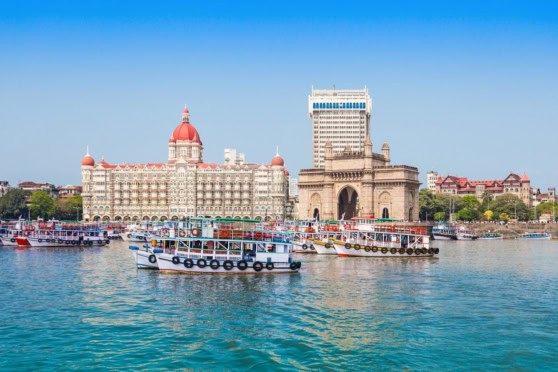
While the Taj Mahal is India’s most famous landmark, expats often find the country offers much more than its iconic sights. From diverse regional cuisines and rich cultural traditions to ancient history and fast-growing tech hubs, India offers a vibrant lifestyle at a significantly lower cost than in the United States.
If you’re planning a move, this article breaks down the cost of living in India, including housing, food, transportation, education, and healthcare, to help you better understand what to expect. All prices in this guide are shown in U.S. dollars and sourced from Numbeo, with data current as of May 2026.

Planning Your Move to India? Get Covered
Compare personalized international health insurance options that match your destination, budget, and coverage needs.
✔️ Personalized quotes • ✔️ Expert guidance • ✔️ No obligation
Is India Expensive?
For most expats, India is considered a low-cost destination compared to global standards, especially compared to countries like the United States, the UK, and much of Western Europe. Everyday essentials such as food, transport, and basic services are generally very affordable, even in major cities. However, costs can vary significantly depending on location and lifestyle.
While cities like Mumbai and Delhi are relatively expensive by local standards, they are still often cheaper than major global hubs such as New York or San Francisco. In contrast, smaller cities and regional hubs can offer an even lower cost of living, making India a highly flexible destination for a wide range of budgets.
Living Abroad
The Most Expensive and Cheapest Places in India
India’s 28 states and eight union territories cover a massive range of geographic features. These include coastal beaches, fertile plains, and parts of the Himalayas.
The cities can vary as much as the landscape itself. They range from pricier, hectic modern metropolises to cheaper, lush, bohemian cities with laid-back vibes.
The Most Expensive Cities in India
Like most countries, the cost of living in India is higher in the biggest cities. For the extra cost, you get access to more amenities, entertainment, and employment opportunities.
Space might be the only limited commodity since some of the most expensive cities in India are also the most densely populated. Mumbai has the most expensive rent in India, yet rent is still 82.5% lower on average than in New York City. The cities that come next on the list are significantly cheaper.
Mumbai
Known as the “City of Dreams,” coastal Mumbai is often referred to on the international stage as the New York City of India. It is the country’s most expensive city and its financial and commercial capital. It’s also the home of the famous Bollywood film industry.
Gurugram (formerly Gurgaon, also known as Hidayatpur)
This northern Indian city, just southwest of New Delhi, has a lot in common with Mumbai but on a smaller scale. Gurugram is also a technology and financial center, known for its massive live entertainment complex, “Kingdom of Dreams.” The city has also become an established destination for medical tourism.
Navi Mumbai
Just east of the Mumbai peninsula, Navi Mumbai is an intentionally planned coastal city known for its lush gardens. With less traffic, air pollution, and population density than its neighbor, it makes a worthy rival for the “City of Dreams.” Navi Mumbai is also a bit more affordable, with rent 92.5% lower on average than in New York.
Bengaluru (formerly Bangalore)
The technology industry looms large in Bengaluru, but so does its green space. Known as much for its parks as its nightlife, there is something for everyone in Bengaluru. According to Numbeo, Bengaluru also offers the highest local purchasing power in India, with rent 91.6% lower on average than in New York.
Delhi (containing New Delhi)
India’s National Capital Territory is a dense, sprawling metropolis of more than 35 million people, with local markets and history around every corner. New Delhi is the capital city, housed within the territory, and home to the Indian government. If you need to escape the crowds, Delhi is also a train hub, making it easy to explore the rest of India.
The Cheapest Cities in India
To live in the cheapest cities in India, you might sacrifice some of the big city atmosphere. What you gain, however, is access to more natural beauty and a calmer way of life with lower population density. For instance, Mumbai has more than 22 million people, while Bhopal has just 2.7 million.
Bhopal
Known as one of the greenest cities in India, Bhopal is also one of the cheapest. Its natural surroundings in central India include two mountain lakes and a national park teeming with local wildlife,, including tigers. Rent in Bhopal is 97% lower on average than in New York City and 83% lower on average than in Mumbai.
Vadodara (also known as Baroda)
Vadodara is known as a green city, with manicured gardens and parks throughout. It is also home to one of the top universities in Asia: Maharaja Sayaji Rao Gaekwad University. This smaller college city offers a relaxed atmosphere.
Kochi (also known as Cochin)
This southwest coastal city has been a port since the 14th century. Its culture reflects its history. Nicknamed Queen of the Arabian Sea, Kochi has been influenced by cultures across Asia and the Middle East, and life revolves around the glittering harbor.
Kolkata (formerly Calcutta)
Often associated with Mother Teresa’s charity work, the city offers colorful annual festivals, impressive colonial architecture, and art museums. Investments in infrastructure have improved the quality of life in recent years.
Chennai (formerly known as Madras)
On the southeastern coast, the city of Chennai has become a hub of automobile manufacturers, earning the new nickname the Detroit of India.
Its growing technology sector is also making it a popular choice for expats. According to Numbeo, residents enjoy a high safety and health care index with higher local purchasing power than the cheapest cities of Bhopal and Vadodara.
Rent in Chennai is 95.5% lower on average than in New York City and 74% lower on average than in Mumbai.
The Average Cost of Living in India
India is one of the most affordable major destinations for expats, offering a wide range of lifestyles across its diverse cities.
Below is an overview of the cost of living in India for expats across key regions and cities.
Housing Costs in India
The geography, religions, festivals, industries, and former colonial influences in India can make living in one place vastly different from another. What most Indian cities have in common is high population density and low cost of living.
Compared with U.S. cities, even the most expensive Indian cities are dramatically more affordable. While the cost difference between the most popular cities is minimal, Mumbai stands out as the most expensive city in India, including rent.
Keep in mind that choosing to live just outside most cities will reduce rental costs. For example, living outside Mumbai may reduce rent by about 40-45%.
If you are a digital nomad or expat planning to work from home, you’ll be pleased to know that internet costs in India are low and relatively uniform across the largest cities. You can expect to pay about USD$5-$10 per month on average for unlimited data.
Here are the average monthly living expenses you can expect to pay in the most popular Indian cities and metro areas for expats:
Mumbai
- One-bedroom apartment rental in city center USD$471-$1,046; outside city center USD$261-$523
- Three-bedroom apartment rental in city center USD$1,046-$3,661; outside city center USD$523-$1,255
- Utilities: Basic (electricity, heating, cooling, water, garbage) for a 915 sq ft apartment: USD$31-$105
- Internet (60 Mbps or more, unlimited data, cable/ADSL): USD$5-$15
Goa
- One-bedroom apartment rental in city center USD$125-$314; outside city center USD$133-$261
- Three-bedroom apartment rental in city center USD$251-$800; outside city center USD$248-$1,045
- Utilities: Basic (electricity, heating, cooling, water, garbage) for a 915 sq ft apartment: USD$22-$31
- Internet (60 Mbps or more, unlimited data, cable/ADSL): USD$6-$16
Bengaluru
- One-bedroom apartment rental in city center USD$261-$439; outside city center USD$125-$261
- Three-bedroom apartment rental in city center USD$627-$1,254; outside city center USD$314-$762
- Utilities: Basic (electricity, heating, cooling, water, garbage) for a 915 sq ft apartment: USD$17-$47
- Internet (60 Mbps or more, unlimited data, cable/ADSL): USD$7-$13
New Delhi
- One-bedroom apartment rental in city center USD$157-$523; outside city center USD$116-$142
- Three-bedroom apartment rental in city center USD$418-$1,045; outside city center USD$261-$679
- Utilities: Basic (electricity, heating, cooling, water, garbage) for a 915 sq ft apartment: USD$26-$84
- Internet (60 Mbps or more, unlimited data, cable/ADSL): USD$5-$13
Chennai
- One-bedroom apartment rental in city center USD$125-$418; outside city center USD$84-$209
- Three-bedroom apartment rental in city center USD$314-$836; outside city center USD$209-$418
- Utilities: Basic (electricity, heating, cooling, water, garbage) for a 915 sq ft apartment: USD$21-$71
- Internet (60 Mbps or more, unlimited data, cable/ADSL): USD$5-$13
Pondicherry
- One-bedroom apartment rental in city center USD$63-$523; outside city center USD$68-$94
- Three-bedroom apartment rental in city center USD$125-$366; outside city center USD$125-$188
- Utilities: Basic (electricity, heating, cooling, water, garbage) for a 915 sq ft apartment: USD$17-$84
- Internet (60 Mbps or more, unlimited data, cable/ADSL): USD$5-$13
Food and Entertainment Costs in India
You may quickly find that the food in India is different from what you’re used to at your local Indian restaurant back home.
But you are sure to expand your horizons with its broad diversity of flavors, spices, and regional specialties. The best part? Great food and an evening out on the town won’t cost much.
The metropolises of Mumbai, Bengaluru, and Delhi stand out as more expensive in this category. A three-course meal for two at a mid-range restaurant in the capital city of Delhi will cost you USD$13-52, while the national average is USD$7-31.
The food and entertainment costs in other popular cities are closer to the national average. An inexpensive restaurant will cost you USD$1-$5 on average. Snack culture is very popular in Indian cities, and the local favorites will vary by region.
Vada Pao is a staple potato-based snack in Mumbai, and the Punjabi dish Chole Bhature can be found all over New Delhi. These flavorful dishes and more can be bought cheaply at the numerous roadside food stalls, which don’t require tipping, meaning you don’t have to skimp on taste to eat affordably in a big city.
Just grabbing a drink before heading to the movies? A pint of domestic beer on draught, such as Kingfisher, will cost you USD$1.05-$3.55, and you’ll spend USD$2.09-$5.23 on average for a movie ticket to catch the latest international release.
Groceries are also affordable, another factor in India’s low cost of living. A pound of white rice will cost you USD$0.21-$0.53, and a pound of potatoes will cost USD$0.08-$0.26. Add chickpeas and curry sauce ingredients, and you can enjoy a homemade channa aloo on a night in for barely a dollar.
With so much delicious food available, you may want to take extra care of your health. Going for a run in a densely crowded, congested city may not sound appealing, but luckily, a month of a fitness club membership costs just USD$5-$36 on average.
Transportation Costs in India
In a country of over a billion people, you can expect busy streets and crowded public transportation systems to be the norm. Despite the crowds, using buses and trains is often the best way to get around any Indian city. Mumbai, in particular, is known for its highly efficient local train system, which runs only between 1 and 4 a.m.
On average in India, a one-way ticket on local transport will cost you just USD$0.16-$0.52, while a monthly pass will cost USD$2-$21. Of course, these prices vary by city. The price of a monthly pass is below the national average in Mumbai and toward the higher end of the range in New Delhi.
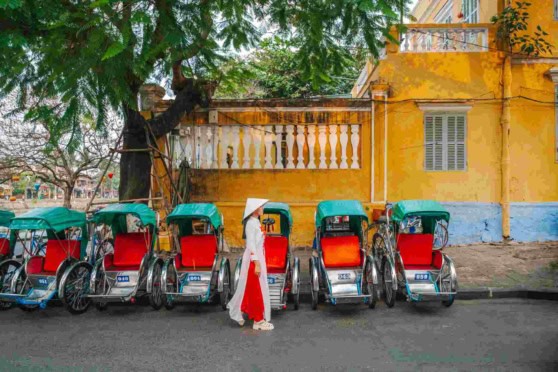
The heavy and hectic traffic on roads in Indian cities is notorious. Because of this, many foreigners opt not to drive and instead hire taxis as needed. Taxis are affordable, with the base fare averaging USD$0.31-$1.57. Even if you need a taxi to wait for you for an hour, you’ll only pay an additional USD$1.05-$2.61. Rickshaws are also an option for shorter distances and are even cheaper than taxis.
Healthcare Costs in India
India’s healthcare system (Ayushman Bharat) provides basic care to its large population, but there are unfortunate disparities by social class, gender, and location. Access is slowly increasing after an investment in establishing approximately 150,000 health and wellness centers across the country.
Foreigners are generally not covered by India’s public healthcare schemes and must usually pay out of pocket or rely on private insurance. However, the cost of care is low, and a simple or minor health issue may only cost a few dollars.
Sadly, the standard of care at public hospitals in India is often subpar. To avoid a poor experience, most expats, and about 20% of Indians, purchase private health insurance in India that allows them to be seen at private facilities, including the best hospitals in India.
When needed, these private clinics and hospitals may reduce your wait time and improve your overall patient experience.
See What Health Insurance Costs for Your Move to Australia
Get personalized quotes to understand your monthly premium and coverage options before you move.
Tempted to Make the Move?
With 40 UNESCO Heritage sites, stunning cultural and geographic diversity, and multiple modern cities to choose from, any expatriate can affordably enjoy all this vibrant South Asian country has to offer.
Deciding where to live in India requires thoughtful consideration. What you sacrifice in cost and space in the giant metropolises, you’ll make up for in access to amenities and entertainment.
A smaller city can significantly reduce costs while bringing you closer to nature. Bustling Mumbai is the most expensive city in India. But it still doesn’t come close to the cost of the most expensive American city. If you’re looking to avoid the crowds and enjoy a calmer city culture with the lowest cost of living, smaller cities like Vadodara or Chennai should be on your list.
The cost of living in India versus the U.S. is tremendous. Most expats and digital nomads will find their paycheck goes far in India – even in the more expensive cities. Wherever you land, India holds a treasure trove of experiences for all of the senses – and easily fits a tight budget.