International Health Insurance
Gain valuable insights and practical tips for navigating international health insurance while living abroad. From coverage details to expert advice, this comprehensive guide helps travelers…

International medical cover for expats and their families.
Medical and trip cancellation coverage for international travel.
Life insurance for globally mobile individuals living or working abroad.
Comprehensive international medical coverage for groups.
Medical, accident, and liability protection for global travel.
Financial protection for employees worldwide.
Most Popular Country Guides
Healthcare, insurance, and living insights to plan life and travel in each destination.
Healthcare, safety, and practical guidance for living abroad.
Tips and guidance for safer, smarter international travel.
Resources for global mobility, HR, and international teams.
Learn about Guatemalan expat health insurance and compare global coverage, maternity benefits, and emergency care for Guatemalans living outside their home country.
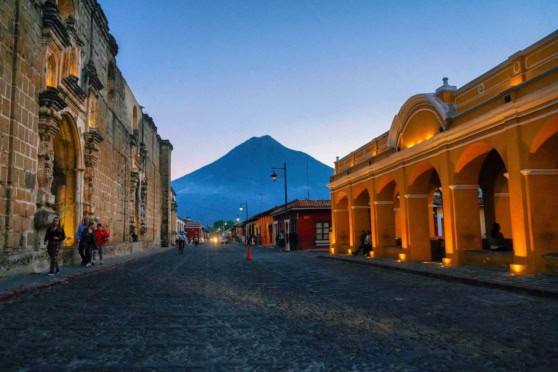
There is considerable room for improvement in Guatemala’s healthcare system. Ranked 78th in the world in terms of efficiency by the World Health Organization, there is a notable disparity in the care available between rural and urban areas. For instance, the standard of care ranges from good to excellent at private facilities in large urban centers, such as Guatemala City. However, in rural areas, the standard ranges from good to very poor.
Limited healthcare options in rural areas, especially among the Indigenous people, ensure that communicable diseases, malnutrition, and diabetes thrive. Thus, when expats from Guatemala relocate to another country, they’re in for many surprises. For one thing, medical care standards in many countries, particularly in North America and Europe, are often superior to those in Guatemala. And the costs, well, they’re also off the charts but not in a good way!
Guatemalan expats may find themselves frustrated by systems that feel more like bureaucracies than hospitals. They’ll also likely notice that bedside manners are less personal than those they experienced at home.
If you’re leaving Guatemala for school or work and relocating somewhere new, these are some of the things you can expect when it comes to healthcare.

In Guatemala, the public healthcare system is free for citizens. However, in many other countries, free healthcare is a rarity.
Patients are often required to pay a small fee, known as a co-pay, at each appointment. In other countries, Guatemalans may find that they must pay up front if they do not have private health insurance. They can submit the costs to the insurance company and get reimbursed.
On the plus side, depending on where you choose to live abroad, diagnostic tests and other services are rarely outsourced, and there may be a public option.
As such, patients rarely have to pay expensive fees for these tests as they’re included with the overall public healthcare system.
The cost of health insurance in Guatemala is much lower than in many other countries. But it often doesn’t feel that way to the average Guatemalan citizen.
Diagnostic tests are often prohibitively expensive for those on a local salary. However, in other countries, those costs can be ten times more expensive – and sometimes more.
Buying private global insurance while living abroad means you have a single monthly premium cost that you can easily budget for.
The insurance company covers high medical costs. What’s more, private insurance gives you the option of being treated in a public or private healthcare facility.
You have added flexibility and shorter wait times. Private healthcare facilities are more comfortable, more private, and a greater percentage of the staff are multilingual.

For Guatemalans working or living in the USA, an excellent option for coverage is the BCBS Global Solutions Worldwide Premier health insurance plan.
The Xplorer plan offers access to the highly regarded Blue Cross/Blue Shield network of hospitals and doctors in the USA, along with excellent customer service and benefits.

Non-governmental organizations, or NGOs, play a crucial role in most healthcare systems. However, in Guatemala, they are vital.
The Guatemalan community health worker, who is rarely a nurse or doctor but more often a first responder, has been uniquely trained by NGOs to provide basic medical care in remote areas.
The Guatemalan community health worker is like a mix of a paramedic, social worker, and in-person emergency hotline operator.
However, in many other countries, Guatemalan expats will find that these roles are distinctly separate. For instance, in rural France or Canada, first responders will have emergency first aid training, but they would never provide prenatal care.
In the United States or Spain, a midwife might know how to give injections, but they would never do so outside the scope of maternal care.
For Guatemalan expats, this can be a source of both frustration and comfort. It’s reassuring to know that each specialized profession is so well-trained. However, it’s aggravating that you need to see different practitioners for different concerns.
Maternal healthcare in Guatemala differs significantly from that in the rest of the world. The traditional role of the Guatemalan comadrona is often split between doulas and midwives in other countries.
While midwifery has gained widespread recognition worldwide and is often seamlessly integrated into various healthcare systems, the role of the doula remains less recognized.
In some countries, doulas are seen as little more than a luxury. The position is often unregulated or is self-regulated.
Additionally, in some countries, doulas undergo stringent training, and the role of the profession is clearly defined; however, in others, it’s very flexible.
Another significant difference between Guatemala and other countries is the average age at which a woman has her first pregnancy.
Guatemala has the highest rate of teenage pregnancy in Latin America. A five to ten-year difference between the average age of first pregnancy in Guatemala and other countries is not unusual.
As such, expats from Guatemala can expect some different attitudes and opinions when discussing obstetrical care.
Among Indigenous Guatemalans, there is a high level of support for medical pluralism. This refers to the intersection of beliefs regarding traditional healing and biomedical healthcare.
Depending on where Guatemalan expats relocate, they may find little sympathy or support for medical pluralism.
Alternatively, in many countries, it’s popular. Popular, but only enjoyed by the rich. They’re the only people who can afford to pay privately for alternative care and private practitioners whose beliefs align with their own.
Many international public healthcare systems have made slow steps towards gradually integrating spiritual concerns and broader beliefs into their policies.
Before purchasing a private health insurance plan, research your preferred private practitioners to ensure they accept insurance.
Guatemalan expats returning home, unfortunately, have very little support from the government in terms of reintegrating.
The healthcare system remains strained, and the process of finding a family physician for ongoing care is a serious challenge.
Expats returning to Guatemala should bring multiple copies of their medical records, both in print and electronic form.
This will enable them to easily reestablish contact with medical providers. Additionally, it’s a good idea to formally appoint a friend overseas as your proxy, should you need additional copies of your records.
Additionally, not all pharmacies in Guatemala carry international brand names or a wide selection of stock. If possible, speak to your physician about bringing extra medication back to Guatemala and what you should know before transitioning to a different brand.