
International Health Insurance
Gain valuable insights and practical tips for navigating international health insurance while living abroad. From coverage details to expert advice, this comprehensive guide helps travelers…

International medical cover for expats and their families.
Medical and trip cancellation coverage for international travel.
Life insurance for globally mobile individuals living or working abroad.
Comprehensive international medical coverage for groups.
Medical, accident, and liability protection for global travel.
Financial protection for employees worldwide.
Most Popular Country Guides
Healthcare, insurance, and living insights to plan life and travel in each destination.
Healthcare, safety, and practical guidance for living abroad.
Tips and guidance for safer, smarter international travel.
Resources for global mobility, HR, and international teams.
Find out if you need travel insurance for Canada, explore what it covers, and discover the best coverage options to protect you from medical emergencies, trip disruptions, and outdoor adventure risks.
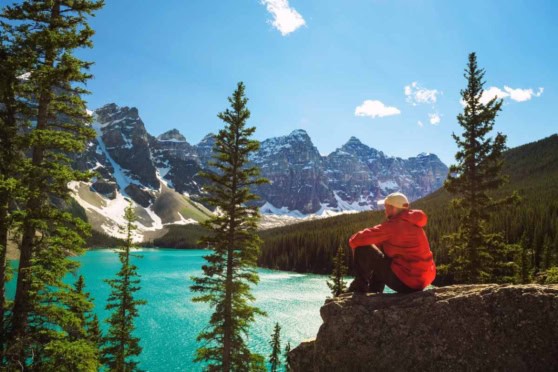
Planning a trip to Canada? Whether you’re exploring Toronto’s vibrant neighborhoods, trekking through the Rocky Mountains, or enjoying the coastal charm of Nova Scotia, having the right travel insurance is essential to protect against medical emergencies, trip cancellations, interruptions, and lost baggage.
This article outlines the best travel insurance for Canada, what to expect in terms of costs, and how to tailor a plan to suit your specific activities.

Travel insurance is not mandatory for entering Canada, but it is highly advisable for all visitors. Canada’s healthcare system is universal, but it only covers residents. Therefore, non-residents need travel insurance to avoid potentially high medical costs if they fall ill or get injured.
Moreover, foreign health insurance is typically not accepted in Canada, making it even more crucial to secure travel medical insurance before departure.
Some travelers also opt for additional protection, such as trip cancellation insurance, which isn’t mandatory but can be valuable, especially for expensive trips. It helps recover costs if you must cancel unexpectedly. Many travel medical plans also include benefits such as coverage for lost luggage.
When choosing a policy, it’s essential to consider your trip length, any pre-existing conditions, and planned activities to ensure you have the right coverage and peace of mind throughout your trip.

In addition to protecting against common travel disruptions, such as flight cancellations, delays, and lost luggage, travel insurance also covers risks specific to each destination.
Canada is renowned for its breathtaking natural beauty and diverse outdoor activities, making it a popular destination for adventure seekers. Whether you’re skiing in Alberta’s Rocky Mountains, kayaking in British Columbia, rock climbing in Quebec, or camping in the Yukon, these thrilling activities come with unique risks.
For instance, skiing accidents or a kayak capsizing in swift currents can result in serious injuries, and the cost of medical treatment can quickly become overwhelming without proper coverage.
Emergency room visits in Canada can exceed CAD $1,000, and inpatient care can cost over CAD $4,000 per day. Without travel insurance, you would be left to cover these expenses out of pocket.
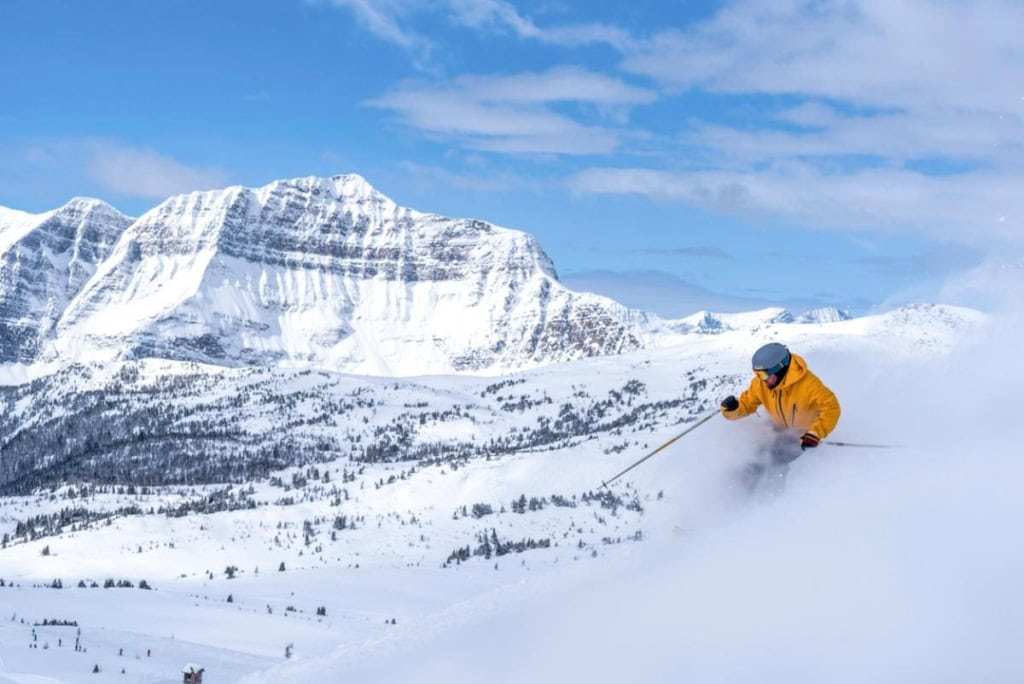
Standard travel insurance may not cover high-risk activities, such as extreme sports or wilderness adventures. Therefore, you may need an “extreme sports” rider or an adventure travel plan that provides additional coverage for activities not included in regular policies.
Canada’s harsh winter weather and remote wilderness areas also present unique risks. Driving on icy roads or being involved in an accident in isolated regions can be particularly dangerous. Travel insurance can provide coverage for car rental damage, roadside assistance, and emergency evacuation, which can be especially costly in remote locations.
Given these factors, it’s essential to carefully review your policy to ensure it offers the right coverage for your planned activities. With the right plan, you can enjoy all of Canada’s outdoor adventures and natural beauty with peace of mind, knowing you’re protected throughout the entire trip.
Travel insurance for Canada helps protect against unexpected disruptions and expenses that may arise during your trip. Depending on your chosen policy, coverage typically includes medical emergencies and travel-related incidents.
Core benefits often include medical treatment if you become ill or injured while traveling, as well as emergency evacuation or repatriation if local care is inadequate or you need to return home for medical reasons. Many plans also reimburse non-refundable expenses if your trip is canceled or interrupted for a covered reason and may compensate for lost, stolen, or delayed luggage.
Optional add-ons, such as coverage for adventure or extreme sports, extend protection to higher-risk activities like skiing, snowboarding, scuba diving, or bungee jumping. These riders may also cover related medical care and equipment loss.
However, most Canadian travel plans exclude pre-existing conditions, elective treatments, routine care, and injuries from high-risk activities, unless you’ve added an adventure sports rider. Claims may also be denied if incidents involve alcohol, drugs, reckless behavior, or illegal acts.
Understanding what your policy covers, and what it doesn’t, will help you choose a plan that provides the right protection for your trip. Be sure to read the fine print carefully to make sure it meets your specific needs.
Read more about the benefits of travel insurance, including medical care, trip cancellations, and more.

Think Before You Drink! Canada has a strong drinking culture, and it’s tempting to enjoy a few drinks while doing outdoor activities with friends. But remember, travel insurance won’t cover you if you’re injured while intoxicated. So, save the beers for when you’re safely back at camp or your accommodation.
The cost of travel insurance for Canada is generally affordable, though it varies depending on factors such as age, trip length, coverage level, and provider.
Prices can also increase if you choose a low- or zero-deductible plan, add coverage for adventure sports, or require protection for pre-existing health conditions.
Age is one of the most significant cost drivers. For example, a 25-year-old traveler might pay between $10 and $20 for a 10-day travel medical plan from the U.S., while a 60-year-old would typically pay between $40 and $60 for the same coverage.
Other key factors that influence the cost include premiums (paid upfront or in installments), deductibles (out-of-pocket expenses before coverage starts), co-pays for certain services, the scope of coverage for emergencies and travel disruptions, and any policy exclusions.
Choosing the right travel insurance can feel overwhelming, but following these steps will help guide your search:

Compare top-rated travel insurance plans for your upcoming trip abroad.
Below are our top recommended travel insurance plans for Canada, each offering unique benefits tailored to different needs, including medical emergencies, trip protection, and additional coverage options.
The IMG Patriot Platinum plan is one of the most comprehensive travel medical insurance options available, offering top-tier medical coverage, global emergency services, and valuable travel benefits for travelers to Canada.
Whether you’re visiting for business, leisure, or a long-term stay, this plan provides reliable protection for medical emergencies, the acute onset of pre-existing conditions, and unexpected travel disruptions.

For U.S. citizens visiting Canada, the BCBS Global Solutions Single Trip Platinum plan is an excellent choice. It is affiliated with Blue Cross Blue Shield and provides access to a premium network of doctors and hospitals worldwide.
BCBS Global Solutions also offers 24/7 customer support, telemedicine, and prescription drug coverage, which is a crucial consideration in Canada, where Medicare doesn’t cover outpatient medications. The plan is especially ideal for older U.S. citizens, offering the highest level of coverage for seniors traveling abroad.

With Trawick Safe Travels AnyReason, U.S. citizens and residents can visit Canada, knowing they have both flexibility and financial protection against unexpected changes to their trip itinerary.
This plan offers one of the best Cancel for Any Reason (CFAR) benefits at no additional cost. Trawick will reimburse you for up to 75% of your prepaid, non-refundable trip expenses if you have to cancel your trip for reasons beyond the standard covered events.

World Nomads Travel Insurance is a top choice for non-U.S. citizens seeking a travel plan with trip cancellation coverage. Policyholders can recover non-refundable expenses such as flights, accommodations, and prepaid activities.
Beyond trip cancellation coverage, World Nomads also provides coverage for over 200 adventure activities, emergency medical expenses, emergency evacuation and repatriation, and protection against loss or theft of baggage and personal belongings.

Canada is generally a safe country, with a violent crime rate lower than that of the U.S. However, it’s still important to exercise caution, especially when walking alone at night in urban areas.
While drug-related crime can occur in specific neighborhoods of major cities, it’s usually not random. As a tourist, it’s wise to be aware of common risks such as pickpocketing, smash-and-grab thefts, and street scams.
The country maintains a high standard of cleanliness and sanitation, ensuring that food and water are safe to consume wherever you are. Medical care is excellent and readily accessible, though it may be less available in rural areas compared to larger cities.
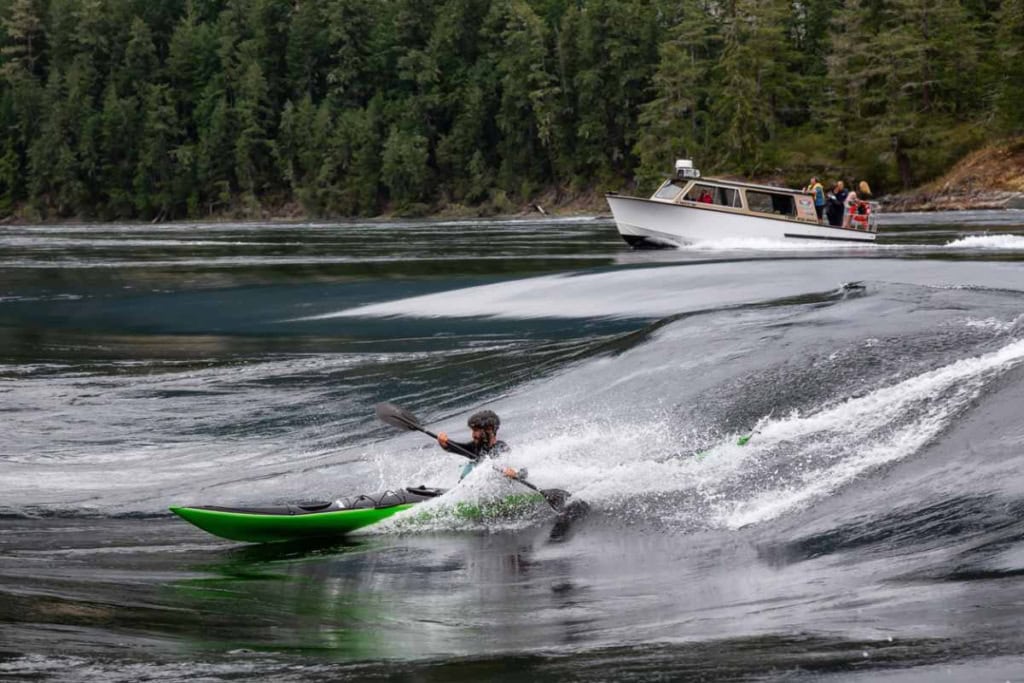
If you plan to engage in high-risk activities, keep in mind that even an extreme sports rider won’t cover you if you don’t follow safety rules. For example:
Be sure to review the fine print of your policy for any specific exclusions and conditions, and buy extra coverage if you need it for pre-existing conditions or high-risk activities.
Outside of Canada’s major cities, the main dangers come from nature. Winters can be extremely cold, so it’s essential to pack proper clothing to avoid frostbite and hypothermia.
Winter sports are popular but carry inherent risks, and outdoor activities like boating, kayaking, and waterskiing – especially on the coasts – can be dangerous in the summer as well.
Traveling in remote areas can also be risky. With Canada’s vast wilderness, it’s easy to get lost, and help may take longer to arrive. For this reason, it’s a good idea to consider emergency evacuation insurance before heading into more isolated regions.
If you encounter an emergency while in Canada, dial 911 for assistance.
Don’t Go Astray! Canada is known for its wilderness, but these remote areas can be dangerous if you’re unprepared. If you plan to hike or camp in remote areas, be sure to have a GPS device, a map, and an emergency contact number. Always share your itinerary and expected return time with someone you trust. Keep in mind that mobile service can be limited in these remote areas, so it’s essential to take extra precautions.
Before leaving your home country, ensure you have sufficient medications and any other necessary medical equipment for the duration of your stay.
It’s also a good idea to visit your healthcare provider for a checkup to ensure you’re fit for travel and that your vaccinations are up to date.
Additionally, securing travel insurance is essential to protect you in the event of unforeseen medical emergencies, such as illness or injury, during your trip.
Canada does not require specific vaccinations for entry. However, it is recommended that travelers are up to date on routine vaccines, including measles-mumps-rubella (MMR), diphtheria-tetanus-pertussis, chickenpox, and polio. Seasonal vaccines, such as the flu and COVID-19 vaccines, are also advised.
Although the risk of rabies is low for most travelers, it can still be found in bats and other mammals in Canada. Adventure travelers engaging in activities like caving or rock climbing in remote areas may want to consider the rabies vaccine if they’re at risk of animal bites.
When bringing prescription medications to Canada, it’s essential to carry a copy of your prescription and keep the medication in its original packaging. If you’re unsure about whether your prescription is legal in Canada, contact your country’s embassy for clarification.
Don’t forget to bring any birth control prescriptions with you. While condoms and other barrier methods of birth control are widely available at drug stores, grocery stores, and corner stores, oral contraceptives require a prescription and can only be obtained at pharmacies.
Most over-the-counter medications are also available in Canada, but it may be helpful to bring some from home to avoid potentially higher prices. Be aware that some medications commonly found in the U.S. may be kept behind the counter in Canada and vice versa.
While anyone can receive emergency medical care in Canada, you’ll be billed if you don’t have a Canadian health card. When selecting your travel plan, check which healthcare providers it covers. In many cases, you may need to pay upfront for services and seek reimbursement later.
Canada has an abundance of doctors, clinics, hospitals, and emergency rooms, especially in larger cities. It’s wise to research and compile a list of doctors and specialists at your destination and keep this information with you during your trip.
Note that Canada’s public health insurance may not cover certain services, such as emergency services, optometry, dentistry, fertility treatments, and outpatient prescription medications. Review your travel insurance policy to ensure it covers the healthcare providers and services you may need.
Some travel insurance plans offer telemedicine visits, which can help reduce upfront costs if you don’t require in-person hospital care. Many plans also offer translation services, which can be particularly useful in Quebec, where most residents speak French.
Various government agencies provide travel advisories and alerts for Canada. The official Canada Travel and Tourism page offers comprehensive safety and travel advice for those traveling to or within the country.
Depending on where you’re traveling from, you can also check the following resources for up-to-date advisories and alerts for Canada:
Knowing which numbers to call in case of an emergency is crucial when traveling abroad. It’s a good idea to keep a list of emergency contacts both digitally and on paper, and always carry it with you in a secure location while traveling.
For local, non-emergency police, fire, or medical services, you can search the internet for the province or city and the specific service, such as “police” or “fire.”
Here are a few examples:
U.S. Embassies and Consulates in Canada
Australian Embassies and Consulates
New Zealand High Commission in Ottawa: 1-613-238-5991
While Canada is one of the safest countries in the world, it’s still essential to remain vigilant and take precautions when traveling.
Here are some ways to avoid common risks and ensure a smooth trip:
In the event of a medical emergency, keep an identification card that lists your blood type, chronic conditions, severe allergies, and the generic names of any medications you take.
This helps emergency responders treat you quickly, especially if you’re alone or unable to communicate.
Canada is known for its harsh winter storms, including ice and blizzards. Driving in these conditions can be dangerous. If you must drive, go slow, stay alert, and be mindful of other drivers.
Keep an emergency kit in your car, including food, water, and blankets, in case you get stranded. A 4-wheel-drive vehicle or snow tires are advisable if you’re driving in rural areas.
If you’re hiking or sightseeing on foot, wear multiple layers and cover exposed skin to prevent frostbite. Thermal underwear, heavy socks, and insulated gloves are essential for comfort and safety.
Hypothermia can set in quickly, so be aware of symptoms such as confusion, dizziness, or an inability to stay warm.
If you’re skiing, snowshoeing, or hiking, be cautious. Though not frequent, Avalanches can occur in mountainous regions, particularly in Alberta and British Columbia.
Stay on marked trails, obey avalanche advisories, and avoid restricted areas.
Wildfires have become more common across Canada in recent years. The Canadian Wildland Fire Information System tracks fire activity and offers hotspot maps from May to September.
If you’re traveling to Canada to hike, camp, or otherwise spend time in the wild, keep a close eye on wildfire alerts for your destination. Consider trip cancellation insurance in case of fire disruptions to your travel plans.
Canada is home to a diverse array of wildlife, including bears, moose, wolves, and many other species. While majestic, these animals can be dangerous if approached.
Follow safety guidelines in national parks, stay alert, especially at dawn and twilight, and never approach wildlife, particularly mothers with cubs.
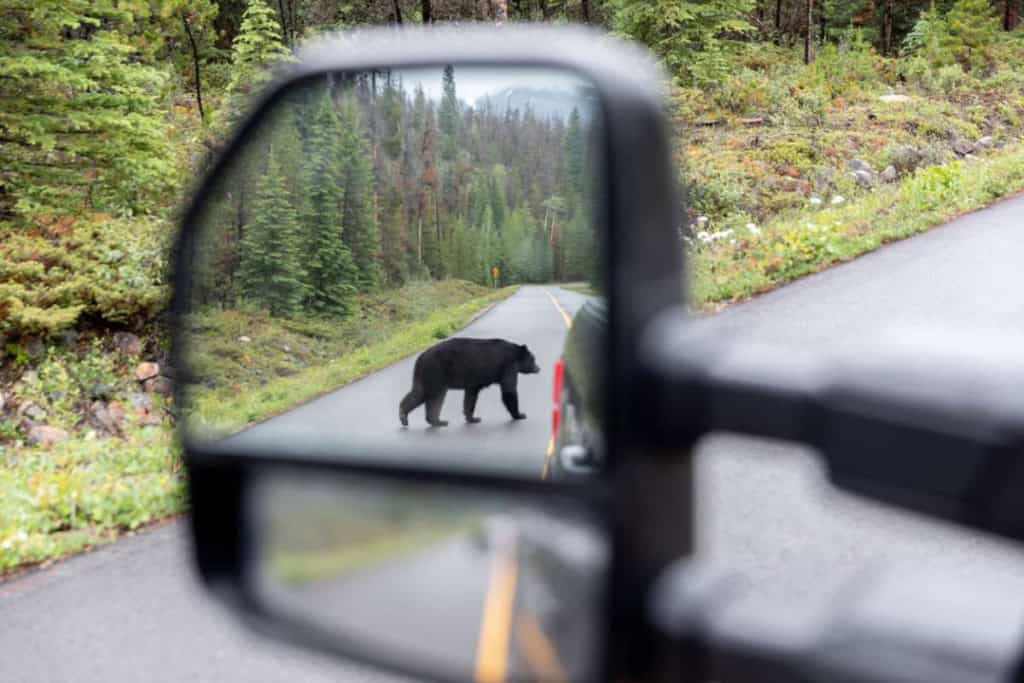
Store food in animal-proof containers or hang it in trees while camping. In bear country, carry bear spray and make noise while hiking to avoid surprise encounters.
Spring is a sensitive time, as bears emerge from hibernation and may be more aggressive
Moose are also common throughout Canada. While they are generally not interested in people, they are enormous and will stand in the middle of the road.
If you see a sign with a moose on it, keep your eyes open while driving and be ready to stop. As with bears, if you see young moose while in the forest, stay clear, as the mother will be nearby and can charge if she feels threatened.
Smash-and-grab thefts from cars are relatively common in major cities. In Montreal, Vancouver, and Toronto, you may even be fined for leaving your vehicle unlocked or valuables in view.
If you’re driving in the city, always double-check that you’ve locked your car, and don’t leave anything in it that you can’t do without – not even in the glove box or trunk.
Homelessness has been increasing in Canadian cities, particularly in Toronto and Vancouver, leading to more tent encampments in public spaces.
While many unhoused individuals are simply seeking shelter, some encampments may have higher crime rates or unpredictable activity. As a precaution, it’s best to avoid these areas, especially at night.
Cannabis is legal to consume in Canada, but it is illegal to bring it across international borders. Do not travel to Canada with cannabis, even if it’s for personal use, as you risk arrest or being denied entry.
If you wish to purchase cannabis while in Canada, it is available at licensed dispensaries in most provinces.
Canada is an extraordinary destination, offering stunning landscapes, vibrant cities, and unforgettable experiences.
While it’s one of the safest places to visit, being prepared and taking the necessary precautions ensures you can fully enjoy all it has to offer.
From securing the right travel insurance to staying alert to your surroundings, a little preparation goes a long way toward ensuring a smooth, memorable trip.
Whether you’re exploring the bustling streets of Montreal, skiing the slopes of Banff, or hiking through British Columbia’s lush rainforests, Canada promises an adventure like no other.
Are you ready to explore the Great White North? Get a free quote to find the best coverage for your trip.
Entry requirements depend on your nationality. U.S. travelers do not need a visa, but visitors from other countries may require a visitor visa or other documentation.
For detailed and up-to-date entry requirements, it’s best to visit Canada’s official government website.
While travel insurance for Canada is not mandatory, it is highly recommended. Healthcare in Canada can be expensive for visitors without insurance, and travel insurance provides coverage for unexpected medical emergencies, trip cancellations, lost baggage, and more. Having travel insurance ensures peace of mind and financial protection during your trip.
The best travel insurance for visitors to Canada depends on your individual needs. If you’re planning a longer trip or have a significant investment in your vacation, consider adding trip cancellation insurance. Adventure travelers may also want to look into coverage for extreme sports coverage and medical evacuation insurance.
Be sure to compare travel insurance plans to find the best option that suits your specific travel needs.
The cost of travel insurance in Canada varies depending on factors such as the length of your stay, your age, and the level of coverage you choose.
Prices generally start around $1.20 USD per day but can increase to $10 per day for older travelers. For the most accurate pricing, it’s best to get a personalized quote from an insurance provider based on your specific situation.
Yes, you can purchase travel insurance after booking your flight. However, it’s recommended to buy it when you first book your flight to ensure that you’re covered for any unexpected events that may arise before or during your trip.