Moving to Sweden From the USA
Moving to Sweden from the USA? Discover how to find accommodations, get a work permit, open a bank account, and learn Swedish.

International medical cover for expats and their families.
Medical and trip cancellation coverage for international travel.
Life insurance for globally mobile individuals living or working abroad.
Comprehensive benefits for international teams.
Insights on international relocation and global mobility.
Download our brochures or follow us on socials.
Most Popular Country Guides
Healthcare, insurance, and living insights to plan life and travel in each destination.
Healthcare, safety, and practical guidance for living abroad.
Tips and guidance for safer, smarter international travel.
Resources for global mobility, HR, and international teams.
Popular and recently published guides from our team.
Dreaming of retiring in Sweden? Discover expert insights on visas, healthcare, housing, living costs, taxes, and more, so you can confidently plan your golden years in the beautiful Nordic nation.
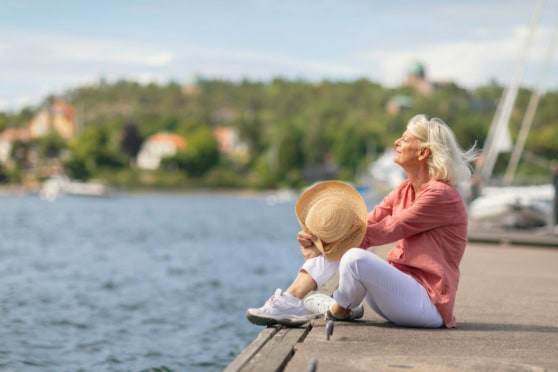
If you’re dreaming of spending your golden years in one of the happiest countries in the world, retiring in Sweden might be the perfect choice. The Nordic nation ranks 4th in the World Happiness Report and offers stunning natural landscapes, excellent healthcare, a high standard of living, and a culture of openness, making it ideal for a comfortable and fulfilling retirement.
Before you make the move, there are a few key factors to consider. Our essential guide covers everything you need to know, from visa options and healthcare access to living costs and the best places to call home.
Planning Your Retirement in Sweden?
Get free quotes for international health insurance plans that give retirees access to private hospitals, specialists, and care both in Sweden and worldwide.
Sweden’s tolerant culture and strong public infrastructure make it an appealing destination for retirees.
However, not every country is the right fit for every expat, so it’s important to understand what you’re getting into before committing to a life abroad.
Some of the best things about Sweden revolve around health and wellness, which are important factors that become even more of a priority as we age.
Sweden boasts an exceptional healthcare system known for delivering outstanding patient outcomes. In fact, according to the 2025 CEOWORLD Health Care Index, it ranks 5th out of 110 countries reviewed.
The country’s commitment to quality medical care may help explain why the average Swede’s life expectancy is 73.8, higher than the global average of 71. It also helps that Scandinavians value a healthy, active lifestyle.
For retirees, this means peace of mind knowing that medical care is accessible, reliable, and consistently high-quality throughout their golden years.
Families in Sweden spend a lot of time outdoors, enjoying activities like hiking, swimming, and kayaking. Children are encouraged to stay active through school and weekend sports programs.
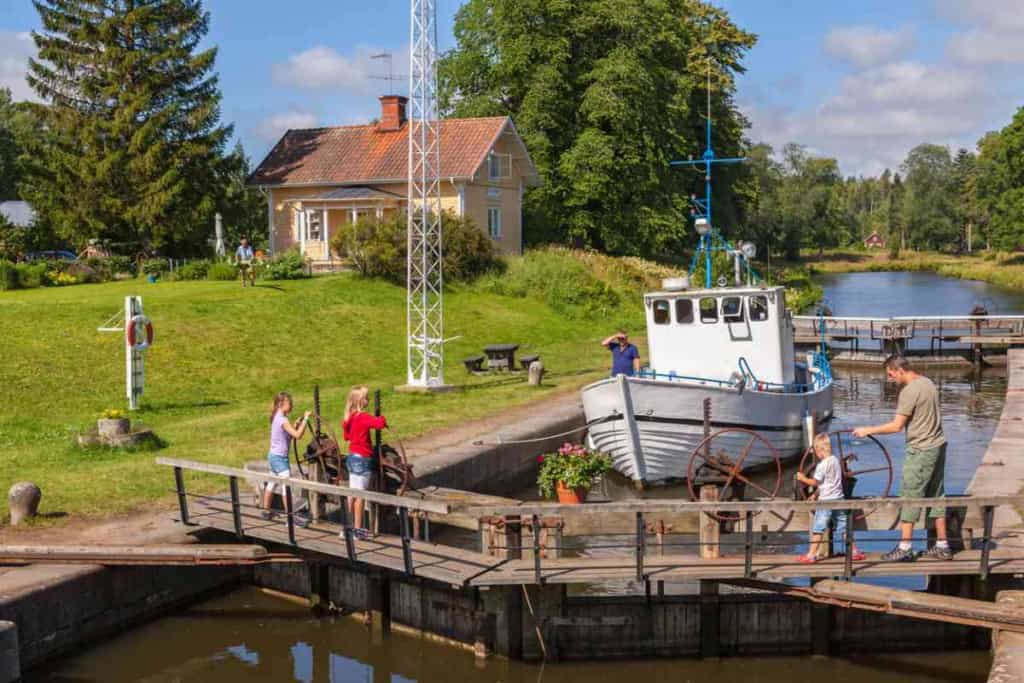
Sauna culture is an integral part of Swedish wellness routines, and research shows that regular use can support physical and mental well-being, promote relaxation, improve circulation, and reduce stress.
For retirees, saunas offer a simple, enjoyable way to stay active, relax, and maintain physical and mental wellness.
Sweden’s clean air is a key factor in the population’s overall well-being. Ranked 13th cleanest country in the world, it is one of the least polluted nations, enjoying high air quality alongside its Nordic neighbors, Norway, Finland, Iceland, and Greenland.
This makes Sweden especially appealing to retirees, as clean air supports better respiratory and cardiovascular health, enables a more active lifestyle, and enhances overall quality of life during their golden years.
While Sweden is the 26th most expensive country in the world, it is the most affordable among the Nordic nations.
In fact, it offers a lower cost of living than other popular retirement destinations, such as Switzerland, Australia, Canada, and New Zealand.
For retirees, this relative affordability allows them to stretch their pensions or savings further, maintain a comfortable lifestyle, and enjoy their golden years without financial stress.
Another perk of retiring in Sweden is the high level of English proficiency. About 90% of Swedes speak English fluently, so even if you don’t speak Swedish, you won’t have to worry about facing a language barrier.
For retirees, this makes everyday life, from healthcare appointments to banking and social interactions, much easier and less stressful.
Overall, Sweden offers an exceptional quality of life for foreign retirees. It has a high standard of living, clean cities, good transport, and a progressive mindset that welcomes people from all walks of life.
Although Sweden has much to offer foreign retirees, there are some challenges that can affect daily life, finances, and well-being during retirement.
One downside to living in Sweden is its high income tax rates. The country’s healthcare system is funded through taxes, and the top personal income tax rate is around 52%, well above the global average of 33%.
For comparison, federal income tax rates in the United States range from 10% to 37%, excluding state and local taxes.
For retirees, these high taxes can reduce disposable income from pensions or retirement savings, making careful financial planning essential to maintain a comfortable lifestyle.
However, in return, Swedish residents benefit from some of the world’s best social programs and infrastructure, which can also enhance the quality of life during retirement.
Sweden’s dark, rainy winters can make the country feel dreary from December to March. During this time, the days are short, with only six or seven hours of sunlight.

About 15% of Sweden lies within the Arctic Circle, so winters in the northernmost counties can be severe, with temperatures often dropping below -4°F (-20°C) and occasionally reaching extreme lows.
For retirees, long, cold, and dark winters can affect mobility, limit outdoor activities, and impact mood or overall well-being. Those sensitive to cold or seasonal affective disorder may need to carefully consider where in Sweden they choose to retire.
Although Sweden is the most affordable of the Nordic countries, it still has a relatively high cost of living compared to many other nations. The cost of living in major cities like Stockholm and Gothenburg is particularly steep.
That said, it can still be more affordable than in major U.S. cities. For example, living in Stockholm is about 20.8% cheaper than living in New York, and rent is around 66.4% cheaper.
For retirees, higher living costs mean careful budgeting is important to ensure that pensions or retirement savings comfortably cover housing, daily expenses, and leisure activities. Choosing smaller towns or less expensive regions can help maintain a comfortable lifestyle without financial stress.
Another factor to consider is that, while Swedes are generally tolerant, they can seem reserved at first.
Swedes tend to avoid small talk and highly value respect, personal space, humility, and honesty, which can make it harder for some expats to feel fully integrated initially.
For retirees, building friendships and social connections may take extra effort, which is important for emotional well-being, avoiding isolation, and enjoying a fulfilling retirement in a new country.
Sweden does not offer a specific “retirement visa,” so foreigners wishing to retire there must explore alternative residence permits that allow long-term stays.
Below are some of the most common visas retirees may consider, along with the requirements for each.
Non-EU citizens may qualify for a residence permit to live in Sweden based on self-sufficiency. They must have sufficient financial resources, such as pension income or savings, to support themselves without relying on Swedish welfare benefits.
Applicants must also have comprehensive health insurance covering at least $37,000 for emergency costs and maintain a clean criminal record. Over time, these residence permits can lead to permanent residency.
Planning Your Retirement in Sweden?
Get free quotes for international health insurance plans that give retirees access to private hospitals, specialists, and care both in Sweden and worldwide.
Citizens of the EU, EEA, or Switzerland do not need a visa to retire in Sweden. Upon arrival, they must register with the Swedish Tax Agency (Skatteverket) and provide proof of sufficient funds to support themselves.
Employment or self-employment is optional but can serve as proof of resources.
After five years of legal residence with a valid permit, non-EU citizens may apply for permanent residency. This can eventually lead to citizenship if they meet residency, financial stability, and language requirements.
Retiring in Sweden requires planning and understanding the rules on residence, healthcare, and taxes. This step-by-step guide breaks down the key actions to move, settle, and enjoy retirement safely.
The first step in retiring in Sweden is to select the right residence permit. Sweden does not offer a specific retirement visa, so most retirees qualify under the self-sufficiency requirement, which requires proof of pension income, savings, or other funds to support themselves without relying on Swedish welfare.
You will also need to provide a clean criminal record and health insurance covering at least $37,000 for emergency medical expenses.
For official guidance, visit the Swedish Migration Agency.
Renting is recommended initially, usually for 6–12 months, so you can experience local life, understand regional differences, and explore neighborhoods before buying property.
Ensure your lease is formalized, as proof of address may be required for bank accounts, residency registration, and healthcare.
A Personnummer is a unique identification number required for most official processes in Sweden, including healthcare, banking, and taxes.
You can obtain it from the Swedish Tax Agency (Skatteverket) once you have a residence permit and a registered address.
A Swedish bank account is essential for managing daily finances, paying bills, and receiving pension income. Major banks include Swedbank, SEB, Nordea, and Handelsbanken.
To open an account, you’ll typically need:
Some banks may allow non-residents to open accounts before arrival.
Ensure your permit is registered with the Migration Agency if it wasn’t approved abroad. Non-EU retirees must comply with permit rules to stay legally..
Sweden has a universal healthcare system, funded by taxes, accessible once you have a Personnummer.
You can find more information on 1177 Vårdguiden, Sweden’s official healthcare guide for residents and newcomers.
Retirees must stay aware of ongoing requirements:
Proper planning ensures you maintain legal status, access healthcare, and enjoy a stable retirement in Sweden.
Retirees in Sweden have several housing options, but costs vary widely depending on whether you rent or buy, and which city or region you choose.
Major cities like Stockholm, Gothenburg, and Malmö are significantly more expensive, while smaller cities like Västerås, Jönköping, and Örebro offer more affordable living with good services.

Most retirees start by renting to explore different neighborhoods before deciding whether to buy. Regulated rental contracts in cities can have long waiting lists, so many newcomers opt for market-rate rentals.
Other smaller cities popular with retirees, such as Västerås and Örebro, generally fall between the cost of Stockholm and Jönköping, offering a balance of affordability, services, and quality of life.
After renting and exploring neighborhoods, many retirees consider purchasing a property for long-term stability. Foreigners can purchase property in Sweden without special restrictions.
As you would expect, property prices in Sweden also vary widely by city and neighborhood.
Smaller cities like Jönköping are considerably more affordable than Stockholm, making them attractive for retirees who plan to buy.
Buyers should also budget for down payments, monthly association fees, and utilities when planning their move.
According to Numbeo’s Cost of Living Index, Sweden is the 26th most expensive country in the world. For comparison, the United States ranks 23rd for the overall cost of living.
The overall cost of living in Sweden, including rent, is about 14.8% lower than in the United States, while rent prices alone are approximately 43% lower.
In Sweden, the average rent for a one-bedroom apartment in the city centre ranges from $640 to $1,724 USD per month, while a similar apartment outside the city centre typically costs between $534 and $1,131 USD per month.
Below is a snapshot of the average costs for everyday goods and services in Sweden in 2026:
Learn more with our full guide on the Cost of Living in Sweden.
Sweden has a universal public healthcare system funded primarily through taxes and social contributions that provides comprehensive services such as doctor visits, hospital care, and specialist treatments.
Residents generally pay modest co-payments for services, and care is delivered through county councils (Regions) across the country.
Retirees from the EU, EEA, or Switzerland can access public healthcare after registering with the Swedish Tax Agency (Skatteverket) and obtaining a Personnummer.

Reciprocal agreements in the EU may allow temporary healthcare coverage from their home country. Non-EU retirees must hold a legal residence permit and register with Skatteverket to receive a Personnummer before accessing public care.
U.S. retirees should also note that Medicare is not valid in Sweden, as it only covers services within the United States and its territories.
Those planning to retire in Sweden will need to arrange alternative coverage, either through private international health insurance or by enrolling in Sweden’s public healthcare system once registered.
While Sweden’s public healthcare system is comprehensive, certain services are not fully covered, including dental care beyond basic or emergency treatments, cosmetic procedures, physiotherapy beyond rehabilitation, and some outpatient medications.
Planning Your Retirement in Sweden?
Get free quotes for international health insurance plans that give retirees access to private hospitals, specialists, and care both in Sweden and worldwide.
Because of these gaps, many retirees opt for private or international health insurance, which provides faster access to care, English-speaking doctors, greater comfort, and coverage for services not included in the public system.
Private insurance is especially useful for non-EU retirees during the first weeks or months before full registration, as well as for anyone who prefers quicker treatment or added flexibility.
Retirees in Sweden should understand the country’s tax system, including rules for residency, pension income, and protections against double taxation.
You are generally considered a tax resident in Sweden if you have a permanent home in the country or spend more than 183 days in Sweden in a calendar year.
Tax residents are liable for Swedish taxes on worldwide income, including pensions, investments, and other earnings. Non-residents are taxed only on income sourced in Sweden.
Sweden has agreements with many countries, including the United States, to prevent double taxation.
Under these treaties, retirees may be able to claim tax exemptions or credits on foreign income, such as U.S. Social Security benefits, to avoid being taxed in both countries.

It’s important to review the specific treaty between Sweden and your home country to determine your obligations.
Pension income is generally taxable in Sweden. This includes state pensions, occupational pensions, and private pension plans received from abroad.
U.S. Social Security benefits are typically exempt from Swedish taxation under the Sweden–U.S. tax treaty, but other foreign pensions may be subject to Swedish tax.
Tax rates depend on total income and residency status.
For more information, visit the Swedish Tax Agency (Skatteverket) for guidance on taxes for residents and retirees.

Planning Tips for Retirees! Keep detailed records of all domestic and foreign income, and understand filing deadlines for both Sweden and your home country. It’s also wise to consult a tax professional experienced in international retirement taxation to ensure compliance and optimize your tax situation.
Sweden has a clear legal framework governing inheritance, which applies to both residents and foreigners who own property or assets in the country.
All estates are subject to Swedish inheritance law, regardless of nationality, but Sweden does not impose inheritance or estate taxes.
This makes it relatively straightforward for retirees to pass on assets to heirs without additional tax burdens.
For official guidance, see the Swedish Courts’ page on inheritance and the Swedish Tax Agency (Skatteverket) for information on property ownership and reporting.
Plan Your Estate Carefully! Foreign retirees with assets in multiple countries should consult a Swedish tax or financial professional to ensure their estate plans comply with local laws and avoid cross-border complications. It’s also important to keep your will and estate documents up to date to help prevent disputes among heirs.
Sweden offers a wealth of great cities for those looking to retire abroad, making choosing the right location a challenge.
To help you narrow your options, we’ve rounded up the best Swedish cities to spend your golden years.
We’ve evaluated each city based on factors such as cost of living, safety, healthcare access, walkability, green spaces, and more.
Home to nearly one million people and three UNESCO World Heritage Sites, the capital city of Stockholm is where you’ll find the largest concentrations of immigrant communities.
Although it has the highest cost of living in all of Sweden, it’s the place to be if you’re a retiree who prefers an active, social lifestyle in a vibrant metropolitan setting.
Spread across fourteen islands and the Swedish mainland, Stockholm boasts 160 kilometers of shoreline and dozens of parks, offering a unique blend of city living and nature.
The city is highly walkable and experiences less traffic congestion than other major cities, making it ideal for retirees. Additionally, residents have access to top-tier healthcare, including some of Sweden’s best doctors and specialized care.
Stockholm’s excellent public transportation system, which includes the metro, buses, and ferries, makes getting around without a car easy. Seniors enjoy discounted fares, making it an affordable option for retirees.
The city also offers a rich cultural scene, with museums, theaters, and live music venues, many of which offer special programs or senior discounts.
Whether you’re interested in history, art, or Swedish traditions, Stockholm offers plenty of opportunities to stay mentally and socially engaged in retirement.
Surrounded by stunning sea and mountain views, the small city of Sundsvall is ideal for retirees looking to enjoy urban living amid natural beauty.
Home to approximately 100,000 people, it offers one of the lowest living costs in Sweden, making it an ideal destination for retirees looking to stretch their retirement funds further.

The historic city center, known as Stone City, is filled with charming shops, cafes, and restaurants, while the waterfront beaches provide ample opportunities to swim and soak up the sun during the summer months.
Retirees will also appreciate the city’s high quality of life, including excellent healthcare, reliable public services, and a strong sense of community.
However, it’s worth noting that winters can be harsh, with long periods of snow and cold, which may require some adjustment. Still, for those seeking a peaceful yet well-connected lifestyle, Sundsvall is an excellent choice.
Nestled between lush green forests and offering stunning waterfront views of Lake Vättern, Jönköping is an ideal destination for retirees who appreciate nature and outdoor activities.
With a population of approximately 113,000, Jönköping is one of Sweden’s most affordable and safest cities, offering retirees peace of mind and a comfortable lifestyle.
Whether you enjoy hiking, boating, or simply relaxing by the lake, the city offers a serene backdrop for an active retirement.
Located midway between Stockholm and Copenhagen, Jönköping offers easy access to Swedish cities and neighboring countries.
Major European destinations like Paris, Zurich, Budapest, and London are just a few hours away by plane, making it ideal for retirees who enjoy travel.
In addition to its natural beauty, Jönköping boasts excellent healthcare, a variety of cultural activities, and a wide range of outdoor recreation options, including fishing and winter sports.
While winters can be cold with snowfall, the city’s slower pace of life, combined with its local amenities and international travel connections, makes Jönköping a perfect choice for those seeking a well-rounded, active retirement.
For retirees who love to explore food, Östersund is an ideal place to call home. With a population of approximately 50,000, the city is one of only 57 cities worldwide to receive the UNESCO City of Gastronomy designation.
This recognition highlights Östersund’s commitment to sustainable culinary practices, local ingredients, and a vibrant food culture that blends traditional Swedish dishes with modern innovation.
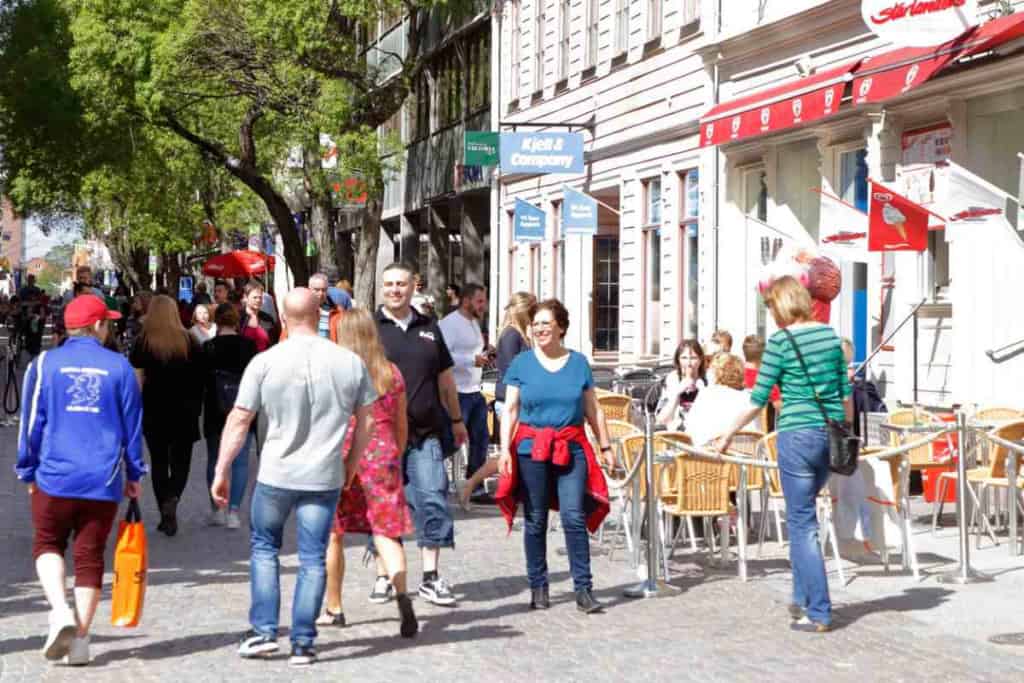
Located inland in northern Sweden, Östersund is surrounded by waterways and trails, making it ideal for retirees who enjoy outdoor activities like biking, hiking, canoeing, kayaking, and fishing.
The city is also known for its low pollution and minimal traffic, and is ranked among the safest places to live in Sweden.
Additionally, Östersund offers excellent healthcare facilities, which are essential for retirees looking for reliable medical care.
With its relaxed pace of life, strong community ties, emphasis on sustainability, and a celebrated food scene, Östersund offers retirees a peaceful yet active lifestyle in a beautiful, nature-filled setting.
Located in southern Sweden, Malmö is the country’s third-largest city and home to around 350,000 residents. Its vibrant atmosphere makes it popular with both young professionals and retirees seeking a more affordable lifestyle than Stockholm.
Malmö sits just across the Øresund Strait from Denmark, offering residents easy access to Copenhagen via the 16-kilometer Öresund Link. This makes it a popular choice for both work- and leisure-commuters, who enjoy access to world-class shopping, dining, and nightlife.
Malmö is known for its pedestrian-friendly design, which makes it easy to navigate on foot. The city offers year-round cultural events, tranquil parks, and a vibrant food scene, which contribute to a relaxed yet active lifestyle.
Retirees can also enjoy a range of senior-friendly services, including healthcare facilities, social clubs, and recreational activities designed to foster a sense of community.
For those who love the water, Malmö’s coastal setting offers a peaceful backdrop for leisurely strolls along the harbor or enjoying the city’s many outdoor spaces.
The mild climate and easy access to Sweden and Denmark make it a convenient and welcoming place to live.
Retiring in Sweden offers a compelling blend of natural beauty, social stability, and a high standard of living.
From the bustling streets of Stockholm and Gothenburg to the tranquil countryside of Småland or Lapland, the country provides diverse settings to suit both active and relaxed lifestyles.
While the cost of living can be relatively high, residents benefit from a world-class healthcare system, strong social support, and a society known for safety, equality, and environmental consciousness.
Daily life in Sweden combines modern amenities with opportunities to enjoy outdoor activities, cultural experiences, and a slower, more balanced pace, though the climate and daylight hours can vary significantly by region.
Before relocating, it’s important to research the areas you’re considering, understand residency requirements and taxes, and consult a financial or legal advisor about planning for long-term living abroad.
Having the right health coverage is also essential to ensure you have access to Sweden’s high-quality care without unexpected costs, letting you fully embrace your retirement with confidence and peace of mind.
Yes. Sweden offers an exceptional quality of life, with clean cities, some of the highest air quality in the world (ranked 13th globally), and excellent healthcare (ranked 5th out of 110 countries). The country also provides safety, abundant natural beauty, and a culture emphasizing wellness, outdoor activities, and social tolerance. For retirees, this means a healthy, comfortable, and fulfilling lifestyle supported by reliable public services and strong community infrastructure.
Yes. Sweden ranks 39th out of 163 countries on the Global Peace Index, with low crime rates, reliable healthcare, and strong public infrastructure. Both cities and smaller towns offer a secure environment, giving retirees peace of mind and confidence to enjoy daily life and outdoor activities.
Costs vary by city and lifestyle. Rent for a one-bedroom apartment ranges from $640–$1,724 USD in city centres and $534–$1,131 USD outside the centre. Major cities like Stockholm are more expensive, while smaller cities such as Jönköping, Västerås, and Örebro are more affordable. Retirees can stretch pensions further by choosing smaller towns or suburban areas, while still enjoying a comfortable lifestyle.
Yes. U.S. citizens can retire in Sweden, though there is no specific “retirement visa.” Most retirees qualify under the self-sufficiency requirement, proving they have sufficient income or savings, comprehensive health insurance, and a clean criminal record. EU/EEA/Swiss citizens have an easier process, needing only to register with local authorities and show proof of funds.
Yes. U.S. citizens can continue receiving Social Security while living in Sweden, typically paid to a U.S. or Swedish bank account. Under the Sweden–U.S. tax treaty, Social Security benefits are generally exempt from Swedish taxation, though other foreign pensions may be taxed. Retirees should consult a tax professional to optimize income and ensure compliance.
No. U.S. Medicare is not valid in Sweden, as it only covers services in the United States. Retirees must arrange alternative coverage, either through private international health insurance or by enrolling in Sweden’s public healthcare system after registering as residents.