International Health Insurance
Gain valuable insights and practical tips for navigating international health insurance while living abroad. From coverage details to expert advice, this comprehensive guide helps travelers…

International medical cover for expats and their families.
Medical and trip cancellation coverage for international travel.
Life insurance for globally mobile individuals living or working abroad.
Comprehensive international medical coverage for groups.
Medical, accident, and liability protection for global travel.
Financial protection for employees worldwide.
Most Popular Country Guides
Healthcare, insurance, and living insights to plan life and travel in each destination.
Healthcare, safety, and practical guidance for living abroad.
Tips and guidance for safer, smarter international travel.
Resources for global mobility, HR, and international teams.
Relocating overseas? Make the process as smooth as possible with our ultimate moving abroad checklist, covering visas, housing, healthcare, insurance, finances, pets, and more.

Moving abroad is an exciting opportunity, but it can also be time-consuming and stressful without careful planning. On average, relocating abroad requires three to six months of preparation, including paperwork, logistics, and health planning. However, with the right plan in place, you can avoid any surprises and fully enjoy this new chapter of your life.
To ensure your international move goes smoothly, we’ve created a comprehensive moving abroad checklist to guide you through each step and help you stay organized as your departure date approaches.

Download your step-by-step guide to preparing for your international move, organizing important documents, planning healthcare and finances, and settling into your new home with confidence.
Relocating abroad involves many administrative and logistical steps. Our moving abroad checklist will help you complete these tasks early to avoid delays, fees, and last-minute stress.
Below is a practical checklist of the most important tasks to complete before you leave.
If you plan to move overseas, one of the first steps is to ensure your passport is up to date and valid for at least six months beyond your intended entry date, as many countries require this minimum validity period.
Depending on your nationality, destination, and purpose of stay, you may also need to obtain a visa.

Some long-stay visas can take six months or more to process, so it’s wise to apply as early as possible to avoid delays and ensure a smooth relocation.
Some visas, including many long-stay or residency visas, require proof of valid health or travel insurance as part of the application.
Be sure to confirm requirements for your destination and have coverage in place before submitting your application.
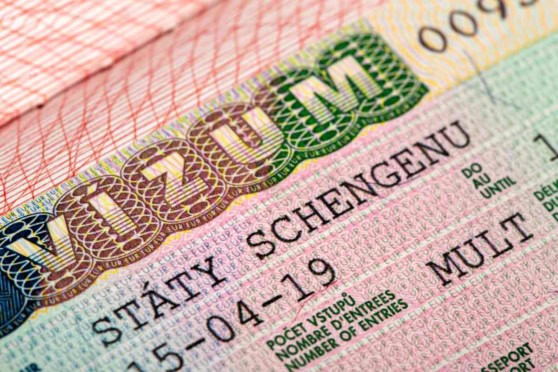
Travelers from visa-exempt countries, such as the U.S., Canada, Australia, and Japan, generally do not require a short-stay Schengen visa for tourism or business purposes, provided their stay is up to 90 days. However, travelers from non-exempt countries must apply for a short-stay Schengen visa.
Starting in late 2026, all travelers from visa-exempt countries will be required to obtain the European Travel Information and Authorization System (ETIAS) before entering the Schengen Area. This travel authorization is not a visa, but it is required for short-term entry.
All short-stay travelers must follow the 90/180-day rule, which limits the time spent in the Schengen Area to 90 days within a 180-day period.
Short-stay visas or ETIAS do not cover long-term stays, so if you plan to relocate for work, study, or residency, you must apply for a national long-stay visa or residence permit from your host country.
Again, it’s crucial to start this process well in advance to avoid complications and ensure a smooth relocation as part of your moving abroad checklist.
Once your documents and visas are in order, the next step is planning your journey. Whether you’re flying, taking a train, or driving, it’s essential to start early. Research travel options to your destination and compare costs, schedules, and any entry requirements.
It’s no secret that flying can be expensive, so start checking prices as soon as possible and set up price alerts to notify you if a flight becomes available at the price you’re hoping to pay.
While comparison sites like Kayak or Skyscanner can be invaluable for finding the best flight deals, booking through third-party sites may sometimes include extra fees. Be sure also to check individual airlines, as they may offer exclusive discounts or more flexible ticket options.
If you’re driving or taking a train, make sure you understand border regulations, vehicle insurance requirements, and any necessary permits.

Be Flexible With Your Travel Dates and Routes! This can save you money and reduce stress. Prices can vary depending on the day, time, and season. Consider traveling on weekdays, adjusting your departure by a few days, or using alternative routes or nearby airports to find better deals.
When deciding which items to bring, start by identifying your living situation in your host country. Will you live in a permanent residence, or will you regularly move from one place to another? How much space will you have?
Take only what is necessary – three large suitcases probably isn’t feasible if you’re moving between multiple homes or sharing a small apartment. Also, keep in mind that most airlines charge extra for additional luggage, so be selective about what you bring.
Once you’ve decided what to take, determine which of the remaining items you will keep in storage and which you will sell or donate.
Try selling old possessions on platforms like eBay, Amazon, Facebook Marketplace, or local expat groups. If you use Craigslist, be cautious: meet buyers in public places and verify payments before handing over items.
Donate any unsold items to a local thrift shop. For items you want to keep, consider using a storage facility to keep them safe while you’re abroad.
Once you’ve decided what to take and what to leave behind, the next step is to arrange how to transport the items you’re bringing with you.
Shipping items internationally can be expensive, so sometimes it’s more cost-effective to pay for an extra luggage bag on your flight.

Compare the cost of shipping your items internationally with the price of additional baggage to decide which option makes the most sense.
Consider the weight, size, and fragility of your belongings when making this decision. If you have a lot of household items or large furniture, it’s wise to get quotes from several international moving companies.
Compare services, shipping times, insurance options, and reviews to find a company that fits your budget and ensures your belongings arrive safely. Requesting multiple quotes also helps you avoid unexpected fees and choose the best overall value.
The last thing you want is to find yourself stuck in a foreign country trying to explain to the authorities that you lost your passport.
Before moving abroad, make copies of your passport, driver’s license, birth certificate, medical records, marriage certificate, and health insurance documents in case the original copy is lost.
For added safety, consider laminating physical copies and storing digital copies in a secure, encrypted, or password-protected cloud service, such as Google Drive, Dropbox, iCloud, or OneDrive. This way, you’ll have access to your documents even if the originals are lost or damaged.
Staying healthy abroad starts before you board the plane. Preparing your insurance, medical documents, vaccinations, and routine care ensures you can access quality healthcare from day one and meet any visa or residency requirements.
Below are the essential steps to take before your move.
Ensuring you have access to quality healthcare abroad is an essential step on your moving abroad checklist. Many countries require proof of valid health or travel insurance as a condition for entry or long-term residency.
Having the right coverage not only meets these official requirements but also provides financial protection, ensuring you can access care whenever you need it.
With this in mind, it’s important to carefully compare global health insurance plans. Look for a policy that offers flexibility to choose any hospital and provides 24-hour emergency assistance.
Check whether the plan covers pre-existing conditions, routine care, and medical evacuation, as these can be critical when living in a foreign country.
Keep both digital and physical copies of your insurance documents, as proof of coverage may be required for registration, visa applications, or entry.
Learn more about global health coverage, and contact us to find a plan that fits your budget and needs.

Cigna Global is an excellent option. It offers coverage for a wide range of medical conditions and features a modular plan design that lets you adjust your coverage to your specific needs.

BCBS Global Solutions Worldwide Premier is an excellent option for U.S. citizens moving abroad. Depending on the plan level, it provides comprehensive coverage in the U.S. and many other countries worldwide.

Taking care of your health before relocating is an essential step on your moving abroad checklist. Scheduling a thorough checkup ensures you’re in good health, your prescriptions are in order, and you’re prepared for any destination-specific medical requirements.
Begin by visiting your primary care physician or a travel doctor. This appointment enables you to review your overall health, address any ongoing medical concerns, and ensure that all routine check-ups are up to date.
If you take prescription medications, discuss your needs while abroad and arrange for an adequate supply or refills to ensure uninterrupted use.
Your doctor can also advise on safely transporting medications and provide documentation if required at borders. Your doctor’s guidance is also crucial for planning vaccines for your destination and health needs.

Before moving abroad, it’s essential to protect yourself from preventable diseases. From malaria to typhoid, many serious illnesses can be easily avoided with proper immunizations.
Check the recommended vaccines for your destination country and consult a travel or primary care doctor well in advance of your move.
In addition to personal health protection, some countries require proof of certain vaccinations as part of their entry requirements or visa applications.

For example, yellow fever vaccination is mandatory for travelers entering specific regions in Africa and South America. Additionally, other countries may require proof of routine vaccinations for long-term residency or school enrollment.
Keep a copy of your vaccination records with your important documents and, if possible, store digital copies in a secure cloud service. This ensures you have proof readily available if requested at borders, schools, or healthcare facilities abroad.
Once your healthcare and vaccinations are in order, the next step is planning for overall safety.
Before leaving for your host country, review the official travel advisories for your country to understand the potential risks in your destination, including crime, civil unrest, local health concerns, and natural hazards.
Taking these precautions complements your health preparations, giving you confidence and peace of mind as you adjust to your new country.
For additional guidance, check out our article on staying healthy while living abroad, which offers practical tips for maintaining well-being.
Securing a place to live – both temporarily and long-term – is an essential first step on any moving abroad checklist.
Here are some tips and resources to help you find the right home and start your new life abroad with confidence.
Begin by researching neighborhoods and housing options in your destination city or area. Explore expat forums, connect with locals, and check online listings to identify the areas and types of housing that best suit your needs. This research will also give you insight into rental prices, amenities, and local housing norms.
To help you get started, explore tools like Airbnb or Booking.com for short-term rentals, and visit expat-specific forums such as Expat.com or Facebook groups to connect with the local community.
For long-term housing, consider country-specific platforms such as Zillow, Rightmove, Idealista, or Immoweb. You can also use resources like Numbeo or Expatistan to compare neighborhood costs and gather additional local insights.
Do Your Research! Consider walkability, public transport, and proximity to essentials like stores, hospitals, and schools. Use virtual tours or video calls to evaluate properties, join local expat groups for insights on safety and landlords, and arrange temporary housing if needed while searching for a permanent home.
While “winging it” with housing can be fun, make sure you have at least somewhere to stay for your first night.
Between dealing with jet lag and navigating an entirely new city, having a place to sleep lined up before you arrive will eliminate unnecessary stress.
Consider booking a hotel, Airbnb, or short-term rental in advance to ensure availability. Keep a confirmation copy handy in both printed and digital formats. It’s also smart to have a backup option nearby in case of last-minute changes or delays.
Decide whether to sell or rent your current property, keeping in mind that the process can take anywhere from a month to over a year, so start as early as possible.
List your home on popular real estate websites like Zillow, Realtor.com, or Trulia, and consider platforms like Airbnb, Vrbo, or local rental sites if you plan to rent it out.

Working with a trusted local realtor or property management company can help handle showings, tenant screening, and maintenance while you’re abroad.
If renting, ensure contracts clearly define responsibilities, including who covers repairs, utilities, and insurance. Check local regulations for landlord requirements and any taxes on rental income.
Be prepared for potential delays in selling or renting your home, and consider arranging temporary housing for yourself to minimize stress during the process.
The cost of shipping your car can vary greatly depending on its size and the distance it needs to travel. For example, transporting a standard sedan from the U.S. to Europe via Roll-on/Roll-off (RoRo) ships typically costs between $900 and $1,500, while larger cars or SUVs cost around $1,200 to $2,000.
If you prefer container shipping, typical costs range from $1,500 to $3,500 for shared containers and $2,000 to $4,000+ for dedicated containers.
Remember, the shipping fee is only part of the total expense. Once your car arrives, you may incur additional expenses, such as import duties, VAT, registration fees, port handling charges, and potential modifications to comply with local regulations.
These additional costs can range from several hundred to over a thousand dollars, depending on the destination.
Despite the expense, shipping your car can save you the hassle of selling it locally and buying a new vehicle abroad. However, if you opt to sell, use local classifieds, dealer networks, or online platforms to reach potential buyers efficiently.
Finally, if you’re used to driving an automatic car, keep in mind that manual vehicles are more common in much of Europe.
Purchasing an automatic locally can be significantly more expensive, which is another factor to weigh when deciding whether to ship or sell.
You certainly don’t want to receive a surprise utility bill while living abroad, so be sure to turn off or cancel all lights, heat, water, gas, internet, and any other subscription services.
Contact your utility providers to either cancel or temporarily suspend your accounts, and confirm the final billing date.
On your last day, take meter readings for gas, water, and electricity to avoid any disputes, and request a final statement in writing or by email.
If someone needs to access your home for a final inspection, notify your neighbors or building management. And if you plan to rent out your home, be sure that utilities are properly transferred to the new tenant.
Take care of memberships and subscriptions, such as gym memberships, club memberships, streaming services, or local magazine subscriptions, that cannot be transferred abroad.
Some gyms require in-person cancellation, so address this early. Also, review automatic payments linked to your bank or credit cards to prevent unexpected charges, and save confirmation emails for your records.
To avoid a backlog of mail while you focus on settling into your new home, arrange for mail forwarding before you leave. This ensures essential documents, bills, and packages reach you at your new address without delay.
Check with your local postal service for options, and consider digital mail services if you’ll be abroad for an extended period.
Managing your finances is a key part of moving abroad. From budgeting to setting up accounts you can use overseas, the moving abroad checklist below ensures you can access your money easily and avoid unnecessary fees.
Here are some steps to help you get started.
Living abroad can be expensive, so take some time to put together rough estimates of your monthly expenses to ensure your expected lifestyle aligns with what you can afford.
Research the cost of living abroad to identify the expected change in pricing for housing, food, transportation, healthcare, and entertainment, and don’t forget to factor in taxes, insurance, and unexpected fees.
Before leaving for your host country, pick up a small amount of your host country’s currency from your local bank.
Airport currency exchanges typically offer a poor exchange rate, and finding somewhere to convert your money to your host country can be stressful in the midst of your move.
While credit or debit cards are convenient, some countries rely heavily on cash, so having some on hand is wise.
Opening an international bank account before your move can simplify your relocation. Large global banks, such as HSBC, simplify your relocation by allowing you to open an international bank account in your host country before relocating overseas.
Additionally, consider Charles Schwab, which reimburses international ATM fees, so you never incur a fee for using an ATM abroad.

If you’re a U.S. citizen living abroad, you may also need to file the Foreign Bank Account Report (FBAR) to report foreign financial accounts.
To ensure you meet all deadlines and regulations, consider scheduling a consultation with Greenback Expat Tax Consultation and get expert guidance on international bank reporting.
Before relocating, call your bank to inform them of your expected arrival in your host country and any other countries you plan to visit.
Check whether your credit or debit cards charge foreign transaction fees, as these can quickly add up and increase your living expenses.
If your cards have high fees, consider opening a new card or withdrawing larger amounts at once to minimize ATM fees abroad.
It’s also wise to research international money transfer services to move funds efficiently and safely, or consult resources like MoverFocus for guidance.
If you have children, being prepared and ensuring they have a smooth adjustment are crucial steps on your moving abroad checklist.
Here are some practical steps to consider for healthcare, education, and supporting your child emotionally and socially during the move.
Moving with children requires careful preparation, including travel arrangements, health insurance, packing, and settling in. Planning these details in advance can reduce stress for both parents and children.
Consider timing flights around nap schedules, booking seats together, and packing essentials like comfort toys, books, or snacks to make the journey easier.
Ensure each child has up-to-date vaccinations and regular medical check-ups, and obtain comprehensive international health insurance that covers routine care, emergencies, and any pre-existing conditions.
When it comes to belongings, decide what to bring, ship, or store, including items that provide a sense of familiarity and comfort.
Before your arrival, identify temporary accommodations, explore the neighborhood, and locate nearby schools, parks, and healthcare facilities so your family can settle in smoothly.

Finding the right school is a key part of a successful move. Depending on your child’s needs, your family’s preferences, and the host country’s offerings, you might choose a local school, an international school, or homeschooling.
When considering your options, take into account factors such as curriculum, language of instruction, location, and extracurricular activities.
For more guidance, see our article on choosing the right international school.
Adjusting to a new culture, language, and social environment can be challenging for children, and even small changes can feel overwhelming.
Maintaining familiar routines at home, encouraging open communication about their feelings, and offering consistent reassurance can help them feel secure during the transition.

In addition, spending time exploring the new community together, connecting with other expat families, or participating in local activities can help children gradually build confidence and a sense of belonging.
Be sure to read our article on how to help your child adjust to life abroad for more proven strategies.
Moving abroad with pets requires careful planning to ensure they remain safe, healthy, and comfortable. Here are the key steps for navigating regulations, veterinary requirements, travel logistics, and preparing medications and documentation.
Before relocating with your pet, review the requirements of your host country.
Most countries require a microchip for identification, up-to-date vaccinations, including rabies, and treatments such as tapeworm for dogs. Some countries may also require quarantine for a set period.
Schedule a veterinary checkup to confirm your pet has received all required vaccinations and treatments. This ensures they meet entry requirements and are healthy enough for travel.
After the checkup, your veterinarian can provide a professional opinion on whether your pet is healthy enough for travel.
Flights can be particularly stressful, especially for small animals, senior pets, or those with medical conditions.
If your pet is cleared for travel, discuss the possibility of using sedatives or calming medications with your vet. Some pets may benefit from mild sedatives, but not all are safe for air travel; therefore, always follow your veterinarian’s guidance.
Research airline policies well in advance. Some airlines allow small pets to fly in the cabin, usually in an approved carrier under the seat, while larger pets may need to travel in the cargo hold.
Each airline has specific requirements for carriers, vaccinations, and health certificates, so check these carefully before booking.

Book flights that minimize travel time and connections whenever possible, and try to avoid periods of extreme weather. Preparing your pet with a familiar blanket, toy, or treat can help reduce anxiety during the journey.
While some medications may seem easy to find in your current country, keep in mind that they may be more difficult to find in your host country.
Take enough supplies for one to two months to ensure your pet is covered until you can access a local veterinarian.
Proper paperwork is essential. Failing to bring vaccination records, microchip information, or other documentation could result in your pet being detained or quarantined upon arrival.
Make extra copies of all documentation, including vaccination records, microchip information, and health certificates, and store them in both physical and digital formats.
Once in your host country, you may want to relax and start settling in, but there are still a few final steps to complete. Before getting too comfortable, check out our post-moving-abroad checklist below.

Arriving in a new country is exciting, but it also comes with important practical steps to settle in smoothly. Here are the key tasks to help you set up your home, access services, and adjust to your new environment.
Once you arrive in your host country, set up a local SIM card or an international plan that suits your needs. Before choosing a plan, review your phone records from the past 3–6 months to estimate your typical data usage and call minutes.
Many carriers require a 2-year contract, and pay-as-you-go plans are usually more expensive per minute, so plan accordingly based on how long you expect to stay.
For those who anticipate minimal usage or are finalizing local mobile services, using Wi-Fi-calling apps like WhatsApp, Viber, or Skype can help you stay connected affordably.
Ask your landlord about the fastest and most reliable internet options available, as well as the standard utility providers for your building.
Many apartment complexes require a specific provider, but otherwise, shop around for the best deal.
Keep all account information, passwords, and service schedules in a secure, easily accessible location. If your electronics are from another country, consider installing surge protectors or voltage adapters.
While we can always hope for the best, preparing for the worst is also essential. The last thing that you want to be doing if you end up with a broken arm or fever is trying to identify the nearest hospital.
Take a few minutes to explore our international hospitals guide to identify the best hospitals or healthcare facilities nearby.

Check if any hospitals or pharmacies have English-speaking staff or expat-friendly services and save addresses, phone numbers, and operating hours in your phone.
Learn how local emergency services operate (e.g., dialing 112 in Europe, 911 in the U.S.) and what documents you may need for care.
If you take prescription medications, confirm whether you can refill them locally and how to transfer prescriptions if needed.
Even learning a few basic phrases, such as “hello,” “thank you,” or “do you speak English,” can make a big difference when settling into a new country.
While English is widely spoken around the world, assuming everyone speaks it can sometimes create awkward situations or frustration.
To get a head start, consider using language-learning apps like Duolingo or Pimsleur, or explore our tips for learning a foreign language to build confidence quickly.
Adjusting to a new culture is sometimes an overlooked step on a checklist for moving abroad. However, you may initially feel culture shock when encountering different social norms, language barriers, or daily routines in your new country.
To help ease the transition, bring a few familiar items from home to make your space feel comfortable, learn key local phrases, and get involved in your community.
You can also connect with expat groups, attend cultural events, volunteer, or try new hobbies to meet people and build connections.
Remember to give yourself time, be patient, and embrace small steps – each effort helps you feel more at home.
Read our article on how to overcome culture shock and thrive abroad for more strategies to help you settle in faster.
Relocating overseas can feel overwhelming, but with careful planning, you can make the transition smooth and stress-free.
From securing visas and health insurance to packing your belongings, setting up banking, and preparing your family or pets, every step matters.
Using this moving abroad checklist ensures you don’t overlook any crucial tasks and gives you a clear roadmap for your international relocation.
By following it, you can confidently embark on your new adventure, knowing your move is organized, safe, and well-prepared.
Start checking off items today and take the first step toward a successful relocation abroad.
Download your step-by-step guide to preparing for your international move, organizing important documents, planning healthcare and finances, and settling into your new home with confidence.