




International Health Insurance
Gain valuable insights and practical tips for navigating international health insurance while living abroad. From coverage details to expert advice, this comprehensive guide helps travelers…

International medical cover for expats and their families.
Medical and trip cancellation coverage for international travel.
Life insurance for globally mobile individuals living or working abroad.
Comprehensive international medical coverage for groups.
Medical, accident, and liability protection for global travel.
Financial protection for employees worldwide.
Most Popular Country Guides
Healthcare, insurance, and living insights to plan life and travel in each destination.
Healthcare, safety, and practical guidance for living abroad.
Tips and guidance for safer, smarter international travel.
Resources for global mobility, HR, and international teams.
Discover the world’s 15 most expensive countries to live in 2026 and compare housing, healthcare, food, and other daily costs.
Living costs are one of the most important factors to consider when planning a move abroad. Beyond housing, you’ll need to budget for everyday expenses, such as utilities, transportation, food, healthcare, and leisure.
To help you weigh your options, this article highlights the most expensive countries to live in for 2026. These destinations are known for their high standards of living, strong infrastructure, and desirable lifestyles, but they come at a premium. Whatever your reason for moving overseas, understanding these costs can help you plan your relocation and avoid surprises along the way.

To rank the most expensive places to live in 2026, we used the latest Numbeo Cost of Living Index, which compares consumer prices, rent, groceries, restaurants, transportation, and purchasing power across countries worldwide.
All costs are shown in U.S. dollars (USD) for consistency and easier comparison. The cost-of-living score is indexed to New York City = 100, meaning destinations with scores above 100 are more expensive, while lower scores indicate comparatively lower living costs.
This list includes countries, territories, and self-governing regions where expats commonly live, based on overall cost-of-living data.
The following countries have the highest living costs for expats in 2026. From housing and groceries to transportation and healthcare, expenses in these destinations can be much higher than in most other parts of the world.
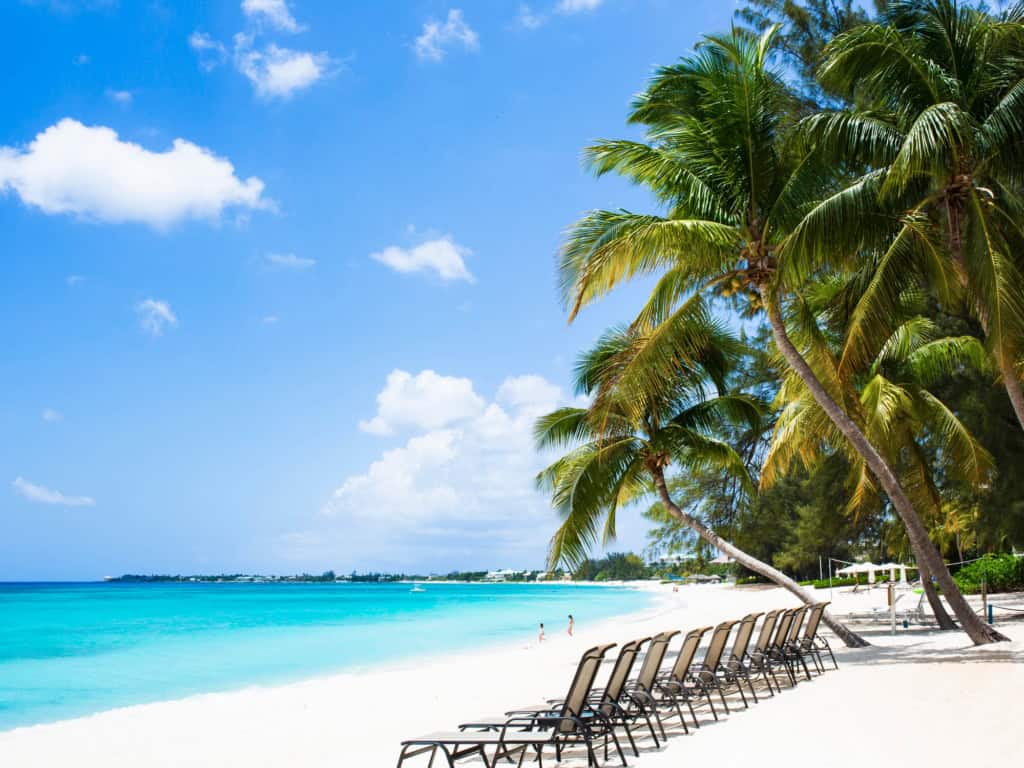
The Cayman Islands are a self-governing British Overseas Territory in the Caribbean and are well known for attracting wealthy expats.
People from many countries choose to live here for the luxury lifestyle, which includes beautiful beaches, high-end villas, well-developed tourist facilities, and excellent Caribbean cuisine.
The territory comprises three islands: Grand Cayman, Cayman Brac, and Little Cayman. Grand Cayman is the largest and most populous island, and home to the main towns of George Town and West Bay.
As a former British colony, English is the official language and widely spoken, making it an ideal choice for expats seeking a smooth transition to tropical island life, where sun, luxury, and laid-back elegance are part of everyday life.
The Cayman Islands are perhaps best known for their offshore financial sector and for having no income tax, which has made them a popular destination for high-net-worth individuals.
However, this popularity comes at a cost, and everyday expenses are very high. The Cayman Islands have the highest cost of living anywhere in the world.
Overall Cost of Living Score: 108.2
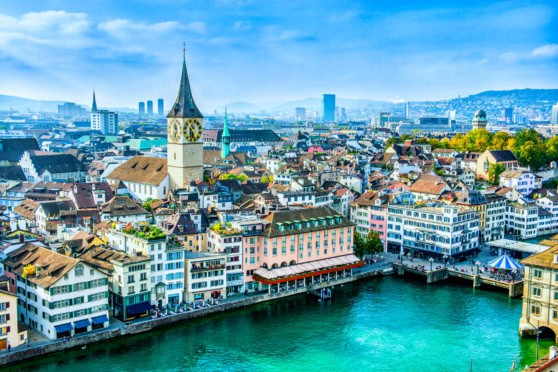
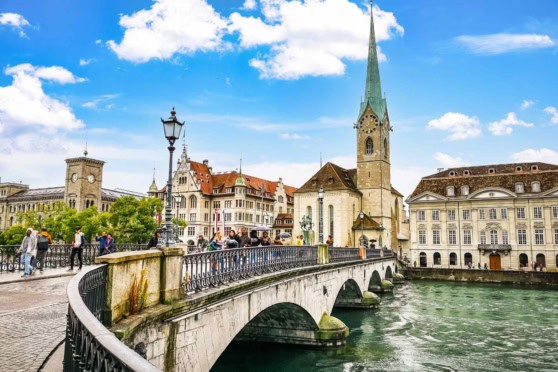
Switzerland consistently ranks among the most expensive places in the world. This small Central European country is home to several high-cost cities, including Zurich, Geneva, and Basel.
It also ranks second globally on the purchasing power index, behind Kuwait, largely due to the strength of the Swiss franc.
High prices are driven by strong salaries, an excellent quality of life, and very expensive real estate. Buying an apartment in Zurich’s city center, for example, can cost around $24,500 per square meter. That’s roughly 20% more than comparable properties in New York.
Healthcare and education are also costly, but they are widely recognized for their high standards. You can find several reputable international schools in Switzerland. Leisure activities can also be expensive.
For example, Switzerland has the most expensive cinema tickets in the world, so you might want to enjoy the movie with your popcorn at home instead!
Overall Cost of Living Score: 106.8
Switzerland’s healthcare system is one of the best in the world, but it comes at a price. Health insurance is mandatory for everyone, and residents must buy individual policies from private insurers.
For expats, choosing the right level of cover is important to avoid high out-of-pocket costs. You can choose between basic plans that cover essential healthcare and comprehensive insurance that includes wider access to specialists and private hospital rooms.
Iceland ranked as the safest place on the planet in 2025, but it’s also one of the most expensive countries to live in. As an island nation, it relies heavily on imports, such as food and fuel. This means high transport and grocery costs.
Reykjavik, the capital city, is by far the most expensive area in the country. Grocery prices and restaurant bills there are among the highest in the world.
Other costly areas are mainly found around the capital region, including nearby towns such as Seltjarnarnes and Garðabær.

However, many public services in Iceland are heavily subsidized, and housing costs are lower than in some major global cities.
For example, buying an apartment in Reykjavik costs around $7,570 per square meter, roughly one-third of the cost of a similar property in New York.
This, plus Iceland’s dramatic natural beauty, makes it an attractive high-cost country in which to live.
Overall Cost of Living Score: 94.5
Iceland has a universal, tax-funded healthcare system, so private health insurance is less common than in many countries.
You can usually access this after six months of living in the country. Until then, you’ll need private coverage, which costs from around $1,000/month.
Once you are eligible for public healthcare, you’ll need to make copayments for some services. These are capped at around $275/month.
The Bahamas is a small island nation in the Atlantic Ocean, located near Cuba and the United States.
Known for its white-sand beaches and tropical climate, it is often seen as an idyllic place to live. Low taxes have also helped attract wealthy individuals and expats.
The country is a popular tourist destination, and the year-round influx of visitors has driven up prices, making the Bahamas one of the most expensive countries to live in. Costs are especially high in Nassau, the capital city.
Because the Bahamas relies heavily on imports and tourism, everyday goods can be expensive, and the economy is vulnerable to global shocks.
As a result, purchasing power is relatively low compared with other high-cost countries.
Overall Cost of Living Score: 85.4
The Bahamas introduced a national public healthcare system in 2017. This has helped reduce medical costs for residents, although not all healthcare services are fully covered.
Residents and expats can choose to take out private health insurance for extended coverage. Comprehensive global medical plans typically start from $500 a month.
Singapore is a tiny island nation in Southeast Asia, located next to Malaysia. Despite its size, which is smaller than cities such as Tokyo or London, it has grown into a major global financial hub.
It offers world-class infrastructure, excellent public services, and abundant career opportunities. This dynamic environment continues to attract expat professionals from all over the world.
As land is limited, Singaporean real estate is in high demand. Housing costs are among the main reasons Singapore ranks among the most expensive countries to live in.

Car ownership is also very costly, largely due to strict regulations and high vehicle taxes. However, these are partly offset slightly by relatively affordable food and public transport costs.
While the overall cost of living in Singapore is high, residents benefit from world-class amenities, excellent infrastructure, and advanced technology throughout the city.
Overall Cost of Living Score: 85.3
Singapore’s healthcare system comprises both public and private services. Most residents are covered by the public healthcare system, with private insurance available for those who want additional benefits or faster access to care.
The cost of private health insurance varies depending on factors such as age, health, and level of cover. Fully comprehensive plans can cost between $200 and $650 a month.
Norway is consistently ranked among the most expensive countries in the world to live in. As in much of Scandinavia, grocery and restaurant prices are especially high.
Major cities such as Oslo, Bergen, and Trondheim also face high housing costs and relatively expensive public transportation.
On the positive side, people moving to Norway can expect excellent public services, high wages, low crime rates, and easy access to stunning natural scenery.
Norway is also one of the best places in the world to see the famous Northern Lights. In addition, it has one of the strongest and most stable economies globally.
Overall Cost of Living Score: 78.9
Denmark’s position as one of the most expensive cities to live in is largely due to the high cost of living in its capital city, Copenhagen.
Housing prices in the capital are significantly higher than the national average, and everyday expenses such as groceries and childcare also tend to be more expensive.
These high costs are partly balanced out by a strong quality of life. Copenhagen ranked as the world’s most liveable city in 2025.
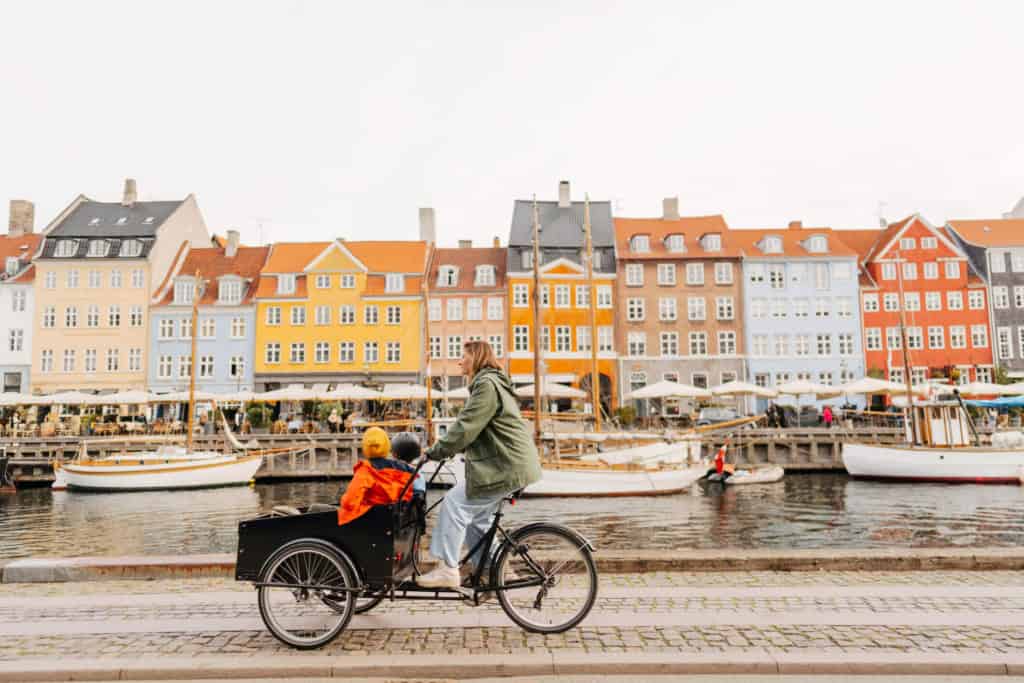
While Danes pay relatively high taxes, they benefit from excellent public services and social support in return.
Denmark also typically performs well in global happiness surveys, making it an attractive option for expats who can afford the cost of living in this Scandinavian country.
Overall Cost of Living Score: 74.1
Luxembourg is a small, landlocked country in the heart of Europe. It is a major financial centre, with many banks and investment firms based there.
The country is home to a large number of well-paid expats and has some of the highest average salaries in the world. It also has a robust, stable economy and ranks highly in purchasing power.
Despite being one of the most expensive countries to live in, Luxembourg offers excellent public services and amenities.
Everyday costs such as groceries, eating out, and housing are high, but public transport is free nationwide. Some leisure expenses, including gym memberships, are also relatively affordable compared to other living costs.
Overall Cost of Living Score: 73.1
Hong Kong is a coastal city and special administrative region located on the southern coast of China. While it is officially under Chinese control, it operates under a separate system.
Hong Kong’s reputation as one of the most expensive places to live is mainly due to extremely high rents and housing costs, driven by limited space and strong demand.

Other everyday expenses in Hong Kong, such as public transport and eating out, are relatively affordable compared to rent.
Hong Kong also has a strong finance sector, offering well-paid jobs that attract many young expats. Many are drawn not only by career opportunities but also by the city’s lively nightlife and fast-paced lifestyle.
Overall Cost of Living Score: 72.2
Located in Western Europe, Guernsey is the second-largest of the Channel Islands, after neighboring Jersey.
Although it lies closer to France, it’s a self-governing British Crown Dependency, with English as the main language.
Smaller and less populated than Jersey, Guernsey nevertheless has the highest cost of living in the Channel Islands.
The island is home to many wealthy residents, including owners of multi-million-pound properties who are drawn to its rolling countryside and scenic beaches.
The lifestyle comes at a cost. Rental prices are 72.7% higher than the UK average, and property is nearly twice as expensive to buy.
Grocery bills are also high due to Guernsey’s dependence on imports. However, this is compensated by a good salary. Average monthly net earnings are nearly $4,550.
Overall Cost of Living Score: 70.2
Israel is often ranked among the most expensive countries in the Middle East, with living costs far higher than in neighboring countries.
Prices for housing, groceries, and utilities are high by global standards, largely due to limited competition and heavy reliance on imports.
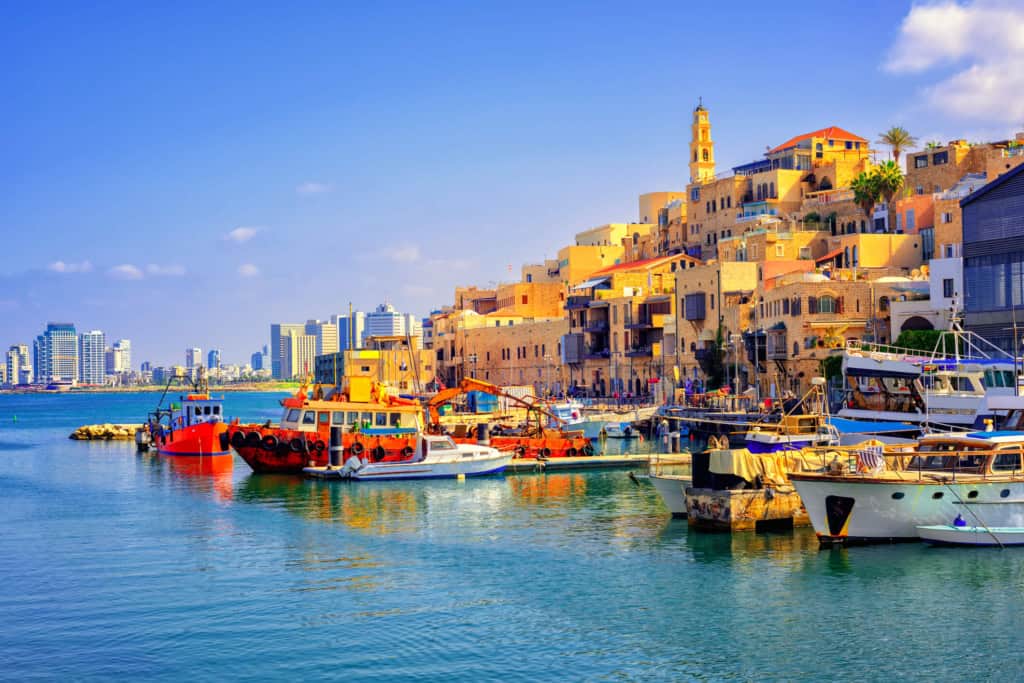
The most expensive cities are Tel Aviv and Jerusalem, where real estate prices are especially steep.
Buying an apartment in Tel Aviv can cost around $20,600 per square metre, while prices in Jerusalem are slightly lower, at roughly $19,300 per square metre.
Salaries in Israel are also relatively high for the region, which helps offset some of these costs.
Overall Cost of Living Score: 69.6
Private health insurance – Around $450 to $550/month.
The Israeli healthcare system is widely regarded as one of the best in the world. However, access to healthcare can differ between citizens and foreign residents.
As a result, many expats choose to take out private health insurance to ensure full coverage and shorter waiting times. A comprehensive private health plan typically costs between $450 and $550 a month.
Like Guernsey, the Isle of Man is another self-governing British Crown Dependency in Western Europe with high living costs and a high standard of living.
Located in the Irish Sea between Great Britain and Ireland, it has a population of around 84,000, making it smaller than most UK cities.
Living costs on the Isle of Man are generally higher than in much of the UK, though usually lower than in London.
The island’s attractive rural scenery, strong quality of life, and close-knit community have drawn high earners and wealthy retirees.
At the same time, the island’s reliance on imported goods and limited housing supply helps keep everyday costs well above the UK average.
Overall Cost of Living Score: 68.6
The Netherlands is a new entry in the top 15 most expensive countries to live in, rising from 26th place at the start of 2024.
The biggest increases in the cost of living have been in housing, alcohol, and education. Rents rose sharply during 2024, while higher excise taxes pushed up the price of alcohol and tobacco.
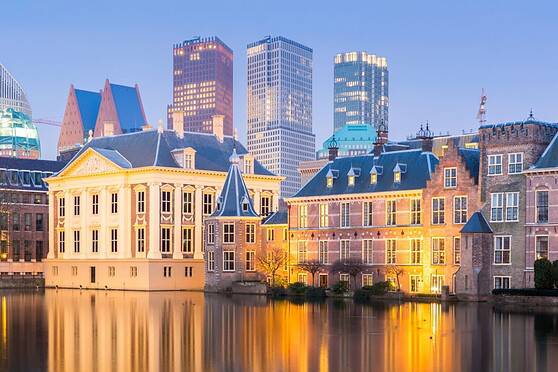
The most expensive cities include Amsterdam, Rotterdam, and The Hague. Housing costs are especially high in Amsterdam.
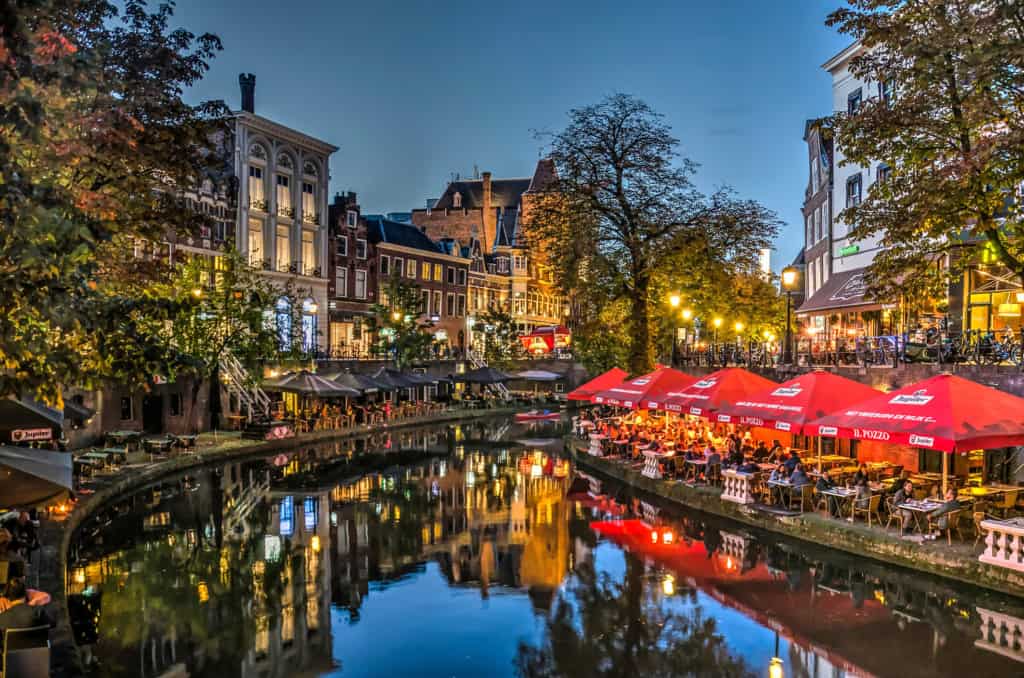
Buying an apartment in the city center costs around $10,815 per square meter, compared to the national average of roughly $6,750.
Despite these high costs, the Netherlands has one of the highest minimum wages in the world. It also offers a strong standard of public services and consistently scores well in international quality-of-life rankings.
Overall Cost of Living Score: 68.1
Healthcare in the Netherlands is among the best in the world. Basic private health insurance is mandatory, with supplementary insurance available for people who want extra coverage, such as dental care or physiotherapy.
Over 80% of the Dutch population has supplementary health insurance. The cost of a comprehensive health plan is typically between $200 and $300 a month.
Located in the heart of Europe, Austria is known for its fine arts, high quality of life, and stable economy. Its ranking among the most expensive places in the world is mainly due to high housing and utilities costs.
Vienna, Salzburg, and Innsbruck are among the most expensive cities. Property prices in Vienna are nearly twice the national average, making housing a major expense for residents.
Despite high rent and utility costs, Austria has more affordable food and public transport prices. Healthcare and education are also heavily subsidized, which helps keep everyday living costs more manageable.
Overall Cost of Living Score: 67.6
Ireland’s growing economy and booming job market have pushed up the cost of living in recent years.
The country is also a popular relocation destination for expats, thanks to its friendly community atmosphere, vibrant culture, and the widespread use of English.

Housing costs in the Republic of Ireland have seen the biggest increases in recent years, especially in Dublin.
Rent prices in the capital are around one-third higher than the national average, while property prices are more than 50% higher.
Overall Cost of Living Score: 66.6
Ireland has a well-developed public healthcare system that provides free or subsidized care to all residents who meet eligibility rules.
Private health insurance is available for people who want faster access to treatment, a wider choice of services, or private hospital care. It is also commonly used alongside the public system. Comprehensive plans generally range from €150 to €300 a month.
No matter where you choose to move, there will always be pros and cons to living in one of the world’s most expensive countries.
While places with the highest cost of living may challenge your wallet, they can also offer unmatched opportunities and lifestyle perks.
For example, everyday expenses such as housing, groceries, and transportation can be significantly higher than what you’re used to.
Similarly, dining out, entertainment, and even routine services often come at a premium, which can strain your budget.
However, living in a more expensive country often comes with benefits, including access to world-class infrastructure, high-quality healthcare, advanced education, and excellent public services.
These advantages typically translate into a high standard of living and unique opportunities that are harder to find elsewhere.
That said, even in high-cost destinations, protecting your health remains critical. Without proper coverage, medical treatment can be expensive for expats, even in countries with excellent healthcare systems.
This is where international health insurance makes all the difference, ensuring you have access to quality care without financial stress.
With comprehensive coverage, you can enjoy peace of mind while living abroad, knowing you’re protected against unexpected medical costs.
Wherever you choose to relocate, careful planning and realistic budgeting are essential. Be sure to account for all major expenses, including housing, groceries, transportation, utilities, and leisure activities, so you can settle in comfortably and enjoy your new home.
Healthcare costs are also an important part of planning. Before moving, check what medical services are available to expats, the quality of care you can expect, and the level of health insurance you may need.
A comprehensive global medical plan can provide access to high-quality care and help protect you from unexpected out-of-pocket costs.
Get a quote today to secure your coverage and enjoy a worry-free life in your new home abroad.
There are many factors to consider when assessing a country’s cost of living. These include rental prices and housing costs, healthcare expenses, utility bills, grocery prices, and transportation costs.
Together, these everyday expenses help show how affordable life is for residents and newcomers alike.
The most expensive cities to live in are often found in the most expensive countries. However, rankings can change from year to year as living costs shift due to economic conditions, population changes, and local demand.
The world’s most expensive cities for expats include Zurich, Lausanne, Reykjavik, and Oslo.
The cheapest countries to live in are often found in South East Asia, South America, and Central America.
In 2026, these include Vietnam, Colombia, and Panama. While living costs are low, many of these countries also offer beautiful natural scenery, rich cultural traditions, and welcoming local communities.
The relationship between a country’s cost of living and quality of life is complex. While many of the world’s most expensive countries do offer an excellent quality of life, the correlation isn’t automatic.
Likewise, some countries with lower living costs can still provide a good standard of living. A more important factor is the ratio between cost of living and income levels.
Expats living in expensive countries can often reduce healthcare costs by choosing the right level of health insurance. While many countries offer public healthcare to help lower expenses, this is not always available to expats and may not cover all treatments.
Comprehensive international health insurance can help protect against high out-of-pocket medical costs.
The most expensive countries to live in are usually also costly places to visit. High living costs often lead to higher prices for tourists, especially for short-term accommodation such as hotels and rental lodgings, as well as restaurant meals.
Flights can also be expensive, particularly to popular destinations. However, careful planning and booking in advance can help reduce travel costs.