Hospitals in Russia for Foreigners and Visitors
Discover the top Russian hospitals for visitors and foreigners living in Russia, including the best facilities in Moscow and St. Petersburg.

International medical cover for expats and their families.
Medical and trip cancellation coverage for international travel.
Life insurance for globally mobile individuals living or working abroad.
Comprehensive international medical coverage for groups.
Medical, accident, and liability protection for global travel.
Financial protection for employees worldwide.
Most Popular Country Guides
Healthcare, insurance, and living insights to plan life and travel in each destination.
Healthcare, safety, and practical guidance for living abroad.
Tips and guidance for safer, smarter international travel.
Resources for global mobility, HR, and international teams.
Planning on moving to Russia? Discover key insights on visas, cost of living, healthcare, language, and culture in this practical guide for expats.
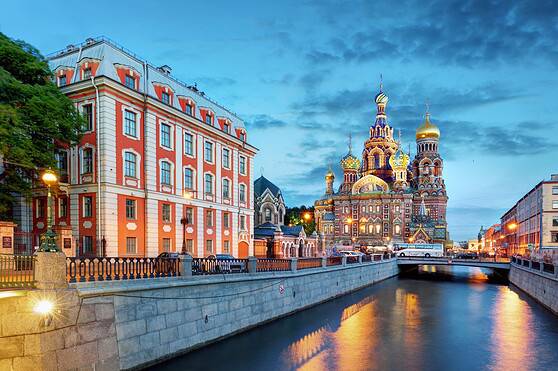
Russia is a country that often captures the imagination of would-be expats. Vast, historic, and culturally rich, it blends imperial architecture, world-class museums, and deep artistic traditions with some of the most dramatic natural landscapes on Earth.
At the same time, moving to Russia is a significant step that comes with unique practical and cultural considerations. This guide breaks down everything you need to know to prepare for a successful transition to life in Russia.
If you are planning to move to Russia, understanding the visa and immigration process is essential from the start.
For short stays, most visitors must apply for an entry visa in advance through a Russian consulate or embassy in their country of residence. Russia does not offer a visa-on-arrival for foreign nationals.
If you intend to work in Russia, you will also need a work permit issued through the appropriate Russian migration authorities. In most cases, your employer will support this process, including registration requirements, once you arrive in the country.
Longer-term residency typically requires a residence permit. This may be issued in temporary or permanent status, depending on eligibility and the duration of stay.
Many expats move to Russia through employment opportunities in areas such as English teaching, translation, publishing, business development, and marketing roles, where international experience is often in demand.
Russia is the largest country in the world, and the cost of living varies significantly across regions. Major cities like Moscow tend to be considerably more expensive than smaller regional cities and towns.
For reference, Moscow serves as the country’s main financial and expat hub.
As expected, Moscow has higher housing and dining costs compared to other parts of Russia, but it also offers the widest range of international services and employment opportunities.
Average monthly costs include:
Typical grocery prices:
While living costs in Moscow can be relatively high, many expatriates working in Russia are employed in senior or specialized roles.
These positions often include additional benefits such as housing, private health insurance, transportation, and education allowances for children.
For those outside senior management roles, average monthly salaries in Moscow typically range from around 31,300 RUB ($425 USD) to approximately 552,000 RUB ($7,945 USD), depending on experience and industry. The median salary is approximately 114,000 RUB ($1,540 USD) per month.
Income tax also varies depending on residency status. Non-residents are generally taxed at 30%, while residents who spend more than 183 days per year in Russia are taxed at a flat rate of 13%.
Russia also maintains double taxation agreements with many countries. This may help expats avoid being taxed twice on the same income.
Healthcare in Russia is provided through a state-funded system known as the Federal Compulsory Medical Insurance Fund (OMC), which is financed through taxation.
While this system provides access to basic medical care, not all treatments are fully covered. As a result, many locals and expats choose to supplement their coverage with private health insurance in Russia. This grants them faster access, broader treatment options, and improved facilities.
Citizens generally have access to free healthcare services. However, foreign residents are typically only covered for emergency care unless they are enrolled in the state system. Even then, coverage can be limited depending on location and hospital access.
For this reason, many expats choose to secure international or private health insurance before relocating, ensuring more comprehensive protection and access to private medical facilities.
Before moving to Russia, it is highly recommended to have at least a basic understanding of the Russian language.
English is not widely spoken in everyday settings such as shops, transport hubs, or government offices, which can make daily life challenging at first.
Russia is a culturally diverse country with a strong national identity and a wide range of ethnic groups. The majority of the population is culturally associated with Eastern Slavic heritage, and Russian Orthodoxy is the most widely practiced religion.
Russians are often warm and welcoming, though relationships tend to develop gradually. Friendships may take longer to form compared to some other countries, but they are typically deep and long-lasting once established.
Family plays an important role in Russian culture, and respect for elders and traditions is highly valued. It is generally advisable to avoid making stereotypical jokes or discussing sensitive political or historical topics until you are familiar with the local context and relationships.
Russia also has a long-standing cultural legacy in literature, music, ballet, and the arts, which remains a strong source of national pride.