
The Ultimate International Travel Checklist
Plan your overseas trip with ease using this essential international travel checklist, covering visas, flights, insurance, packing, and more.

International medical cover for expats and their families.
Medical and trip cancellation coverage for international travel.
Life insurance for globally mobile individuals living or working abroad.
Comprehensive international medical coverage for groups.
Medical, accident, and liability protection for global travel.
Financial protection for employees worldwide.
Most Popular Country Guides
Healthcare, insurance, and living insights to plan life and travel in each destination.
Healthcare, safety, and practical guidance for living abroad.
Tips and guidance for safer, smarter international travel.
Resources for global mobility, HR, and international teams.
Learn how to travel safely while pregnant with expert tips, travel insurance guidance, and health precautions for international trips.
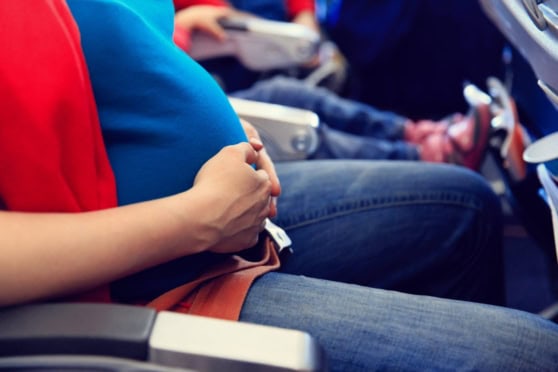
Are you considering traveling while pregnant? If you’d like to travel abroad while pregnant, you may need to consider several factors. However, a wide range of travel plans can be adjusted to ensure your health and safety during your pregnancy. Let’s examine some key factors that influence an international itinerary during pregnancy.
The first thing you should do when thinking about going abroad is to speak to the physician in charge of your prenatal care.
Many countries require specific vaccinations or other precautions that you may not be able to take while pregnant.
If there are alternative ways of staying healthy, your doctor will outline them for you. Be as specific as possible about the dates and locations of your trip.
You can often arrange for priority boarding on airplanes and some cruise ships if you are pregnant and require additional time or assistance to reach your seats or accommodations.
For air travel, making such arrangements in advance is usually unnecessary: Speak to a representative from your airline.
If you need help navigating the airport itself, you can easily place a call to the airport before your arrival.
Some seaports and cruise lines may offer priority boarding for women during pregnancy, although this typically requires advance notice.
If you are traveling with a partner, be prepared for the possibility that you may be temporarily separated from each other. If you travel with young children, they will be allowed to use any priority services with you.
Please note that if you are bringing durable medical equipment, such as a breast pump, you will typically need to remove it from your baggage during the security screening process.
You may be asked about your pregnancy, so be prepared to share the approximate time you expect to be expecting.
Virtually all air and seaports throughout North America and Western Europe provide appropriate space for women who are nursing, need to change diapers, or have other needs relating to pregnancy and child-rearing.
However, if you are traveling anywhere east of Germany, research the facilities that may be available before departure.
Whether you can travel while pregnant depends on several factors, including your stage of pregnancy, overall health, and the airline’s policies, checking with your healthcare provider before flying during pregnancy is always a good idea.
Generally, air travel is considered safe for women with healthy pregnancies who do not experience complications. However, most airlines restrict flying during the later stages of pregnancy. For example, many airlines prohibit women from flying after 36 weeks of pregnancy.
Flying during pregnancy can also increase the risk of blood clots, so staying hydrated and moving around frequently during the flight is essential. It is also a good idea to wear compression stockings and to take breaks to stretch and walk around.
Ultimately, it is up to you and your healthcare provider to determine whether air travel is safe for you during pregnancy.
Air travel may be unhealthy for some people who have blood pressure issues, heart issues, and other conditions, whether temporary or chronic.
Once again, your physician is the best guide in this matter. Although most women can travel actively within the first trimester, the latter part of pregnancy can make travel difficult or impossible.
If you are traveling by air in the later stages of pregnancy, consider booking two adjacent seats to provide you with more room and comfort.
As with priority boarding, you may also be permitted to deplane earlier than other passengers; ask your flight attendant or airline representative about that during boarding.
Remember that under Federal Aviation Administration rules, women who are more than three months into pregnancy should try to avoid booking exit-row seats.
Passengers in exit-row seats are subject to significant physical strain in the event of an emergency, as they must assist in operating the emergency exit doors during evacuation.
During pregnancy, sea travel can present some special hardships. Under certain circumstances, cruise lines may bar you from booking passage with them if you cannot undergo destination-appropriate vaccinations. Even while aboard, however, there are some things to bear in mind.
During pregnancy, you may be especially susceptible to seasickness, even if you haven’t suffered it before. To reduce the odds of seasickness, book an interior cabin located as close as possible to the center of the ship.
This is the most stable location on any large vessel. While most cruise lines maintain a supply of seasickness medication, be sure to check the warning labels carefully before use.
If you have mobility issues related to an advanced state of pregnancy, consider looking for a cruise line that focuses on barrier-free accommodations.
“Barrier-free” is a term related to accessible travel, providing ease of movement for individuals with temporary or permanent mobility challenges.
It is also essential to be aware of the shore excursions offered by your cruise. Excursions may involve stairs, hiking, and other things that can be physically challenging.
Before booking a cruise, be sure to speak with a representative and confirm that the excursions are suitable for you.
Most insurance companies exclude coverage for maternity benefits when traveling.
For U.S. citizens, the BCBS Global Solutions Single Trip Platinum Travel Insurance plan covers emergency onset complications, including any other medical expenses.

Other international travel medical plans are available to purchase. Although they do not cover complications related to pregnancy or maternity benefits, they do cover other illnesses or accidents that occur while you are traveling. We recommend the IMG Patriot Platinum Travel Insurance plan as an option for pregnant travelers.

One of the most important things you can do to support a safe and healthy experience abroad while expecting is to ensure that you always remain hydrated.
In many destinations, this might require you to carry a relatively large amount of bottled water, but the advantages are worthwhile.
Heatstroke and heat sickness are also concerns during pregnancy. If you are traveling in a warmer climate, be sure to wear a hat.
Whether you are traveling in a warm or temperate area, be prepared to take frequent rest breaks. Exhaustion can set in quickly and may require emergency care.
Medical care is essential to everyone, but it is particularly critical when expecting. At International Insurance, we have worked to make affordable international health insurance available for a wide range of travel plans. To maximize your safety, consider one of our plans. No matter when your bundle of joy is due, we hope you’ll have a safe and memorable trip!