Digital Nomad Tips: A Guide to Working While Traveling in 2026
Discover essential digital nomad tips to thrive while working remotely, including managing time zones, staying healthy, protecting your devices, and making friends abroad.
Ever dream of leaving the office behind and exploring the world while you work? Thanks to the rise of remote work, it’s now easier than ever to live a location-independent lifestyle as a digital nomad. However, success takes more than just a laptop and reliable WiFi – it requires careful planning, effective routines, and the right tools.
For those ready to embrace the adventure, these tried-and-tested digital nomad tips will help you stay productive, safe, and thriving while working and traveling anywhere in the world.
Choosing where to live and work as a digital nomad starts with understanding visa rules. Before settling on a destination, research entry requirements, permitted lengths of stay, and whether remote work is allowed on a tourist visa.
For example, American citizens can typically work remotely within the EU for up to 90 days. Additionally, many countries, including Portugal, Spain, and Croatia, now offer digital nomad visas or temporary work permits that allow you to work abroad legally for extended periods.
Understanding your visa options early helps you choose a destination that supports both your travel plans and work needs, reducing the risk of overstays, fines, or last-minute changes. Here are some tips to get you started:
Do Your Research: Check visa requirements and permitted lengths of stay for your citizenship and destination.
Understand Visa Conditions: Confirm whether remote work is allowed, whether you’ll have access to public healthcare, and if exit requirements apply.
Consider Tax Implications: Longer stays may trigger tax obligations at home or abroad, so check the rules for your citizenship and destination, and consult an internationaltax firm if necessary.
Check Visit-Stacking Options: Learn whether it’s legal to alternate between regions, such as the EU and the UK, over time.
Track Stay Thresholds: Keep track of your permitted days to avoid accidentally overstaying your visa, which can lead to fines, deportation, or future entry issues.
Keep Copies of Documents: Store digital and physical copies of passports, visas, and driver’s licenses so you can easily access them in case of loss or emergency.
Use a Visa Map: Maintain a visa map or spreadsheet to plan where you can legally live and work over the next 24 months.
Monitor Visa Policy Changes: Rules can change quickly, so check embassy websites regularly and sign up for official government alerts.
Maintaining your health is essential as a digital nomad. Even in destinations with good infrastructure, illness, injury, or limited access to care can disrupt your work and travel plans, making preparation key.
This means having appropriate digital nomad insurance, understanding how healthcare works in your destination, and planning ahead for medical needs. The steps below will help you stay healthy and ready for anything abroad:
Buy Insurance: Digital nomads typically opt for a travel medical plan for short trips or international health insurance for longer stays. Whatever policy you choose, make sure it covers medical emergencies, hospital visits, and emergency evacuation.
Stay Up-to-Date on Vaccinations:Ensure you have all mandatory vaccines required for your destination, and consider recommended vaccines for added protection.
Pack a Medical Kit: Include essentials such as pain relievers, antidiarrheals, bandages, antihistamines, and any prescription medications you may need.
Know Local Healthcare Options: Identify nearby hospitals, clinics, and pharmacies, and memorize the local emergency number.
Know Your Embassy: Familiarize yourself with the location and contact details of your country’s embassy or consulate so that you can seek help in case of emergencies, lost documents, or legal issues.
Secure Your Safety and Belongings
Protecting yourself and your possessions is key when living the digital nomad life. Even in generally safe destinations, theft, scams, and accidents can happen.
Taking the following practical safety measures ensures you can focus on work and travel with peace of mind:
Research Personal Safety: Learn which neighborhoods to avoid, especially at night, and stay alert to potential hazards such as protests or natural disasters.
Choose Secure Accommodation: Only book through well-known, trusted platforms such as Booking.com, Airbnb, or Hostelworld, and avoid unverified websites. Look for lodgings with good reviews, reputable management, and secure entry, such as 24/7 reception or key-card access.
Use Trusted Transport: Stick to official public transport or reliable ride-sharing apps like Uber, FreeNow, and Grab, and avoid unlicensed taxis or unofficial rides.
Be Wary of Local Scams: Watch out for common travel scams, such as fake currencies, overcharging, or distraction tactics, and know how to avoid them.
Protect Your Valuables: Keep essentials like passports, cash, and electronics secure with hotel safes, lockable bags, or anti-theft backpacks. Consider a policy with personal property protection to cover loss, theft, or damage of expensive equipment, such as laptops, cameras, or drones.
Share Your Itinerary: Let friends or family know your travel plans, but be cautious about sharing details with strangers. Consider registering with programs like the Smart Traveler Enrollment Program (STEP) or your local equivalent for added safety and updates.
Monitor Local Health and Safety Updates: Stay informed about outbreaks, travel advisories, or changing safety conditions.
Once your health and safety are covered, the next step is to create a workspace that allows you to stay productive wherever you travel, whether in a co-working space, café, or your accommodation.
Here’s how to build a comfortable and practical office on the go:
Research Potential Workspaces: Look for co-working spaces like WeWork or Regus (US$20–100/day) or local cafés with reliable WiFi.
Test Internet Speed: Use a tool like Speedtest by Ookla, Fast.com, or Open Speed Test to ensure your potential workspace has high-speed, stable WiFi (aim for 100Mbps or more).
Have Backup Connectivity:Carry a portable hotspot or local SIM card in case your WiFi fails. For extra reliability, consider dual-SIM phones, international data plans, or USB tethering for laptops.
Check Power Access and Voltage: Ensure there are sufficient outlets to charge your laptop, phone, and other devices. Check local voltage and bring an adapter or converter if needed.
Keep Tech Organized: Store chargers, adapters, and essential gadgets in a small pouch.
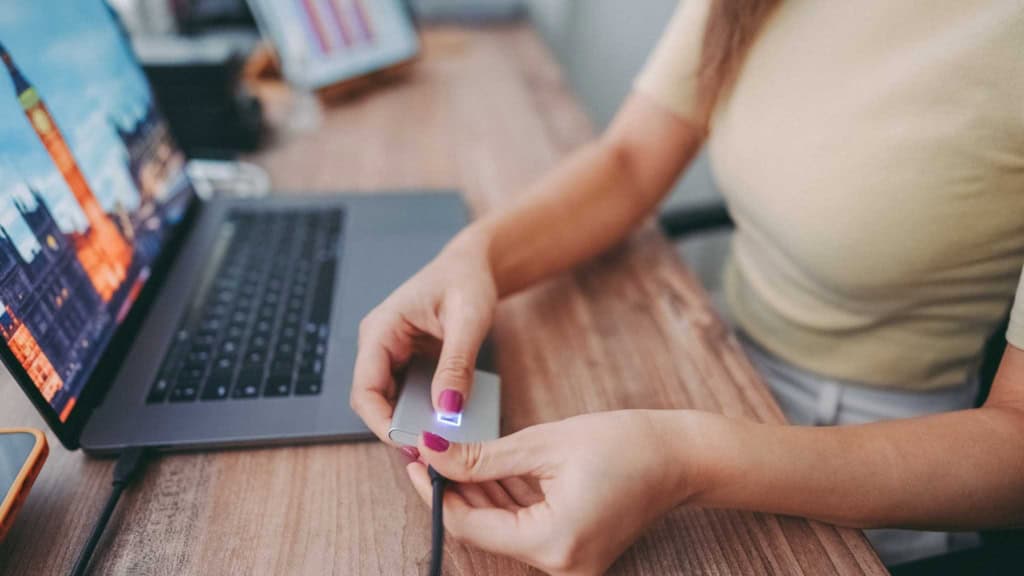
Use Compact Storage: Back up your work on a portable SSD (US$30-US$200) or cloud service (free-US$15) such as Google Drive, Dropbox, or OneDrive.
Prioritize Ergonomics: Use chairs and desks that support good posture, and consider portable accessories, such as a laptop stand, compact keyboard, or mouse, for added convenience. For more information, check out this ergonomic workspace guide.
Minimize distractions: Choose quiet spaces or schedule focused work hours to maximize productivity. Noise-cancelling headphones also help block background noise in busy areas.
Master Time Zones and Productivity
Managing time zones, jetlag, and work schedules is essential for digital nomads. Establishing routines and using the right tools helps balance work, travel, and personal life while staying productive on the road.
Here are some practical digital nomad tips to manage your time wherever you work:
Create a Daily Routine: Include time for focused work, exploration, and exercise, and anchor your schedule with healthy habits and meals.
Identify Your Productive Hours: Most people have three to four peak hours per day, so schedule your most important work during these periods.
Try Flexible Scheduling: Balance work and personal activities, using weekly commitments as reliable anchors across time zones.
Task-Batching and Focused Time Blocks: Group similar tasks, such as answering emails, making calls, or project work, into dedicated blocks to reduce distractions and boost creativity. Combine this with deep work sessions for uninterrupted focus, using app blockers like Brick, Opal, or Freedom.
Plan Your Weeks: Adjust workloads for travel weeks versus settled weeks, and review to-do lists each evening to maximize efficiency the next day.
Organize Tasks and Projects: Track projects, meetings, errands, and even places to explore using tools like Todoist, Trello, Asana, or Notion. Use calendars and reminders to schedule tasks and maintain momentum.
Manage Time Zones and Jet Lag: Utilize tools like World Time Buddy to coordinate across different time zones and TimeShifter to adjust to new schedules and minimize jet lag efficiently.
Automate Repeating Tasks: For recurring tasks, such as invoices, utilize tools like Xero to save time and reduce mental load.
Secure Your Devices and Data Anywhere
Cybersecurity is critical when you’re always on the road and relying on WiFi. As a result, many digital nomad tips emphasize the importance of staying safe online.
In 2026, digital threats are more sophisticated than ever, so it’s essential to protect your devices, data, and personal information while traveling. Here are key tips to stay secure on the go:
Maintain Password Hygiene: Use unique, complex passwords for each account and store them in a password manager, such as 1Password, LastPass, or Bitwarden.
Always Use a VPN: Protect your connection on public WiFi with services like Surfshark, NordVPN, ExpressVPN, or ProtonVPN (free–US$15/month).
Enable Two-Factor Authentication or Passkeys: Secure email, social media, and financial accounts wherever possible. Authenticator apps, such as Google Authenticator or Authy, can provide an extra layer of security.
Keep Software Updated: Enable automatic updates to ensure your devices have the latest security patches.
Use Anti-Virus Software: Protect against malware and phishing with Norton, TotalAV, or Avast.
Create Separate Profiles: Use distinct emails, browsers, and profiles for personal, work, and financial use. Tools like Google Chrome profiles or Microsoft Edge profiles help keep your accounts organized and reduce the risk of accidentally mixing sensitive information. Avoid Public USB Ports: Stick to electrical outlets for charging to prevent “juice jacking” attacks. Use your own power bank or a USB data blocker if public charging is unavoidable.
Manage Your Finances
Managing your money is essential for freedom and flexibility as a digital nomad. Thoughtful financial planning helps you avoid fees, handle currency fluctuations, and stay on top of tax obligations while living and working abroad.
For example, American citizens who reside overseas for more than six months may need to pay taxes both at home and abroad. Currency fluctuations in 2026 can also affect long-term stays, so it’s wise to maintain cash reserves in a stable currency while spending locally.
Here are key tips to help you manage your finances on the road:
Use a Multi-Currency Account: Services like Wise, Revolut, or AirWallex make it easy to hold, convert, and spend money in multiple currencies.
Track Expenses:Utilize apps like Mint, YNAB, and Money Manager to monitor your spending and manage your budget effectively.
Choose the Right Credit Card: Look for credit cards with no foreign transaction fees, travel perks, and that allow payments in the local currency.
Learn Local Money Norms: Understand whether your destination favors cashless payments, credit cards, or cash. Keep local currency on hand for emergencies or places that don’t accept cards.
Understand Tax Obligations: Know what taxes you may owe at home and abroad, and whether you need to declare foreign income or register for a local tax number.
Getting sick is never fun, but it can be even more challenging when you’re on the road. The digital nomad lifestyle can disrupt healthy habits, and neglecting your well-being can harm productivity, energy, and mental health.
Staying healthy on the road means prioritizing eating nutritious meals, staying hydrated, and getting enough sleep and exercise every day. However, you also need to be aware of local health risks, such as air quality, hurricane season, and flu cycles.
Consider these essential wellbeing tips while abroad:
Create an Exercise Routine: Aim for at least 30 minutes a day to maintain energy, focus, and overall well-being. Go for morning runs, perform bodyweight exercises, or follow yoga and workout apps like Nike Training Club, Down Dog Yoga, or FitOn.
Get Outdoors Daily: Spend time in the sun and fresh air to boost mood, energy, and vitamin D levels. Even 15–30 minutes of daily sunlight exposure has been shown to increase serotonin levels and help regulate your circadian rhythm, which can improve sleep quality and overall energy levels.
Stay Hydrated: Drink plenty of water and consider using electrolyte supplements in hot climates. Apps like WaterMinder or HydroCoach can help track your intake.
Eat Nutritious Foods: Prioritize unprocessed meals rich in protein and vegetables. Use apps like MyFitnessPal, Cronometer, or Lifesum to track nutrition and monitor macros while traveling.
Set Screen-Free Time: Reduce eye strain and mental fatigue by scheduling regular breaks from devices, using apps like Forest.
Maintain a Healthy Work Schedule: Avoid late-night work and schedule downtime to prevent burnout.
Socialize and Take Mental Health Breaks: Connect with locals or other travelers using apps like Timeleft or MeetUp.
Connect with Locals
Constantly moving can make it challenging to maintain a social life. When you’re focused on work and logistics, it’s easy to forget that meaningful connections are what make the digital nomad lifestyle truly rewarding.
Learning the local language is a great start, but in 2026, nomads are getting more creative, using networking apps, community platforms, and volunteering to connect with locals.
Here are practical tips to help you integrate into your new community:
Join Cultural Activities: Take cooking classes, language courses, or art workshops to immerse yourself in local traditions.
Learn Local Customs: Understand cultural norms and pick up key phrases to communicate respectfully and confidently.
Try Local Sports or Clubs: Join activities such as padel, pickleball, running clubs, or yoga classes to meet new people.
Use Networking Apps: Connect with locals and other travelers via apps like Timeleft, MeetUp, or expat groups on Facebook.
Attend Networking Events: Visit events hosted by coworking spaces, local clubs, or professional meetups.
Frequent Local Hotspots: Spend time in popular cafes, markets, or bars to build familiarity and connections.
Volunteer Locally: Give back to the community while connecting with like-minded individuals.
Stay Consistent: Regular participation is key to forming lasting relationships and a sense of belonging.
Working remotely as a digital nomad is an exciting way of life. You can immerse yourself in new cultures, meet people from around the world, and explore at a pace that lets you truly experience your destinations.
However, to truly make the most of this lifestyle, you need to implement certain essentials, such as having a portable workspace, staying on top of your finances, and securing the correct visas – along with comprehensive insurance for added peace of mind.
By following the tips outlined above, you’ll be well-prepared to thrive on the road and enjoy every moment of your nomad adventure in 2026 and beyond.
Gayatri Bhaumik is an experienced lifestyle, travel, and relocation journalist based in Hong Kong. She specializes in helping expats navigate cultural differences and international moves, and runs a corporate content agency that provides services for global brands.
Plan your trip to the 2028 Summer Olympics with confidence. Learn how travel insurance can protect you from medical emergencies, heat-related illness, travel delays, and unexpected trip cancellations.
Discover the best travel destinations in 2026 with our guide to the top 10 countries for solo travelers, families, and adventure seekers, plus helpful tips for planning your next adventure.
From eco-friendly hotels and multigenerational adventures to dude ranches and sleep tourism, these are the travel experiences topping the list this year.
Gain valuable insights and practical tips for navigating international health insurance while living abroad. From coverage details to expert advice, this comprehensive guide helps travelers…
Travel insurance protects your health, travel expenses, and belongings while abroad. It can also cover costs if your trip is canceled and provide protection for adventurous activities. Discover…
We use cookies to make your experience better, learn how our website is used, and help with our marketing. You can choose to accept all cookies, reject non-essential ones, or set your preferences.
Functional
Always active
Required for the website to function properly and securely.
Preferences
Used to remember your settings and preferences.
Statistics
Used to understand website usage and improve performance.The technical storage or access that is used exclusively for anonymous statistical purposes. Without a subpoena, voluntary compliance on the part of your Internet Service Provider, or additional records from a third party, information stored or retrieved for this purpose alone cannot usually be used to identify you.
Marketing
Used to measure advertising performance and personalize marketing.