






International Health Insurance
Gain valuable insights and practical tips for navigating international health insurance while living abroad. From coverage details to expert advice, this comprehensive guide helps travelers…

International medical cover for expats and their families.
Medical and trip cancellation coverage for international travel.
Life insurance for globally mobile individuals living or working abroad.
Comprehensive benefits for international teams.
Insights on international relocation and global mobility.
Download our brochures or follow us on socials.
Most Popular Country Guides
Healthcare, insurance, and living insights to plan life and travel in each destination.
Healthcare, safety, and practical guidance for living abroad.
Tips and guidance for safer, smarter international travel.
Resources for global mobility, HR, and international teams.
Popular and recently published guides from our team.
Discover the best places to retire in the world in 2026, based on quality of life, cost of living, healthcare, climate, and visa options and plan your ideal retirement abroad.

We all dream about retirement, and one of the most exciting possibilities is retiring abroad. Choosing the right destination can transform your golden years, but with so many factors, such as cost of living, healthcare, climate, visas, and lifestyle, it can feel overwhelming.
To help you narrow your options, this article highlights the best places to retire in the world, from coastal paradises and historic cities to quiet rural escapes, and beyond.
To create our list of the best countries to retire in, we referred to the 2026 Annual Global Retirement Index, the Numbeo Cost of Living Index, the 2025 Global Peace Index for safety, the OECD Better Life Index, and World Bank data.
We then cross-referenced this information and evaluated each country against seven essential criteria. These focus on the factors that matter most to retirees looking to move abroad:

Download Your Free Moving Abroad Checklist
Many countries rank among the best places to retire in the world, but using the methodology outlined above, these 10 countries stand out as top destinations.
Here are our picks – and why they made the list.
Moving to Greece is at the top of the list for those considering retirement abroad. The country offers affordability, an idyllic lifestyle, and residency pathways. Daily life in Greece is well-suited to retirement, with a strong emphasis on family, shared meals, and community.
Locals are warm and welcoming, especially during festive and religious celebrations, such as Orthodox Easter and Carnival (Apokries).

The climate is also idyllic, with over 300 days of sunshine and mild winters. Large expat communities in Crete, Corfu, and Athens also make it easy to settle in and build a social network quickly.
Greece is also safe, ranking 45th on the Global Peace Index and recording low levels of violent crime. Additionally, the local diet, which emphasizes fresh produce, contributes to a generally high life expectancy.
Greek healthcare is also relatively strong and affordable, offering a mix of public and private services. While the public system covers essential care, many foreigners opt for private health insurance in Greece to access shorter wait times, English-speaking doctors, and a broader range of services.
The low cost of living also makes the country one of the best places to retire on a budget. For instance, the cost of living in Athens is 43.1% lower than in New York City.
Similarly, a meal for two at an average restaurant is about $69; a monthly public transport pass is $31; while a doctor’s visit might be around $69.
Housing in Greece is similarly affordable. A one-bedroom apartment in central Athens rents for approximately $710 per month, compared to $4,500 per month in New York. For those looking to buy, property prices in Athens start at approximately $325 per square foot, and foreigners are generally allowed to purchase without restrictions, making it an accessible option for retirees.
Retirees who invest more than $290,265 qualify for the Golden Visa residence by investment program. Those with a minimum monthly income of $4,063 can apply for a Financially Independent Person visa, which offers EU travel and eligibility for citizenship after seven years.
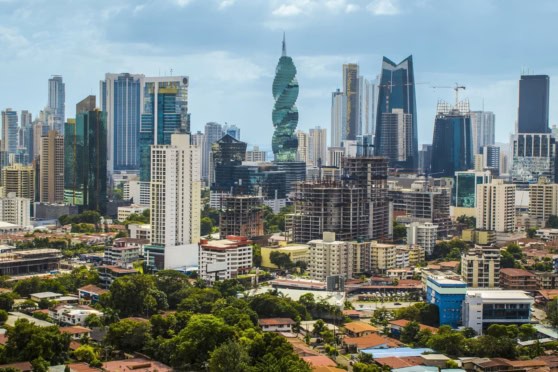
Retirement in Panama remains at the top of the list of considerations. The Central American country offers a high quality of life and, for American citizens, is close to home. Retirees can enjoy diverse lifestyles, from cosmopolitan Panama City to the tranquil Boquete highlands and the beachfront towns of Coronado and Pedasi.
Panamanian culture is warm and welcoming, blending Spanish heritage with Caribbean flair. Music, food, and religion underpin daily life here, so expect fresh ceviche and tropical fruit, as well as frequent festivals.
The tropical climate is also a draw, with warm temperatures year-round. English is widely spoken, and there are numerous activities to participate in.
Overall, There are a number of safe cities to live in Panama. It ranks 84th on the Global Peace Index, higher than its surrounding countries, though violent crime does occur.
Additionally, Panama’s healthcare system is comparatively modern and affordable. That said, expats generally prefer private facilities with English-speaking staff and shorter waiting times, which they typically access through private health insurance in Panama.
Affordability is a significant advantage, especially compared to the United States. For instance, the cost of living in Panama City is about 41.3% less than in Miami.
Similarly, a meal for two would be about $50; a monthly transport pass is $21; and rents in Panama City for a one-bedroom apartment are about $1,200 per month or $760 per month in Coronado.
Foreigners can also buy property in Panama without restrictions. Prices in Panama City can range from $1,700 to $3,100 per square foot.
Panama is also one of the best places for Americans to retire abroad because of the country’s Pensionado (Retiree) Visa, available to those with a monthly annuity of $1,000 per month (or $750 if you buy a property).
The visa includes perks like 25% off utilities and airline tickets. Some foreigners, including Americans, also qualify for a Panama Friendly Nations Visa or Qualified Investor Visa through property or investment.
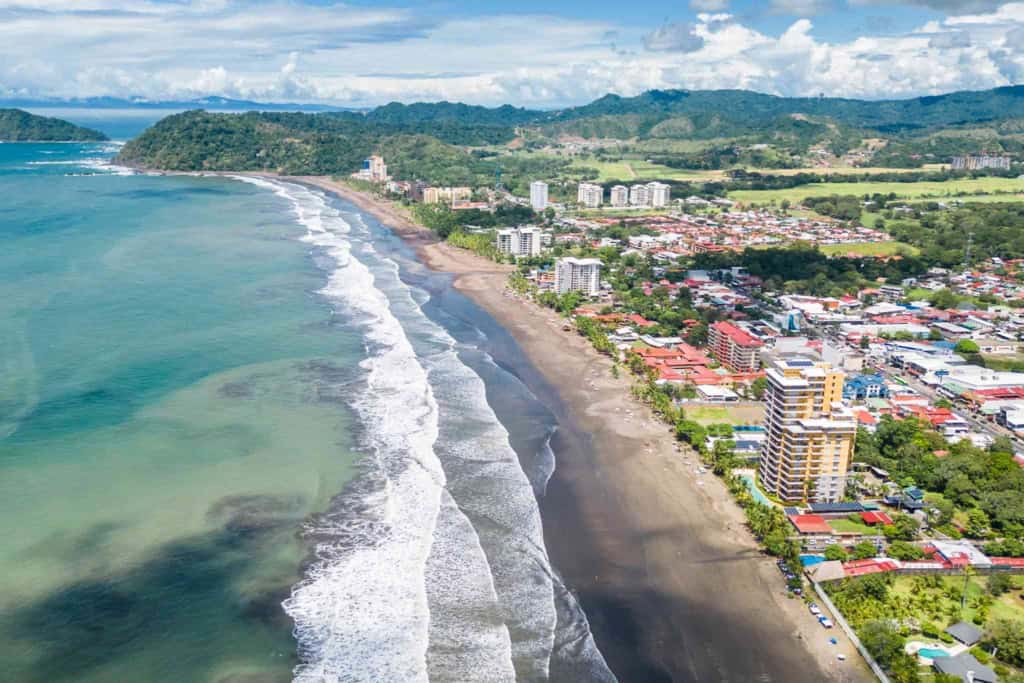
Costa Rica has long ranked among the best places to retire in the world for American expats. It offers proximity to the U.S., abundant natural beauty, and a relaxed, affordable lifestyle.
This is also the safest country in Central America, ranking 54th on the Global Peace Index. Of course, the tropical climate is also attractive to retirees.
They can also enjoy the pura vida (“pure life”) ethos, which reflects the locals’ joyful attitude to daily life. People here are generally friendly and community-minded, so newcomers integrate quickly.
Many engage in activities like fitness groups, language classes, and volunteering. And, while English is generally spoken, Spanish can help. The simple local food, such as rice, beans, tropical fruit, and seafood, also makes it easy to eat well.
Housing costs vary by region, with cities being more expensive. A one-bedroom apartment in San Jose, for example, rents for $940, while one in Jaco Beach rents for $734.
Foreigners can also buy property in Costa Rica with full ownership. Property prices are similarly diverse across the country.
The cost of living in Costa Rica is more affordable than in the United States. For example, San Jose is about 38.7% cheaper than Boston, while a meal for two at an average restaurant and a monthly transport pass cost $60 each.
Healthcare in Costa Rica is up to a third cheaper than in the United States, and of high quality. All residents enroll in Caja Costarricense de Seguro Social (CCSS), the universal public healthcare system.
That said, many expats choose to purchase private health insurance in Costa Rica to ensure short wait times and access to better facilities.
Another reason why Costa Rica ranks among the best places for expats to retire abroad is its generous visa policies. The Pensionado (Pensioner) Visa requires a lifetime pension of $1,000 per month, while the Rentista Visa is available to financially independent retirees with at least $2,500 per month in income.
The Inversionista (Investor) Visa, also known as Panama’s Golden Visa, is available to foreigners who make a qualifying investment of approximately $150,000 in real estate or a business.

Country Guides
Portugal consistently ranks among the best places to retire in Europe – and the world – because of its exceptional quality of life, safety, and affordability.
Retirees in Portugal enjoy an unhurried daily life centered on community. There’s also a rich culture filled with history, religious traditions, and fado music.
Portugal is also very safe, ranking seventh in the Global Peace Index. Additionally, locals are typically polite and helpful.
English is widely spoken in popular areas like Lisbon, Cascais, and the Algarve, and newcomers integrate quickly. The climate is another draw, with over 300 days of sunshine annually.
Properties are affordable, too, though prices vary by region. Most expats rent first, then buy when they settle in a town. Renting a one-bedroom flat in Lisbon costs about $1,600 per month; in the Algarve, it’s around $1,100.
The cost of living in Portugal is generally far lower than in the United States, making Portugal one of the best places to retire overseas on Social Security payments.
Lisbon is 44.1% cheaper than living in San Francisco. You would pay about $58 for a restaurant meal for two and $46 for a monthly public transport pass.
The Portuguese Health Care System (Servico Nacional de Saude or SNS in Portuguese) offers high-quality healthcare at low cost. The uninsured will pay about $69 for a doctor’s visit.
However, many retirees choose private medical plans in Portugal to access additional services (such as dental), shorter wait times, and English-speaking doctors.
The D7 Passive IncomeVisa suits retirees who demonstrate income aligned with Portugal’s minimum wage and leads to citizenship after five years.
Wealthier retirees can also qualify for the visa-by-investment program with a minimum investment of $580,500 in qualifying categories such as investment funds, research, or job creation.
Mexico remains one of the best places to retire in the world, offering a high quality of life, vibrant culture, a strong community. The cost of living in Mexico is also very affordable. This, along with a slower pace of life, social connections, and time outdoors, makes it appealing to retirees.
Those who retire in Mexico can also enjoy fresh, flavourful cuisine, regional festivals, affordability, and varying climates.
Locals are friendly, and English is widely spoken in expat hubs, though learning Spanish helps with everyday interactions and deeper community integration.
However, safety is a concern, with Mexico ranking 135th in the Global Peace Index because of violent crime. That said, Yucatan and San Miguel de Allende are among the safest cities to live in Mexico.
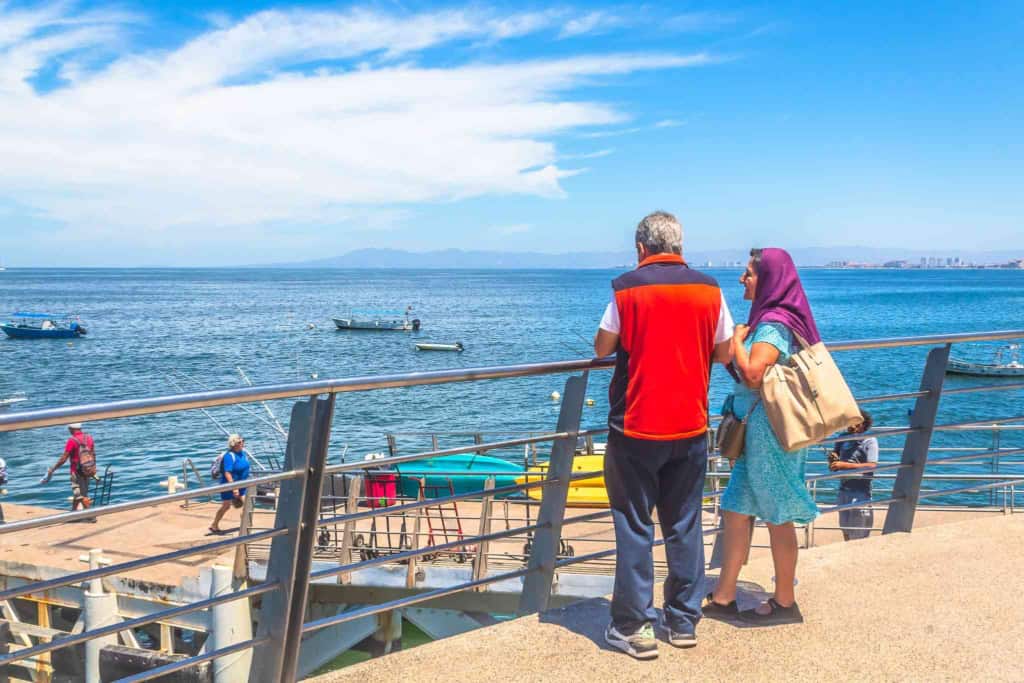
Lake Chapala, Puerto Vallarta, and Mérida are among the best places to retire in Mexico, based on affordability, lively expat communities, access to quality healthcare, and a welcoming lifestyle that makes it easy for retirees to settle in and enjoy their golden years.
Foreigners can buy property in Mexico, though in urban and beachfront locations this is done through a fideicomiso (bank trust). As such, most tend to rent first.
A one-bedroom apartment in San Miguel de Allende rents for about $1,067 per month, though smaller towns are cheaper. If you are looking to buy, you can expect to pay between $198 and $440 per square foot.
Living costs in Mexico City are about 48.9% cheaper than living in Seattle. A meal in a mid-range restaurant in Mexico City costs about $53, while a monthly transportation ticket is $20.
Mexico’s healthcare system is also about 50%-70% less expensive than in the United States, though most foreign expats rely on global health insurance in Mexico for better-quality care.
Since Mexico doesn’t have a dedicated retirement visa, most retirees get a temporary or permanent residence visa by proving they have a stable income (around $3,000 per month).
Italy offers an incredibly rich culture, and its affordability also makes it one of the best places in the world to retire on Social Security. Retirees can enjoy la dolce vita (the “sweet life”) with a busy social life, fresh seasonal cuisine, and lively, year-round festivals.
English is also widely spoken in cities, though Italian helps. There’s also a varying climate, with the cooler north and Mediterranean south. Additionally, the country ranks 33rd on the Global Peace Index, making Italy relatively safe.
Italian property ownership is unrestricted, allowing foreigners to buy homes freely. Prospective retirees often rent first to explore options, from historic city centers to seaside villages.
In Rome and Milan, a one-bedroom apartment rents for about $1,500 per month, while in Lecce, the same costs $620. Prices to buy also vary: Rome averages $850 per square foot; Lecce, about $300 per square foot.
The cost of living in Italy is significantly lower than in the United States. For example, living in Rome is roughly 36.8% more affordable than in New York, with a meal for two at an average restaurant costing about $80 and a monthly public transport pass costing around $40.
Healthcare in Italy is provided by the Servizio Sanitario Nazionale (SSN), which offers high-quality, low-cost care. That said, many retirees opt for medical insurance in Italy to access shorter wait times and additional services.
Most retirees come to Italy on the Elective Residence Visa, which requires private health insurance for the first year and a stable passive income of around $36,000 per year. This visa also offers a 7% flat tax for those retiring in southern regions, such as Puglia.
Retiring in France is popular for those wanting to reside in Europe and the country ranks among the best places to retire in the world.
Life here centers on culture, heritage, leisure, and gastronomy, and retirees can enjoy conversations over local produce and wine, time outdoors, and seasonal celebrations. There’s also a variety of climates, from the warmth of the Riviera to the cooler climes of Brittany, and different lifestyles, from the faster-paced Paris to the relaxed Provence.

Conversational French helps with integration, and there are plenty of opportunities for retirees to practice through language classes or informal “language cafés,” where people gather to speak and socialize.
France is also generally safe, ranking 75th on the Global Peace Index, with relatively low crime rates in most cities and rural areas. That said, urban centers can experience higher levels of petty crime, such as pickpocketing, so usual precautions are advised.
Housing costs vary across France. Major cities like Paris are expensive, while smaller cities and towns tend to be more affordable.
For example, a one-bedroom flat in Paris rents for about $1,625 per month, whereas in the smaller town of Aix-en-Provence, the same type of apartment costs around $1,100 per month.
Although the cost of living in France is high by European standards, it is generally cheaper than in the United States.
For example, Paris is 21.4% more affordable than New York. A three-course meal averages $8, while a monthly ticket for the well-connected public transport system is $103.
While France’s public healthcare, the Protection Universelle Maladie (PUMA), is highly rated and affordable, most expats choose to supplement it with global medical insurance in France to lower out-of-pocket costs and gain faster access to care.
Prospective retirees usually opt for the VLS-TS Visiteur Visa (long-stay visitor), which requires a minimum passive income and health insurance.
Spain is often cited among the best places to retire in Europe. Life in this sunny, Mediterranean country is about enjoying the everyday, from visiting neighborhood shops and nurturing social connections to taking siestas and savoring vibrant gastronomy built on fresh, local produce.
Locals are generally welcoming, and expats get by in English, especially in hubs like Alicante and Malaga, though Spanish is appreciated. This combination of accessibility, lifestyle, and culture makes Spain one of the best places to retire in the world.
Newcomers integrate through classes, volunteering, and by frequenting local haunts. The varied climate is equally welcoming, with warm southern regions and cooler northern regions. Spain is also safe, ranking 25th on the Global Peace Index, which makes it a comfortable choice for retirees.
Spain doesn’t restrict foreign home ownership, though most expats rent before buying. Housing costs are generally affordable but vary by location.
For example, a one-bedroom apartment in Madrid rents for around $1,555 per month, compared with $854 (€1,340) in Granada. To purchase property, prices average $798 per square foot in Madrid and $320 per square foot in Granada.
Housing prices reflect Spain’s affordable cost of living. Living in Madrid is 39.6% cheaper than in Miami, while a meal for two here averages $43, and a monthly travel pass costs $40.
Spain’s public healthcare system, the Sistema Nacional de Salud (SNS), is high-quality and affordable. However, most foreign retirees also rely on a private health plan in Spain for faster access and additional benefits.
Those looking to retire overseas in Spain usually apply for the Non-Lucrative Visa, which requires private health insurance and an annual income of around $32,500.
Thailand remains one of the best places to retire in the world for those seeking an affordable lifestyle. Residents enjoy world-class amenities, a relaxed pace, and a warm tropical climate, with abundant sunshine and lush landscapes that support outdoor living.
Thai culture is known for its hospitality and respect, while the flavorful cuisine and slower daily life are especially appealing.
Locals are friendly, and English is widely spoken in expat hubs like Bangkok and Chiang Mai. Thailand is reasonably safe, ranking 86th on the Global Peace Index.

Many retirees moving to Thailand will choose to rent an apartment, as foreigners cannot own land outright. Those who choose to buy typically opt for freehold condominiums, which have fewer restrictions.
A one-bedroom apartment in Bangkok rents for around $700 per month, while in Chiang Mai the cost drops to about $477 per month. Similarly, property prices average $590 per square foot in Bangkok and $200 per square foot in Chiang Mai.
The cost of living in Thailand is comparatively low, too. Bangkok is approximately 52.1% cheaper than Washington, D.C. A three-course meal for two costs about $32, while a monthly public transport pass costs $38. Smaller towns and rural areas are even more affordable.
Thailand offers high-quality healthcare, particularly in private hospitals in major cities, often at a fraction of the cost in Western countries. However, expats typically need international medical insurance in Thailand to obtain long-stay visas and to access faster, broader coverage.
Most retirees come to Thailand on a Non-Immigrant O-A (Retirement) Visa. This is a long-term visa available to those aged 50 or over with a monthly pension of $2,070.
Malaysia is increasingly recognized as one of the best places to retire in the world, due to its modern infrastructure, rich culture and gastronomy, and welcoming community.
Its affordability also ranks it among the best places to retire on a budget. And, there’s an enjoyable tropical climate, with cooler air in hill stations like the Cameron Highlands.
Retirement in this Southeast Asian country is relaxed, with an emphasis on leisure and social connection. The multicultural society, which blends Malay, Chinese, and Indian communities, offers a vibrant landscape and makes it easier for retirees to settle.
English is also widely spoken, especially in places like Penang and Kuala Lumpur. Malaysia is also safe, ranking 13th on the Global Peace Index.
Additionally, Foreigners can buy housing with few restrictions, and prices are affordable. For instance, a one-bedroom apartment in Penang rents for about $430 per month, and to buy, you’d pay between $108 and $208 per square foot.
The cost of living in Malaysia is also a draw for foreigners looking to retire there. For example, Penang is about 50.6% cheaper than West Palm Beach, Florida, which is reflected in daily living costs. A three-course meal for two is about $19, while a monthly transport pass is $18.52.
The country has a high-quality, affordable healthcare system, with both public and private facilities. However, most retirees obtain private Malaysian health insurance to access better care, English-speaking staff, and improved facilities.
Most retirees participate in the tiered Malaysia My Second Home (MM2H) program, which offers a renewable five-year visa. Applicants are required to place a fixed deposit with a bank ranging from $150,000 to $1,000,000, depending on the tier, and must purchase property after one year.
Looking for more great destinations to retire abroad? The Natixis 2025 Global Retirement Index is a data-driven survey of 44 developed countries that evaluates how well they support aging populations.
The index uses 18 criteria, including retirement finances, material wellbeing, health, and overall quality of life. According to the index, the top five countries rank among the best places to retire in the world:
The Nordic country offers long-term financial stability, high income equality, exceptional longevity through its healthcare system, breathtaking nature, and strong social security.
Retirees can enjoy stunning landscapes, from fjords to mountains, and an active, outdoor-focused lifestyle.
While the cost of living is high, Norway’s public services and social security provide retirees with confidence and peace of mind.
For those looking to move to Ireland, The country offers a strong economy, a high quality of life with excellent Irish healthcare system, a temperate climate, and a community-focused culture.
Retirees can enjoy a mix of lively cities, charming towns, and scenic countryside, while engaging in local traditions, cultural events, and friendly social networks that make integration easy.
English is widely spoken, and the country’s welcoming attitude toward foreigners helps retirees feel at home quickly.
Despite its notorious high cost of living, moving to Switzerland offers immigrants access to a strong pension system, a clean environment, low crime, and excellent Swiss healthcare system, making it one of the best places to retire in the world.

Retirees enjoy well-organized cities, reliable public services, and easy access to outdoor activities, from skiing in the Alps to hiking and cycling.
With a focus on community, culture, and natural beauty, Switzerland offers a safe, stable lifestyle that appeals to retirees seeking both comfort and adventure.
Ranking among the highest globally in quality of life, environmental quality, and social cohesion, Iceland also offers strong social security and a close-knit community.
Retirees can enjoy stunning natural landscapes, from geothermal hot springs and glaciers to dramatic coastlines, with abundant opportunities for outdoor activities like hiking, whale watching, and birding.
While the cost of living is high and winters are long, Iceland’s safety, excellent healthcare system, and welcoming locals make it an appealing destination for retirees seeking a peaceful, nature-focused lifestyle.
Scoring among the highest nations globally for happiness and social equality, Denmark also offers universal healthcare, supportive social services, and a relaxed retirement lifestyle.
Retirees can enjoy well-planned cities, extensive cycling infrastructure, and abundant green spaces, along with a culture that values work-life balance, community engagement, and leisure.
While the cost of living is above average, Denmark’s safety, strong social support, and high quality of life make it an attractive destination for those seeking security, comfort, and a socially connected lifestyle.
Choosing where to retire abroad can be exciting, but it’s important to be practical, too. Here are some essential factors to consider when evaluating potential destinations:
Consider how far from home you want to be, as distance can affect travel convenience and access to family. Also, look at the proximity to airports, which can make visiting home or receiving guests much easier.

Use flight comparison apps like Skyscanner or Google Flights to check travel times and costs from your home country to potential destinations.
Evaluate a destination’s safety before committing to a move. Safety is a non-negotiable factor that should influence your shortlist of countries.
Check crime statistics and safety reports on resources such as the Numbeo Crime Index or the most recent Global Peace Index.
Review general expenses, housing, and everyday costs to ensure the destination fits your budget.
Use cost-of-living comparison tools like Numbeo or Expatistan to see how your current city compares with your prospective retirement destination.
Take into account the weather, pace of life, and cultural environment, which are all essential factors for long-term happiness.
Apps like World Weather Online or Time and Date can give historical weather patterns for your potential destination.
Consider how easy it is to get around and how close you are to public transportation, grocery stores, healthcare facilities, and other essential services. Good access can make daily life smoother and more enjoyable.
Use Google Maps or Citymapper to explore public transportation routes, travel times, and nearby amenities in your potential retirement destination.
Spend time exploring neighborhoods, visit during the off-season, and try everyday local tasks like grocery shopping or using public transport. This gives you a realistic sense of daily life before making a long-term commitment.
Use forums and apps like Facebook Expat Groups, Internations, or Reddit expat communities to connect with locals and other retirees.
Once you have identified potential destinations, research which countries offer the best visa and tax policies for your situation. Make sure you understand the requirements for long-term retirement visas.
Always refer to the official government immigration website of your chosen country for the most accurate and up-to-date information.
Arrange comprehensive private health insurance for retirees abroad and confirm you can access prescriptions or necessary medications. Healthcare quality and accessibility should be a key factor in your decision.
Contact us to speak with a licensed international health insurance broker to review plans, coverage options, and exclusions before making a decision.
Open a local bank account, understand how to manage money and taxes abroad, and ensure your legal documents are up to date. If you’re drawing pensions or investments, check international tax implications to avoid surprises.
Consider consulting a international tax advisor familiar with expat taxation and retirement planning to avoid surprises.
Avoid loneliness by meeting people through local hobbies or expat clubs, volunteering, and online groups. Consider potential language barriers and whether you want to learn the local language to help with integration.
Use platforms like Meetup, which offers groups and events specifically for people over 60, or Internations to connect with other retirees and locals through hobby groups, social events, and community activities.

Retiring Abroad
From Greece and Italy to Thailand and Malaysia, the world offers an incredible range of destinations for retirees seeking adventure, comfort, and a fresh way of life.
Before making the move, it’s important to consider key factors such as visa requirements, cost of living, healthcare access, and the lifestyle you hope to enjoy. Careful research and thoughtful planning can help ensure a smooth transition.
A comprehensive health insurance policy is a must, and taking the time to explore your destination in advance can make all the difference. With proper preparation, you can confidently take the next step toward your dream retirement and truly enjoy your golden years abroad.
Ready to take the next step toward your dream retirement? Speak with an experienced broker today to explore the right health coverage options and start planning your move abroad.
Best Medical Insurance For Retirees Abroad
It depends on the country and your lifestyle, but many popular retirement destinations offer a significantly lower cost of living than the U.S. Housing, food, transportation, and healthcare are often much more affordable, allowing retirees to stretch their savings further.
Countries in Southeast Asia, Central America, and parts of Europe, such as Malaysia, Thailand, Costa Rica, Italy and Greece, offer budget-friendly living without compromising quality of life.
Generally, countries in Southeast Asia, Central America, and Mediterranean Europe provide the most affordable living options.
For example, Malaysia, Thailand, Greece, Italy, and Costa Rica combine lower housing, food, and transportation costs with good healthcare and a comfortable lifestyle.
Helpful Tip: Again, cost-of-living comparison tools can help you compare everyday expenses in your target country with your current city and estimate realistic monthly costs to see how far your retirement income may stretch abroad.
Start by calculating your monthly and annual expenses in your chosen destination, factoring in housing, food, healthcare, and leisure activities.
Choosing a country with a lower cost of living can help stretch retirement savings, especially if you rely on Social Security or a fixed pension.
Don’t forget to account for foreign exchange rates, inflation, and local tax obligations, which can affect your overall budget.
Helpful Tip: Consider consulting a financial or international tax advisor familiar with international retirement planning. They can help you create a realistic budget, optimize withdrawals from pensions or retirement accounts, and plan for taxes in both your home country and your destination.
Also Read: How Long will $1 Million Last in Retirement
Yes. Most retirees can receive Social Security and other pensions abroad, but the process varies depending on the country.
Helpful Tip: Check with the Social Security Administration and your pension provider to confirm eligibility, ensure payments can be deposited internationally, and understand any reporting requirements.
Several countries make it straightforward for retirees to secure long-term residency. Some of the most accessible programs are in Malaysia, Thailand, Greece, Portugal, Panama, and Costa Rica.
These visas often require proof of a stable income or savings, and some include additional benefits, such as tax incentives, discounts on utilities, or eligibility for healthcare services.
Helpful Tip: Consult the official government or immigration website of your chosen country to check eligibility, required documents, benefits, and application steps for retirement visas. Rules and requirements can change, so review them regularly before applying.
Many countries allow expat retirees to access public healthcare, but coverage can be limited or slower than what you may be used to.
For this reason, a comprehensive global medical plan is highly recommended. It provides retirees with faster access to care, higher-quality facilities with English-speaking staff, and coverage for prescriptions or treatments that may not be included in public systems.
Helpful Tip: Identify your personal needs and lifestyle before comparing global health plans. Consider factors like age, and health history, and make sure the plan covers essentials, such as medical care, prescriptions, dental and vision if needed. Always review inclusions, exclusions, and costs to ensure your coverage matches your retirement lifestyle.
Tax rules vary by country, and retirees living overseas may be subject to taxes in both their home country and their country of residence.
Many countries have tax treaties designed to reduce or prevent double taxation, but obligations depend on factors like residency status and income sources.
For Americans retiring abroad, U.S. tax filing requirements usually continue even while living overseas. However, exemptions, credits, and treaty provisions may reduce your overall tax burden. How pensions, Social Security, and investment income are taxed can vary by country.
Helpful Tip: Before relocating, consult a global tax professional experienced in cross-border retirement planning to understand your obligations, treaty benefits, and reporting requirements and avoid costly surprises later.