
International Health Insurance
Gain valuable insights and practical tips for navigating international health insurance while living abroad. From coverage details to expert advice, this comprehensive guide helps travelers…

International medical cover for expats and their families.
Medical and trip cancellation coverage for international travel.
Life insurance for globally mobile individuals living or working abroad.
Comprehensive benefits for international teams.
Insights on international relocation and global mobility.
Download our brochures or follow us on socials.
Most Popular Country Guides
Healthcare, insurance, and living insights to plan life and travel in each destination.
Healthcare, safety, and practical guidance for living abroad.
Tips and guidance for safer, smarter international travel.
Resources for global mobility, HR, and international teams.
Popular and recently published guides from our team.
Learn how to choose the best bank account abroad while living overseas, including fees, international services, and key factors to consider.
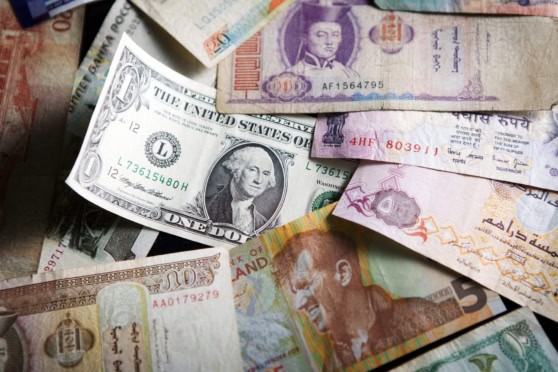
There are many benefits to having a bank account abroad, especially if you plan to live, work, or spend extended time in another country. It can make everyday transactions easier, reduce fees on withdrawals and transfers, and help you manage your finances more efficiently in your new location.
But choosing the right bank isn’t always straightforward. Options, fees, and services vary widely from country to country. So how do you decide which bank to join in a new country, especially when you need strong international services? Here are five tips to help you choose a bank account abroad.
Protect More Than Your Money Abroad
A bank account helps manage your finances overseas. International health insurance helps protect them from unexpected medical costs.
One solution to opening a bank account abroad is to find a bank with branches in both your home and host countries. This is a good option for expats who regularly manage finances across multiple countries.
Which international bank is best for you? The best option depends on your finances and home country. For example, many American expats use Charles Schwab’s international services.

Some international banks require that you maintain a high balance to access their international services, ranging from $75,000 to $200,000 in cash and investments.
If you are early in your investing life and your career, you’ll do better with a local bank account in your new country.
If you are investing or borrowing in your new country, you may also find that a local bank provides better rates than a large international bank.

Moving Abroad
Most countries have deposit insurance for their banking systems. Deposit insurance protects depositors’ funds at banks from the failure of that bank.
With deposit insurance, the government insures the accounts up to a certain amount. That way, even if a bank fails, depositors get most of their money back.
The most recent peak in bank failures occurred between 2008 and 2011, around the 2008 global financial crisis. In the U.S., 157 banks failed in 2010. In the UK, five banks failed in 2008 – affecting over 4 million customers.
As a result, many countries improved their banks’ risk ratings and deposit insurance programs between 2010 and 2020. As a result, regulated bank failures have become less common. Yet these failures still happen, such as the failure of Silicon Valley Bank in 2023.
This is one reason many people moving abroad consider different types of protection, from deposit insurance to global health insurance, to help reduce the financial impact of unexpected events.
Prepare for Unexpected Costs Overseas
Deposit insurance can protect your savings. International health insurance can help protect your budget from medical expenses abroad.
Different countries offer varying levels of deposit insurance. European Union countries protect deposits up to €100,000 per depositor, per bank, while Costa Rica offers significantly lower coverage limits.
Some places, like Israel and the Cayman Islands, don’t provide any deposit insurance. International banks that have branches in more than one country provide deposit insurance based on the country where you join that bank.
When you know what your new country provides for bank deposit insurance, you can decide how to manage your money.
You may choose to keep savings and investments where they are best protected by deposit insurance. That may be in your home country, in an international bank, or in your new country.
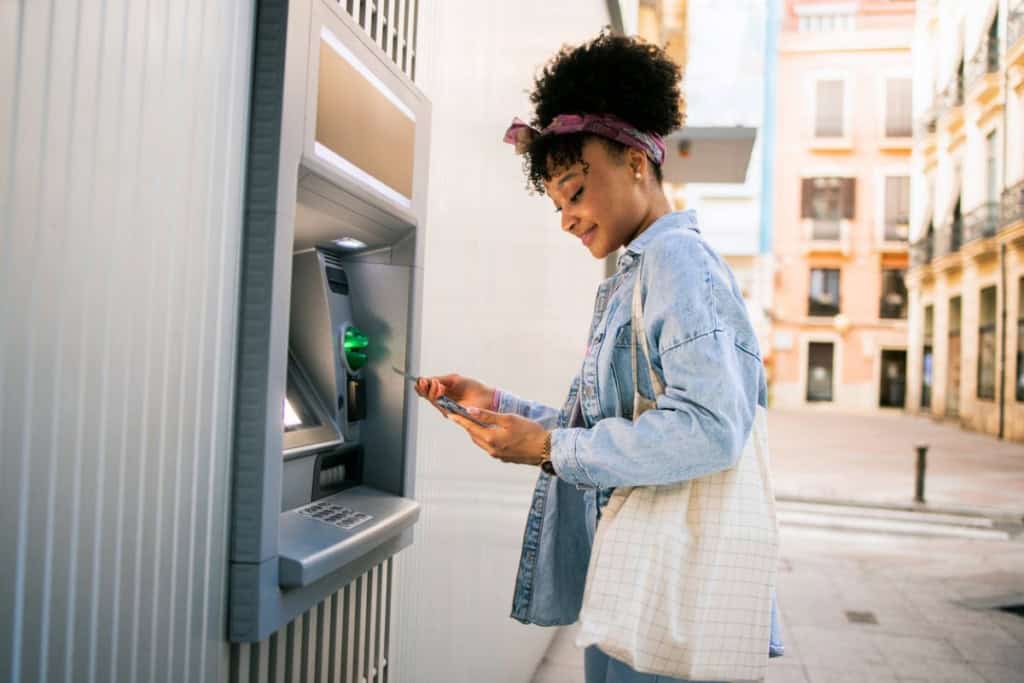
Having a bank account in your new country will save you money every day compared to using a foreign credit or ATM card.
Your transaction fees will be lower: ATM transactions may even be free. But before you choose a bank abroad, consider the international financial services you need. Then, check on the fees for those transactions.
You can expect to pay fees for these international financial transactions:
These fees may be per-transaction or percentage-based. If it is a per-transaction fee, and you have infrequent, large transactions, the cost may be reasonable.
Banks overseas may also have more liberal overdraft policies with lower or no fees. This can make it easy to accumulate a large overdraft without even noticing.
Ask your bank about their overdraft policy. If you can choose, set your overdraft at a value that works for you. A value of $500 USD or less provides overdraft protection while avoiding a major drain on your cash flow.
When you start an international bank account, your account may be available immediately. But it is more likely that there will be a waiting period before your account is live and funds are available.
Why is there a waiting period? Your international identification must be verified. If you are transferring currency internationally, it can take time to be processed due to checks and balances.
And changes and pressure on banks since 2020 have added to wait times for all customers’ accounts. Depending on the country and bank, it can take anywhere from a few days to several weeks for your new account to be fully active.
When you know the wait time, you can prepare yourself with cash or credit for what you need until you can access your bank accounts. You can also ask your new bank if there is any way to expedite your new account.
If you know the bank you want to join and the date when you are moving abroad, set up your bank account overseas before you move. That way, your new account will be ready for you when you need it.

Moving Abroad
Many international banks provide most of their services online. They have fewer physical locations and fewer bank tellers.
In Australia, for example, only 0.2% of bank transactions involve checks: most transactions are online transfers or bank card use.

In some countries, many of these transactions connect to national payment networks available as apps, such as DuitNow in Malaysia and PayNow in Singapore.
Being confident with online banking is especially important for seniors considering retiring abroad. Your bank in your home country may have a branch you can visit and staff who have known you for years.
In your new country, banks are likely to focus on online services. You may also have a language barrier if you are still learning your new country’s language.
Make sure your new bank supports at least one of the best ways to transfer money, so you can move money between your old and new accounts.
If online banking is difficult for you, ask a relative or friend you trust to show you how to do it. Some countries offer online banking workshops for seniors.
Once you close a bank account in your home country, it can be difficult to reopen it. If possible, keep your home-country bank account during your first few years abroad.
Make occasional transactions to avoid inactivity restrictions or account closure. After several years, you can review your life and your banking needs and make a good decision.
People often stay with the same bank for many years, so it’s worth taking the time to choose one that fits your long-term needs abroad.
Take the time to ensure that you’re making the best choice for you, and you’ll feel confident sticking with your own international bank account.
Support Your Move With the Right Coverage
As you set up banking, transfers, and everyday expenses abroad, get an international health insurance plan for long-term peace of mind.