


Work Visas in Germany
How to apply for residency permits and work visas in Germany, including the EU Blue Card and General Work Permit, and the paperwork you need.

International medical cover for expats and their families.
Medical and trip cancellation coverage for international travel.
Life insurance for globally mobile individuals living or working abroad.
Comprehensive benefits for international teams.
Insights on international relocation and global mobility.
Download our brochures or follow us on socials.
Most Popular Country Guides
Healthcare, insurance, and living insights to plan life and travel in each destination.
Healthcare, safety, and practical guidance for living abroad.
Tips and guidance for safer, smarter international travel.
Resources for global mobility, HR, and international teams.
Popular and recently published guides from our team.
Find the best travel insurance for Germany for medical emergencies, trip cancellations, and lost luggage, plus top safety tips for your trip.
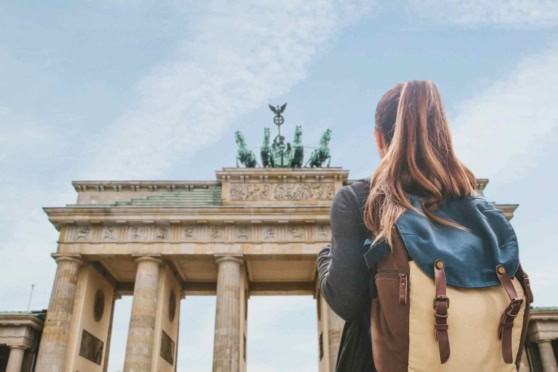
Planning a trip to Germany? Whether you’re drawn to the country’s historic cities, fairytale castles, or famous festivals, it’s crucial to ensure your trip goes smoothly. That’s where travel insurance for Germany comes in, providing vital protection against unexpected disruptions, such as medical emergencies, flight delays, or lost luggage.
Learn about the key types of coverage you may need, get help choosing the right plan, and discover essential travel tips for a safe and enjoyable adventure.

Find the Best International Medical Insurance
If you need a Schengen Visa to enter Germany, you must have travel insurance with a minimum coverage of €30,000. You must provide a certificate of coverage as part of your visa application.
Additionally, starting in 2026, the European Travel Information and Authorization System (ETIAS) will be in effect. This new requirement will apply to citizens of around 60 visa-exempt countries, including the United States, Canada, the UK, and Australia.
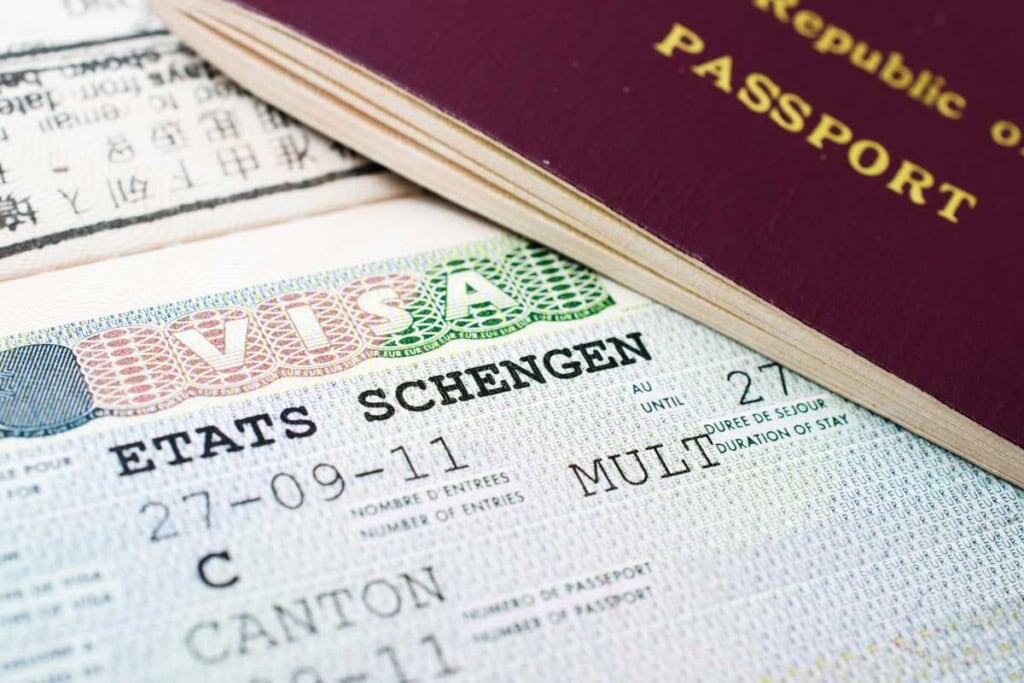
Travelers from these countries must apply for ETIAS authorization before visiting Germany or any other country in the Schengen Area.
Unlike the Schengen Visa, ETIAS does not require proof of travel coverage. However, it is still strongly advisable. Travel insurance for Germany helps protect you from unexpected costs related to medical emergencies, trip cancellations, or lost luggage.
Without coverage, these expenses can quickly add up. Having coverage means you can travel with peace of mind, knowing you’re financially protected if something goes wrong.
Read More: The Schengen Visa for Travel to Europe and Schengen Visa Insurance Requirements
Germany offers a rich mix of cultural history, outdoor adventure, and vibrant festivals, making it a favorite destination for travelers. However, as with any trip, it’s essential to recognize the risks that come with these experiences.
Here are some common risks unique to traveling in Germany:
Germany is famous for its beer gardens and Oktoberfest celebrations, but it’s easy to overindulge. This can lead to minor injuries, such as sprains or falls.
Whether you’re hiking through the Bavarian Alps or walking on the cobblestone streets of historic cities like Heidelberg or Rothenburg ob der Tauber, accidents can happen. Travel medical insurance ensures you can get timely treatment without facing high out-of-pocket costs.
Germany’s autobahn, renowned for its sections without speed limits, attracts many tourists seeking an exhilarating driving experience.
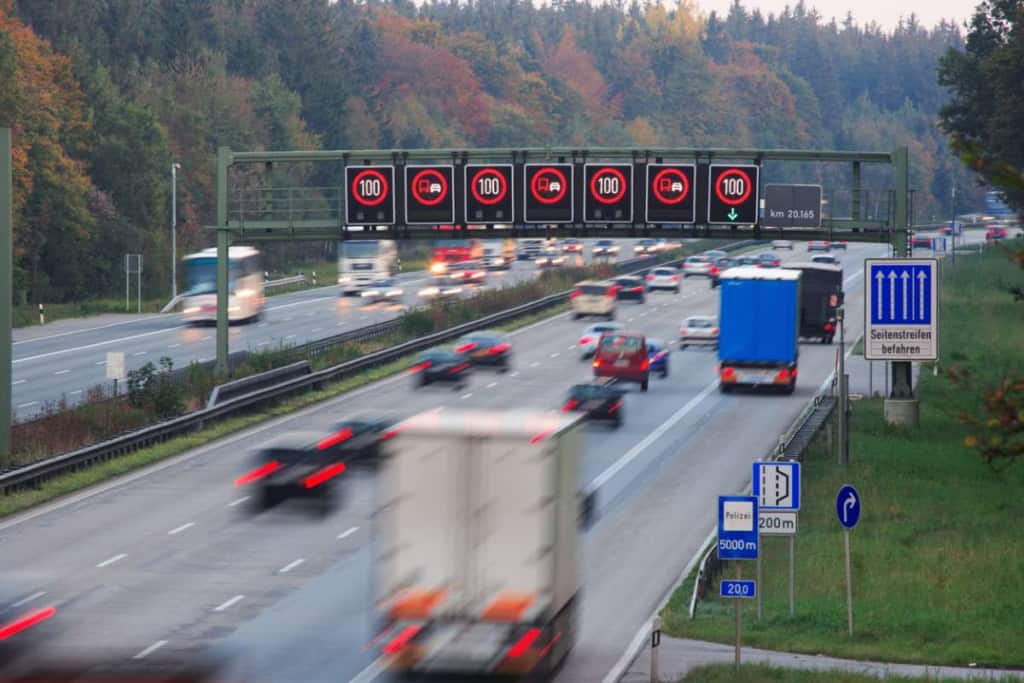
While thrilling, it also comes with risks, especially for those unfamiliar with local driving customs or traffic conditions. A good travel plan can cover medical expenses and car rental damage in the event of an accident.

Need Roadside Assistance? If you’re driving on Germany’s highways or rural roads and run into trouble, dial ADAC’s emergency number at 22 22 22 (within Germany) for 24/7 roadside assistance, free towing, and minor repairs. Please have your location details ready when you call.
With thousands of travelers passing through Germany’s major airports and train stations, lost or delayed luggage is a common occurrence. Whether you’re heading to Berlin, Munich, or Frankfurt, coverage for lost baggage can help quickly replace your belongings, reducing the stress of travel disruptions.
Severe weather or transportation strikes in Germany can lead to delays or cancellations of trains, flights, or other travel services. A policy with trip delay or cancellation coverage will reimburse you for additional expenses, such as meals, accommodations, and transportation, if your travel plans are disrupted.
Germany offers plenty of outdoor adventures, from skiing in the Bavarian Alps to exploring caves in the Harz Mountains. However, these activities often come with heightened risks. Standard travel plans may not cover high-risk activities, so consider adding an adventure sports rider to your policy if you plan to participate in these pursuits.
Although Germany is considered a safe destination, events like terrorism or civil unrest, though rare, can disrupt travel plans. Some policies offer coverage for such situations, ensuring you’re protected if your trip is canceled or if you require medical assistance.
Having travel insurance for Germany ensures you’re prepared for these unexpected situations. Whether you need medical care after a slip, assistance following a car accident, or coverage for lost luggage or delayed trains, the right policy helps prevent hefty out-of-pocket expenses.
With the right coverage, you can relax and fully enjoy your trip knowing you’re protected.

Travel Insurance
Your coverage depends on the type of plan you choose. While some policies offer basic medical protection, others provide broader coverage for various travel-related issues.
Most travel plans typically include protection for medical expenses, emergency evacuation, trip cancellation or interruption, lost or delayed luggage, travel delays, and repatriation of remains.
However, even the most comprehensive plans come with exclusions. Common ones include pre-existing conditions, injuries from high-risk activities like skiing or paragliding (unless you add an adventure sports rider), non-emergency treatments, self-inflicted injuries, incidents involving alcohol or drugs, and losses resulting from illegal activities. Because of this, it’s essential to read the fine print carefully to understand precisely what is and isn’t covered.
Fortunately, many providers allow you to customize your plan with add-ons. Depending on your medical history and the activities you plan to do in Germany, adding extra coverage can provide valuable protection and peace of mind, helping ensure you’re financially secure even in unexpected or extreme situations.
Read more about the benefits of International Travel Insurance
The cost of a travel plan varies depending on factors like your age, health, trip duration, and coverage level. Plans range from basic medical coverage to more comprehensive packages that include travel-related protections.
For example, a 25-year-old traveling from the U.S. to Germany for seven days might pay between $5 and $15 for a travel medical plan, while a 45-year-old could pay $8 to $27, and a 65-year-old between $20 and $50 due to higher health risks.
When comparing travel insurance plans, don’t focus only on the premium (upfront cost). Consider additional fees, such as deductibles (the amount you pay before coverage starts) and co-pays, which are fixed fees for services like doctor visits.
Also, check what services are covered; most plans include emergency medical expenses, evacuation, baggage loss, and flight delays.
Keep in mind that some services may still incur extra costs even with insurance, so it’s crucial to understand your policy’s coverage and any potential out-of-pocket expenses.
Want to Save Money? Consider choosing a higher deductible and slightly lower coverage levels. By customizing your plan, you can find the ideal balance between cost and protection that suits your needs. Be sure to shop around and compare options to find the best plan that suits both your budget and coverage requirements.

We’ll Help You Choose the Right Plan
Compare top-rated travel insurance plans for your upcoming trip abroad.
You can tailor your German travel plan to suit your specific needs. Here are some key factors to consider when choosing a policy:

Travel Insurance
Below are our top travel plans recommendations for Germany, each tailored to cover various needs – from medical emergencies to trip protection.
BCBS Global Solutions Single Trip Platinum is an excellent choice for U.S. citizens visiting Germany. Affiliated with Blue Cross Blue Shield, it provides access to a premium network of doctors and hospitals worldwide.
BCBS Global Solutions also offers 24/7 customer support, telemedicine services, and prescription drug coverage. It’s especially recommended for older U.S. citizens, as it provides the highest level of coverage for seniors traveling abroad.

Single Trip Platinum Travel Insurance
Get top-tier medical coverage, global emergency services, and travel benefits with the IMG Patriot Platinum plan. Whether traveling for business, leisure, or long-term exploration, protect yourself with one of the most comprehensive travel medical insurance plans available.
U.S. citizens and foreigners traveling to Thailand for less than 12 months are eligible to apply for an IMG Patriot Platinum plan.

Patriot Platinum Travel Insurance
Trawick Safe Travels AnyReason offers U.S. citizens and residents flexibility and financial protection against unexpected trip changes.
This plan includes a Cancel for Any Reason (CFAR) benefit at no additional cost, reimbursing up to 75% of prepaid, non-refundable trip expenses if you need to cancel for reasons outside the standard covered events.

Safe Travels AnyReason
World Nomads Travel Insurance is an excellent choice for non-U.S. citizens seeking trip cancellation coverage. It covers non-refundable expenses, such as flights, accommodations, and prepaid activities.
In addition to trip cancellation coverage, World Nomads protects over 200 adventure activities, emergency medical expenses, evacuation and repatriation, as well as coverage for lost or stolen baggage and personal belongings.

World Nomads Trip Cancellation
While you’re planning to explore iconic sites like Neuschwanstein Castle or cruise along the Rhine River, it’s equally important to consider your medical preparations:
Visitors can bring medications, but there are some restrictions:
Germany offers high-quality medical care at both public and private facilities; however, treatment can be costly without insurance. Therefore, it’s vital to have travel health coverage to protect against unexpected medical bills.
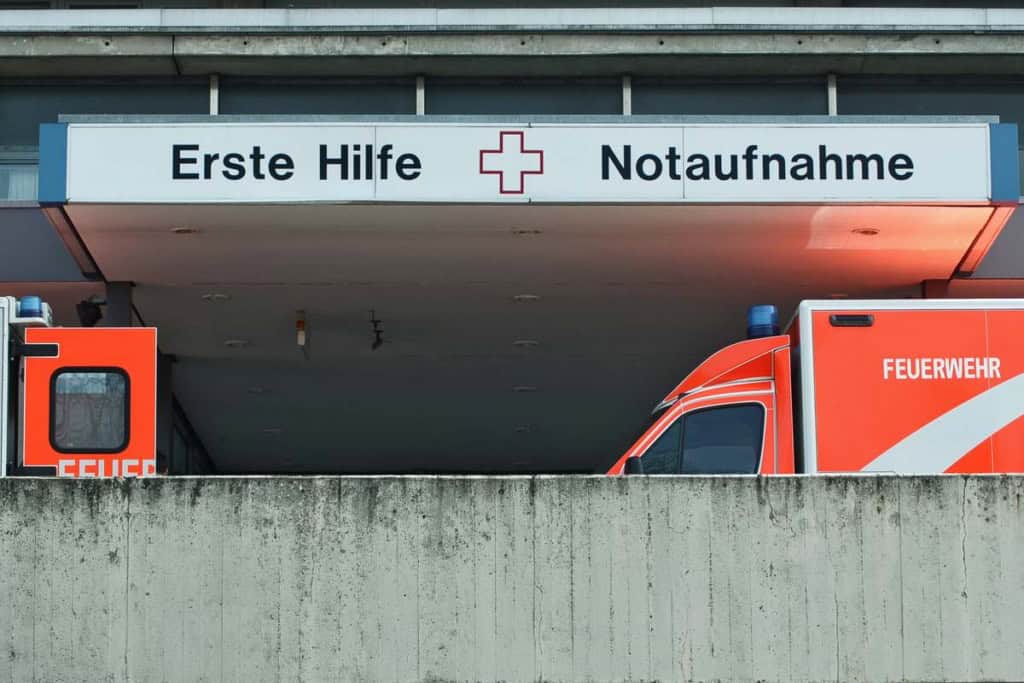
Hospitals in Germany are modern, and most locations offer specialized treatments and care. Check with your insurer for a list of covered hospitals in your destination area and consider telehealth options or translation services if needed.
It’s essential to stay informed about potential risks during your travels. Here are some sources for up-to-date travel advisory alerts:
It’s easy to overlook emergency planning when preparing for a trip, but knowing how to get help abroad is essential. Familiarizing yourself with Germany’s emergency phone numbers ensures you can act quickly and confidently if something goes wrong.
If you need help from your home embassy while traveling in Germany, dial the number below:
Visitors often ask, “Is Germany a safe country?” The answer is generally yes. Germany is a safe destination for travelers worldwide and consistently ranks highly in global safety metrics.
In fact, the country ranked 20th out of 163 countries in the 2025 Global Peace Index, which evaluates safety, security, and societal stability.
That said, as with any trip abroad, it’s always a good idea to take a few precautions. Whether you’re a student on a budget or a retiree with extra spending money, these travel safety tips will help you stay alert, avoid unnecessary risks, and make the most of your German adventure.
While violent crime is uncommon in Germany, petty street crime like pickpocketing can still be a concern. Distracted tourists and unattended bags or wallets are prime targets for thieves, particularly near popular tourist attractions and on public transportation.

Be vigilant in crowded areas and keep a close eye on your belongings. When using public transport or visiting busy areas, always store your wallet, phone, and other valuables in a secure, zipped bag. Consider using an anti-theft backpack or money belt to keep your items close and out of sight. Never leave your bag unattended or in easily accessible places, such as the back of a chair or the seat next to you.
Save With Discounted Travel Cards. If you’re planning to use public transit, consider purchasing a discounted card for tourists or frequent riders. For example, Berlin offers the WelcomeCard, which provides unlimited rides and discounts on attractions, while Munich has the CityTourCard, which offers similar benefits.
Outdoor activities like mountain hiking, skiing, biking, and climbing are popular in Germany’s Alpine regions, but they can lead to injuries if safety measures are not followed. To minimize risks, ensure you have the correct gear and stay on the designated trail.
Keep in mind that weather conditions in mountainous areas can change quickly. Avalanches and landslides pose significant hazards, particularly during specific seasons. Always check the weather forecast before setting off on your alpine adventure.
Ticks are commonly found in rural and wooded areas, especially during the warmer months. They can carry diseases such as Lyme disease and tick-borne encephalitis (TBE), which pose a risk when exploring outdoor areas. To minimize exposure, wear long sleeves, pants, and closed shoes, and tuck your pants into your socks.
Use insect repellent on exposed skin and clothing, and stay on designated trails to minimize the risk of encountering ticks. After hiking or spending time in rural areas, do a thorough tick check, especially in regions like Bavaria and Baden-Württemberg, where ticks are more prevalent. If you find a tick, remove it carefully with tweezers and disinfect the area.
Exploring the German Alps is a rewarding experience, with well-maintained trails and stunning scenery. However, the region is also home to a variety of wildlife, including wild boars, bears, and wolves. Encounters are rare, but it’s essential to stay aware of your surroundings and avoid disturbing any animals you may encounter.

Maintain a safe distance when spotting wildlife, and never attempt to feed or approach them. Stick to marked trails and make noise while hiking to avoid surprising animals, especially in dense forested areas.
Germany is a popular destination, which means it also attracts its share of scams targeting unsuspecting tourists. Some of these scams are simple, like taxi drivers who “forget” to turn on the meter or overcharge for short rides. Others, such as online dating scams, can be more elaborate and time-consuming. Being aware of common scams can help you avoid falling victim.
Research common scams in the region you’re visiting. In large cities like Berlin and Munich, stay alert around people asking for donations, offering unsolicited help, or trying to distract you with a performance or a clipboard. If something feels off, trust your instincts and walk away.
Germany experiences a range of extreme weather conditions, varying by region and season. Flooding can affect areas along the Rhine and Danube, while blizzards are common near ski resorts. Central Germany has seen more frequent heatwaves and droughts in recent years. Sudden weather changes, particularly in alpine areas, can also pose risks.
Stay informed by checking local weather updates and alerts. If you’re heading into areas prone to extreme conditions, such as flood zones or mountain regions, always follow safety instructions and have a backup plan in place in case of disruption.
Political protests and public demonstrations are relatively common in Germany, particularly in major cities. While many are peaceful, crowds can quickly become unpredictable and may attract counter-protests or even pose a security risk. Large gatherings can also be potential targets for terrorism, though such incidents are rare.
Stay informed through local news and government travel advisories. If you encounter a demonstration, avoid engaging with it and leave the area calmly. Be extra cautious in crowded places and always follow the instructions of local authorities.
Whether you’re dreaming of fairy-tale castles, hiking the Bavarian Alps, or immersing yourself in the vibrant culture of cities like Berlin and Munich, Germany offers something for every kind of traveler. It’s a destination where history meets innovation, and every corner offers a new story to uncover.
From solo adventurers and families to retirees and students, travelers of all ages and backgrounds are discovering the richness of Germany. And while every journey is different, one thing stays the same: the need to feel secure while you’re away from home.
Travel insurance ensures that you’re covered for the unexpected – whether it’s a medical emergency, lost baggage, or trip delays. With the right plan, you can enjoy everything from scenic train rides to luxury car tours and decadent Black Forest cake without worry.
So why leave peace of mind to chance? Explore our travel plans and get a free quote today. Your German adventure awaits!
Find the Best International Travel Insurance