
Updated on
Understanding Scuba Diving Insurance
Discover essential tips about scuba diving and extreme sports insurance. Ensure you're covered for all activities on your next trip abroad!
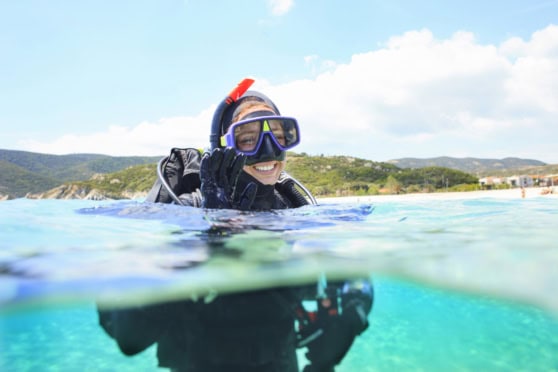
Should Scuba Diving Insurance Be Part of Your Next Trip?
For many travelers, it’s not the call of city streets that motivates them to traverse the globe. Instead, the spectacular beauty of the ocean beckons. It offers a world all its own, with much to explore under the sea. With scuba diving, travelers have the opportunity to explore an enchanting underwater world and create unforgettable travel memories. Scuba isn’t an activity to take lightly, though. Even experienced divers are aware that they face potentially serious risks at all times. Here’s what frequent scuba diver travelers need to know about scuba diving insurance when they’re planning their next trip.
What Does Scuba Insurance Cover
Keep in mind that most scuba diving insurance policies cover participation in the sport at a recreational level. If you’re engaging in activities such as cave diving or wreck exploration, you’ll need to discuss what’s included in your coverage with your insurance provider. If you’re traveling to learn a new diving skill, ensure your insurance coverage protects you for your current level of certified recreational diving and the more advanced diving you’ll participate in once your course is complete.
Scuba Diving Insurance vs Other Options
Budget-conscious travelers may wonder whether they need specific scuba diving insurance or if a general travel medical plan with an extreme sports or scuba rider will suffice. The right choice depends on several factors, such as how deep you plan to dive. Many insurers classify dives beyond 30 meters as extreme sports. Before your trip, ask your dive center for details about dive depths and share this information with your insurance provider to ensure you choose the most suitable coverage.
Does Travel Insurance Cover Scuba Diving?
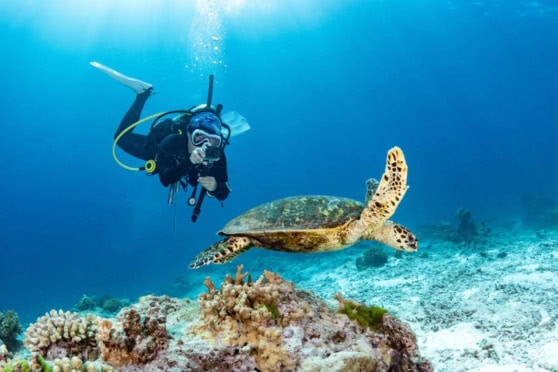
Many divers dismiss scuba diving insurance as unnecessary coverage because they don’t consider their recreational diving to be all that adventurous. It’s hard to imagine the need for a hyperbaric chamber or an emergency airlift when you’re gently waving at a fish off the Great Barrier Reef. However, a good scuba diving insurance package will also cover you for less catastrophic, more common medical emergencies. Those emergencies may include a broken ankle from slipping on a boat deck or a horrible coral cut that requires serious stitches and antibiotics. A good insurance program will bring you peace of mind (and practical assistance) for large and more modest emergencies.
Advice
Best Scuba Diving Insurance Plan
World Nomads Standard, Explorer, and Epic Plans
The World Nomads Standard, Explorer, and Epic plans cover over 250 adventure sports and activities. All World Nomads plans cover scuba diving up to 50 meters (165 feet). For added fun, the Explorer and Epic plans include shark cage diving, cave diving, and free diving up to 60 meters (165 feet).
Coverage varies by country of residence, so be sure to review the list of covered activities to confirm that all your planned adventures are included. Also, ensure you understand any exclusions related to scuba diving, such as diving without proper certification or while under the influence of alcohol or drugs.

World Nomads Travel Insurance
- Coverage for 200+ adventure activities
- Generous benefits for lost and stolen bags and gear
- 100% Trip Cancellation and Trip Interruption
- 24/7 emergency assistance
Scuba Diving Certifications for Your Adventure Abroad
Another consideration is whether or not you hold an internationally recognized diving certificate through PADI, SSI, or NAUI. Travelers can learn to scuba dive through independent programs, but the international recognition that comes from organizations like PADI, SSI, NAUI, and others offers standards that insurance companies rely on. Be prepared to provide proof of certification for many scuba diving insurance plans or to be directed to extreme sports insurance if you don’t have it.
Protect All Aspects of Your Scuba Experience
Finally, consider supplementing your insurance with trip cancellation and gear protection insurance. If you’re traveling specifically for diving, and something happens to you or your destination that prevents you from diving, you’ll want to be compensated for a vacation that genuinely isn’t going to happen. Likewise, if you travel with your own custom gear, such as an expensive wetsuit, double-check that it’s within the reimbursement limits of what the airline and your standard travel insurance will cover.