
International Health Insurance
Gain valuable insights and practical tips for navigating international health insurance while living abroad. From coverage details to expert advice, this comprehensive guide helps travelers…

International medical cover for expats and their families.
Medical and trip cancellation coverage for international travel.
Life insurance for globally mobile individuals living or working abroad.
Comprehensive international medical coverage for groups.
Medical, accident, and liability protection for global travel.
Financial protection for employees worldwide.
Most Popular Country Guides
Healthcare, insurance, and living insights to plan life and travel in each destination.
Healthcare, safety, and practical guidance for living abroad.
Tips and guidance for safer, smarter international travel.
Resources for global mobility, HR, and international teams.
Help your child adjust to life abroad with tips on emotional support, building friendships, and integrating into their new environment.

Moving abroad can be both exciting and overwhelming for children. It’s normal for them to feel a mix of emotions, from excitement about new adventures to sadness at leaving friends and familiar routines behind. But with the right guidance, parents can help their child adjust to life abroad and thrive in their new environment.
This article offers practical tips to help your child adjust to life abroad by supporting their emotional well-being, creating comfort and stability, and fostering social connections both at home and in their new country.

Moving to a new country can be an exciting adventure, but it can also be challenging for children.
Many kids experience emotional and psychological strain as they adjust to unfamiliar surroundings, new schools, and different social norms. This is often referred to as Expat Child Syndrome (ECS).
Children and teenagers, especially those with strong social connections at home, may become withdrawn, irritable, or defiant.
They may struggle with a new school system or language, and in some cases, experience physical symptoms such as headaches, stomachaches, or sleep problems.
Recognizing these signs early allows parents to step in with support and reassurance before challenges grow into long-term difficulties.
Once you notice these signs, you can take practical steps to help your child adjust and feel secure in their new environment.

Here are practical strategies parents can use to help their children feel safe, supported, and confident in a new country.
Providing emotional support for children moving abroad is essential to help them adapt and thrive.
Encourage open conversations about their feelings, and let them express excitement, worries, or sadness without judgment. Acknowledging their emotions helps them feel understood and reassures them that their feelings are normal.
Simple statements, such as “It’s okay to miss your friends” or “I understand that this is new and different,” can go a long way in making children feel supported.

Being available and consistent is also key. Check in regularly, listen actively, and offer encouragement when they face challenges.
Validating their emotions and celebrating small successes, like making a new friend or trying a new activity, helps build confidence and resilience as they adjust to life abroad.
Providing comfort and stability during the move can make a big difference. It helps children feel safe and supported as they adjust to a new environment.
Encourage them to bring along items that make them happy and let them help choose which belongings to unpack first. This gives them a sense of control and ownership over their new space.
Familiar objects, such as toys, blankets, books, or photos, help children feel at home and offer reassurance during times of change.
For younger children, a “first week abroad” bag containing favorite snacks, games, and comfort items can make the first days calmer and more enjoyable.
Maintaining familiar routines, such as mealtimes, bedtime rituals, and weekend habits, also helps reduce stress and provides a sense of stability during the first weeks abroad, giving children a reliable foundation while they explore their new surroundings.
Part of supporting your child emotionally is ensuring their mental and physical health needs are met. Research local doctors, pediatricians, and mental health professionals before or shortly after your move.
Having a trusted pediatrician and a mental health provider can provide reassurance to your child, offer early support if issues arise, and make navigating new healthcare systems much easier.
Alongside finding providers, ensure your child has appropriate health coverage. International or local health insurance plans that include pediatric care, mental health support, and emergency coverage can reduce stress for both children and parents, giving your child confidence as they adjust.
Many families prefer international health insurance, which offers benefits such as access to high-quality pediatric care, routine check-ups, emergency support, and private clinics with English-speaking staff. This is particularly helpful when navigating unfamiliar healthcare systems or facing a language barrier.
Working with a licensed broker can also simplify this process by guiding families through plan options, explaining the differences between providers, and helping them select a policy that ensures reliable care for every family member.
Adjusting to life in a new country is a process, and every child experiences it differently. Some may embrace the change quickly, while others need more time and support.
Children may also experience culture shock, especially when everything from language to daily routines feels different.
Talking openly about the similarities and differences in their new country, and exploring new surroundings together, can help the unfamiliar feel more friendly and approachable.

Encourage curiosity, celebrate small discoveries, and let them take the lead in exploring new experiences when possible.
Support strategies should be tailored to your child’s age and developmental stage. Younger children often need consistent reassurance, while preteens and teenagers may struggle more with leaving friends behind.
Helping them maintain connections with peers back home, while also encouraging them to form new friendships locally, strikes a healthy balance and reinforces both emotional security and social growth.
Setting small, manageable goals can help your child feel more in control during the transition to a new country.
Encourage simple steps such as joining a club, attending a social event, or learning a few phrases in the local language each week.
These small wins build momentum, boost confidence, and make the new environment feel less intimidating.
Celebrating these accomplishments, no matter how minor, reinforces their efforts and shows them that progress is happening.
It also helps to set clear yet gentle expectations, such as meeting one new person, trying a new activity, or learning five local phrases within the first month.
These goals should guide and encourage rather than create pressure, giving children a sense of achievement while fostering resilience.
Most importantly, children learn from what they see. By modeling patience, curiosity, and optimism, you demonstrate that adapting to a new country is a gradual process – and one that can be exciting, rewarding, and even fun.
One of the most important aspects of settling abroad is helping children build social connections.
Encouraging them to join clubs, sports, or after-school activities is a great way to help them make friends and feel part of the community.
Building connections with other families and expat parents can also provide invaluable support, advice, and social opportunities for both parents and children.
Local parenting groups, school networks, and community organizations are excellent ways to navigate life abroad while creating a supportive network.
Here are some resources to help families get started:
Exploring these opportunities early can help children feel included, supported, and confident in their new surroundings while giving parents a valuable network to rely on.
While connecting with other families and making new friends provides support and social opportunities, maintaining old friendships is just as crucial for your children’s emotional well-being.
Maintaining regular contact with family and friends back home through video or phone calls provides emotional support and a sense of continuity during transitions.

At the same time, encouraging children to participate in local activities, clubs, or community events helps them form new friendships and feel a sense of belonging to their community.
Here are some practical ways to support this:
After social interactions, check in with your child to discuss what went well, what was challenging, and how they felt, reinforcing emotional support alongside social growth.
By combining regular contact with old friends and encouraging engagement with new peers, while providing gentle guidance and reflection, you help your child feel secure, socially confident, and adaptable in their new environment.
Celebrating family traditions while embracing local customs helps children feel grounded in their heritage and excited about their new environment.
Combining familiar rituals with new experiences can make transitions more meaningful, fun, and enriching, while nurturing cultural understanding and supporting your child’s emotional stability during times of change.
For example, your family might continue baking traditional holiday treats, decorating in familiar ways, or maintaining special rituals at home, while also attending local festivals, sampling regional foods, or participating in community celebrations.
This balance enables children to remain connected to their roots while exploring and appreciating their new surroundings, making the move a positive and enriching experience.
Here are some practical ways to nurture those connections:
By blending old and new traditions, children feel secure in their identity while developing curiosity, adaptability, and emotional resilience in their new environment.
Helping children develop healthy coping strategies is crucial for managing the stress and uncertainty associated with moving abroad. Teaching them simple, practical techniques empowers them to handle emotions and build resilience.
Younger children can benefit from activities such as deep breathing exercises, where they imagine inflating a balloon with each breath and slowly deflating it, or journaling and drawing to express their excitement, worries, or sadness.
Physical activity, such as walking, playing on the playground, or dancing, also helps release tension and boost your mood.
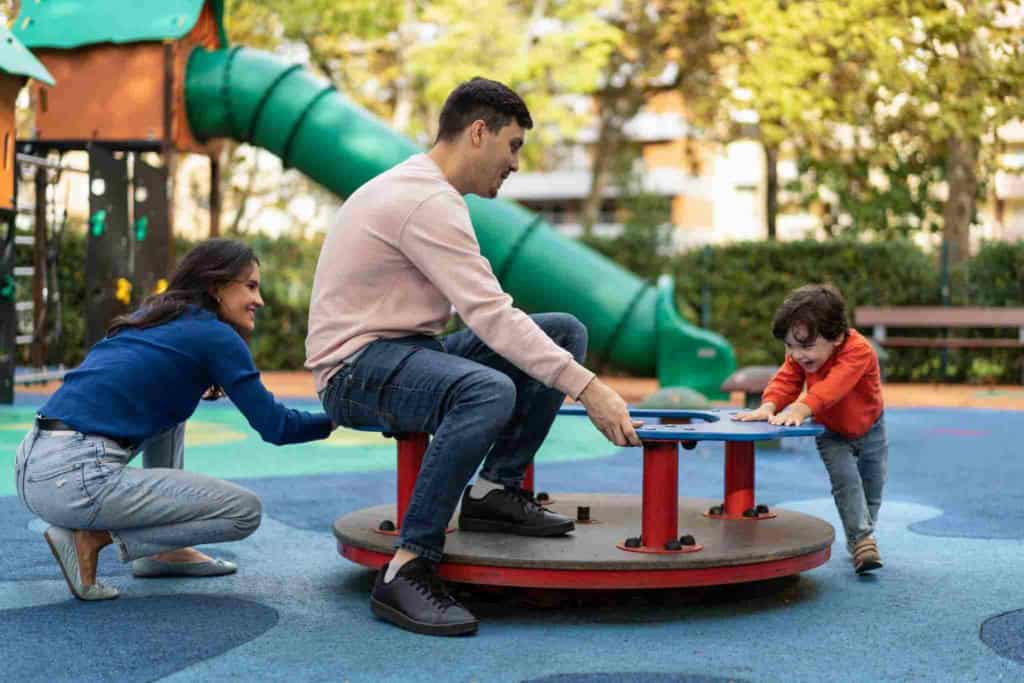
Older children and teens may benefit from setting small, achievable goals, such as making one new friend a week or learning a few local phrases each month.
Discussing challenges together and brainstorming practical solutions, for example, navigating a new school or language, gives them a sense of control. Guided mindfulness or meditation exercises can also help them relax and focus.
By providing these tools, parents give children a sense of control and confidence, helping them navigate transitions, manage stress, and thrive emotionally in their new environment.
Small daily habits and routines can make a big difference in helping children adjust to life in a new country.
Creating a smooth daily routine overseas helps families settle more quickly. Choosing child-friendly housing in neighborhoods close to schools, parks, public transport, and healthcare facilities makes day-to-day life easier.
Familiarizing yourself and your children with local transportation, car seat regulations, and child-friendly destinations also helps reduce stress.
Practicing routes to school or common locations before the first day can give children confidence and independence.
Supporting language learning at home accelerates adaptation. Reading bilingual storybooks, using language apps, or practicing simple phrases in daily life helps children feel more comfortable in a non-English-speaking country.
Additionally, family-friendly apps, such as local parenting forums, translation tools, and school communication platforms, can make day-to-day logistics much smoother.
Moving abroad can be both challenging and exciting for children, but with the right support, understanding, and practical strategies, they can thrive in their new environment.
By nurturing emotional well-being, maintaining connections with old friends while building new relationships, parents provide their children with a strong foundation for adapting successfully.
Encourage curiosity, celebrate small victories, and model patience and optimism. By doing so, you help your child approach each new experience with confidence and resilience.
By following these strategies, you’re helping your children thrive emotionally as they move abroad, giving them the confidence, resilience, and excitement they need for the new experiences ahead.
With time, anticipation, and a positive mindset, children not only adjust – they grow, explore, and embrace life abroad with excitement and hope.
Protect your family’s health from day one – explore international health insurance options to give your children access to quality care, wherever your journey takes you.
Contact us today for a free quote and make sure your family is fully protected while abroad.