

Corporate Group Insurance for Global Employees
Understand the importance of global employee insurance in safeguarding your workforce’s health, travel, and your company’s overall liability exposure.

International medical cover for expats and their families.
Medical and trip cancellation coverage for international travel.
Life insurance for globally mobile individuals living or working abroad.
Comprehensive international medical coverage for groups.
Medical, accident, and liability protection for global travel.
Financial protection for employees worldwide.
Most Popular Country Guides
Healthcare, insurance, and living insights to plan life and travel in each destination.
Healthcare, safety, and practical guidance for living abroad.
Tips and guidance for safer, smarter international travel.
Resources for global mobility, HR, and international teams.
Learn how to manage a remote team effectively with practical tips to boost productivity, engagement, connectivity, and trust.
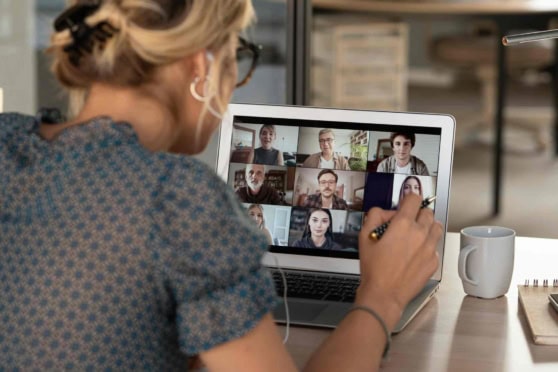
Remote work has become a defining feature of today’s global workforce. More than 60% of companies offer remote or hybrid work options, and cross-border hiring has increased by 40% over the past three years. Embracing these models helps organizations attract top talent, reduce costs, and boost productivity, but it also demands a new approach to leadership.
Knowing how to manage a remote team isn’t just about keeping projects on track – it’s about building a culture where people across time zones and cultures feel connected, trusted, and motivated. When done right, it can unlock world-class talent, improve retention, and drive measurable results. This article shares practical strategies to help you make it happen.

Remote team management is the art and science of coordinating, supporting, and empowering employees who work outside traditional office environments, often spanning different countries and cultures.
It covers multiple models, including:
Unlike managing co-located teams, managing remote teams requires intentional effort to overcome physical distance, cultural differences, language barriers, and time zone challenges to build a cohesive, high-performing workforce.
At its core, success depends on cultivating a remote work culture grounded in trust, transparent communication, cultural intelligence, and shared accountability.
Without these foundational elements, teams can struggle with isolation, miscommunication, and disengagement, which can impact productivity, morale, and business performance.
A thriving remote work culture fosters openness, collaboration, and inclusivity, even across distances and diverse teams.
For example, North American employees may prefer direct feedback in meetings, while East Asian colleagues might opt for private or written suggestions.

Recognizing and adapting to these cultural preferences builds trust and prevents misunderstandings.
Leaders can foster this culture by:
This integrated approach strengthens trust, bridges cultural gaps, and prevents disengagement, which ultimately drives productivity and morale.
Effective onboarding lays the foundation for remote employee success by clearly communicating company culture, workflows, and expectations, while thoughtfully accommodating different time zones and languages.
Ongoing training, both technical and cultural, keeps skills sharp and ensures alignment with evolving team goals.
Cultural intelligence (CQ) training further enhances awareness of diverse communication styles, work habits, and social norms. This helps reduce misunderstandings and fosters respect, collaboration, and inclusivity across borders.
Structured recurring meetings, such as daily stand-ups or weekly syncs, can support these efforts. They help maintain momentum and provide regular opportunities to address challenges early.
These predictable touchpoints keep everyone informed and engaged, strengthening overall team alignment.
Once the basics of onboarding and training are in place, adopting a focused framework can help managers sustain a high-functioning virtual team.
The C.A.R.E. framework highlights four critical pillars for remote team success:
Each pillar addresses common remote work challenges and supports a thriving, connected, and motivated team culture, regardless of location.
To put the C.A.R.E. framework into action, implement these proven best practices:

Start Strong from Day One! Introduce technology early, before problems arise. Equip your team with the right platforms from the start to reduce confusion and foster consistency. Additionally, create and maintain shared knowledge bases or wikis where team members can easily access project updates, guidelines, and FAQs to support onboarding and keep everyone aligned.
Virtual teams thrive with the right digital tools that enable seamless collaboration:
Need help choosing the right health benefits for your remote team? Our experts specialize in global health insurance solutions designed to support your team’s diverse needs. Contact us today for personalized guidance or compare group health plans to ensure your virtual workforce stays healthy, engaged, and protected.
Knowing how to manage a remote team means fostering connection and motivation beyond just overseeing tasks.
Keeping virtual employees engaged requires deliberate effort to build trust, encourage collaboration, and support well-being, which are key to sustaining productivity and loyalty.

Consider these approaches:
Beyond insurance, promoting overall well-being is essential to sustaining a healthy remote workforce:
Global remote teams face challenges such as:
Knowing how to manage a remote team means applying intentional communication, fostering inclusion, and creating flexible workflows that accommodate diverse needs.
Proactive solutions such as structured communication, culturally aware team rituals, flexible scheduling, and localized policies help keep teams aligned and engaged.
Managing remote teams across multiple countries involves navigating various data privacy laws, such as GDPR in Europe or CCPA in California.
Companies must implement robust security protocols for remote access and data sharing to protect sensitive information and comply with international regulations. This is key to safeguarding both business operations and employee privacy.
Regularly collecting feedback from virtual employees worldwide allows HR and leadership to identify challenges unique to different regions and adapt policies accordingly.
Encouraging open dialogue through surveys, virtual town halls, and one-on-one check-ins supports a culture of continuous improvement and responsiveness.
Managing virtual teams requires addressing complex legal issues, including labor laws, tax regulations, and benefits administration that vary significantly across jurisdictions.
HR and global mobility leaders should collaborate with legal and compliance experts to ensure that contracts, health coverage, and employment policies meet local requirements and protect both the company and employees.
For many organizations, partnering with an Employer of Record (EOR) or a Professional Employer Organization (PEO) offers a practical solution.
These service providers act as the legal employer in target countries, handling payroll, compliance, benefits, and tax filings on behalf of their clients. This enables companies to onboard and manage remote employees globally without the need to establish local entities.
Proactively addressing compliance risks, including culturally appropriate health and wellness benefits, supports a sustainable and legally sound global remote workforce.
After addressing the legal and compliance considerations for your global workforce, it’s important to evaluate how contractors fit into your benefits strategy.
While full-time employees often have well-defined eligibility for group health plans, contractors may be treated differently depending on local regulations, contract length, and plan design.
Understanding these nuances ensures your benefits program remains compliant, equitable, and tailored to the needs of your entire distributed team.

Many organizations wonder whether contractors can be included in group health plans, and the answer depends on several factors.
Insurers typically evaluate the following when determining eligibility:
By carefully evaluating these factors, organizations can structure coverage that protects both employees and contractors while remaining compliant.
Our experts can guide you on eligibility, plan design, and coverage options for your global team, including contractors.
Knowing how to manage a remote team effectively is both a challenge and an opportunity. With the right culture, tools, and leadership, you can build a productive, connected, and engaged workforce, no matter where they work.
By strategically embracing remote work models, you can unlock access to diverse talent, reduce operational costs, and strengthen your organization’s global resilience.
Contact us today to learn how our global benefits solutions can help you attract, support, and retain top talent, anywhere in the world.