International Health Insurance
Gain valuable insights and practical tips for navigating international health insurance while living abroad. From coverage details to expert advice, this comprehensive guide helps travelers…

International medical cover for expats and their families.
Medical and trip cancellation coverage for international travel.
Life insurance for globally mobile individuals living or working abroad.
Comprehensive international medical coverage for groups.
Medical, accident, and liability protection for global travel.
Financial protection for employees worldwide.
Most Popular Country Guides
Healthcare, insurance, and living insights to plan life and travel in each destination.
Healthcare, safety, and practical guidance for living abroad.
Tips and guidance for safer, smarter international travel.
Resources for global mobility, HR, and international teams.
Learn how to recognize and overcome culture shock, adapt to new environments, build connections, and thrive in your new country.

Moving abroad is an exciting adventure, but it often comes with culture shock – a mix of stress, anxiety, and disorientation that can arise in an unfamiliar environment. Navigating new customs, languages, and social norms can feel overwhelming at first, making everyday life seem more complicated than it did at home.
However, the good news is that with time and a few practical strategies, you can adjust, feel at home, and even thrive in your new country. These tips will help you overcome culture shock, build meaningful connections, and make the most of your time abroad.

Culture shock is the emotional and mental strain you may experience when adjusting to a new culture, where familiar routines, social norms, and daily cues suddenly feel unfamiliar.
While it most often occurs when moving abroad, it can also arise when relocating to a very different region or community within your own country – and even in places that share a language or historical ties.

This adjustment period can affect your physical, mental, and emotional well-being, leaving you stressed, anxious, or disoriented as you adapt to new ways of living.
However, with time and patience, these new environments usually become less daunting, often leading to rewarding experiences and a deeper connection to your new culture.
Culture shock is a challenge many expats face, and experiencing these symptoms doesn’t mean something is wrong – it’s a normal part of adjusting to life in a new country.
In fact, the 2024 Global Expatriate Survey by Crown Relocations shows that about 92 % of expats find adapting to a new culture challenging, with roughly 65 % describing cultural adjustment as extremely or very difficult.
This highlights just how common culture shock is and reinforces that most people living abroad experience it to some degree.
It can manifest physically, emotionally, and behaviorally, with common reactions including:
In more extreme cases, culture shock can lead to social withdrawal. Some people may seek out other expats while avoiding local residents, which can reinforce negative feelings about the host country, its culture, and its people.
They may even begin to believe in stereotypes, idealize their home country, or second-guess their decision to move abroad.
Coping mechanisms they previously relied on, such as a sense of humor, may temporarily disappear, leaving them feeling isolated.

It’s important to understand that the symptoms of culture shock can vary in intensity and duration. While some experience only mild discomfort, others may struggle significantly.
Recognizing and acknowledging these feelings – and seeking support when needed – is key to managing it effectively.

Culture shock usually arises from differences between your home culture and the new environment. Even slight contrasts in daily life can accumulate, making adjustment challenging.
Common triggers include:
The greater the contrast between your previous experiences and the new culture, the more intense culture shock can feel.
Being aware of these triggers can help you anticipate challenges, recognize early signs, and develop strategies to adjust more effectively.
Culture shock most often occurs when moving abroad, as you adjust to new languages, social norms, and daily routines. Differences in customs, public behaviors, or societal expectations can create surprising or challenging experiences.
Here are some examples of how it can appear in different countries:
Brazilians are generally warm and expressive, and casual physical contact, such as a pat on the back or a touch on the arm, is common even among acquaintances.
Expats from cultures where personal space is highly valued, such as the U.S. or the U.K., may feel uncomfortable with the closer proximity and frequent touch.
Public spaces, such as trains and parks, are often very quiet. Talking on the phone or speaking loudly is generally discouraged.
Those from cultures where public socializing is common may initially feel isolated or uncomfortable.
Strict social rules govern gender segregation, especially in public spaces, and both men and women are expected to dress conservatively.
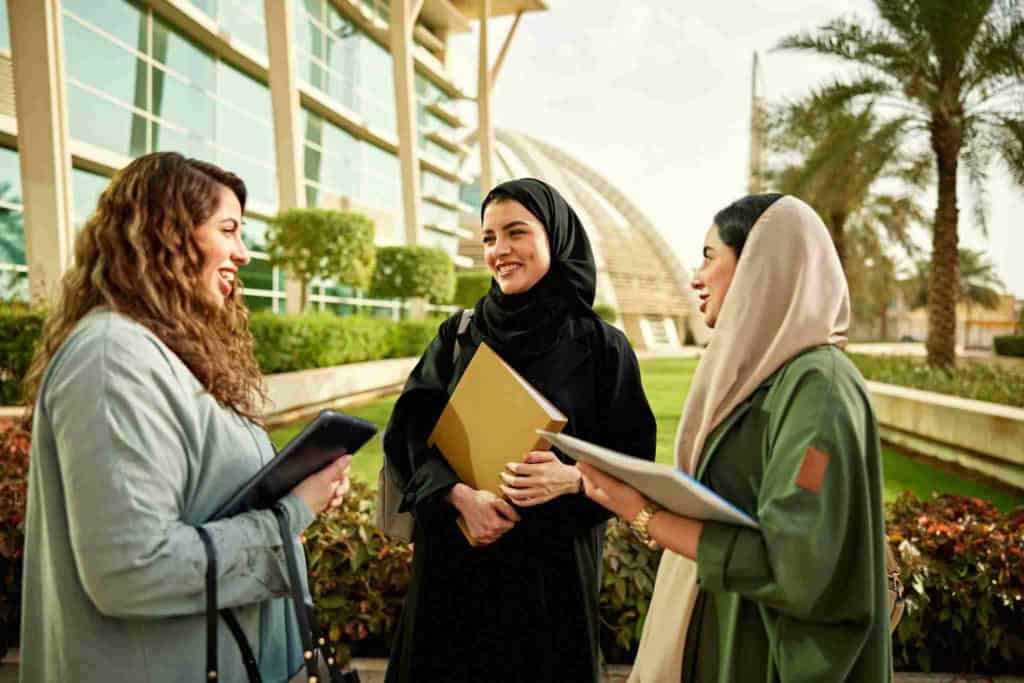
Expats from more liberal countries may find these customs challenging, particularly if they are not used to dressing conservatively or being separated by gender in social or professional settings.
In some areas, foreign visitors may attract a lot of attention and curiosity, with locals occasionally asking for photos or simply staring out of curiosity.
Travelers or expats from more diverse or less openly curious societies may find this level of attention surprising or intimidating.
Even within these international examples, culture shock is ultimately about the emotional and psychological impact of adjusting to new cultural expectations.
Being prepared for both obvious and subtle differences can make adapting to a new environment abroad smoother, less stressful, and more rewarding.
Psychologists often describe culture shock as a process that unfolds in four stages. Understanding these stages can help you anticipate challenges and navigate your new environment more effectively.
Everything feels exciting and new. Cultural differences seem like charming quirks, and you’re eager to explore your surroundings. You might marvel at local customs, try new foods, or be fascinated by differences in social etiquette.
The initial excitement fades, and slight differences that once seemed charming may feel frustrating or confusing.
You may feel irritability, homesickness, anxiety, or even depression as everyday tasks, such as grocery shopping, commuting, or navigating social norms, become stressful. Miscommunications and cultural misunderstandings are common.
Gradually, you begin to understand local routines, language, and customs. Daily life becomes more manageable, and you develop strategies to navigate challenges.
You might start forming friendships, feel more confident in social interactions, and notice fewer surprises in daily life.
You adapt to your new surroundings, finding balance and comfort. Differences may still exist, but you can navigate them with confidence and even appreciate the unique aspects of your host country. This stage doesn’t mean everything feels perfect, but you can function effectively and enjoy life abroad.
Being aware of these stages helps you recognize normal reactions, manage your emotions, and approach cultural adjustment with patience and flexibility.
While the four stages provide a helpful framework, culture shock rarely happens all at once – it often builds gradually.
Small stresses, misunderstandings, and cultural frictions can accumulate over days, weeks, or even months, eventually creating the full experience.
Emotions naturally fluctuate, shifting from initial excitement to frustration and ultimately toward a gradual adjustment.
Not everyone experiences these stages in the same order or at the same pace. Some adapt quickly and bypass certain stages, while others may struggle longer, particularly if they are facing significant cultural differences.

Each person’s experience is unique, shaped by personality, previous exposure to different cultures, support systems, and coping skills.
Recognizing that your experience may differ from a textbook model can help reduce stress and enable you to approach adaptation more flexibly.
Moreover, remembering that these feelings are temporary helps you anticipate challenges, develop effective coping strategies, and navigate your new culture with greater ease.
With patience, self-awareness, and support, the challenges of culture shock can be turned into opportunities for growth and adaptation.
Adjusting to a new culture can be challenging, but these strategies can help you navigate the transition more smoothly and feel at home faster.
Language barriers are often one of the biggest challenges when adjusting to a new country. Learning the local language helps you feel more confident when interacting with locals and makes it easier to integrate into the community.
There are several ways to do it, depending on your style and schedule. You can use helpful apps like Duolingo, Babbel, Rosetta Stone, or Memrise to learn at your own pace and build vocabulary and basic conversation skills.
Alternatively, you could search for online tutors through platforms like iTalki or Preply, which offer one-on-one lessons with native speakers, tailored to your level.
If you prefer an in-person experience, local language schools, such as community centers, universities, or cultural institutes like Alliance Française, Goethe-Institut, or Instituto Cervantes, provide structured courses where you can also meet other learners.
Your classmates will often be other expats, while teachers will be locals. Each lesson helps improve your cross-cultural communication skills, making it easier to read signs, menus, and instructions in daily life.
If you prefer a more informal setting, conversation meetups through Meetup.com or local Facebook groups are a fun way to practice speaking while making friends and integrating into the community.
Whichever method you choose, learning the language not only helps you navigate daily life but also boosts confidence and strengthens your connections with locals.
Unfamiliarity is at the root of culture shock, so the more you learn about your new country, the more comfortable you’ll feel.
Studying its history, society, and economy can help you understand why certain rules and traditions exist. While knowledge won’t eliminate frustration entirely, it will provide context for how things work.
Joining expat forums or groups can connect you with others going through similar transitions. You could also attend lectures at galleries and museums, read novels by local authors, or take private city tours.

These activities offer valuable cultural insights and help you meet locals, making you feel more connected to your new environment.
Many expats find it helpful to set small goals while living abroad. For example, you might aim to master one popular dish from the local cuisine or create a list of sites to visit, pledging to explore one each week.
Setting these goals can remind you why you moved overseas in the first place and encourage you to engage more deeply with your new country along the way.

Pick Up a Book! Books offer context, strategies, and reassurance as you adjust to a new culture. Helpful reads include the Culture Shock! series of country guides, The Art of Crossing Cultures by Craig Storti, Third Culture Kids by David Pollock, and The Culture Map by Erin Meyer.
Getting involved with the local community can feel daunting, especially if you’re facing a language barrier or feel reluctant to leave the comfort of home.
However, taking small steps to engage with your surroundings can make a big difference in helping you feel connected and at home.
One of the easiest ways to start is by joining a volunteer organization that aligns with your interests. Even if you still feel like an outsider for a while, volunteering not only helps you meet others but also builds meaningful relationships and a sense of belonging.
Participating in hobbies and activities, whether familiar ones from home or completely new pursuits, is another effective way to connect with people.
Attending local events, such as festivals, concerts, or sports matches, can immerse you in the culture, while online groups can provide additional social support.
Bringing a hobby from home into your new environment offers comfort, while trying a new activity, such as learning a musical instrument or exploring a craft, can help you meet new people while keeping yourself engaged.
Combining these approaches will gradually make your new community feel more like home and help you build the confidence and connections needed to fully engage with your surroundings.
Connecting with others is important, but self-care is equally essential for recovering from culture shock. Finding healthy outlets can make all the difference.
Start by exploring the resources available in your new neighborhood. Parks, wellness centers, gyms, and yoga studios can help you stay active while also offering opportunities to meet new people.
Exercise is effective for easing stress, anxiety, and the emotional ups and downs of culture shock, but your outlet doesn’t have to be physical.
Activities that helped you relax at home, such as reading, crafting, or listening to music, can easily be incorporated into your new routine.
Journaling or blogging about your experiences, both the highs and the lows, is a great way to clear your mind and gain perspective. A daily meditation practice can also help relieve stress and anxiety.
Walking in your neighborhood, whether in the morning or evening, also provides gentle exercise and a chance to get to know your area and its people.
Finally, don’t underestimate the power of harmless distractions. Following a favorite TV show, sports event, or hobby can provide a much-needed break from daily frustrations, helping you approach challenges with fresh eyes.
Keeping in touch with friends and family back home is crucial in combating culture shock. Writing to them about your experiences and challenges can help you process your feelings.
Don’t hesitate to express your frustrations or loneliness either; sharing your struggles may actually bring you closer to your loved ones. When you open up, it often encourages friends to share their own experiences in return.
Having a sympathetic ear can be invaluable, and supporting a friend, in turn, can be equally rewarding. This exchange fosters a sense of connection, even from a distance.
However, it’s important to maintain a healthy balance. Long chats over Skype can be fulfilling, but canceling plans with local acquaintances to spend the evening refreshing your old friends’ social media pages is not productive.

Spending too much time online can prevent you from engaging with your new environment, and there’s a significant difference between staying in touch and fixating on what you’re missing.
Remember, the adventures you have with new colleagues, neighbors, friends, and family can provide excellent stories to share with your loved ones back home!
If you are moving abroad with children, supporting their adjustment is also an important part of maintaining connections and reducing stress.
Helping your little ones navigate new schools, make friends, and understand cultural differences not only eases their transition but also strengthens the family’s overall experience.

Many governments and embassies offer cultural orientation and integration programs to help newcomers settle in more smoothly. These resources can provide you with practical guidance and help you connect with your new community.
Start by locating your home country’s embassy or consulate and visiting their official website. Look for sections dedicated to citizen services or newcomer resources, which often include guides on local customs, etiquette, social norms, and practical tips for everyday life.
Embassies frequently host events, cultural briefings, or networking sessions. Attending these can help you meet other expats, gain practical guidance, and better understand your new environment.
Signing up for newsletters or alerts is another easy way to receive ongoing updates on cultural insights, legal requirements, and local community activities.
By taking advantage of these programs and resources, you can minimize culture shock, build confidence, and feel more at home in your new country more quickly.
If you moved abroad for work, navigating unfamiliar workplace customs and communication styles can be a major source of culture shock. Many employers offer cross-cultural training to ease this transition.
These programs provide insights into various aspects of your new culture, whether before departure or after arrival, and can include workshops, online modules, mentorship, or on-the-ground guidance.
From learning etiquette for public transport to understanding local business customs, this training can make your adjustment smoother.
Cross-cultural training doesn’t just help at work, either. It can improve social integration, networking, and prevent misunderstandings in daily life. Consider asking your HR department or manager about specific topics relevant to your role or location.
By participating in cross-cultural training, you can prepare for the realities of working in a different culture, making your transition more manageable and effective. If your workplace offers this training, consider signing up before you move.

Adjusting to life abroad is often just a matter of time, but sometimes the symptoms of culture shock can become severe, and everyday coping strategies may not be enough.
Your mental health is essential, and prolonged or intense culture shock can have significant consequences. If you’re feeling consistently low, anxious, or unable to recover, it’s important to seek help from a doctor or mental health professional. There is no shame in reaching out for professional support when you need it.
Having reliable international health insurance can make accessing care easier. Just ensure your policy covers visits to specialists.
A licensed broker can guide you in selecting a plan that fits into a comprehensive strategy for coping with culture shock, helping ensure you have access to the care you may need while abroad.
Experiencing culture shock is a normal part of adjusting to a new country. Feeling comfortable in a foreign environment takes time, patience, and practice.
With the strategies outlined above and the support of your loved ones, you can overcome it and thrive in your new home.
Just remember to be patient with yourself, embrace new experiences, and celebrate small victories along the way – each step brings you closer to feeling fully at home.
Approach each day with curiosity, openness, and self-compassion, and you may discover that living abroad becomes one of the most rewarding adventures of your life!
If you’re planning to return home after your time abroad, be sure to check out our article on reverse culture shock to prepare for the transition.