
International Health Insurance
Gain valuable insights and practical tips for navigating international health insurance while living abroad. From coverage details to expert advice, this comprehensive guide helps travelers…

International medical cover for expats and their families.
Medical and trip cancellation coverage for international travel.
Life insurance for globally mobile individuals living or working abroad.
Comprehensive international medical coverage for groups.
Medical, accident, and liability protection for global travel.
Financial protection for employees worldwide.
Most Popular Country Guides
Healthcare, insurance, and living insights to plan life and travel in each destination.
Healthcare, safety, and practical guidance for living abroad.
Tips and guidance for safer, smarter international travel.
Resources for global mobility, HR, and international teams.
Learn all you need to know about becoming an expat, from choosing the right destination to navigating healthcare, living costs, culture, and more.

Many people dream of living abroad and becoming an expat, and those brave enough to make that dream come true will discover a world full of opportunities and experiences.
Whether you’re looking for adventure, a better quality of life, or want to connect with family overseas, the journey of living abroad can be incredibly rewarding. It can open up a wealth of experiences, from forming lasting friendships and discovering new passions to enhancing your perspective on the world and enriching your life in ways you never thought possible.
However, every expat journey begins with careful planning and research, so to help you get started, this article outlines everything you need to know. From exploring the different ways to live abroad and tips for success to advice from those who have made the move, we’ve got you covered.
When we think of living in another country, expatriates often come to mind. However, there are many different ways to experience life abroad.
For example, many people move to other countries to find better job opportunities or advance their careers. This can lead to valuable experiences, help them learn new skills, and allow them to build a global network of contacts.
The rise of digital nomadism also means that more people are choosing to work remotely while living in different countries, often moving between destinations throughout the year.

International students also embark on their own unique journeys. They travel to other countries to attend universities, where they gain new knowledge and experience different cultures. This not only enriches their education but also allows them to make lasting friendships along the way.
Those seeking a more relaxed lifestyle, on the other hand, might decide to retire abroad. Spending their golden years in another country often allows them to enjoy a slower pace of life and a better quality of life while benefiting from a lower cost of living.
An increasing number of families are also choosing to embrace a nomadic lifestyle, traveling and living in various countries.
This experience can provide children with a global perspective and deepen their understanding of different cultures and ways of life, especially when relocating to one of the best countries to raise a family.
Understanding these different paths to living abroad can help us appreciate everything the expat life has to offer. And the beauty of it is that each journey has its own benefits and challenges, leading to personal growth and a broader view of the world.

Many people visit a country for the first time, fall in love with it, and decide they want to move there. But becoming an expat is a big decision that shouldn’t be made lightly or based solely on a week-long vacation.
While it’s easy to get swept up in the romance of a new place, the reality of building a permanent life in a popular vacation spot is a completely different experience.
Choosing the right country to live in is essential and should match your desired lifestyle. So, before you start packing your bags, here are some important things to consider.
One of the most important steps in preparing for expat life is securing international health insurance. Compare plans designed for individuals, families, and global professionals living overseas.
When planning to move abroad, it’s important to understand the immigration rules and regulations in the country you are considering.
Each country has its own legal requirements, which could be a deal-breaker for some. Some countries have strict immigration rules, while others are more welcoming to newcomers.
This can influence your decision about where to live, as a country with flexible visa options may be more appealing if you want a smooth transition.
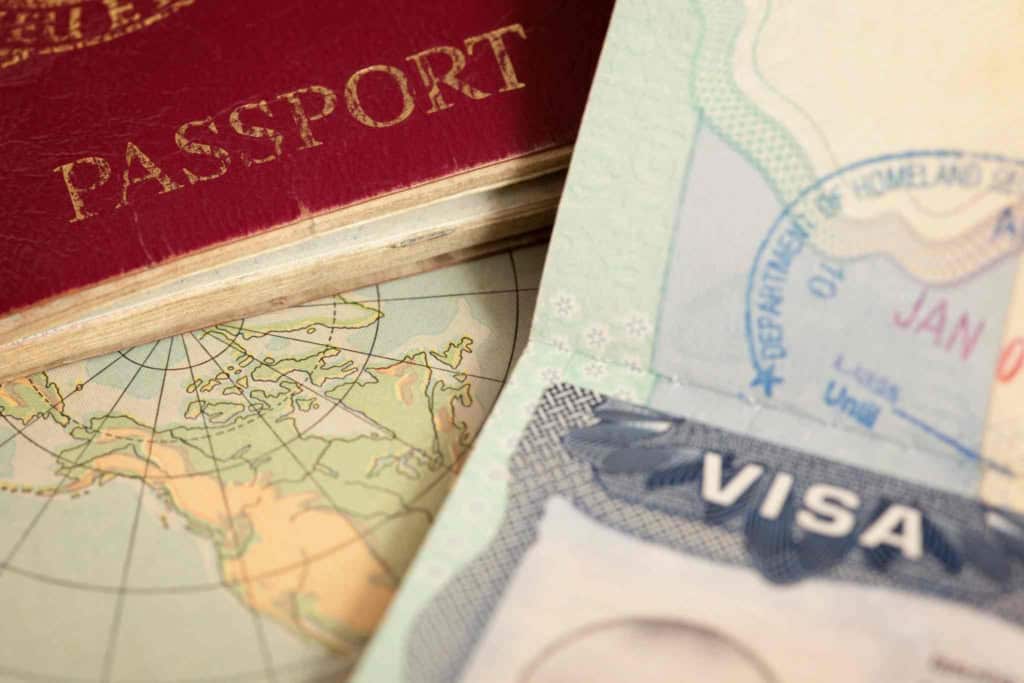
Start by exploring the different visa options available for your situation, whether for work, study, or family reasons. Also, check the residency requirements, which outline how long you can stay and what you must do to remain legally in the country.
Be aware of any legal obligations that may affect your move. For example, some countries might require you to have a job lined up before you arrive or ask for proof of funds to show you can support yourself.
By researching the visa requirements, you can pick a country that matches your goals and dreams. Understanding the application process will also help you avoid surprises and make your move smoother and more enjoyable.
When considering a move abroad, it’s important to research crime rates, potential dangers, and local emergency services.
Researching safety advice in your chosen destination will help you decide where to live and ensure you and your family feel secure. Knowing the risks and how to handle them is vital for a smooth transition.
Every country has its share of risks, but some pose higher threats to foreigners than others. It’s important to research crime rates and potential dangers before making a decision.
Here are some key questions to ask:
You should also look into the safety measures and emergency services available in the country. Are some regions more dangerous than others? Check for travel advisories or warnings from your home country’s government.
Regardless of where you move, always use common sense and follow basic safety advice. It’s also a good idea to let your emergency contacts know where you are.
By taking the time to understand crime and safety in your new location, you can make informed decisions and help ensure a safer experience for you and your family.
If you’re not sure which destinations are safest for expats, check out our guide to the world’s safest countries.
The quality of healthcare is a crucial factor to consider when deciding to move, as it can significantly impact your health, safety, and comfort in a new country.
Healthcare can vary widely from country to country and may not always meet the standards you are used to, making careful planning essential.
Start by researching the availability and standard of local healthcare services in your new location. Look into local hospitals, clinics, and urgent care centers, and assess how close these facilities are and whether they can handle emergencies.

Connecting with locals or other expats can provide valuable insights about the healthcare system. They can share experiences, recommend good doctors, and guide you in accessing the care you need.
If you or your family have specific health needs, it’s also important to explore the availability of specialists in your area. Similarly, if you plan to start a family, investigate maternity care and pediatric services to ensure you have the support you need.
Once you understand the local healthcare landscape, decide whether public healthcare will suffice or if you need private or international health insurance.
International coverage offers several benefits, including access to higher-quality care, coverage for medical emergencies abroad, and peace of mind knowing that your family’s health needs are protected.
Consulting with an insurance expert can help you compare plans, find coverage that fits your needs and budget, and make sure your healthcare is reliable no matter where you live, allowing you to enjoy expat life with confidence.
Healthcare systems vary widely around the world. International health insurance helps expats access private hospitals, specialists, and treatment wherever they live.
The cost of living is a key factor when choosing where to live. After all, no one wants to move to a place they can’t afford. Moving abroad should improve your quality of life, not add financial stress.
Take the time to research everyday expenses like rent, utilities, food, transport, and entertainment in your desired country, so you know what you can expect to pay.
Fortunately, there are many online tools and resources that can help you compare costs across cities and regions and find the perfect balance between affordability and quality of life.
Just keep in mind that costs can vary significantly between countries and even cities. For instance, living in a capital city often means higher rent and grocery prices, while suburbs or smaller towns can offer a more affordable lifestyle.
However, be aware that living in rural or remote areas might come with trade-offs, such as fewer job opportunities, limited access to healthcare, and a less vibrant social scene.
If you have children, consider education costs, such as tuition for international schools and additional expenses like transport and after-school care.
Understanding the local cost of living will help you budget effectively and ensure a smoother transition.
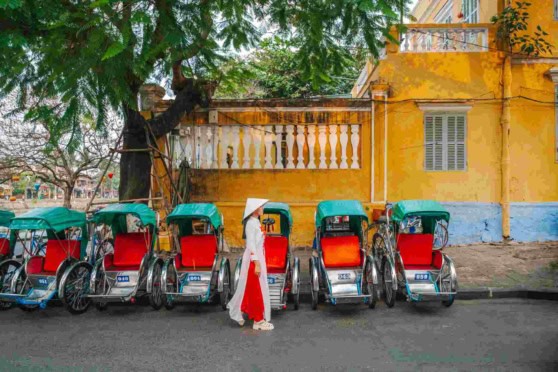
If you plan to move abroad with children or study abroad, you will naturally want to look into the quality of the education system.
Start by researching school availability, curricula, and the overall quality of teaching in the country.
Next, explore the different types of schools, such as public, private, international, or homeschooling, to determine which option best suits your family. Each has its own pros and cons, so taking the time to compare options will help you make the right choice.
If language barriers are a concern, international schools may be a good option. Many expats choose to enroll their children in these schools as they follow familiar curricula and teach in English or other widely spoken languages, which can help ease the transition for children.

If you or your children plan to continue your studies, it’s important to explore higher education opportunities. Research universities and vocational training programs to assess their reputations, course offerings, and global recognition.
Connecting with other expat families or online groups can also be helpful. They can share their experiences with the education system in your new country, offering insights into the challenges and benefits they’ve faced. You might also want to look into childcare availability and local support networks for parents.
By thoroughly investigating the education system, you can ensure your children receive a good education while living abroad and make an informed decision about their future.
Moving abroad with your family means planning for healthcare too. International health insurance ensures access to quality doctors, hospitals, and specialists wherever you live.
Understanding the local culture is essential when choosing where to live. Learning about daily life can help you find a country that aligns with your values and lifestyle, making it easier to adapt once you move to your new home.
Start by exploring your destination’s religion, food, and social customs. These factors will shape how you interact with people and influence your daily life.
For instance, enjoying local dishes and getting to know the traditions can help you connect with the community, making your experience of living abroad more fulfilling.

If you plan to work in your new country, understanding the local work culture, including how people balance work and life, can also help you succeed.
Even if you can’t visit the country before you move, you can still gain insights into daily life through podcasts, blogs, and social media accounts. This will help you prepare for your new life abroad.
A country’s national language is an important factor to consider when choosing where to live. Think about the primary language spoken and how comfortable you are with it.
For example, would you prefer to live in a country where everyone speaks English, or are you excited about the challenge of learning a new language?
This can greatly improve your ability to communicate and connect with others, making your transition smoother and more enjoyable.
Many people from the U.S., Canada, and the U.K. often feel more comfortable in countries where English is the main language.
However, it’s worth noting that many countries have large English-speaking communities, even if English isn’t the official language. This can provide a helpful support system as you adjust to your new home.
A country’s climate and seasons are crucial factors to consider when deciding where to live, as they will significantly impact your daily life and activities.
Choosing a location with a climate that matches your preferences and lifestyle is key to ensuring your comfort and happiness while living abroad.
For example, do you prefer warm beaches, cool winters, or a balance of both? If you enjoy outdoor activities and sunny weather, a mild climate might be ideal.

If you dislike the cold or rainy weather, you might want to avoid regions with long, harsh winters or frequent rainfall. On the other hand, if you love skiing, snowboarding, or cozying up by the fire, a colder climate might be more appealing.
As you review your options, it’s also wise to consider the risk of natural disasters such as earthquakes, landslides, or floods, as it’s best to avoid countries where these are common.
By carefully weighing these factors, you can find a location that aligns with your desired lifestyle and keeps you happy and healthy while living abroad.
Unless you’re moving abroad to retire, you’ll likely need to find a way to make an income. Finding a job that matches your skills and experience is essential for supporting yourself and building a fulfilling life in a new country.
Our guide to working abroad offers valuable insights into the job search process, networking strategies, and resources for finding work overseas. However, below are a few things to consider when searching for a job.
Whether you’re relocating for work or living as a digital nomad, international health insurance provides flexible coverage and access to care worldwide.
When considering a move, it’s important to evaluate your earning potential, buying power, career advancement opportunities, and how currency exchange rates may impact your finances.
Research average salaries in your field and compare these figures with your current income.
Here are some other key questions to consider:
Understanding these factors will help you make a well-informed decision about your move.
Different industries have unique requirements and opportunities for international work. For example, Germany and India are known for their engineering sectors and are great options for expats with an engineering background.
Similarly, Western Europe offers opportunities in digital marketing and technology, while Hong Kong has a range of jobs in finance and real estate.
Meanwhile, there are numerous job openings for medical professionals in Canada and the United States, often with higher salaries than in other countries.

Digital nomads, on the other hand, can work remotely from anywhere, offering immense freedom when choosing a country to live in.
However, it’s still important to make sure you’ll have access to everything you’ll need before you move. This includes ensuring the house or apartment complex you will be living in has a strong Wi-Fi connection and exploring local coworking spaces.
You might also want to buy international outlet adapters and transformers for all your devices so you can still use them while you travel. Many remote workers also carry extra portable chargers and battery packs.
It’s also a good idea to set up a virtual phone line and get an international cell phone plan so you can stay connected while traveling.
Nearly all countries require foreigners to apply for a work visa before they can start working. That said, it is easier to get one in some countries.
The process can vary, but you’ll typically need to provide documents such as a valid passport, a job offer letter, and proof of your qualifications. Some countries may also require medical examinations or background checks.
In recent years, many countries have introduced digital nomad visas that allow remote workers to live in the country while working for a foreign employer. However, the rules and requirements for these can vary widely, so it’s important to check them.
Understanding the application process and preparing your documents in advance can help you save time and reduce stress. It’s also good to keep up with any changes in immigration laws that might affect your application.
Our article on visas for living and traveling abroad breaks down visa options for popular expat destinations worldwide, helping you understand the types of visas you may need and how to prepare for your move.
One of the most common opportunities for native English speakers is teaching English abroad.
Meanwhile, countries with thriving tourism industries often have a high demand for healthcare jobs, particularly in nursing and healthcare administration. These include Canada, Australia, Germany, and the UK.
Additionally, many IT jobs, such as social media, marketing, design, and web development, can be performed freelance from anywhere in the world. This flexibility allows professionals to work in many places while engaging with global markets.
Once you’ve outlined your list of wants and needs and considered all the factors above, the next step is to research countries that meet your criteria and find your ideal destination.
But it’s also important to look at the bigger picture. What kind of lifestyle do you want? For instance, would you enjoy living in a bustling city with vibrant nightlife or prefer a quiet town surrounded by nature? Are you looking for a family-friendly community or one with a strong expat network?
Each country offers a unique lifestyle, so understanding what matters most to you will help narrow down your options.
If you need some inspiration, check out our article on the best countries to live in, which explores the top ten destinations for expats, including. You might also be surprised by some of the popular places where expats choose to settle.
Living abroad can be an exciting adventure, but it also has its pros and cons, which you should carefully consider before making the move.
One significant benefit of becoming an expat is that it broadens your worldview.
Experiencing different cultures can improve your understanding of the world. You will meet people from various backgrounds, which can help you become more open-minded and culturally aware.
Another advantage is the opportunity to learn new languages. While language apps and classes are helpful, living in a foreign country is one of the best ways to learn a language quickly. Using the language daily will help you become proficient faster.

Living abroad can also lead to new job possibilities and expand your professional network. You will gain valuable skills, such as adaptability and resilience, which employers highly value.
Additionally, stepping outside your comfort zone can be exciting and rewarding. Living in a new country allows you to discover more about yourself and build confidence through new experiences.
Depending on where they move from, many expats enjoy a better quality of life, including improved work-life balance, lower living costs, and better healthcare. However, there are also challenges to consider.
Adjusting to a new culture can be difficult, and you might experience culture shock. You may feel overwhelmed at first, but there are ways to cope with these feelings as you settle in.
Being away from family and friends can also lead to loneliness, so it’s important to find ways to connect with others and make new friends in your new home.
Managing your finances in a new country can be confusing, too. Understanding different currencies, banking systems, and living costs can be tricky, so it’s good to be aware of common financial mistakes before you move.
Finally, applying for visas can be stressful and complicated, depending on the country. To reduce this stress, stay organized, keep track of deadlines, and seek help from expat communities or experienced visa professionals.
As we’ve discussed, becoming an expat can be incredibly rewarding, and the key to your success lies in thorough research.
So, before leaving your old life behind, take the time to learn everything you can about the cost of living, job market, safety, cultural norms, and overall quality of life in your chosen destination.
The more informed you are, the better you’ll be equipped to navigate the challenges and seize the opportunities that await you in this thrilling adventure.
With the right preparation and a positive mindset, you’ll be ready to embrace the unique experiences and unforgettable memories that life abroad has to offer.