International Health Insurance
Gain valuable insights and practical tips for navigating international health insurance while living abroad. From coverage details to expert advice, this comprehensive guide helps travelers…

International medical cover for expats and their families.
Medical and trip cancellation coverage for international travel.
Life insurance for globally mobile individuals living or working abroad.
Comprehensive international medical coverage for groups.
Medical, accident, and liability protection for global travel.
Financial protection for employees worldwide.
Most Popular Country Guides
Healthcare, insurance, and living insights to plan life and travel in each destination.
Healthcare, safety, and practical guidance for living abroad.
Tips and guidance for safer, smarter international travel.
Resources for global mobility, HR, and international teams.
Learn how to vote while living abroad with this step-by-step guide for U.S. expats. Find out how to register, request your absentee ballot, and ensure your vote counts in federal and state elections.
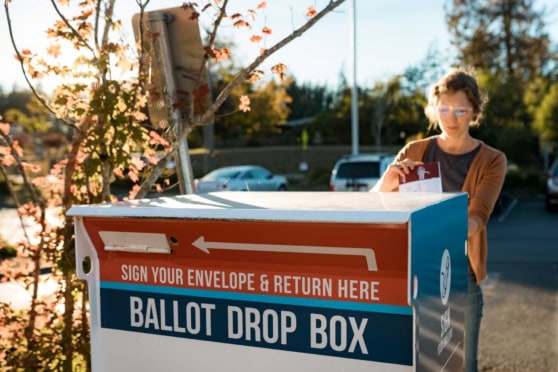
If you are a U.S. citizen living overseas, you can still vote in U.S. elections. It doesn’t matter whether you moved abroad for work, retirement, study, or travel. Your right to vote moves with you. Yet millions of eligible Americans living outside the United States do not participate in federal elections. In most cases, the reason is not a lack of interest. It is confusion – about eligibility, deadlines, paperwork, or where to begin.
Voting from abroad is not complicated once you understand the process. To help make it easier, this guide explains how to vote while living abroad, including what elections you are eligible to participate in, how to register and request your ballot, what to do if problems arise, and where to find trusted, nonpartisan help.
Yes. Under federal law, U.S. citizens living outside the country have the right to vote absentee in federal elections. That right is protected by the Uniformed and Overseas Citizens Absentee Voting Act (UOCAVA).
UOCAVA guarantees eligible overseas citizens the right to vote in federal elections for:
In addition, depending on the rules in your state, you may also be eligible to vote in:
Each state administers its own elections, so rules for state and local ballots vary. But your right to vote in federal elections is protected nationwide.
Living abroad does not sever your connection to the United States. As a U.S. citizen overseas, you still:
Decisions made by elected officials in Washington affect Americans everywhere, including those living overseas.
Federal elections determine who writes federal laws, approves budgets, confirms key appointments, and exercises oversight authority.
Members of Congress are central to maintaining the constitutional system of checks and balances, the structure designed to prevent any one branch of government from concentrating too much power. Those structural responsibilities do not stop at the water’s edge.
That said, participation among overseas voters remains low. Federal data from the 2022 midterm elections estimated:
More than 10% requested ballots, but far fewer completed and returned them.
In closely contested elections, even relatively small numbers of ballots can matter. Overseas voters can make a difference, particularly in federal races decided by narrow margins.
Voting is not legally mandatory, but it remains one of the most direct ways citizens shape the direction of their government and remain connected to democratic institutions.

No. One of the most common misunderstandings about overseas voting is the belief that you must own property or maintain a current U.S. residence.
You do not need to:
To vote from abroad, you use your last U.S. residential address before moving overseas. That address determines your voting state and local jurisdiction.
Your ballot will be sent to your overseas mailing address. Even if you have lived abroad for many years, you retain your right to vote in federal elections.
The absentee voting process is structured and consistent across states, even though specific deadlines vary.
The process applies to civilian overseas voters as well as eligible military voters:
To vote from overseas, you must complete the Federal Post Card Application (FPCA).
The FPCA allows you to:
When completing the FPCA, you will provide:
Many overseas voters submit a new FPCA each calendar year to ensure they receive ballots for all elections held that year.
Starting early gives your state election office time to process your request.
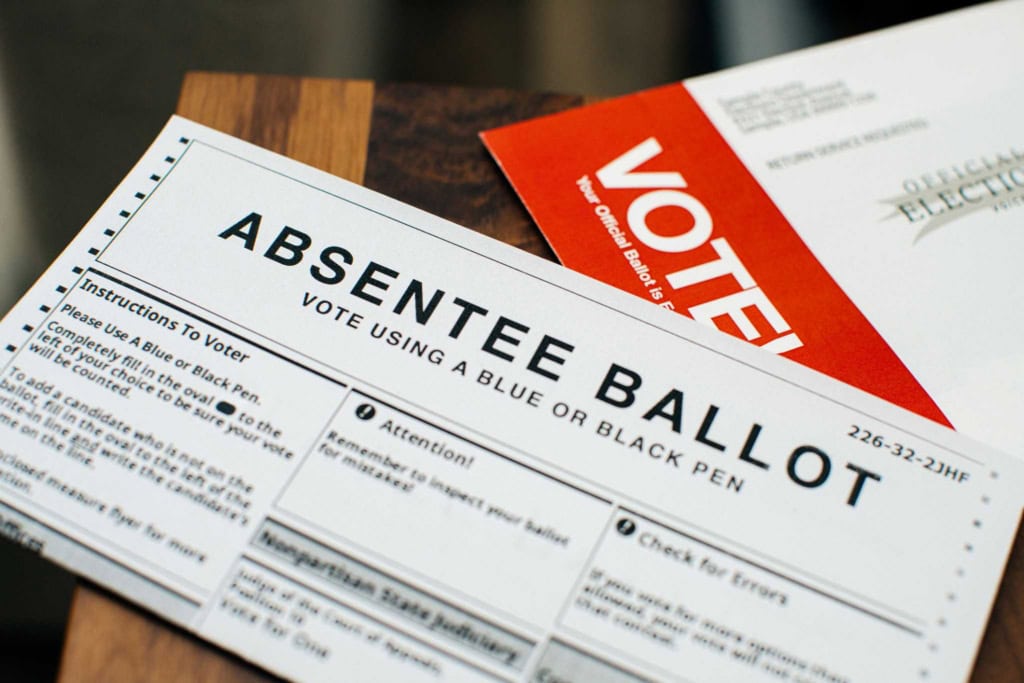
Once your request is approved, your state election office will send your ballot.
Ballots are typically delivered:
Many states allow electronic ballot delivery but require you to print, complete, and physically return your ballot.
Be sure to read your state’s instructions carefully, as deadlines and return methods vary.
After marking your ballot, return it according to your state’s instructions.
Important points to remember:
International mail can take time, so early submission reduces risk.

There are two widely used and reputable ways to complete the FPCA and request your absentee ballot.
Both options ultimately connect you with your state election office, which issues and counts ballots:
The Federal Voting Assistance Program (FVAP) is the official U.S. government resource for overseas and military voters.
The FVAP is:
FVAP does not run elections or count votes. It provides guidance and tools to help you interact with your state election office.

The U.S. Vote Foundation and its affiliated Overseas Vote Foundation are nonprofit, nonpartisan organizations that assist voters worldwide.
These organizations:
If you prefer a nonprofit interface with guided assistance, these sites may be helpful.
The U.S. Constitution gives states authority over election administration. At the same time, federal law protects the right of overseas citizens to vote in federal elections.
As a result:
Some states provide overseas voters with a full ballot that includes state and local races. Others may issue a federal-only ballot, depending on your status.
If you are unsure of your eligibility to vote in state elections, focus first on ensuring you are registered to vote in federal elections. That right is protected everywhere.
If you requested a ballot but do not receive it in time, you may use a Federal Write-In Absentee Ballot (FWAB) as a backup option.
The FWAB is available through both FVAP and the U.S. Vote Foundation. This safeguard helps ensure that overseas voters are not excluded due to mailing delays or administrative issues.
“I cannot vote because I do not own property in the United States.”
You do not need to own property to vote.
“I have lived abroad too long to vote.”
The length of time you have been abroad does not eliminate your federal voting rights.
“I must have voted before.”
You can register and vote as a first-time voter.
“I can choose which state to vote in.”
You must vote in the state where you last established residence before moving abroad.
“Voting will trigger state tax liability.”
Voting in federal elections alone cannot be used to establish state tax residency.
“Overseas ballots are not counted.”
All valid ballots received by the deadline must be counted under state and federal law.
Apply as early as possible each calendar year.
Election calendars vary by state. Starting early:
Even if Election Day feels distant, international timelines can be unpredictable.
For reliable, up-to-date information, use one of these trusted, nonpartisan resources:
These sites provide state-specific deadlines, eligibility guidance, and step-by-step assistance.
As an American living overseas, you remain part of the civic community of the United States.
Federal elections determine the full membership of the House of Representatives and one-third of the Senate in midterm years.
These institutions exercise legislative authority and oversight responsibilities within the constitutional system of checks and balances.
Participation is a choice, but the right to vote is one of the clearest ways citizens remain connected to the institutions that represent them.
Taking time to register to vote and request your ballot ensures your voice is included – wherever in the world you live.
Voting from abroad is protected by law, supported by trusted resources, and entirely possible with a bit of planning.

About the Author: Kathryn Sikkink is an international relations specialist best known for her work on human rights, social movements, democracy, and voting. She is an award-winning author and, in her book The Hidden Face of Rights: Toward a Politics of Responsibility, argues that human rights cannot be fully realized without also recognizing human responsibilities, such as climate change, voting, digital privacy, and campus sexual assault.