International Health Insurance
Gain valuable insights and practical tips for navigating international health insurance while living abroad. From coverage details to expert advice, this comprehensive guide helps travelers…

International medical cover for expats and their families.
Medical and trip cancellation coverage for international travel.
Life insurance for globally mobile individuals living or working abroad.
Comprehensive international medical coverage for groups.
Medical, accident, and liability protection for global travel.
Financial protection for employees worldwide.
Most Popular Country Guides
Healthcare, insurance, and living insights to plan life and travel in each destination.
Healthcare, safety, and practical guidance for living abroad.
Tips and guidance for safer, smarter international travel.
Resources for global mobility, HR, and international teams.
Discover the best places to retire in the U.S. and compare healthcare, safety, cost of living, housing, climate, and senior-friendly amenities to find your ideal retirement destination.

The United States offers an incredibly diverse range of retirement options, from sunny coastal cities and warm desert communities to charming small towns and bustling cultural hubs. Whether you prioritize top-tier healthcare, abundant nature, or lower living costs, there’s a place to match your lifestyle and budget.
If you’re looking to spend your golden years there, this article highlights some of the best places to retire in the U.S., based on what matters most to retirees, including healthcare, affordability, safety, climate, and overall quality of life.
The United States remains a top destination for those looking to retire abroad. This is largely owing to its high-quality healthcare, modern infrastructure, and diverse lifestyle options.
At the same time, these advantages often come with higher living costs and a more complex retirement setup, which may not suit every retiree equally.
The U.S. healthcare system ranks 15th globally and includes some of the world’s leading hospitals, medical centers, and research institutions. This includes the famous Mayo Clinic and the Cleveland Clinic.
While this level of care is a major advantage, it also comes with higher costs. As a result, adequate health insurance is an essential consideration for retirees looking to settle in the U.S.

Programs like Medicare help cover healthcare costs, though many retirees also purchase supplemental health insurance to reduce out-of-pocket expenses.
Retirees in the U.S. typically need to plan more actively for insurance coverage and ongoing medical expenses than in many other countries where healthcare is more universally covered.
The United States also offers strong regional diversity. You can enjoy warm weather year-round in southern states like Florida and Arizona, four-season living in places like North Carolina and Colorado, or coastal lifestyles in California and South Carolina.
This flexibility is a key benefit. That said, it also means that the cost of living, taxes, and access to services can vary significantly depending on the region you choose.
The United States ranks relatively low (128th) on the 2025 Global Peace Index compared to many developed countries. However, many cities and suburban areas are considered safe and highly livable.
Safety can vary widely across regions, so selecting the right city or neighborhood is essential.
The cost of living in the United States is generally high, especially in major metropolitan areas. That said, many retirement-friendly locations and smaller cities offer more affordable housing and everyday expenses.
Retirees often need to balance lower-cost areas with potential trade-offs. This might include fewer amenities, limited public transportation, or reduced access to top-tier healthcare providers.
Overall, retiring in the United States can offer an excellent quality of life for those who prioritize access to healthcare, a diverse lifestyle, and robust infrastructure. However, they need to plan carefully to manage higher costs, insurance needs, and regional differences.

Planning to retire in the United States? Speak with an insurance expert to find coverage that aligns with your retirement plans, budget, and long-term needs, so you can fully enjoy your golden years.
Priorities vary widely when choosing where to retire in the U.S., including affordability, climate, healthcare access, and lifestyle preferences.
Below are some of the best places to retire in the U.S., along with what makes each destination especially appealing to retirees.
Sarasota is widely regarded as one of the best places to retire in the U.S. for those seeking a coastal lifestyle, strong healthcare access, and numerous cultural amenities.
It ranks 4th on U.S. News & World Report’s 2026 list of the ‘Best Places to Retire.’ This evaluates 850 U.S. cities based on factors such as quality of life, overall value, tax rates, senior population, and healthcare quality.
The city is home to Sarasota Memorial Hospital and numerous specialty providers, giving retirees access to a well-established healthcare network.
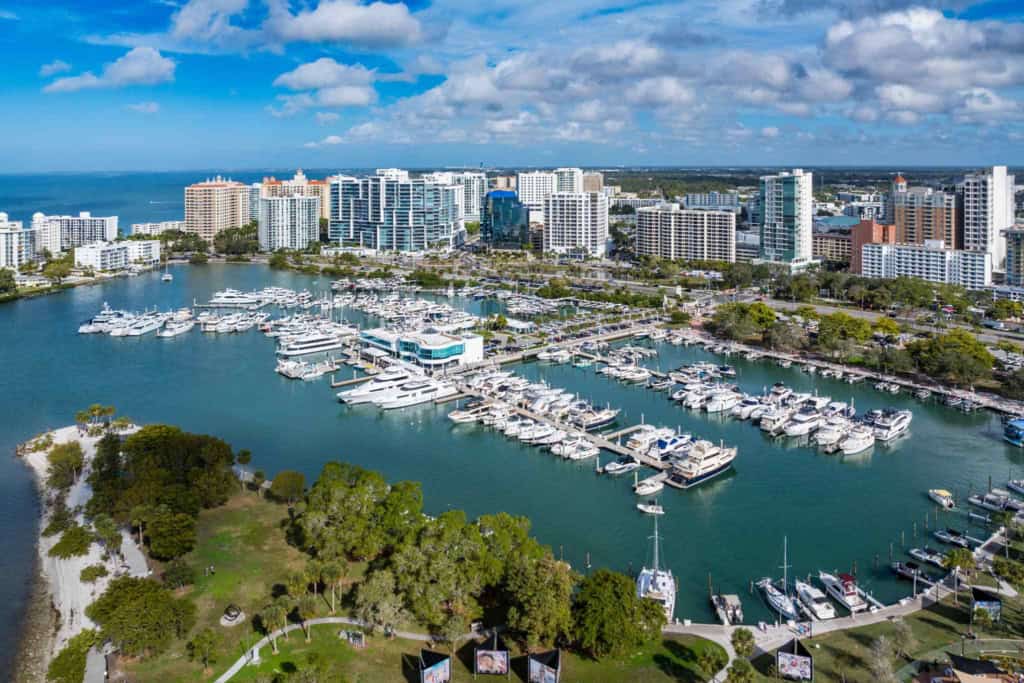
Sarasota is known for its combination of white-sand beaches, performing arts venues, and outdoor recreation. Siesta Key Beach and the Ringling Museum of Art are particularly popular among residents.
The warm, subtropical climate supports year-round activities such as golfing, boating, fishing, and walking along the coast.
Retirees can choose from a variety of housing options, including waterfront condos, single-family homes, and retirement communities.
While Sarasota is not among the lowest cost-of-living states, many retirees find the lifestyle benefits justify the higher price point.
Scottsdale is a popular choice among the best places for retirement, especially for those who value a warm climate and outdoor living.
With over 300 days of sunshine annually, the city is ideal for retirees who enjoy golf, hiking, and desert landscapes. Old Town Scottsdale serves as a central hub for dining, galleries, and entertainment.
Residents benefit from access to leading healthcare providers, including the Mayo Clinic. They can also take advantage of a strong network of hospitals, specialty clinics, and medical services in the surrounding area.
Scottsdale is known for its high quality of life, with well-maintained communities and a wide range of amenities. This includes upscale dining, shopping, and recreational opportunities.
Scottsdale is not considered one of the most affordable cities in the U.S., with housing and everyday expenses above the national average. However, it remains an attractive option for those with a higher budget.
Chapel Hill is widely regarded as one of the best places to retire in America. This is particularly true for those who prioritize access to quality healthcare, a balanced lifestyle, and a welcoming community environment.
Located in the Research Triangle, it provides proximity to leading medical systems. This includes UNC Health and Duke Health, two of the most highly ranked healthcare systems in the southeastern United States.
The town has a vibrant yet relaxed atmosphere. This is shaped in part by the presence of the University of North Carolina, which contributes to cultural events, educational opportunities, and a lively local scene.
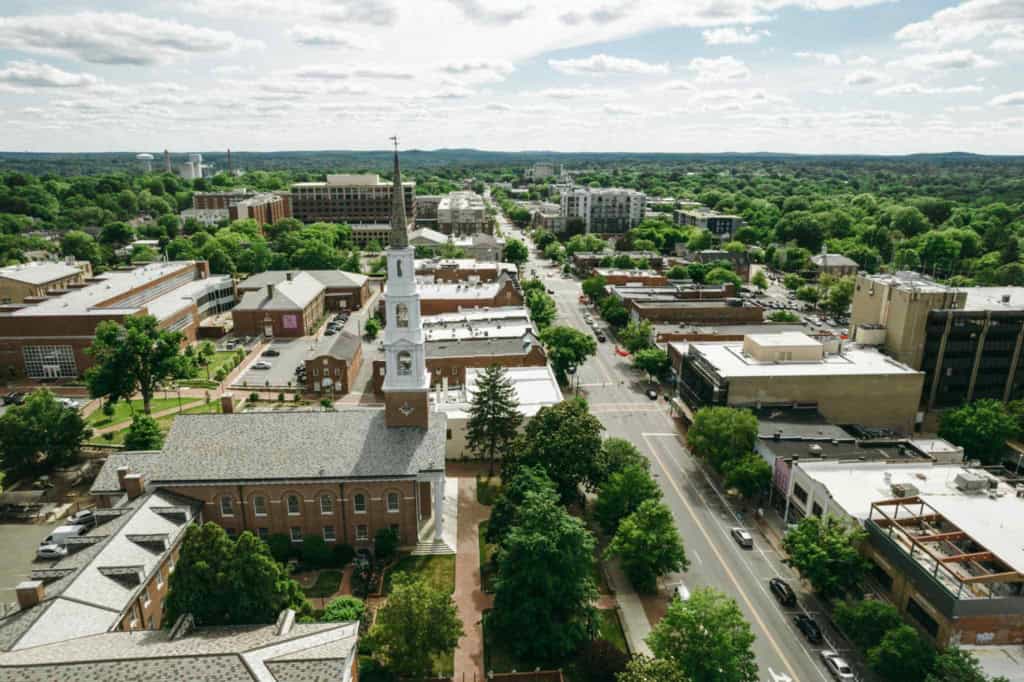
Downtown Chapel Hill is highly walkable and features a mix of restaurants, cafes, shops, and green spaces. Retirees can enjoy these year-round thanks to a mild four-season climate.
They also benefit from access to nearby cities like Raleigh and Durham for additional amenities, shopping, and travel options, while still enjoying a quieter, small-town environment.
The area offers a range of housing options and a well-rounded lifestyle that combines healthcare access, community, and livability. This makes it a strong contender among the best places to retire.
Austin is often regarded as one of the best places to retire in the United States. It offers an active, urban lifestyle with financial advantages.
Texas has no state income tax, meaning retirement income is not taxed at the state level. However, overall costs have risen in recent years, particularly in housing.
The city offers strong healthcare access through facilities like St. David’s Medical Center, as well as other hospitals and specialty providers across the metro area.
Austin is well known for its music, food, and festivals, including events like SXSW (South by Southwest). Outdoor recreation is also a major draw. Destinations such as Lady Bird Lake and the nearby Hill Country offer walking trails, water activities, and scenic landscapes.
It has a warm climate with hot summers and mild winters, which may appeal to retirees who prefer year-round warmth. However, rapid growth has driven up housing prices, making affordability an important consideration.
While Austin is not among the lowest cost-of-living states, it appeals to retirees who want to balance lifestyle, healthcare access, and tax advantages.
Boise is increasingly recognized as one of the most affordable cities in the U.S. compared to many western metro areas.
The city has a reputation for being clean, safe, and community-oriented. Residents can also access high-quality healthcare through St. Luke’s Health System and other regional providers.
Boise offers a variety of outdoor activities, including hiking, skiing, and river recreation. A key feature is the Boise River Greenbelt, a network of parks and pathways that runs through the city.

Its manageable size, slower pace, and overall ease of navigation make it especially appealing to retirees wanting a more relaxed, convenient lifestyle.
While Idaho is not among the lowest-cost-of-living states overall, Boise offers a comparatively moderate cost of living, especially compared to coastal cities.
Outdoor enthusiasts will appreciate the nearby mountains, rivers, and parks. Meanwhile, the city itself remains clean, walkable, and well-suited to an active lifestyle.
Naples is considered a premium retirement destination, particularly for those seeking a high-end coastal lifestyle with strong amenities and access to healthcare.
The area is served by facilities such as NCH Baker Hospital and a network of medical providers and specialists throughout the region.
Naples is also known for its low crime rates and well-maintained communities. It features many quiet, upscale neighborhoods, including gated developments and active-adult communities designed for retirees.
According to CrimeGrade.org, Naples ranks in the 97th percentile for safety and receives an A+ crime grade. This indicates crime rates well below the U.S. average.
The warm, subtropical climate supports year-round outdoor living, with opportunities for boating, golfing, beach outings, and community events.
Popular destinations such as Fifth Avenue South and the Naples Pier offer dining, shopping, and scenic waterfront views.
While Naples is not among the most affordable cities in the U.S., it continues to attract retirees who prioritize comfort, safety, healthcare access, and a high-quality coastal lifestyle.
Pittsburgh stands out as one of the more affordable major metro areas in the U.S., making it appealing to retirees who want value without sacrificing access to healthcare and amenities.
Housing costs are well below the U.S. average, with options ranging from historic homes to modern condos and retirement-friendly communities.
Neighborhoods such as Shadyside and Squirrel Hill are particularly popular for their walkability and residential appeal.
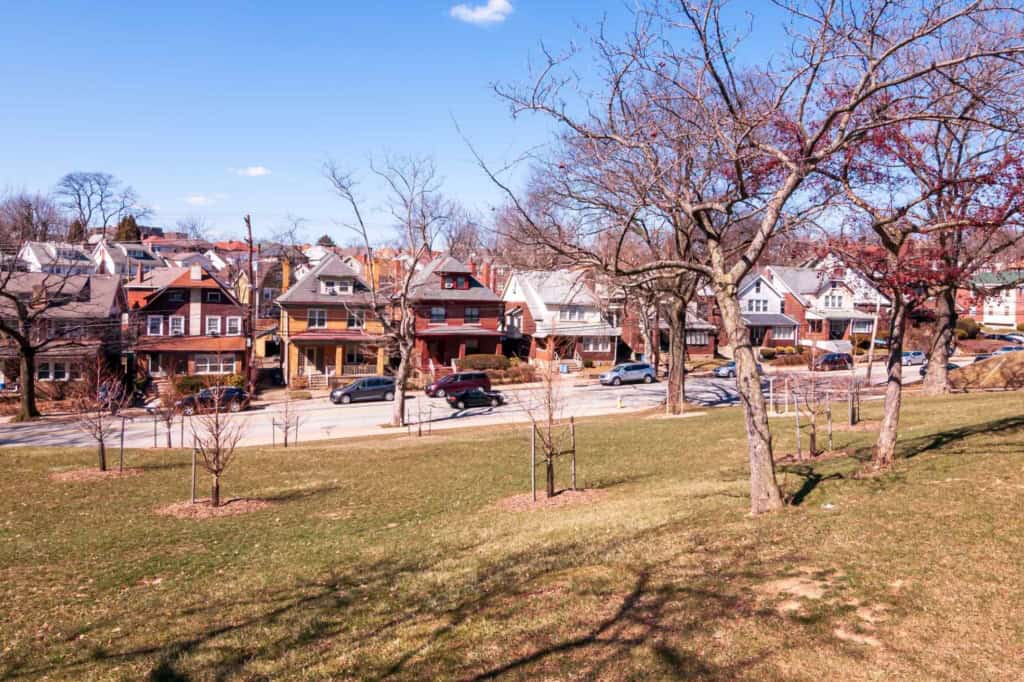
The city is home to the University of Pittsburgh Medical Center (UPMC). This nationally recognized healthcare system provides access to hospitals, specialists, and advanced treatments.
It also offers a rich cultural scene, with museums, theaters, sports venues, and riverfront parks providing a wide range of activities.
While Pennsylvania taxes retirement income in some cases, Pittsburgh’s overall affordability and healthcare access make it a practical choice for those looking to balance cost and urban living.
Charleston is a popular choice for retirees who are drawn to coastal living, historic charm, and a slower, more relaxed pace of life.
Healthcare is available through providers such as MUSC Health. This offers a wide range of services, specialists, and hospital care throughout the region.
Charleston is known for its preserved architecture, walkable historic districts, and scenic waterfront areas. Landmarks such as Rainbow Row and the Historic District highlight its unique cultural identity.
Retirees can enjoy nearby beaches, boating, fishing, and a variety of dining and cultural experiences. The mild climate also supports year-round outdoor activities, although summers are warm and humid.
Despite rising demand and increased housing costs in recent years, Charleston continues to attract retirees who value coastal access, culture, and a strong sense of community.
Denver is often considered one of the best places to retire in the U.S. for those who want a mix of urban living and access to outdoor recreation.
The city is supported by a strong healthcare infrastructure. This includes UCHealth University of Colorado Hospital, which provides a wide range of medical services and specialties.
Its location near the Rocky Mountains offers easy access to hiking, skiing, and scenic drives. Meanwhile, areas like Union Station and downtown serve as hubs for dining, transit, and social activity.

Denver also features a sunny, semi-arid climate with four distinct seasons and relatively low humidity, which many retirees find comfortable year-round.
The cost of living is above the national average, particularly for housing. Despite this, it remains an attractive option for those who prioritize lifestyle, healthcare access, and outdoor recreation.
Madison is frequently recognized as one of the best places to retire in the U.S. for those seeking a balance of affordability, healthcare access, and quality of life in a mid-sized city.
The city is home to UW Health, a reputable healthcare system that includes hospitals, specialty clinics, and a broad range of medical services available across the area.
Its setting between Lake Mendota and Lake Monona provides scenic views, waterfront paths, and opportunities for walking, biking, and outdoor recreation.
Downtown Madison features restaurants, shops, farmers’ markets, and cultural events, creating an active yet manageable environment for retirees.
Winters can be cold and snowy, which is something to keep in mind. That said, Madison is well-equipped for seasonal living and maintains a strong sense of community year-round.
Finding the ideal place to retire in the United States depends on your lifestyle, financial priorities, and preferred environment. Start by considering the type of location that suits you best.
While some retirees prefer warm, tax-friendly states like Florida or Texas, others are drawn to coastal cities like Sarasota and Naples, or to affordable inland cities such as Pittsburgh, Madison, or Boise.
Healthcare access is another important factor. The United States has world-class medical systems, but quality and availability can vary by region. Being near well-established hospitals and specialists can make a meaningful difference.
The cost of living also varies widely across the country. Housing, property taxes, and everyday expenses can be significantly lower in smaller cities and certain states compared to major metropolitan areas like New York or Los Angeles.
Climate is another key consideration, ranging from year-round warmth in southern states to four-season living in the Northeast and Midwest. Choosing a climate that matches your comfort level can greatly affect your day-to-day lifestyle.
In addition, factors such as local taxes, safety, transportation options, and access to amenities can all influence your overall quality of life. These should be weighed alongside cost and healthcare when making a decision.
Ultimately, choosing where to retire in the U.S. comes down to finding a location that fits your personal priorities and supports the lifestyle you want to enjoy in your golden years.