
International Health Insurance
Gain valuable insights and practical tips for navigating international health insurance while living abroad. From coverage details to expert advice, this comprehensive guide helps travelers…

International medical cover for expats and their families.
Medical and trip cancellation coverage for international travel.
Life insurance for globally mobile individuals living or working abroad.
Comprehensive international medical coverage for groups.
Medical, accident, and liability protection for global travel.
Financial protection for employees worldwide.
Most Popular Country Guides
Healthcare, insurance, and living insights to plan life and travel in each destination.
Healthcare, safety, and practical guidance for living abroad.
Tips and guidance for safer, smarter international travel.
Resources for global mobility, HR, and international teams.
Discover the best travel insurance for Turkey for medical emergencies, trip cancellations, and more, as well as travel tips for a safe trip.
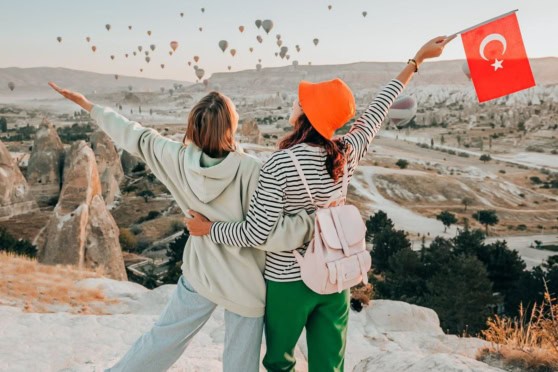
For many visitors, Turkey represents the best of all worlds: a culture steeped in a rich Middle Eastern culture in a European country.
While Constantinople is no more, it once oversaw a mighty empire. Whether your travels take you to cosmopolitan Istanbul or out into the countryside, you are guaranteed a visit to a place filled with both rich history and a vibrant, thriving present.
Before you go, let’s ensure you have all the necessary information to protect your health and safety so that you can make the most of your time in this fascinating and beautiful country. We will start with advice on safety and travel insurance for visitors to Turkey.

While Turkey is not yet a member of the EU (Turkey applied to join the EU in 1987, but negotiations have stalled), many EU citizens need only a National ID and not a passport to enter. Recently, Turkey has faced a significant amount of political instability, climaxing in a 2016 failed coup attempt.
Although this has subsided, it led to a heavy-handed government response and a low tolerance for demonstrations. Visitors to Turkey are advised to avoid both protests and any situations that may be politically sensitive.
Whether a gathering or action is government-sanctioned or organized in protest of the government, it’s a good idea to steer clear in case there is violence.
Like the rest of Europe, terrorism has become a larger threat in Turkey. The United States has issued specific warnings against travelers visiting the southeastern portion of Turkey that borders Syria because of the heightened threat of terrorism. You can find out the latest from the United States State Department here.
There is also a specific aviation warning targeting Turkey. One way to minimize this danger is to try to book direct flights. Additional precautions are advisable to reduce the risk of terrorism, including avoiding large crowds and tourist hotspots.
Like all large cities, traveling in Turkey will put you at risk of theft and pickpockets. Familiarize yourself with common-sense practices, such as keeping electronics out of sight, using a money belt, and leaving valuables at home or in the hotel to ensure you do not become a victim.
Malaria is present in the southeastern area of Turkey, and if you are traveling there, then you will need to take prophylactic medications to avoid catching malaria.
Many women have safe and enjoyable visits to Turkey. Still, for visitors from Western countries with no experience visiting a Muslim country, it is best to familiarize yourself with some cultural etiquette and common-sense precautions to ensure a pleasant stay.
These days, many travelers prioritize comfort over appearance when choosing what to bring. At the same time, it’s fine to opt for comfortable options; it’s also a good idea to choose more conservative clothes, such as skirts and pants that are not above the knee, long-sleeve shirts, and items that keep the shoulders covered and have a higher neckline. While temperatures can become warm, choosing the right fabrics, such as light synthetics, linens, and cotton, will help keep your skin protected from both the sun and the heat.
Use this as an opportunity to invest in a beautiful scarf you love. When visiting a mosque, you’ll need to cover your head, knees, and shoulders. Follow the above tip, and the last two will be taken care of automatically. There’s no reason for women to wear a headscarf outside of a mosque, should they prefer not to, but it is both required and a sign of respect to the place you’re visiting. All visitors to mosques must also remove their shoes. If you plan to see several in a day, choose shoes that are easy to take on and off.
As any woman traveler knows, some basic safety precautions are always a good idea: staying familiar with the area, keeping to well-lit and well-populated areas, and when you do find yourself unsure or lost, walk with confidence as if you belong, until you find someone who looks like the right person to ask.
The universal European emergency number, 112, is available in Turkey for all emergencies. Additional emergency numbers for specific purposes are listed below.
All embassies are located in Ankara, Turkey; however, since many visitors are based in Istanbul, we have included the phone numbers for the respective country consulates above. If you need to reach the Ankara Embassy, the contact information is readily available from either the Istanbul consulate or online.
Turkey offers universal healthcare to its residents through a program called Genel Sağlık Sigortası. If you are registered with the Social Security Institution (SGK), you receive healthcare from SGK hospitals and facilities free of charge.
You are eligible for this healthcare if you have been a resident of Turkey for at least one year and have been contributing to the socialized system.
That being said, for many residents from other European countries, the UK, Australia, and the US, Turkey’s socialized healthcare system does not meet the same standards to which they are accustomed. Many internationals living in consider an expatriate insurance plan.
On the other hand, Turkey has a thriving private healthcare system, which is relatively affordable to pay for out of pocket in comparison to the medical costs of many people’s home countries.
In fact, Turkey’s private healthcare system has recently seen significant strides; the country has been establishing a reputation for itself in the medical tourism industry, attracting people to travel to Turkey to seek quality and affordable medical care.
However, for many permanent residents, Turkey requires that health insurance in Turkey be purchased to maintain residency.
Until recently, all expats were required to purchase permanent healthcare to live in Turkey permanently. This was regardless of whether it made financial sense, as many expats would exclusively use private healthcare and preferred to pay out of pocket, and would likely want to avoid the bureaucracy of purchasing an unused insurance policy through the Turkish government.
There has been a significant recent change to Turkish healthcare that is of particular note to expats retiring to Turkey, however. As of 2014, Turkey no longer requires those over 65 who wish to have permanent residence in Turkey to purchase government healthcare.
Some still opt to buy into SGK even though they are no longer mandated. Regardless of your age, if you are taking up private residence in Turkey, it is a good idea to compare the options of private insurance with those offered by SGK and weigh them against your healthcare needs to make the decision that is best for you.

Travelers to Turkey should be aware of two main food and water-related illnesses: Hepatitis A and Typhoid. Both can be contracted through exposure to contaminated food or drinking water. While the Hepatitis A vaccine is widely available today, many adults did not receive it as children, so it is essential to confirm you have completed the full vaccine series before traveling. A Typhoid vaccine is also recommended, especially if you plan to explore local cuisine, stay with families, or visit rural areas.
Hepatitis B spreads through sexual contact, contaminated needles, and blood exposure. Travelers who plan to get a tattoo or piercing, or whose activities could expose them to bodily fluids, should strongly consider vaccination.
Rabies is present in mammals throughout Turkey, particularly bats and dogs. The rabies vaccine is recommended for travelers who expect regular outdoor exposure, individuals moving to Turkey, people working with animals, and children, who may not recognize or report bites or scratches.
Pharmacies are easily accessible in cities and towns across Turkey. Travelers should bring an adequate supply of essential medications along with photocopies of prescriptions. One benefit for visitors is that many prescription drugs are affordable and available over the counter.
There is an ongoing debate about the safety of tap water in Turkey, as conditions vary by region. Rural areas may rely on inconsistent sound systems. Cities often have filtration systems, but older building pipes may contaminate water before it reaches the tap.
Most visitors opt for bottled water, which is readily available and reasonably priced. Whether you also want to use bottled water for brushing teeth or cooking is a personal preference.

Travelers differ in how strictly they avoid tap water. Some choose to avoid ice cubes, use boiled water for food preparation, or skip raw fruits and vegetables unless they are peeled or thoroughly washed. Others introduce local water and foods gradually.
A helpful approach is to ease in slowly and treat each region of Turkey as a separate adjustment period for your digestive system.
If you want to enjoy fresh fruits, vegetables, and beverages with ice, keeping your Typhoid vaccine up to date is a wise precaution. For most healthy travelers, the most likely issue is a temporary stomach upset.
Turkey is renowned for its flavorful dishes and exceptionally fresh produce. The fruits, vegetables, and dried products are among the best in the world. Enjoy the food, explore new flavors, and consider learning a traditional recipe so you can bring a taste of Turkey home with you.