
International Health Insurance
Gain valuable insights and practical tips for navigating international health insurance while living abroad. From coverage details to expert advice, this comprehensive guide helps travelers…

International medical cover for expats and their families.
Medical and trip cancellation coverage for international travel.
Life insurance for globally mobile individuals living or working abroad.
Comprehensive international medical coverage for groups.
Medical, accident, and liability protection for global travel.
Financial protection for employees worldwide.
Most Popular Country Guides
Healthcare, insurance, and living insights to plan life and travel in each destination.
Healthcare, safety, and practical guidance for living abroad.
Tips and guidance for safer, smarter international travel.
Resources for global mobility, HR, and international teams.
Looking to retire in Thailand? Find everything you need to know, from visa and healthcare options to tax laws, living costs, and more.
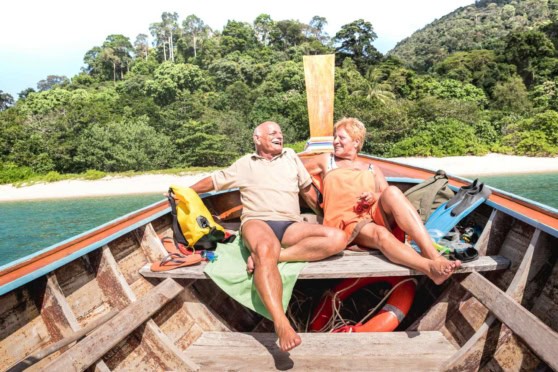
Thailand has become a top destination for retirees seeking an exciting yet comfortable lifestyle. With its affordable cost of living, vibrant culture, delicious cuisine, tropical climate, and high-quality healthcare, the Southeast Asian country offers a perfect balance of adventure and convenience.
But how exactly do you retire in Thailand? This article outlines everything you need to know, from visa options and healthcare to living costs and tax laws, so you can plan your golden years with ease.

Get free quotes for international health insurance plans that give retirees access to private hospitals, specialists, and care both in Thailand and worldwide.
Because of the many advantages Thailand offers, many expats choose to retire there.
However, while it can be a dream for many, it’s important to weigh up the advantages and disadvantages of retiring there before making the move.
There are numerous benefits to retiring in Thailand. Because of this, the country has become one of the world’s top retirement destinations.
Here’s why so many retirees are choosing to spend their golden years in the Land of Smiles.
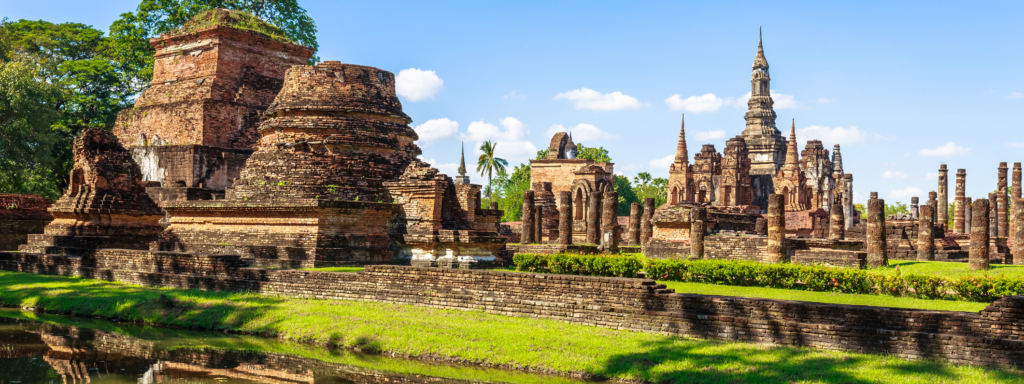
Thailand’s weather is warm and sunny year-round, making outdoor living easy and enjoyable.
In Chiang Mai, the cooler northern highlands offer comfortable temperatures between 70–85°F, while Phuket and Koh Samui enjoy tropical beach weather, with highs around 88–90°F.
Even during the rainy season (May to October), brief afternoon showers keep the landscape lush without disrupting daily life.
The cost of living in Thailand is much cheaper than in Western countries, allowing retirees to stretch their savings.
For example, a one-bedroom apartment in central Bangkok can cost USD 450 to USD 950 per month, while similar accommodations in Chiang Mai often run USD 300 to USD 700.
Local meals at street markets average USD 1 to USD 3, while a restaurant meal may cost under USD 7.
Overall, living in Bangkok is about 57% cheaper than New York, and even beach towns like Phuket or Koh Samui remain affordable compared with Western cities.
Thais are generally warm and welcoming, and many areas have well-established expat networks.
In Chiang Mai, communities like Nimmanhaemin Road and Santitham offer social clubs, cafes, and events catering to foreigners.
Resort areas such as Hua Hin and Koh Samui have active expat groups, with activities ranging from yoga classes and volunteer opportunities to local festivals, making it easy for newcomers to integrate.
There are plenty of places to retire in Thailand, allowing expats to choose the lifestyle they prefer.
Bangkok offers big-city vibes and high-octane urbanity with bustling nightlife in areas like Thonglor, Silom, and Sukhumvit Soi 11.
For a more low-key option, Chiang Mai is a creative hub where hundreds of digital nomads enjoy mountain scenery, wellness retreats, and café workspaces.
Meanwhile, coastal living can be found in the upscale, resort-style areas of Phuket and the relaxed, community-oriented town of Hua Hin.
Thailand offers a world-class healthcare system, which ranks 83rd on the 2025 CEOWORLD Health Care Index.
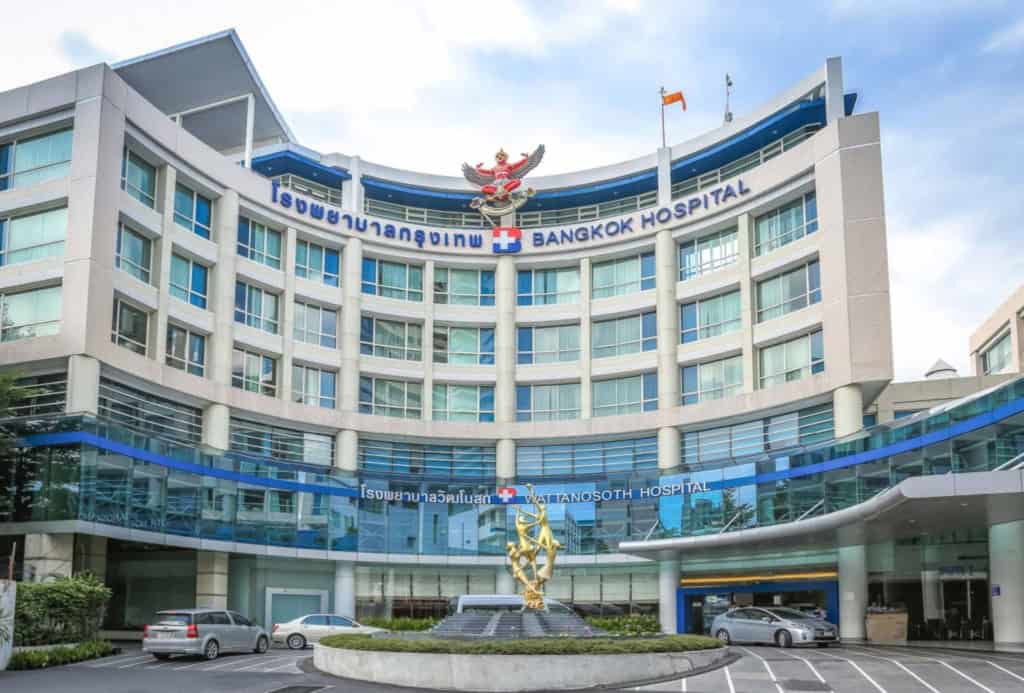
The country is home to more than 60 accredited hospitals, including private facilities like Bangkok’s Bumrungrad International and Bangkok Hospital, which expats frequent for their cutting-edge technology, modern facilities, and English-speaking staff.
Prices are also significantly lower – up to 70% in many cases – than in Western countries like the United States.
The combination of affordability and top-tier facilities also made Thailand a popular destination for medical tourism.
Many expats choose to retire in Thailand to enjoy its affordability and the generally high quality of life. The country ranks 86th in the 2025 Global Peace Index, with a stable, lower-crime environment.
That said, scams and petty theft do occur, so it’s important to stay vigilant, safeguard your belongings, and be cautious in unfamiliar areas.
There’s also great infrastructure well-suited to retirees in Thailand, from modern condos and high-speed internet to good public transport with capped fares, and an increasing focus on sustainability.
As with any country, there are also challenges to retiring in Thailand. For expats, this includes obtaining a Thai retirement visa, but there may be other issues as well.
Here are a few disadvantages of living here to consider.
The requirements to retire in Thailand can be challenging to navigate. For example, there are strict proof-of-financial-resources and income rules, which can require a deposit of around USD 26,000 in a Thai bank account for several months.
Be aware that extensive paperwork is often required for visa applications, and rules can change frequently.
Additionally, visa holders have to make in-person appearances at immigration offices every 90 days. Overstaying your visa can also lead to fines.
If you’re retiring in rural Thailand, it can be tricky to access good healthcare promptly. The country has a significant medical divide between urban centers and more remote areas.
Staff shortages are a problem, as Bangkok’s doctor-to-patient ratio is approximately 1:462, whereas in the northern province of Isaan it is closer to 1:5,000.
In addition, patients in rural areas sometimes have to travel for hours to access basic medical care.
While Bangkok has a good network of buses, trains, and taxis, smaller towns and rural areas may offer fewer options.
Away from tourist centers and towns, informal public transport networks and private cars are the norm.
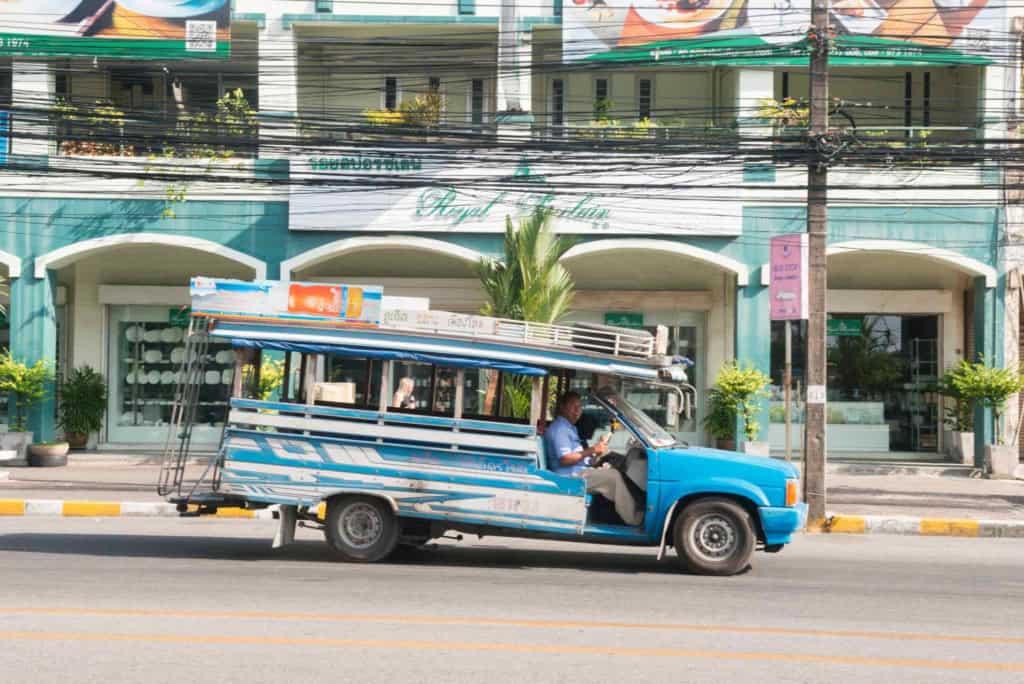
These areas often rely on motorcycle taxis and songthaews (pickup trucks converted for passenger use), neither of which has a fixed schedule.
Bureaucracy can make setting up life in Thailand a challenge. Many administrative tasks require in-person visits to specific offices, and even digital systems often require physical follow-ups.
For example, opening a bank account involves customer due diligence that mandates in-person biometric scans, while immigration procedures require physical presentation of your passport and visa every 90 days.
While many people enjoy Thailand’s warm weather, the high heat, humidity, and seasonal flooding can be difficult to manage if you aren’t used to it.
Temperatures can exceed 105°F in the hottest months, which, for many retirees, can feel much worse with the intense humidity.
Be aware, too, that “burning season” between January and April (when agricultural waste is burned off) can push air quality into hazardous PM2.5 levels, far beyond the safe limit.
Flash flooding can also occur in the monsoon season (June-October), with Bangkok having over 700 flooding hotspots.
It’s possible to get by in English in Bangkok and tourist hubs, but it’s less commonly understood or spoken in more rural areas.
Indeed, the country has an overall low English proficiency ranking of 116 out of 123 in the 2025 EF English Proficiency Index.
Foreigners particularly struggle with Thailand’s five distinct tones when speaking, as well as with the non-Latin script for reading and writing. Thai preference for polite, indirect communication can also make things tricky.
To overcome these challenges, you could try:
If you are planning to retire in Thailand, you’ll need to carefully consider your visa options. The country offers several retirement visas, but you must choose the one that best fits your circumstances.
All retirement visas generally require health insurance that meets the Thai government’s minimums.
For most Non‑Immigrant O‑A visas, this means coverage of at least USD 1,100 for outpatient care and USD 11,000 for inpatient care per year.
You must also demonstrate sufficient financial means, either through a Thai bank deposit or a steady monthly income/pension.
Additional requirements typically include a medical certificate and a police clearance certificate. These documents help prove your health status and good conduct as part of the visa application process.
Here are some of the most popular retirement visas for Thailand:
This visa allows retirees aged 50 or older to stay in Thailand for 1 year. It is renewable and requires USD 25,600 in a Thai bank account or a monthly income of USD 2,000.
This visa allows retirees aged 50 and above from certain countries (including the U.S., Canada, U.K., Australia, France, Germany, and Japan) to stay in Thailand for five years, renewable for an additional five years.
It requires USD 96,000 in a Thai bank account or a USD 57,500 deposit plus approximately USD 38,000 in annual income.
This visa allows retirees aged 50 and above to stay in Thailand for 10 years, with the option to renew.
It requires a minimum of USD 80,000 in passive income per year or a USD 250,000 investment in Thai real estate, government bonds, or foreign direct investment.
This visa is valid for five to 20 years. Depending on the tier, it includes benefits such as unlimited multiple entries, airport fast-track and lounge access, and concierge services.
The cost ranges from USD 20,800 for the entry-level Bronze (five-year) visa to over USD 160,000 for the invitation-only Reserve (20-year) visa.
Retirement visas for Thailand don’t automatically grant permanent residency or citizenship.
Applying for either requires applicants to have held a long-term visa (such as a retirement visa) for at least 3 years. For citizenship, you’d usually also have to prove language proficiency, income, and residency.
When looking over Thailand retirement visa requirements and considering your application, remember:
Once you’ve decided to retire in Thailand, you’ll need to make all the necessary arrangements. This can be a lengthy, complicated process, but this step-by-step guide makes it easier.
The first step in retiring in Thailand is obtaining the right visa. Research all available options and consider what might be suitable for your particular circumstances.
Take your finances, insurance, and preferences into account. Then, apply for the appropriate Thailand retirement visa.
Bangkok is an exciting city, but the Thai capital isn’t always the best option for expats looking to retire in Thailand.
In fact, many foreigners looking to retire in the country consider other expat-friendly hubs such as Chiang Mai, Hua Hin, Phuket, and Koh Samui.
Thailand has numerous types of housing available, so you’ll need to decide what’s appropriate for you and the area you choose to live in. This could mean a house, a condominium, a villa, for example.
Many retirees eventually buy property in their chosen city, especially if their Thailand retirement visa requires it. But you may want to rent first before you decide where to buy.
Once you are in Thailand and have the appropriate visa and lease or property deeds, you’ll need to open a Thai Bank account.
This isn’t always possible with a tourist visa, so you may need to establish your residency first.
If you become a Thai tax resident (usually if you live here more than 180 days in a year), you may need a Tax Identification Number for your bank services and tax filings.
Visit the Thai Revenue Department for the latest procedures and to get your TIN.
Most visa holders must report to Thai immigration every 90 days to keep their visa valid.
As your visa expires, you will also need to ensure it is renewed in time (if possible) or consider applying for permanent residency or citizenship.
One of the biggest considerations of retiring in Thailand is your accommodation. The best choice for you will depend on your lifestyle and budget.
Remember that some Thailand retirement visa requirements require investing in real estate or purchasing a home, so be sure to factor this in.
In Bangkok and other urban hubs, condominiums, with a full suite of amenities such as gardens, pools, and gyms, are the most popular accommodation choice for retirees.

However, in other expat hubs or more rural areas, you might prefer to live in a townhouse, villa, or even a traditional Thai-style house.
Either way, most expat retirees rent first so they can explore different neighbourhoods before making a large financial commitment, particularly as you’ll likely need a two-month security deposit.
Generally, foreigners can legally buy and own property in Thailand, but they cannot own land directly. As such, you might end up buying a freehold condominium (there’s a strict 49% ownership quota for foreigners) or get a leasehold on a house or villa.
Property purchases usually include transfer costs and stamp duty, and you’ll need to pay annual property tax.
It’s also worth noting that while mortgages are available to foreigners, they are limited to specific banks or specialized lenders. Most foreign retirees prefer to pay cash or arrange international financing.
The price of renting or buying property in Thailand can differ depending on the property’s location and type. For example, a city-center apartment in Bangkok rents for between USD 450 and USD 950. The same apartment may cost USD 4,750 and USD 9,500 per square meter if you were to purchase it.
Other areas may be more affordable. For example, a city-center apartment in Chiang Mai may rent for between USD 300 and USD 700 per month, but sell for between USD 1,250 and USD 2,300 per square meter.
Retiring in Thailand is relatively affordable, especially compared to Western countries like the U.S. and the U.K. Day-to-day expenses are much more affordable, as are rent and property prices.
Most expats find it cheaper to retire in Thailand than in Western Europe or North America. But of course, actual costs depend on where you live in Thailand and your lifestyle.
In general, a single person can expect monthly expenses of about USD 900 in Bangkok (excluding rent) or USD 745 in the northern city of Chiang Mai.
To give you an idea, below are the prices (in USD) for some daily expenses in Bangkok and Chiang Mai.
Expense | Bangkok | Chiang Mai |
Meal at an inexpensive restaurant | $3.17 | $2.22 |
Domestic draft beer (0.5 liter) | $3.17 | $2.38 |
Milk (1 liter) | $2.03 | $1.92 |
Monthly public transport pass | $38.01 | $57.02 |
Monthly mobile phone plan | $13.60 | $14.07 |
Monthly fitness club membership | $67.11 | $46.33 |
Thailand’s healthcare system is a public-private hybrid. The public sector includes the Universal Coverage Scheme (UCS), Social Security Scheme (SSS), and Civil Servant Medical Benefit Scheme (CSMBS), which are funded through taxes and payroll contributions.
However, most expats cannot access these programs. Foreign workers with a valid work permit may be eligible for the SSS if their employer contributes to the scheme.
Thailand also does not have reciprocal healthcare agreements with most countries, including the U.S., U.K., Australia, and EU member states.
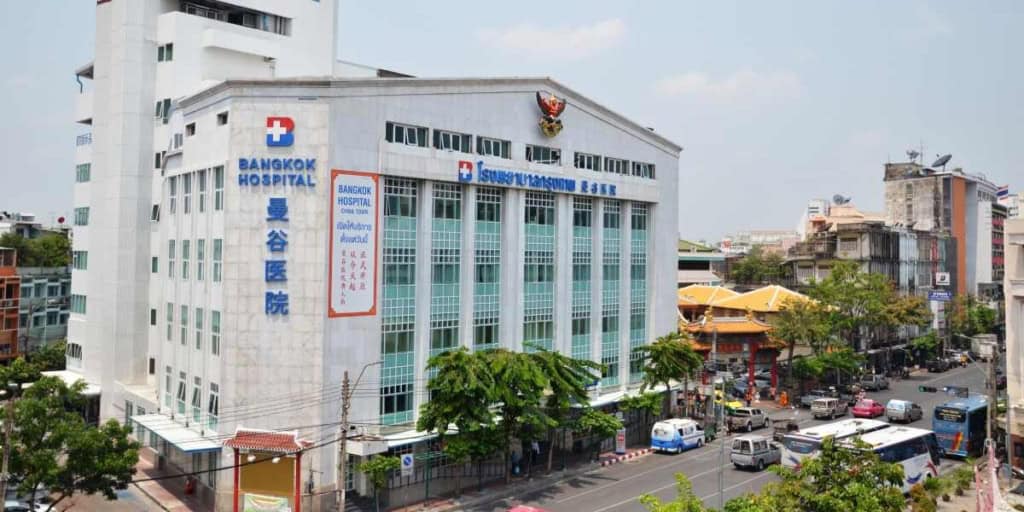
As such, foreigners who retire in Thailand will usually require private health insurance (this is usually also part of the Thailand retirement visa application process).
The majority of foreign retirees in Thailand also opt for the private healthcare system, using the country’s world-class private hospitals and clinics.
These are internationally accredited, have shorter waiting times than public hospitals, and offer more modern facilities. These are also the best places to ensure you see English-speaking health professionals.
Public hospitals may be an option for emergency care, but they won’t cover treatments such as dental work, cosmetic procedures, or individual rooms.
Get free quotes for international health insurance plans that give retirees access to private hospitals, specialists, and care both in Thailand and worldwide.
Money is another big consideration when retiring in Thailand. Most people ask, “How much money do you need to retire in Thailand?” But tax is a major consideration, too.
You’ll need to consider how factors such as tax residency, income tax, double taxation, and inheritance laws affect your finances at home and in Thailand.
Thai tax law mandates that anyone who spends more than 180 days in Thailand within a calendar year is considered a tax resident.
That means you are liable for Thai tax on any global income you bring into the country, including foreign pensions and investment income, once it’s transferred into Thailand (tax rates range from 0% to 35%).
It’s important to note, though, that Thailand has double taxation agreements with over 60 countries, including the U.S., the U.K., and many EU countries.

As such, citizens of these countries who retire in Thailand benefit from a foreign tax credit against Thai tax (you’ll need the proper documentation, though).
Foreigners can inherit assets here, so expats should be aware of this when retiring in Thailand. Inheritance tax only applies if the value of the inherited assets exceeds USD 3.2 million.
The rate is 5% for direct heirs (children or parents only) and 10% for other inheritors. However, spouses are exempt from this
Here are some tips for managing your taxes and finances while retiring in Thailand:
Great weather, delicious food, friendly locals, and affordability make retiring in Thailand an attractive option for many expats.
The country also offers a wide range of lifestyle options, allowing you to choose a retirement experience that fits your budget and preferences.
However, to make the move successfully, you’ll need to ensure you have the correct Thai visa and carefully plan for taxes, inheritance, and healthcare.
It’s also important to have a comprehensive medical plan, not only for your visa application, but also to help cover the costs of private healthcare.
Thinking about making the move? Speak with an insurance expert to find coverage that aligns with your retirement plans, budget, and long-term needs, so you can fully enjoy your retirement in Thailand.
Thailand is generally considered quite safe, with the 2025 Global Peace Index ranking it 86 in the world. However, you need to watch out for pickpockets and scams, many of which are targeted at unsuspecting foreigners.
There are sometimes political disturbances, particularly in the southern regions, so stay aware of current events.
While there’s no exact figure, most expats retiring in Thailand will need to provide proof of finances as part of their Thailand retirement visa application process.
For example, you should have USD 25,600 in a Thai bank account of USD 2,000 per month for a Non-Immigrant O/O-A visa.
Beyond that, you should consider whether you have enough for daily living expenses (about USD 900 per month in Bangkok for a single retiree) and rent or property purchase.
Typically, foreigners are not covered by the Thai public health system. As such, it’s unlikely you’ll be able to receive free healthcare.
While medical costs are generally cheaper in Thailand compared to places like the U.S., it’s best to have comprehensive private medical insurance before you arrive.
Yes, Americans can retire in Thailand if they meet age, financial, and visa requirements, and have a sustainable plan for their healthcare and living arrangements.
However, Americans looking to retire in Thailand will need to research their visa requirements ahead of time to understand their retirement options.
Yes, as a U.S. citizen, you’ll be able to collect Social Security if you retire in Thailand.
However, you will need to make sure you can receive any payments, meet any taxation requirements, and provide all documentation needed.