International Health Insurance
Gain valuable insights and practical tips for navigating international health insurance while living abroad. From coverage details to expert advice, this comprehensive guide helps travelers…

International medical cover for expats and their families.
Medical and trip cancellation coverage for international travel.
Life insurance for globally mobile individuals living or working abroad.
Comprehensive international medical coverage for groups.
Medical, accident, and liability protection for global travel.
Financial protection for employees worldwide.
Most Popular Country Guides
Healthcare, insurance, and living insights to plan life and travel in each destination.
Healthcare, safety, and practical guidance for living abroad.
Tips and guidance for safer, smarter international travel.
Resources for global mobility, HR, and international teams.
Explore the best places to retire in Thailand, including insights on culture, safety, healthcare, living costs, and expat communities.
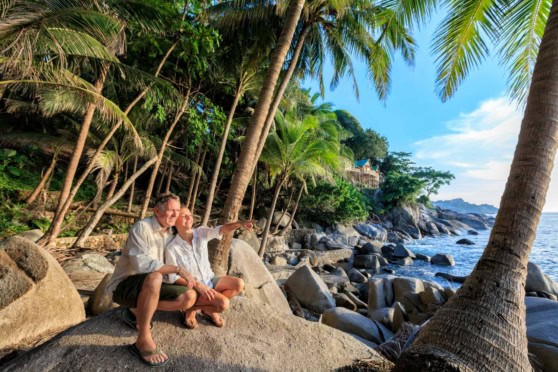
Choosing where to retire in Thailand may seem simple. Many expats initially look to well-known hubs such as Bangkok, Chiang Mai, and other major cities. However, the country offers a wide range of retirement destinations that appeal to different lifestyles. While some expats prefer cultural hubs in the mountains, others look for peaceful seaside towns or tropical island living.
To help you choose a location that fits your lifestyle and priorities, this article highlights the best places to retire in Thailand for expats looking to spend their golden years in the Land of Smiles.

Get free quotes for international health insurance plans that give retirees access to private hospitals, specialists, and care both in Thailand and worldwide.
Thailand has become one of the most popular retirement destinations in Asia. It attracts numerous expats with its warm climate, affordable cost of living, and welcoming culture.
Retirees can enjoy a wide range of lifestyles, from vibrant metropolitan living in Bangkok to relaxed coastal towns and quiet mountain cities in the north.
The country also offers beautiful beaches, lush landscapes, and rich cultural traditions that make daily life both comfortable and engaging.

Healthcare in Thailand is another major advantage for retirees. The country ranks 83rd on the 2025 CEOWORLD Health Care Index, and is home to more than 60 hospitals accredited.
Many of these are located in cities like Bangkok, Chiang Mai, and Phuket, and offer specialist services at a fraction of the cost found in many Western countries.
While expats can access private hospitals without local insurance by paying out of pocket, having health insurance is strongly recommended to cover major medical expenses and provide peace of mind.
The cost of living in Thailand is equally appealing, particularly for retirees from high-cost countries such as the United States, Canada, and the United Kingdom.
Living costs are roughly 35–40% lower than in the United States. This makes housing, food, transportation, and everyday services far more affordable while maintaining a comfortable lifestyle.
With its combination of affordability, excellent healthcare, and diverse environments, Thailand offers retirees the opportunity to enjoy an active, fulfilling, and worry-free retirement abroad.
For a complete guide to planning your retirement, including visa requirements, housing options, and taxes, read our full article on Retiring in Thailand.
Choosing the best place to retire in Thailand depends on your personal priorities, lifestyle, and preferences.
Some retirees seek cultural immersion, others prefer relaxing beachside towns, and many want a balance of urban convenience and natural beauty.
Below is an overview of the most popular retirement destinations in Thailand. This includes insights into lifestyle, cost of living, healthcare access, and expat communities.
This northern Thai city is a perennial favorite for retirees seeking culture, affordability, and a cooler climate.
Chiang Mai offers over 300 ancient temples, bustling markets, scenic hiking trails, and a large expat community.
The cost of living is about 20% lower than in Bangkok, with luxury one-bedroom condos ranging from $350 to $600 per month.
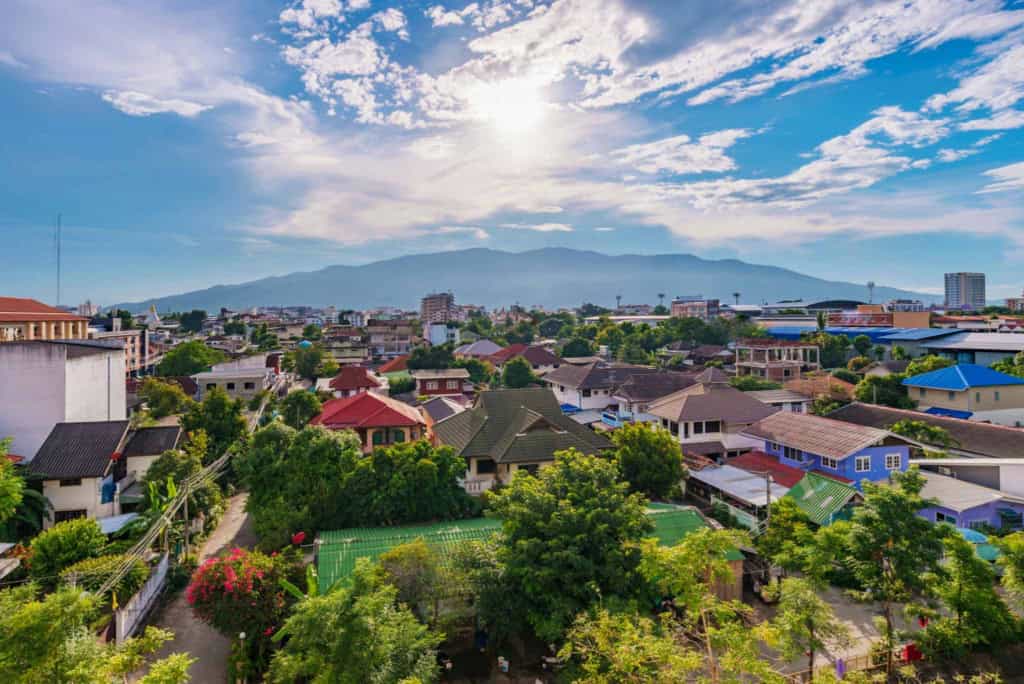
Medical care is also excellent, with internationally accredited facilities such as Bangkok Hospital Chiang Mai. The climate is cooler and fresher than in the south, with winter mornings occasionally dropping to 50°F.
Many expats choose to live in neighborhoods such as Nimmanhaemin and Santitham, where they can enjoy a rich mix of cultural events, dining, and entertainment.
The city is well connected via Chiang Mai International Airport, which offers flights to major Asian cities, and getting around is easy with tuk-tuks, songthaews, and motorbike taxis.
Chiang Mai is also one of the safest places to live in Thailand, with very low violent crime rates compared to bigger cities like Bangkok or Pattaya.
Its vibrant expat community organizes clubs, social gatherings, language meetups, and volunteer opportunities, making it easy to connect and settle in.
Retirees can also immerse themselves in local culture by taking Thai cooking classes, meditation retreats, or language courses, making it easy to enjoy an active and culturally rich lifestyle.
Bangkok is a truly global city and offers the ideal urban choice for Thailand-bound expats, though it comes at a higher cost.
For example, the cost of living is about 20% higher than in Chiang Mai, with three-bedroom apartments in the city costing up to $2,300 per month, compared to $930 in Chiang Mai.
However, the city provides world-class healthcare. Elite hospitals such as Samitivej and Bumrungrad offer advanced medical care, specialists, and preventative services at a fraction of Western prices.
This makes Bangkok particularly attractive for expats who prioritize quality healthcare alongside an active lifestyle.
Neighborhoods like Sukhumvit, Sathorn, and Silom are popular with retirees, offering a mix of shopping, dining, cafés, and entertainment.
Public transport is extensive and affordable, with a flat fare of THB20 ($0.65) for buses and metro lines. The BTS Skytrain, MRT metro, taxis, and motorbike taxis make getting around the city easy and convenient.
Suvarnabhumi and Don Mueang airports also connect Bangkok to major Asian and international destinations. This makes it easy for retirees to travel and explore the region and beyond.
While Bangkok is a bustling metropolis, it remains relatively safe. Many expat retirees join clubs, community groups, or social events to build connections and a sense of belonging.
This makes it one of the best places to retire in Thailand for those seeking urban convenience and an active social life.
A few hours’ drive from Bangkok, Hua Hin is a classic beachfront town known for its relaxed coastal lifestyle.
The cost of living here is generally lower than in the capital, with three-bedroom apartments in the city center averaging around $1,400 per month.
Retirees can access quality healthcare at facilities such as Bangkok Hospital Hua Hin and Be Well Medical Center, while retirement-focused communities like Manora Village make settling in easier.
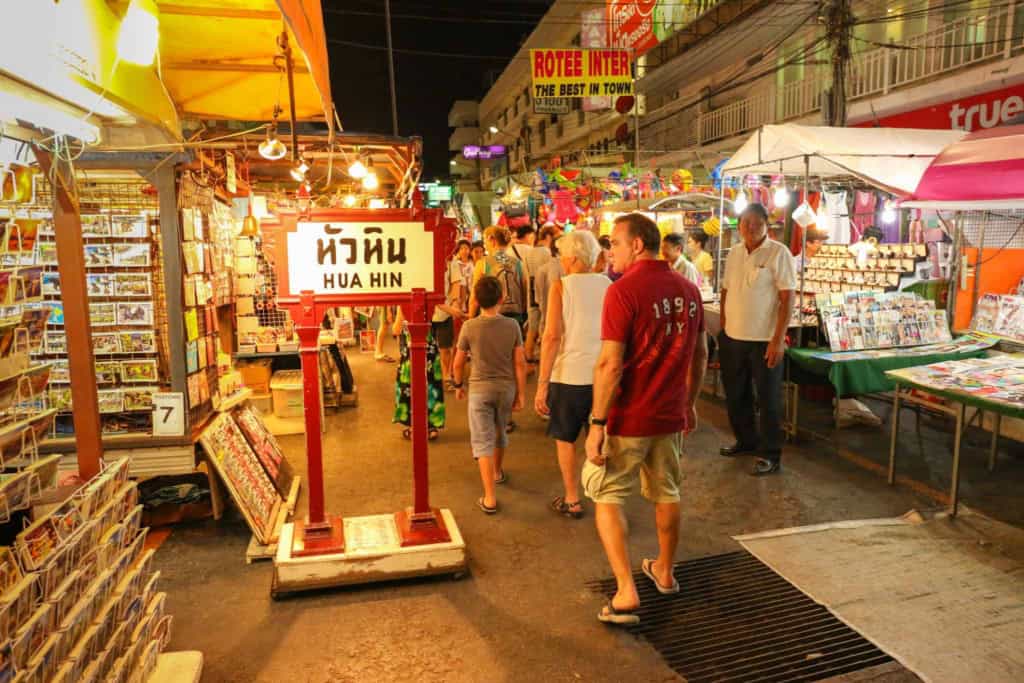
Hua Hin is also popular among golf enthusiasts. It boasts seven world-class courses, including the championship-level Black Mountain, providing a recreational alternative to the beaches.
The town also offers vibrant weekend markets, seafood restaurants, and local cultural attractions, including art galleries and historic sites.
Meanwhile, outdoor activities such as cycling along the coast and hiking nearby hills make it ideal for active retirees.
Getting around is convenient with taxis, motorbike taxis, and local songthaews. Nearby airports in Bangkok also make regional and international travel straightforward.
The town’s slower pace, welcoming expat community, and cultural amenities make it an attractive choice for retirees seeking a balance of leisure, convenience, and social engagement.
The busy city of Phuket is a tourist hotspot and a popular choice for expats seeking a resort-style lifestyle.
Because of its international significance, the cost of living is higher than in many other Thai cities. For example, a three-bedroom apartment in the city center averages around $2,140 per month.
However, healthcare is reliable, with accredited hospitals such as Bangkok Hospital Phuket and Siriroj International providing advanced medical services.
Phuket also boasts a vibrant retail and dining scene, offering everything from luxury malls to local markets and international cuisine.
What’s more, the island is home to an estimated 20,000 expats. This makes social integration into the local expat community a little easier for newcomers.
Outdoor and water activities abound, from snorkeling and sailing to hiking in the surrounding hills, offering plenty of options for active retirees.
Getting around is convenient by taxi, motorbike taxi, or rental vehicle. Meanwhile, Phuket International Airport connects the island to major regional and international destinations.
With its scenic beaches, lively expat community, and abundant leisure opportunities, Phuket offers a comfortable and engaging lifestyle. This makes it one of the best cities in Thailand for retirees seeking resort-style living and top-notch amenities.
The sumptuous island of Koh Samui is an excellent choice for expats seeking a tropical place to retire.
Samui offers lush nature, pristine beaches, wellness activities, and a growing expat community, making it ideal for a laid-back lifestyle.
Retirees can take advantage of numerous medical and wellness services on the island, ensuring both routine healthcare and holistic well-being are well cared for. This includes Bangkok Hospital Samui, the Kamalaya wellness retreat, and Doctor Lamai’s functional medicine.

However, it comes at a cost. While housing may be more affordable than in Bangkok, groceries and utilities can run up to 10% higher due to import costs and occasional infrastructure challenges.
Getting around is straightforward with taxis, motorbike taxis, and scooter rentals, and ferries or flights make it easy to explore neighboring islands and the mainland.
Koh Samui also serves as a gateway to smaller islands like Koh Phangan and Koh Tao, making weekend island-hopping or diving trips easy and appealing.
Local markets, seafood restaurants, and cultural events provide plenty of ways to engage with the community, while snorkeling, sailing, and hiking keep retirees active and enjoying the outdoors
Although smaller than Phuket, Koh Samui has a welcoming expat scene and a slower pace, making it perfect for retirees seeking tranquility without sacrificing amenities.
Home to the spectacular White Temple (Wat Rong Khun), Chiang Rai offers a relaxed northern alternative to Chiang Mai.
The city combines rich culture with abundant natural beauty, and the cost of living is roughly 30% lower than in Bangkok.
Mountain retreats like Doi Tung and Tea Hills provide scenic escapes, while the “Art Triangle” showcases the region’s cultural heritage.
A growing expat community has developed along the riverfront Kok River, providing social opportunities. Meanwhile, medical services, including facilities such as Overbrook Hospital, ensure that healthcare needs are met.
Local markets, cozy cafés, and nearby hiking trails make Chiang Rai appealing for retirees seeking a slower pace without sacrificing convenience or cultural engagement.
They can also take advantage of local wellness centers, yoga studios, and community clubs, making it easy to stay active, socially engaged, and enjoy a fulfilling lifestyle.
The city is generally very safe, with low crime rates, and retirees can enjoy outdoor hobbies such as cycling, walking in the surrounding hills, or participating in community events.
Chiang Rai is also accessible via the nearby Chiang Rai International Airport, making travel to other Thai cities and international destinations straightforward.
Within easy reach of Bangkok, Pattaya is a well-known tourist destination that also attracts retirees looking for beachside living.
Modern condos along Jomtien and Pratumnak beaches rent for about $400–$600 per month. The city offers a vibrant social scene with 15 championship golf courses. This includes the Jack Nicklaus-designed Laem Chabang and the Pattaya City Expats Club.
Neighborhoods like Pratumnak Hill and East Pattaya are popular with retirees, and world-class healthcare is available at Bangkok Hospital Pattaya.
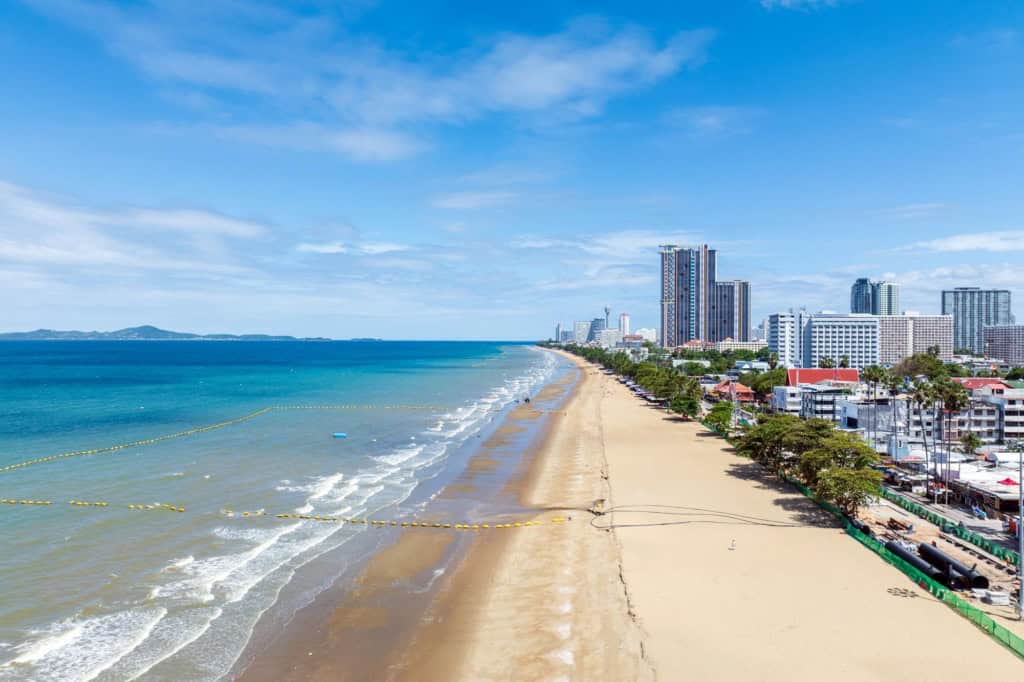
The city offers a variety of dining, entertainment, and cultural experiences, from seafood markets to local festivals, giving retirees plenty of ways to engage with the community. This makes Pattaya one of the best cities in Thailand for an active, social retirement.
Pattaya is unique for its accessibility to both beach and countryside escapes, with nearby islands and national parks offering weekend adventures.
Retirees can also enjoy a strong wellness and sports culture. This includes yoga studios, water sports, and retirement clubs tailored to older adults.
Public transport options include songthaews, motorbike taxis, and taxis, making it easy to get around. Meanwhile, the relatively short drive to Bangkok connects retirees to international flights, specialized healthcare, and additional urban amenities.
Safety is generally good in residential areas, and the active expat community helps newcomers quickly find social groups, volunteer opportunities, and clubs.
For retirees seeking a slower pace of life in Thailand, Udon Thani in the northeast offers an attractive option.
The cost of living is significantly lower than in other Thai cities, and roughly 40% cheaper than in Bangkok, making it ideal for those looking to stretch their retirement budget.
Despite its affordability, modern conveniences are readily available, including shopping at the UD Town open-air mall, local markets, and cafés.
Healthcare is accessible at facilities such as AEK Udon International Hospital, which offer routine care and specialist services.
The city’s expat community, centered around Prajak Road and Nong Prank Park, is welcoming, with clubs, social events, and volunteer opportunities for retirees seeking connection.
English is also widely understood, a legacy of the former American air base, making daily life, healthcare, and social activities easier for expats who don’t speak Thai.
Outdoor and leisure options include walking through the scenic Nong Prajak Park, cycling routes, weekend trips to nearby national parks, and cultural experiences such as local festivals and temples.
This combination of affordability, amenities, and lifestyle makes Udon Thani one of the best places to retire in Thailand for those seeking both comfort and a sense of community.
The spectacular coastal town of Krabi is an excellent choice for retirees seeking a quieter lifestyle in southern Thailand.
The cost of living is moderate, with average monthly expenses ranging from $1,300 to $1,600. However, this depends on the area, whether you choose to retire in tranquil Krabi Town, family-friendly Klong Haeng, or the more upscale Klong Huang.
Healthcare is readily accessible at international-friendly facilities such as Krabi Nakharin International Hospital, ensuring routine care and specialist services are within easy reach.

Krabi’s famous beaches, limestone cliffs, and nearby islands provide a stunning backdrop for retirement. Residents can explore Railay Beach, hike up to Tiger Cave Temple, or take boat trips to Phi Phi and Koh Lanta.
Natural attractions such as the Emerald Pool and hot springs offer relaxation and wellness experiences. Meanwhile, expat clubs and social groups provide opportunities to build friendships and stay connected.
Its proximity to Krabi International Airport makes it easy for retirees to travel domestically or internationally, or to visit family.
With its relaxed pace and welcoming expat community, Krabi is ideal for retirees seeking beachside living and cultural experiences.

Ready to plan your retirement in Thailand? Speak with an insurance expert to find coverage that aligns with your retirement plans, budget, and long-term needs, so you can fully enjoy your golden years.
Choosing the right place to retire in Thailand depends on your lifestyle, budget, and priorities.
Costs can vary widely between bustling cities like Bangkok and Chiang Mai, coastal hubs like Phuket or Krabi, and quieter northern towns such as Chiang Rai or Udon Thani.
Healthcare is also an important consideration. While Thailand has a strong healthcare system with good public hospitals, many retirees choose private health insurance to access private hospitals, specialists, and faster care. This is especially important if they live in more remote areas.
Think about the lifestyle you want, too. For instance, do you prefer the convenience, cultural attractions, and international amenities of a city, the relaxed pace of a beach town, or the scenic charm of northern or inland regions?
Expat communities, social clubs, and volunteer opportunities can help you meet people and stay engaged. Access to airports, major roads, and public transport also makes daily life, domestic travel, and visiting family abroad easier.
Safety is naturally a top concern for retirees. While Thailand is generally safe, it’s important to research neighborhoods and local communities before committing to living there.
By considering all of these factors, you can enjoy your golden years in one of the best places to retire in Thailand.