
International Health Insurance
Gain valuable insights and practical tips for navigating international health insurance while living abroad. From coverage details to expert advice, this comprehensive guide helps travelers…

International medical cover for expats and their families.
Medical and trip cancellation coverage for international travel.
Life insurance for globally mobile individuals living or working abroad.
Comprehensive international medical coverage for groups.
Medical, accident, and liability protection for global travel.
Financial protection for employees worldwide.
Most Popular Country Guides
Healthcare, insurance, and living insights to plan life and travel in each destination.
Healthcare, safety, and practical guidance for living abroad.
Tips and guidance for safer, smarter international travel.
Resources for global mobility, HR, and international teams.
Thinking of retiring in Costa Rica? Learn about visas, healthcare, housing, taxes, and living costs to plan your golden years in the country.

Costa Rica has long been a dream destination for retirees, attracting expats with its tropical climate, high-quality healthcare, and a variety of retiree visa options. Known for its relaxed pura vida lifestyle, which translates to “pure life”, the country offers a slower pace, friendly communities, and abundant nature.
While retiring in Costa Rica is achievable, it requires careful planning, time, and money. This article will guide you through everything you need to know, including visa options, healthcare, housing, living costs, taxes, and tips to enjoy your golden years.

Since the 1980s, Costa Rica has offered retirement visas for foreigners. Over the years, the country’s growing popularity with retirees and expats has shaped both the benefits and challenges of living there.
For those considering spending their golden years in Costa Rica, it’s important to understand both the advantages and potential downsides before making the move.
There are many reasons to consider retiring in Costa Rica. From its lifestyle to the opportunities it offers, the country attracts retirees looking for a fulfilling and enjoyable chapter of life.
Here are some of the key factors that make it a popular choice among foreign retirees.
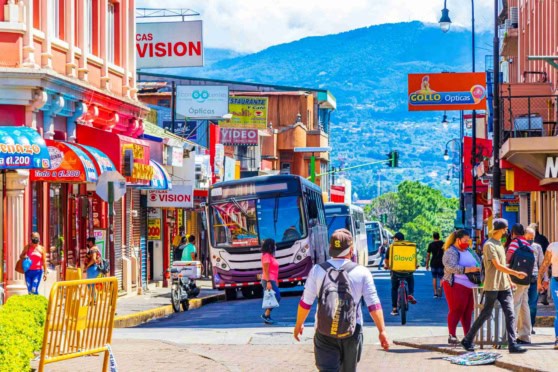
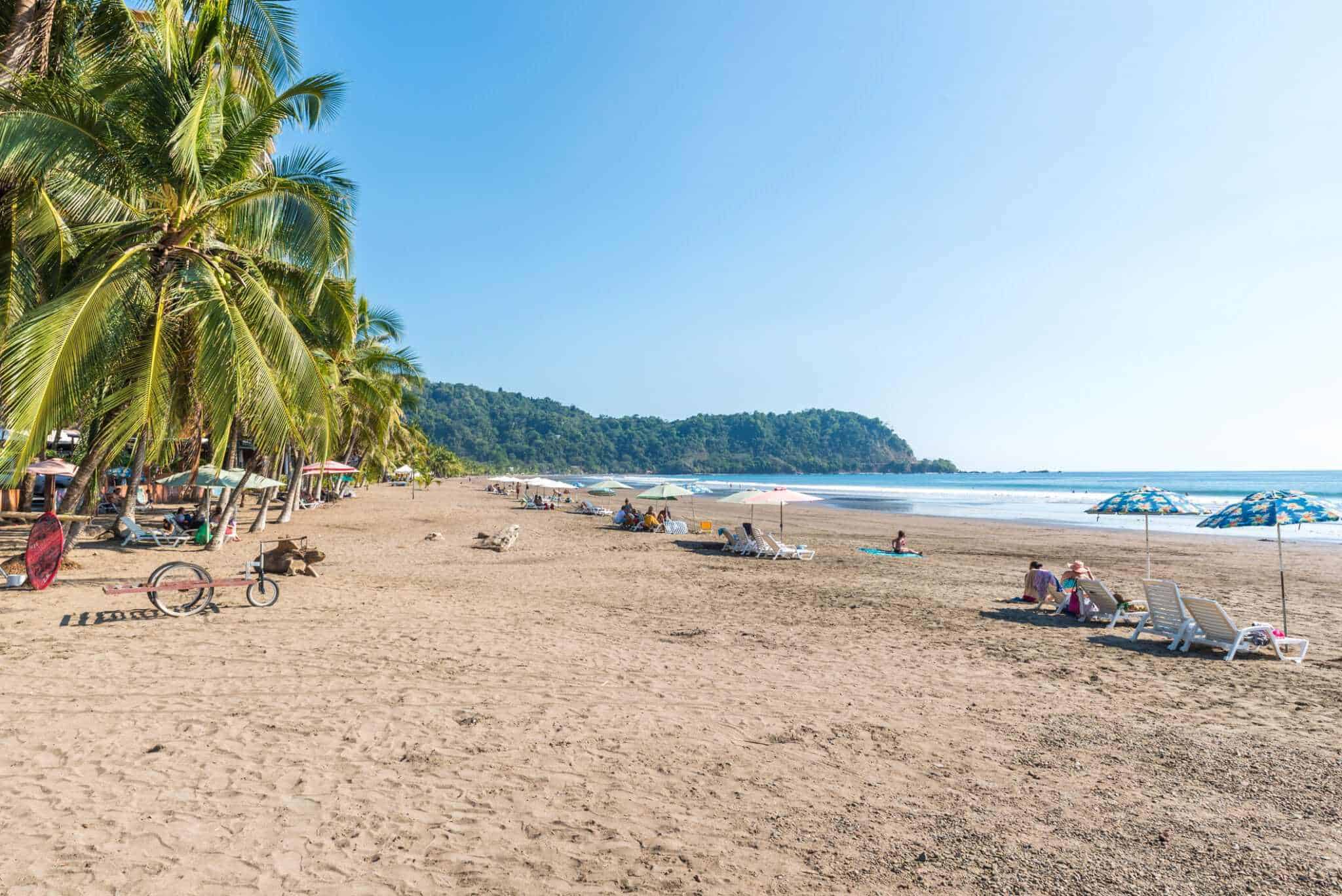
Costa Rica has a tropical climate, with warm temperatures year-round ranging from 70 to 90°F. The dry season lasts from December to April, while May to November is the rainy season.
Coastal provinces, such as Guanacaste and Puntarenas on the Pacific, and Limón on the Caribbean, tend to be hot and humid, with temperatures reaching up to 90°F.
Meanwhile, the central highlands and valleys, including the populous provinces of San José and Cartago, are more temperate and dry, with daily temperatures generally between 70 and 80°F.
This variety makes Costa Rica’s climate especially attractive to retirees. Those who love tropical heat can enjoy the sunny, beach-friendly coasts, while others can opt for the cooler, more comfortable highlands.
The consistent warmth and mild seasonal changes allow retirees to live outdoors, enjoy nature, and maintain an active, healthy lifestyle year-round.
Costa Rica is renowned for its stunning landscapes and easy access to unspoiled nature. Rainforests, highland plains, and wetlands shelter 5% of the world’s unique species, offering incredible biodiversity for wildlife enthusiasts.
The country is home to numerous national parks and UNESCO World Heritage sites, including Corcovado National Park, Talamanca Range–La Amistad Reserves, and the Guanacaste Conservation Area, which protect its rich ecosystems and scenic beauty.
Its Pacific and Caribbean coasts provide miles of pristine beaches, making Costa Rica an ideal destination for retirees who enjoy outdoor activities, nature exploration, and a relaxed lifestyle immersed in natural surroundings.
Costa Rica is one of the safest countries in Latin America, ranking 54th globally on the 2025 Global Peace Index, compared with the United States at 128th.
The country has no standing military, and its government strongly supports human rights, political stability, and environmental sustainability.
Over 98% of Costa Rica’s energy comes from renewable sources, and protected reserves safeguard rainforests, wildlife, and marine ecosystems.
These initiatives create a clean, healthy environment and a high quality of life, appealing to retirees who value safety, sustainability, and peace of mind in their daily lives.
Costa Rica’s universal healthcare system ranks 47th in the 2025 CEOWORLD Health Care Index, placing it in the top 25% of countries worldwide.
Those who choose to retire in Costa Rica can take comfort knowing that essential medical care is accessible and reliable.
Meanwhile, Costa Rica’s private healthcare, available either out of pocket or through private insurance, offers faster appointments, shorter wait times, and additional comforts such as private rooms.
These options make it especially attractive to retirees and medical tourists seeking timely, high-quality, and flexible care.
The people of Costa Rica, who call themselves Ticos, are friendly, tactful, and helpful. They value family life and community, including local Catholic churches, and you’ll often be greeted with smiles and warm hellos in neighborhoods across the country.
For retirees, this welcoming culture makes it easier to build social connections, feel at home, and enjoy a sense of community in a new country.
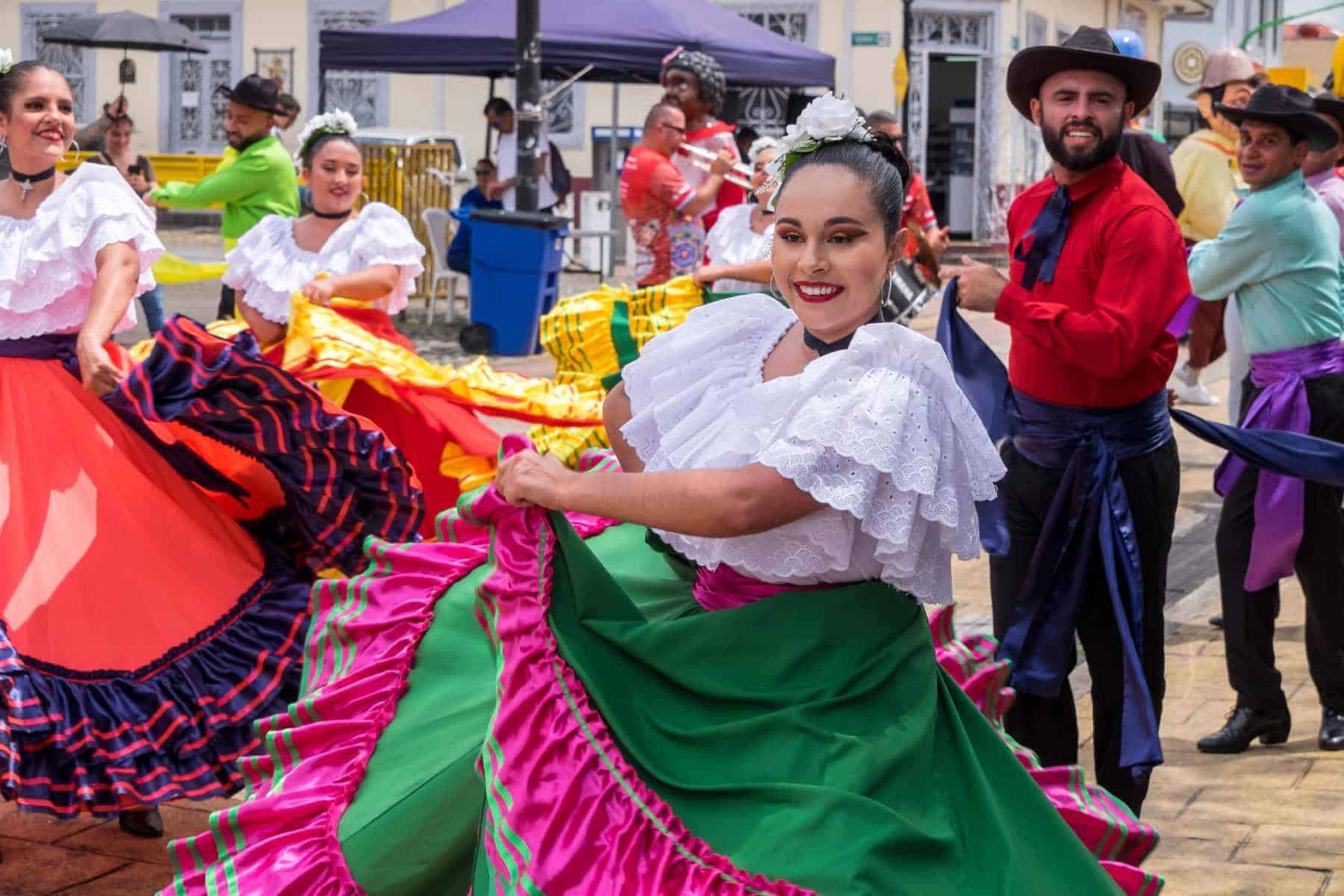
Costa Rica is also known for its pura vida lifestyle. This popular saying, which means “pure life,” reflects the joy of living in the country’s natural beauty and among its friendly, community-minded people.
This lifestyle encourages relaxation, positivity, and well-being for those enjoying their golden years.
Retirees who bring pets will find Costa Rica welcoming. Dogs and cats can enter with a health certificate and required vaccinations, without quarantine.
Pet ownership is common, with about 75% of Ticos having dogs, and the country offers quality veterinary care, dog-friendly beaches, trails, and restaurants.
Needless to say, pets moving with their owners can look forward to a social and active lifestyle alongside their human companions.
While Costa Rica offers many benefits, retirees should also be aware of potential downsides before deciding to move there.
Spanish is the official language of Costa Rica, though the country is ranked as having moderate to high English proficiency in the 2025 English Proficiency Index.
That said, retirees report that speaking conversational Spanish is important for managing daily life. Moving to Costa Rica can be a great opportunity to learn the language while settling in.
Many businesses offer bilingual signs and staff, but retirees should expect to use Spanish for banking, local shopping, car and home maintenance, and completing government forms.
Costa Rica’s retiree visas require applicants to have a local bank account. As part of the visa process, you must deposit the funds that support your retirement in a Costa Rican bank.
Opening an account can take time and require documentation, as banks must comply with strict anti-money laundering regulations.
As a result, many expats who choose to retire in Costa Rica enlist the help of a local lawyer to navigate the process efficiently.
Government processes in Costa Rica can be slow, affecting visa approvals, home renovations, and access to healthcare.
Even the International Trade Association notes, “Costa Rica’s often slow and cumbersome bureaucracy poses a challenge to doing business throughout the country.”
Retirees can navigate these challenges by working with local lawyers and improving their Spanish to communicate effectively. For faster access to medical care, having private health insurance in Costa Rica is also recommended.
Retirees may experience long wait times at government offices or delays in paperwork, so patience – and perhaps a good book – are essential.
Additionally, scheduling appointments in advance and bringing necessary documents can reduce delays and make interactions with officials smoother.
While Costa Rica’s inter-city bus system is reliable and popular with visitors, retirees often find local public transport less dependable outside San José and the Central Valley.
In beach towns and smaller regional centers, most people rely on cars, and taxis or ride-share services may be limited.

Some drives, such as the notorious “Road of Death” to San Isidro de El General, can be challenging, so retirees should plan routes carefully and consider local driving conditions before choosing where to live.
Access to emergency services is also an important consideration. Retirees who want fast medical care will need to live near San José or the Central Valley.
In rural or remote areas, emergency services can be slower due to unpaved roads and long distances. For serious medical emergencies, EMTs may stabilize patients before airlifting them to hospitals in San José.
Costa Rica is a developing country, and its infrastructure can still pose challenges. Electricity blackouts and internet outages can happen regularly, even in San José.
During the dry season, residents can experience water shortages and restrictions. Some retirees choose houses with solar power and water tanks, or condominiums with back-up generators.
Costa Rica’s housing is still developing, too. Low-cost housing, whether urban or rural, can lack amenities such as air conditioning or constant hot water.
Even quality housing needs maintenance to avoid damage from mold, high humidity, and insect pests like termites. Retirees can reduce these problems by keeping up with maintenance or opting for newer, well-built properties such as high-rises.
Shoppers should be aware that selection can be limited, especially outside major cities. Imported goods, such as new cars, SUVs, electronics, and some household items, can cost 30%–50% more than in North America due to import taxes.
Many everyday items, like fresh produce, clothing, and household basics, are available locally at reasonable prices, especially at farmers’ markets and small shops.
Retirees should factor higher costs for imported goods into their budgets and consider alternatives such as buying locally or purchasing second-hand items for larger purchases.
Living in Costa Rica means sharing your surroundings with tropical insects and wildlife.
Mosquitoes, sandflies, ants, geckos, tarantulas, and large grasshoppers are common, so retirees should be prepared with insect repellent, mosquito nets, and, when needed, professional pest control.
Some wildlife is more dangerous, including scorpions, snakes, and crocodiles. As locals do, avoid swimming in rivers or estuaries where crocodiles may be present, and take basic precautions when exploring rural areas.
The Pensionado visa is designed for retirees with a monthly pension of $1,000 or more from a single source, such as Social Security or a private pension.
The applicant must receive the full qualifying amount themselves, and cannot combine their pension with a spouse’s income.
The Pensionado visa allows you to bring your spouse, children under 25, and adult children with disabilities.

The Rentista visa is for retirees with a stable monthly income of $2,500 or more, derived from savings, investments, or other sources.
One common way to qualify is by depositing two years’ worth of income requirements in a Costa Rican bank. Like the Pensionado visa, the Rentista visa covers spouses and dependent children.
The Inversionista visa is for retirees who invest at least $200,000 in Costa Rica. Eligible investments include purchasing real estate or investing in Costa Rican businesses, stocks, forestry, or approved investment funds.
Pensionado and Rentista visas are listed on Costa Rica’s official immigration website as temporary visas (Residencia Temporal). You can also contact your local Costa Rican embassy or consulate for more information.
Many retirees work with a local immigration lawyer to ensure that all forms are completed correctly in Spanish and that the application process goes smoothly.
To retire in Costa Rica on a visa with an income requirement, you must deposit your monthly income into a local Costa Rican bank account.
You also need to enroll in and contribute to Costa Rica’s government healthcare system, CAJA. Once you’re registered with CAJA, you’ll receive a Costa Rican identification card, called a DIMEX.
You must renew your Rentista and Pensionado visas, along with your DIMEX, every two years. After three or more years of official residency, spending at least 183 days per year in the country, you may be eligible for permanent residence.
After seven years, you can apply for Costa Rican citizenship. If you meet the residency requirements, you may hold dual citizenship.

Open a Bank Account Early! You can open a Costa Rican bank account as a visitor, even before your retirement visa is approved. Typically, banks ask for identification, proof of address, and sometimes a reference from your home bank, so having these ready can make the relocation process smoother.
Retiring in Costa Rica is relatively straightforward thanks to the country’s retiree visa programs.
The process involves applying for residency, opening a bank account in the country, enrolling in government health insurance (CAJA), and obtaining a DIMEX identification card.
You can complete these steps on your own or work with relocation professionals:
Most foreigners hire a Costa Rican immigration lawyer to manage the paperwork.
If you are fluent in Spanish and comfortable navigating government procedures, you may choose to complete the process independently.
Most retirees select either the Pensionado or Rentista visa, while early retirees or those investing in Costa Rica may opt for the Inversionista visa.
Preparation typically takes one to three months. You’ll need documents required for general residency (as listed on Costa Rica’s official immigration website) as well as those specific to your retiree visa category.
Certain documents, such as birth certificates, marriage certificates, or background checks, may require an Apostille Certificate to verify authenticity.
Submit your completed visa application along with all required documents, including your police clearance certificate.
In the United States, obtaining a state or FBI background check can take anywhere from five days to three months.
While not a visa requirement, it is also advisable to register with your country’s consulate or embassy once you relocate to Costa Rica.
Processing times vary depending on government demand and backlog. Some retirees wait until residency is fully approved before relocating, while others apply while staying in Costa Rica as tourists.
You must be physically present in the country to open a bank account, either as a visitor or resident. Some retirees open an account while their residency application is in process.
Requirements vary by bank, but most request identification, proof of the origin of funds, banking history, and sometimes a letter of recommendation from your home bank.
Processing times vary and may take several days to several weeks, depending on the bank’s compliance review.
Once your residency is approved, you must enroll in Costa Rica’s public healthcare system, known as CAJA. Proof of CAJA enrollment is required before your DIMEX residency card can be issued.
Your DIMEX is essential for many transactions in the country and also functions as your tax identification number.
Both CAJA enrollment and DIMEX registration require in-person appointments. While the appointments themselves may be completed over several days, scheduling and processing times can vary.
After two years, for most retirement visas, you need to renew both your residency and your DIMEX card.
Temporary retirement visas are typically granted for two years and must be renewed every two years until you qualify for permanent residency.
If you are applying from the U.S., see the U.S. Embassy in Costa Rica’s notes on applying for residency.
Costa Rica’s visa processing times commonly range from 9 to 24 months, depending on government backlog and demand.
While your visa is being processed, you can monitor your application through the official immigration website. You may also enter and leave the country as a tourist, provided you maintain legal visitor status.
Retirees in Costa Rica can choose from condominiums, gated communities, and standalone houses. Many spend a few active years renting in beach towns before relocating to the more temperate Central Valley.
Retirement communities and assisted-living options are gradually emerging, with costs ranging from $1,500 to $5,000 per month.

Housing quality in Costa Rica varies from basic to luxury. International buyers often seek homes with spacious rooms, climate control, and solid construction.
More modest housing may lack climate control, storage, or window screens and typically features budget finishes and limited hot water.
Many retirees prefer renting in Costa Rica for flexibility and lower maintenance responsibilities.
A two-bedroom apartment in San José typically rents for $800–$2,500 per month. Similar rental costs in a beachfront town like Tamarindo command higher rents, around $1,200–$3,000, while inland areas such as Nuevo Arenal offer more affordable options at $500–$1,100 per month.
Purchasing a quality home in Costa Rica can be as expensive as buying in North America, with Pacific beach towns and the Central Valley commanding the highest real estate prices. Homes with climate control generally start at $150,000–$220,000 for one- or two-bedroom houses.
Gated community homes typically range from $350,000–$700,000, while luxury properties with premium construction and scenic views can exceed $800,000–$1,200,000.
Most retirees buying property work with a local lawyer and pay in cash. Foreign buyers may obtain mortgages through select Costa Rican banks, typically with lower loan-to-value ratios.
Buyers should also plan for tax, legal, and realtor fees of 6–8% of the property price. Property taxes are low, at 0.25% annually for most homes, with an additional 0.29–0.55% yearly tax for homes valued over $290,000.
While Costa Rican real estate listings sometimes offer plots of land at attractive prices, retirees often find it easier to purchase an existing home than to build. Building a home can be slower due to bureaucracy and limited builder availability.
There are restrictions on private beach homes in Costa Rica. The first 50 meters from the high-tide line are public property. The next 150 meters may be used for private residences, usually leased under concession rights.
Retirees seeking to live on the beach should work with a Costa Rican property lawyer and reputable real estate agents to navigate locations and concession agreements.
Expats considering a move often ask, “Is Costa Rica expensive to live in?” While it has the fourth-highest cost of living in Latin America, it’s still about 30% cheaper than the United States or much of Europe.
Naturally, your expenses will depend on your lifestyle choices. For example, living modestly in an inland town and buying food at local markets will help keep costs down.
On the other hand, living in a beachfront home, dining out frequently, and importing goods will raise the budget.
For many retirees, a more upscale life by the beach and comforts from home are worth the higher price.
Below is an estimate of monthly expenses for a retired couple based on different locations in Costa Rica:
Notably, prices are so much higher in popular Pacific beach towns that some residents drive an hour or two inland for cheaper shopping and groceries.
Public transportation and healthcare are affordable nationwide. Inter-city bus fares range from $6 to $15, while rides with services like Uber or Didi average about $2 per mile. However, watch for surge pricing and airports that limit ride services in favor of taxis.
Dining out can be affordable, with prices ranging from $10 or less for a meal at a local soda (cafeteria-style restaurant) to about $30 at a mid-range tourist restaurant. Buying fresh produce at weekly farmers’ markets can cut grocery costs in half.

When it comes to entertainment, community activities, and celebrations are often free or low-cost. And for Costa Rican residents, fees to enter national parks are lower than for international visitors.
That said, many activities designed for the tourist market charge high prices, and dining at upscale restaurants can be expensive, sometimes $75 or more per person.
Imported goods and specialty items, such as athletic gear, pet toys, cosmetics, and mobile phones, tend to be significantly more expensive.
For instance, a sunscreen bottle that costs $15 in the U.S. can cost $27 in Costa Rica after import shipping and taxes.
Car ownership is also costly, with high purchase prices, import fees, and gas averaging around $6 per gallon.
All residents contribute to CAJA through a monthly payment. When you retire in Costa Rica, you must enroll in CAJA and contribute 7% to 11% of your income each month.
Most public hospitals are located in San José and the Central Valley. In rural areas, CAJA provides general care through the Comprehensive Basic Health Care Team program (Equipos Básicos de Atención Integral en Salud, or EBAIS).
EBAIS clinics are available even in remote parts of the country. For emergencies or advanced care, retirees are advised to live within about an hour of a major hospital.
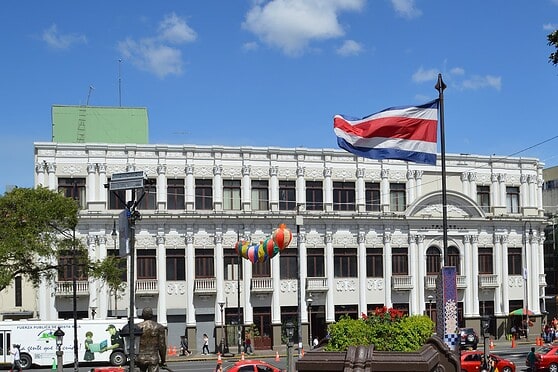
About 30% of Costa Ricans use private healthcare at least once a year, often to avoid long wait times. Costa Rica is also a popular destination for medical tourism due to the quality of its private care.
Out-of-pocket costs are relatively affordable, with standard doctor visits averaging around $75 and specialist visits $100 or more.
Tests and X-rays typically cost under $100, though private surgery and advanced treatments can become significantly more expensive.
Many retirees use a combination of CAJA and private healthcare. While CAJA provides good quality care, it can be slow, with long waits for appointments and procedures. It also does not cover all medications available in North America or Europe.

To fill these gaps, many expats who choose to retire in Costa Rica carry private health insurance to access private healthcare.
This provides faster access to medications and procedures, more comfortable facilities, and the added benefit of coverage while traveling abroad.
EU citizens living in Costa Rica on a retiree visa must enroll in and contribute to CAJA. Some EU nationals may also have options to continue receiving healthcare in their home country while meeting Costa Rican residency requirements. It’s best to contact your country’s consulate in Costa Rica for guidance.
For example, if you are a citizen of Spain, you can maintain access to Spanish public healthcare while living in Costa Rica by:
Tax in Costa Rica can be complicated, and many foreign residents work with tax professionals to meet obligations in both Costa Rica and their home country.
For retirees on the Pensionado or Rentista visa, Costa Rica does not tax pensions or income earned abroad. For example, U.S. citizens living in Costa Rica do not pay Costa Rican tax on Social Security income.
However, retirees from North America or the EU must still file taxes in their home country. U.S. citizens must file annually, including paying tax on qualifying Social Security income.
Canadians must file Canadian taxes and pay tax on pensions and retirement earnings.
You become a tax resident of Costa Rica after living in the country for 183 days or more in a year. Costa Rica taxes income earned within the country, including investment earnings from Costa Rican banks, at rates ranging from 15% to 30%.
Retirees on an Inversionista visa must pay taxes on income from their Costa Rican investments.
All residents of Costa Rica, including citizens and long-term residents, pay taxes on goods and property.
Most goods and services are subject to a 13% value-added tax (VAT), while essentials such as staple foods are subject to a reduced VAT rate of up to 4%.
Property taxes are generally low, but properties valued at $250,000 or more incur an additional annual tax of 0.25% to 0.55% of the property’s value. Home sellers also pay a 1.5% real estate transfer tax on the sale of real estate.
For more information, see the PWC Worldwide Tax Summaries (updated annually). Costa Rica’s official tax authority is the General Directorate of Taxation within the Ministry of Finance.
Costa Rica does not tax inheritances or gifts received while in the country, though you may still owe inheritance taxes in your home country.
If you leave Costa Rican assets, such as property or bank accounts, to your heirs, they must go through local estate administration, which typically takes one to four years. Heirs living abroad almost always hire a local lawyer to manage the paperwork.
Retirees should have a formal will and consider documenting their legal affairs in both Costa Rica and their home country with the help of an estate planning professional.
If you pass away in Costa Rica without a will, inheritance law favors spouses and children.
Retiring in Costa Rica offers a unique blend of natural beauty, welcoming communities, and a relaxed, healthy lifestyle.
While the cost of living in Costa Rica may be higher than in some Latin American countries, the country compensates with high-quality healthcare and personal safety.
Daily life reflects the relaxed “pura vida” lifestyle, where family, friends, and enjoying the moment take priority over deadlines and punctuality.
Whether you seek an active, nature-filled retirement or a quiet, cultural environment, Costa Rica’s diverse regions allow you to tailor your golden years to your preferences.
Before making the move, it’s wise to visit the areas you’re considering, consult a Costa Rican lawyer for visas and taxes, and speak with an international insurance expert for healthcare needs.
Most importantly, experiencing Costa Rica firsthand will help you determine if “Tico time” fits your pace. You may fall in love with the country’s people, culture, and relaxed way of life – and find your own pura vida.
Ready to make the move? Speak with a health insurance expert to find coverage that aligns with your retirement plans, budget, and long-term needs, so you can fully enjoy your new life in Costa Rica.
Costa Rica is an excellent choice for retirees seeking a peaceful, natural environment, whether in a small city, town, or village.
The country offers an active, outdoor-friendly lifestyle, affordable home help, and quality healthcare. The biggest draw is Costa Rica itself – its stunning landscapes, friendly people, and welcoming culture.
While Costa Rica’s cost of living is about 30% cheaper than the United States or much of Europe, it’s higher than in many other Latin American countries, especially in beach towns and the Central Valley.
Lifestyle and cultural options are limited outside major cities, and basic Spanish is important for daily life.
Government processes can be slow, public transport is limited outside major areas, and rural locations may have slower emergency services. Tropical humidity, insects, and occasional utility interruptions are also factors to consider.
Costa Rica is one of the safest countries in Latin America, ranking 54th globally on the 2025 Global Peace Index (the U.S. ranks 128th). The government is stable, and the country is generally as safe as many North American locations.
Retirees should still take standard precautions for home security and personal belongings. Locals tend to avoid going out after dark, and petty crime has increased in the past decade.
Costa Rica’s cost of living is higher than in many Latin American countries but roughly 30% lower than in the United States or Canada. Your expenses will depend on location, lifestyle, and housing choices.
For example, a retired couple might expect to pay $2,500 to $3,200 per month in inland or smaller towns, $3,000 to $3,500 in the Central Valley or San José, and $3,200 to $4,500 or more in Pacific beach towns.
Yes. U.S. citizens can continue receiving Social Security benefits while living in Costa Rica.
Payments can be sent to a U.S. bank account or deposited into a Costa Rican bank in U.S. dollars. Moving abroad does not affect your benefits.
No. Costa Rica does not tax income earned abroad, including U.S. Social Security. However, you may still owe U.S. taxes depending on your total income and U.S. tax rules.
No. Medicare does not cover healthcare outside the United States, including Costa Rica.
Retirees must enroll in Costa Rica’s national healthcare system (CAJA) or obtain private international health insurance to cover medical expenses.
Many use a combination of CAJA and private coverage for faster access and broader options.