International Health Insurance
Gain valuable insights and practical tips for navigating international health insurance while living abroad. From coverage details to expert advice, this comprehensive guide helps travelers…

International medical cover for expats and their families.
Medical and trip cancellation coverage for international travel.
Life insurance for globally mobile individuals living or working abroad.
Comprehensive international medical coverage for groups.
Medical, accident, and liability protection for global travel.
Financial protection for employees worldwide.
Most Popular Country Guides
Healthcare, insurance, and living insights to plan life and travel in each destination.
Healthcare, safety, and practical guidance for living abroad.
Tips and guidance for safer, smarter international travel.
Resources for global mobility, HR, and international teams.
Learn about the cost of living in Canada, including rent, groceries, and healthcare, and discover the most expensive and affordable cities.
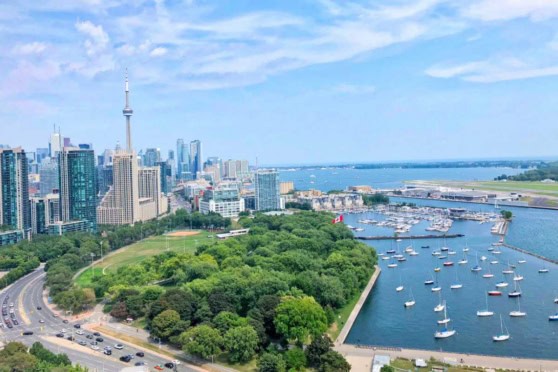
Canada is a popular destination for expats from around the world, known for its welcoming culture, high quality of life, and strong social systems. Despite its colder climate in many regions, the country consistently ranks highly for livability, safety, and opportunity, making it attractive for individuals and families alike.
Before planning a move, it’s important to understand the cost of living in Canada, which can vary significantly by city or province. This article explores everyday expenses such as housing, transportation, and groceries, with prices sourced from Numbeo in May 2026.

Planning your move to Canada? Compare personalized international health insurance options that match your destination, budget, and coverage needs.
✔️ Personalized quotes • ✔️ Expert guidance • ✔️ No obligation
The simple answer is yes. Canada’s living costs are only slightly lower (11.7% overall) than those in the USA. Some things, like gas and public transportation, cost more in Canada.
Other things, like rent, tend to be lower, especially compared to major cities like New York or San Francisco. But for the most part, living in Canada carries broadly similar expenses to living in the United States.
Of course, the cost of living in a country as large as Canada can vary widely. First off, every province is different and has its own government and tax rates, both for income and sales tax.
Much like in the United States, more popular and populated provinces tend to cost more to live in, while places that are a little more sleepy and out of the way are cheaper.
Wherever you are, living in the countryside instead of a major city can save you money. If you want to live near a major city and save some money, consider the nearby suburbs.
For instance, you may be able to save a lot by living in Gatineau instead of Ottawa, or in Laval instead of Montreal.
Canada is a vast country with significant differences in the cost of living across provinces and cities.
While large urban centers tend to be more expensive, smaller towns and remote regions often offer a much more affordable lifestyle.
Here is a breakdown of some of the most expensive and most affordable places to live across the country.
The major cities in Canada are the most expensive places to live, but they also offer many benefits. According to 2026 Numbeo data, here are some of the most expensive Canadian cities to live in:
The vast business hub of Canada is the country’s biggest city and currently the third most expensive, behind Victoria and Vancouver.
Expats will find that living in Toronto offers a variety of neighborhoods, a fast pace, and a multicultural flavor similar to that of its US equivalent, New York.
Toronto ranks as the 182nd most expensive city in the world. New York is number 12.
Vancouver is a port city nestled amid astounding natural beauty on Canada’s west coast. Its milder climate (similar to Seattle), stunning mountains, forests, ocean, and thriving arts scene make it a popular place to settle.
Living costs here have increased in recent years. Vancouver is now the second most expensive city in Canada, ranking 160th globally.
Located on the southern tip of Vancouver Island, Victoria is known for its mild climate, historic architecture, and scenic waterfront. It’s also a hub for outdoor activities such as kayaking, cycling, and whale watching, while its vibrant arts, food, and café culture make it a popular destination for visitors and residents alike
However, this comes at a price. Victoria now ranks as Canada’s most expensive city according to Numbeo.
Ottawa, the federal capital of Canada, has a reputation for being a bit staid.
But the Capital Region, as Canadians call Ottawa and nearby Gatineau, Quebec, is also known for vibrant museums, music festivals, and numerous nature preserves.
Alberta is sometimes known as the Texas of Canada because of its plains, cattle, oil reserves, and political conservatism.
Set near the foot of the Canadian Rockies, the city once known as “Cowtown” is still one of Canada’s most recognizable places.
As is often the case, some of the more affordable places to live are outside of the major cities. There are smaller cities, too, that are very affordable if you’re willing to be farther from the action.
Below are five cities that are either close to major cities or offer a slower pace of life in areas with a lot of natural beauty:
Montreal’s second-biggest suburb, next to Laval, Longueuil combines old-world charm with modern convenience.
Living on the opposite bank of the St. Lawrence makes it easy to access Montreal at a much lower cost. Longueuil is also home to Canada’s space agency and offers opportunities of its own.
Similarly situated across the St. Lawrence River from a major urban center, Lèvis is home to the more industrial side of Quebec City.
Yet it’s still close enough to the provincial capital’s beauty and charm for a greatly reduced cost.
Brockville is a welcoming, family-oriented small city that sits on the banks of the St. Lawrence in the gorgeous Thousand Islands region.
Brockville is about an hour and a half outside Ottawa and about equidistant from Toronto and Montreal.
Probably the most remote city on this list, Weyburn is located over an hour from the province’s largest city, Regina.
If you want to live in a peaceful, affordable place that’s still vibrant, Weyburn was voted the best place to live on the Prairies in the past few years.
Far from the coast and closer to the Yukon territory, Prince George is the largest city in the northern half of the westernmost province.
The low cost of living, easy-going rural lifestyle, and rich natural surroundings are all big draws.
The cost of living in Canada varies widely depending on lifestyle, city size, and province. From housing and groceries to transport and healthcare, everyday expenses can look very different across the country.
Here’s an overview of what you can expect to pay.
Canada is the second-largest country in the world by landmass (Russia is first), and what you’ll pay for housing depends a lot on where you live.
As discussed above, Vancouver is one of the most expensive cities in Canada. But that’s partly because Vancouver is also one of the most popular destinations for expats.
Monthly rent in Vancouver is comparable to that in metro areas like London or New York (outside ultra-expensive Manhattan). For a one-bedroom apartment in an expensive neighborhood, you can expect to pay about USD$1,600-$1,950 per month.
Outside the city center, a three-bedroom rents for $1,750- $2,190 per month. Basic utility costs will run you between USD$41 and USD$200, with internet costing an average of USD$36 to USD$80 per month.
Toronto, the largest city in Canada, is only slightly cheaper. A one-bedroom apartment in the city center rents for about USD$1,460-$1,970 per month.
Meanwhile, a three-bedroom home in the suburbs is about USD$1,825-$2,555 per month. Utilities cost around USD$95-$255 per month, and the internet is USD$36-$87.
Other cities can be less expensive. Here are average monthly rents for one-bedroom and three-bedroom apartments in other locations popular with expats:
If you prefer a more remote area or a smaller town, you’ll pay a lot less. In Saskatoon, for example, you can find a one-bedroom apartment outside the city center for less than USD$1,000 per month (USD$655-$985).
City | 1-Bedroom (City Center) | 3-Bedroom (Suburbs/Outside Center) | Utilities (Monthly) | Internet (Monthly) |
Vancouver | $1,600 – $1,950 | $2,040 – $2,500 | $75 – $92 | $55 – $67 |
Toronto | $1,480 – $1,800 | $2,050 – $2,500 | $108 – $132 | $50 – $60 |
Montreal | $970 – $1,200 | $1,620 – $1,975 | — | — |
Ottawa | $1,180 – $1,450 | $1,780 – $2,175 | — | — |
Calgary | $950 – $1,180 | $1,700 – $2,080 | — | — |
Winnipeg | $750 – $900 | $1,160 – $1,425 | — | — |
Saskatoon | $820 – $1,000 | — | — | — |
While Canada is one of the world’s top food exporters for things like grain and seafood, the cold climate means a short growing season for fresh produce.
Canada imports about two-thirds of its fruit and vegetables, and that makes them more expensive compared with some regions in the U.S. or Europe.
Going out on the town for dinner in large cities, such as Montreal and Vancouver, will cost you. Dinner for two at a mid-range restaurant in Vancouver averages USD$58- 110.
A trip to the movies is about USD$9.50-16.00 per ticket. Like housing, meals cost less in smaller cities and more remote towns.
If you prefer to cook at home, you can expect to pay USD$0.37-$2.56 for a one-pound bag of potatoes, USD$0.81-$3.65 for one pound of rice, and USD$3.29-$9.13 for one pound of chicken breast.
Below are some costs of other popular grocery items:
Aside from housing, food, and healthcare, it’s also important to consider what it will cost you to drive and get around in Canada. The majority of Canadians drive, and public transport is only viable inside urban areas.
According to Cross Border Shopping, gas in the U.S. costs about 20%–25% less than in Canada. If you tend to drive long distances or have a lengthy commute, this can make a huge difference.
Compared to many European cities, gas prices in Canada are slightly lower. As of May 2026, a gallon of gas will cost around USD$4.76-$5.40.
Most people in the U.S. are well aware of Canada’s “free” healthcare system. But there’s a bit more to it than that.
Yes, Canadians have a government-funded healthcare system that covers basic healthcare. Funded by taxpayers, the definition of “basic care” varies from province to province.

The Canadian healthcare system is of high quality, but there are many myths and misconceptions about it. Most people think that Canadians don’t need to purchase health insurance at all.
The truth is, many citizens (and expats) choose to purchase additional coverage for items not covered by the “basic” plan.
Some also choose to cross the border into the United States in order to get quicker service. This is why many expats opt for private health insurance in Canada.
Get personalized quotes to understand your monthly premium and coverage options before you move.
Just like in other large places like the United States and Western Europe, where you live in Canada is the biggest thing determining your monthly expenses. The country is so large and varied that a wide range of costs is possible.
In major cities like Montreal, Toronto, and Vancouver, living expenses are similar to those in major cities in the U.S. and Europe. In smaller towns and less populated provinces, you’ll pay less compared to the United States.
To figure out a budget and determine exactly what your cost of living will be, you first have to decide where in Canada you want to live.
Luckily, Canada has so much to offer, from diverse climates and natural settings to distinct cultures across the provinces.
If you’re leaving a small town for big city life, be prepared to pay for it. If you’re leaving a big city for a smaller, more remote Canadian location, you’ll likely pay much less.
But remember: even the most expensive, cosmopolitan city in Canada is nowhere near the cost of living in New York.