International Health Insurance
Gain valuable insights and practical tips for navigating international health insurance while living abroad. From coverage details to expert advice, this comprehensive guide helps travelers…

International medical cover for expats and their families.
Medical and trip cancellation coverage for international travel.
Life insurance for globally mobile individuals living or working abroad.
Comprehensive international medical coverage for groups.
Medical, accident, and liability protection for global travel.
Financial protection for employees worldwide.
Most Popular Country Guides
Healthcare, insurance, and living insights to plan life and travel in each destination.
Healthcare, safety, and practical guidance for living abroad.
Tips and guidance for safer, smarter international travel.
Resources for global mobility, HR, and international teams.
Learn about the cost of living in Canada, including rent, groceries, and healthcare, and discover the most expensive and affordable cities.
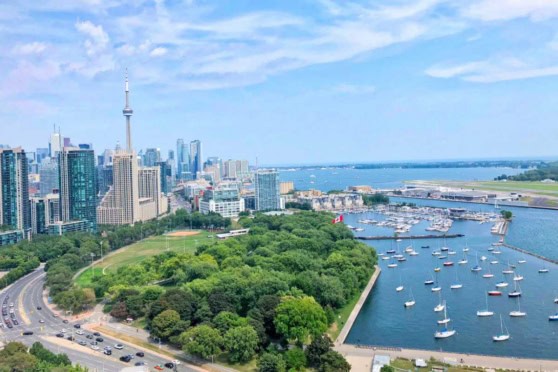
Canada is a popular destination for expats from around the world, thanks to its welcoming culture, high quality of life, and strong social systems. While many regions experience cold winters, the country ranks highly for safety, opportunity, and overall livability, making it attractive for individuals and families alike.
Before planning a move, it’s important to understand the cost of living in Canada, which can vary significantly by city and province. This article explores everyday expenses such as housing, transportation, and groceries, with prices sourced from Numbeo as of May 2026.

Planning your move to Canada? Compare personalized international health insurance options that match your destination, budget, and coverage needs.
✔️ Personalized quotes • ✔️ Expert guidance • ✔️ No obligation
The simple answer is yes. As of May 2026, Canada ranks 31st among the most expensive countries in the world, with living costs only slightly lower than those in the United States (about 11.7% overall).
Some expenses, such as gas and public transportation, tend to be higher in Canada. Other expenses, such as rent, are generally lower, especially compared to major U.S. cities like New York or San Francisco. However, overall, the cost of living in Canada is broadly similar to that of the United States.

Of course, the cost of living in a country as large as Canada can vary widely. Each province has its own government, tax rates, and pricing structures, including differences in both income and sales tax.
As in most places, more populated and in-demand regions tend to be more expensive. Meanwhile, smaller towns and less densely populated areas are generally more affordable.
Living outside major urban centers can also help reduce costs, and suburbs often provide a balance between affordability and access to city amenities.
For example, you may be able to save significantly by living in Gatineau instead of Ottawa, or in Laval instead of Montreal.
Canada is a vast country with significant variation in the cost of living across provinces and cities. While major urban centers tend to be more expensive, smaller towns and remote regions often offer a more affordable lifestyle.
Below is a breakdown of the most expensive cities in Canada. This is based on Numbeo’s Cost of Living Index (May 2026), with New York City as the baseline at 100.
Victoria is the most expensive city in Canada, with a Cost of Living Index of 68.7. It ranks 130th among the world’s most expensive cities.
Located on the southern tip of Vancouver Island, the city is known for its mild climate, historic architecture, and scenic waterfront.
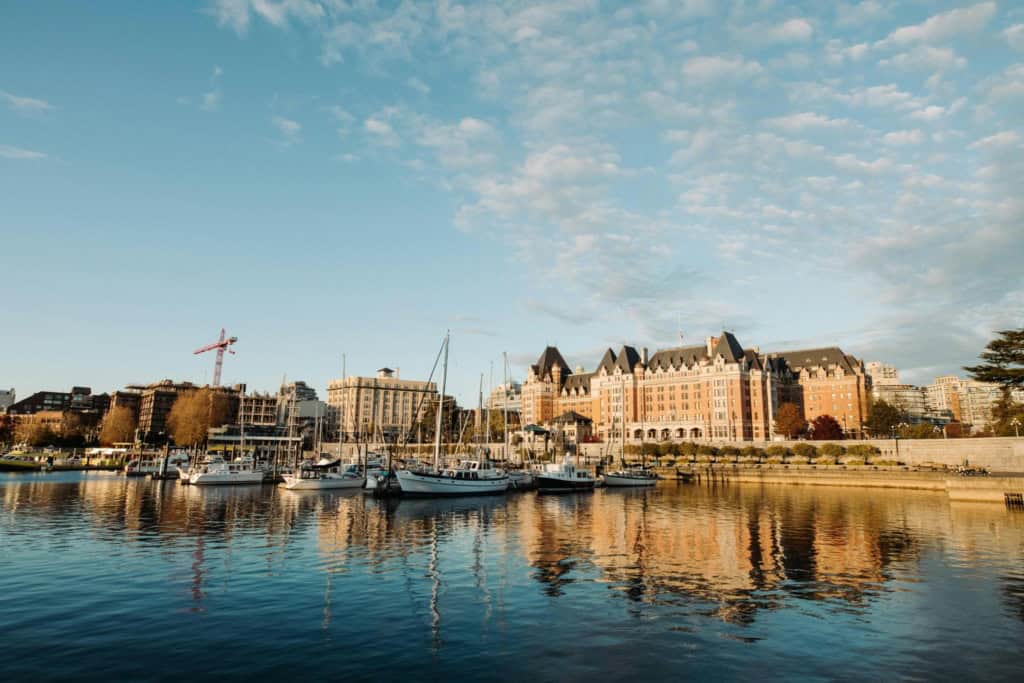
It also offers strong access to outdoor activities such as kayaking, cycling, and whale watching. Residents can also enjoy a vibrant arts, food, and café culture.
Vancouver has a Cost of Living Index of 67.5 and ranks 149th globally. This makes it one of the most expensive cities in Canada.
Set between the Pacific Ocean and the mountains, the coastal city is known for its natural beauty, mild climate, and outdoor lifestyle.
It remains highly desirable for expats and locals alike, though living costs have increased in recent years due to strong demand and limited housing supply.
Toronto has a Cost of Living Index of 67.5 and ranks 150th among the world’s most expensive cities. As a global benchmark, New York City ranks 7th.
As Canada’s largest city and a major financial hub, it attracts expats with its diverse neighborhoods, strong job market, and multicultural atmosphere. It is often compared to global cities such as New York.
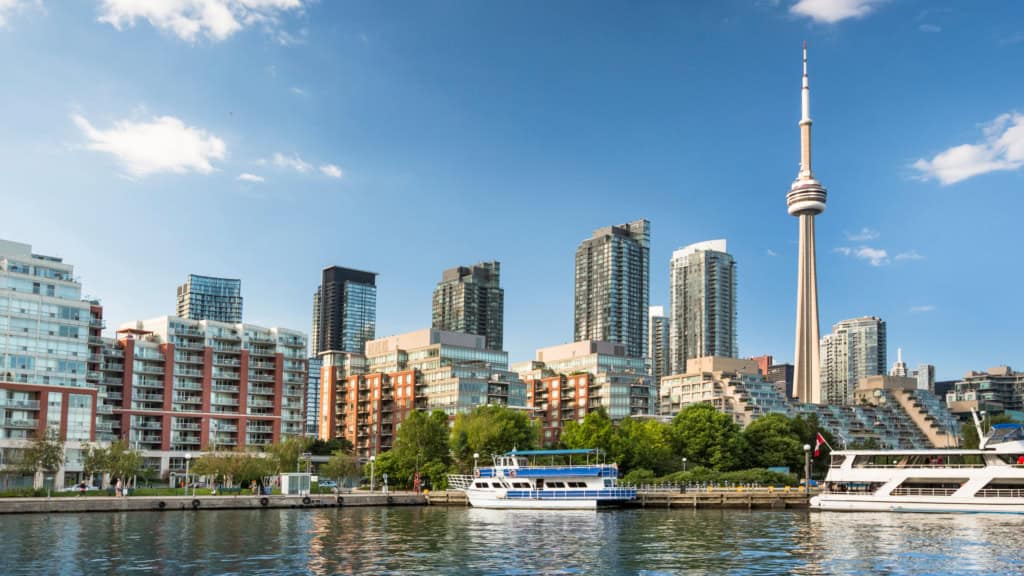
It also offers a wide range of cultural attractions, dining options, and public transit connections that support a fast-paced urban lifestyle.
Calgary has a Cost of Living Index of 64.5 and ranks 186th globally. Located near the foothills of the Canadian Rockies, the city is known for its energy sector, proximity to nature, and strong local economy.
Often referred to as “Cowtown” because of its ranching history, it has since developed into a modern, growing urban center.
It also offers a high quality of life, with easy access to outdoor recreation and a relatively affordable cost of living compared to other major Canadian cities.
Ottawa has a Cost of Living Index of 61.7 and ranks 215th among the world’s most expensive cities.
As the capital of Canada, Ottawa is known for its government institutions, museums, festivals, and surrounding green spaces.
The wider Capital Region, including nearby Gatineau in Quebec, offers a balance of urban amenities and outdoor recreation.
The cost of living in Canada is relatively high in major urban centers, especially when compared to smaller towns and regional areas.
However, as is often the case, some of the most affordable places to live are outside Canada’s major metropolitan areas.
Smaller cities and suburban regions often offer lower living costs while still providing access to nearby urban centers or natural surroundings.
Below are five more affordable cities in Canada, offering a mix of suburban convenience, small-city living, and regional affordability.
Longueuil is one of the largest suburbs of Montreal, located on the south shore of the St. Lawrence River.
It offers a more affordable alternative to Montreal while still providing quick access to the city’s job market, cultural attractions, and everyday amenities.
The area also has a strong local economy and is home to major institutions, including Canada’s space agency.
Located across the St. Lawrence River from Quebec City, Lévis offers a quieter, more affordable lifestyle.
It provides easy access to Quebec City’s historic charm, services, and employment opportunities via short commutes and ferry connections.
The city also features a growing economy, scenic waterfront views, and a strong community atmosphere. This makes it appealing for those seeking a balance between urban access and small-city living.
Brockville is a small, welcoming city situated on the banks of the St. Lawrence River in the Thousand Islands region.
It offers a relaxed, family-friendly lifestyle while still being within driving distance of major cities such as Ottawa, Montreal, and Toronto.

The city is known for its historic downtown, waterfront parks, and overall affordability. This makes it especially appealing to commuters, retirees, and those seeking a quieter pace of life.
Weyburn is a small prairie city located southeast of Regina in the province of Saskatchewan and is one of the more remote communities on this list.
It is known for its low cost of living, relaxed pace, and strong sense of community. This makes it appealing to those seeking an affordable, quieter lifestyle.
The city provides essential amenities and local services, and its economy is supported by the agriculture and energy sectors.
The surrounding region features wide-open landscapes, prairie scenery, and opportunities for outdoor activities such as hiking, fishing, and camping.
Prince George is the largest city in northern British Columbia and serves as an important regional hub in the province’s interior.
It offers more affordable housing compared to major coastal cities while still providing access to healthcare, education, and employment opportunities.
The city is located far from the coast and closer to the Yukon territory, making it one of the key urban centers in northern BC.
Surrounded by forests, rivers, and mountains, Prince George is known for its low cost of living, relaxed lifestyle, and strong appeal to those who value outdoor recreation and nature-focused living.

The cost of living in Canada varies widely depending on lifestyle, city size, and province. From housing and groceries to transport and healthcare, everyday expenses can differ significantly across the country.
Below is an overview of what you can expect to pay.
Canada is the second-largest country in the world by landmass (after Russia), and housing costs vary significantly by location.
Vancouver is one of the most expensive cities in Canada, driven by strong demand, limited supply, and its popularity among expats. Toronto, the country’s largest city, is another high-cost market.
Monthly rent in Vancouver is comparable to major global cities such as London or New York (outside Manhattan), while Toronto is only slightly more affordable.
City | 1-Bedroom (City Center) | 3-Bedroom (Suburbs/Outside Center) | Utilities (Monthly) | Internet (Monthly) |
Vancouver | $1,600 – $1,950 | $1,750 – $2,200 | $40 – $200 | $36 – $80 |
Toronto | $1,460 – $1,970 | $1,830 – $2,550 | $96 – $255 | $35 – $85 |
Montreal | $1,060 – $1,570 | $1,390 – $2,190 | $55 – $145 | $30 – $60 |
Ottawa | $1,310 – $1,760 | $1,680 – $2,330 | $95 – $220 | $35 – $75 |
Calgary | $1,170 – $1,600 | $1,605 – $2,080 | $95 – $355 | $35 – $90 |
Winnipeg | $750 – $900 | $1,160 – $2,050 | $130 – $365 | $35 – $85 |
Saskatoon | $875 – $1,200 | $1,230 – $2,080 | $140 – $365 | $50 – $75 |
While Canada is one of the world’s top grain and seafood exporters, its cold climate limits the growing season for fresh produce.
As a result, Canada imports about two-thirds of its fruit and vegetables. This contributes to higher grocery prices compared to some parts of the U.S. and Europe.

Dining out in major cities such as Montreal and Vancouver can also be expensive. For example, a mid-range dinner for two in Vancouver typically costs between $58 and $110. Meanwhile, cinema tickets cost between $10 and $18.
In more affordable cities such as Winnipeg, prices are broadly similar but slightly lower overall. For instance, a mid-range dinner for two typically costs $47 to $87, and cinema tickets range from $9 to $18.
If you prefer to cook at home, you can expect to pay the following average prices for common grocery items in Vancouver:
Aside from housing, food, and healthcare, transportation is another important cost to consider when living in Canada. Most Canadians rely on cars for daily travel, while public transportation is generally most practical in larger urban areas.
According to Cross Border Shopping, gas in the U.S. costs about 20%–25% less than in Canada. This can make a noticeable difference if you drive long distances or have a lengthy commute.
However, compared to many European countries, gas prices in Canada are still generally lower. As of May 2026, a gallon of gas costs around $4.76 to $5.40.
Public transportation costs are relatively consistent between major Canadian cities. A monthly local transit pass costs an average of $81.33 in Vancouver and $84.18 in Winnipeg.
Many people are familiar with Canada’s publicly funded healthcare system, often described as “free” healthcare. However, the system is more complex than that description suggests.
Canada provides government-funded healthcare that covers essential medical services. But benefits vary by province because each province administers its own healthcare program.

Although public healthcare in Canada is high-quality, it does not cover everything, and out-of-pocket costs for uncovered services can add up quickly.
For example, dental cleanings cost around CAD $200 per session, and physiotherapy typically ranges from CAD $75 to $100 per visit.
As a result, many citizens and expats purchase additional private health insurance in Canada to help pay for services. This might include dental care, prescription medications, vision care, and specialist treatments that provincial plans may not fully cover.
Wait times for certain non-emergency procedures at Canadian hospitals and specialist clinics can also be longer than in some other countries.
Because of this, some expats seek treatment in the United States or purchase private international health insurance for faster access and broader coverage.
Get personalized quotes to understand your monthly premium and coverage options before you move.
Canada offers a high quality of life, but the cost of living can vary significantly depending on where you choose to settle.
Major cities like Toronto, Vancouver, and Montreal come with higher expenses, particularly for housing. Meanwhile, smaller cities and regional areas can offer a much more affordable lifestyle.
Ultimately, your monthly budget in Canada will depend heavily on location and lifestyle choices. Urban centers offer greater job opportunities and amenities, but at a premium. On the other hand, smaller communities offer more space and affordability in exchange for fewer urban conveniences.
Healthcare, transportation, and everyday expenses should also be factored into your planning, as they may differ from what you’re used to in other countries.
By understanding these cost differences in advance, you can make a more informed decision and choose the region in Canada that best fits both your budget and your long-term goals.