International Health Insurance
Gain valuable insights and practical tips for navigating international health insurance while living abroad. From coverage details to expert advice, this comprehensive guide helps travelers…

International medical cover for expats and their families.
Medical and trip cancellation coverage for international travel.
Life insurance for globally mobile individuals living or working abroad.
Comprehensive international medical coverage for groups.
Medical, accident, and liability protection for global travel.
Financial protection for employees worldwide.
Most Popular Country Guides
Healthcare, insurance, and living insights to plan life and travel in each destination.
Healthcare, safety, and practical guidance for living abroad.
Tips and guidance for safer, smarter international travel.
Resources for global mobility, HR, and international teams.
Discover the best places to retire in Canada and compare healthcare, safety, cost of living, housing, climate, and senior-friendly amenities to find your ideal retirement destination.

Canada offers a wide range of retirement options, from bustling cities to peaceful coastal towns and scenic countryside regions. Whether you value world-class healthcare, outdoor adventures, cultural experiences, or a slower, quieter pace of life, this article highlights the best places to retire in Canada.
To help you find a location that fits your lifestyle and priorities, it highlights each destination’s local amenities, healthcare access, and overall quality of life, guiding you to the perfect spot for your golden years.

Get free quotes for international health insurance plans that give retirees access to private hospitals, specialists, and care both in Canada and worldwide.
Canada is an excellent choice for retirees, combining safety, political stability, and stunning natural landscapes.
Nearly 26% of the country’s population is foreign-born, many from the U.S., the U.K., and Europe. This contributes to its famously diverse culture, where newcomers feel welcome.
Whether you prefer the hustle and bustle of cities like Toronto and Vancouver or the calm of regions in Alberta, Ontario, or Nova Scotia, there’s a lifestyle to suit nearly every taste – and budget.
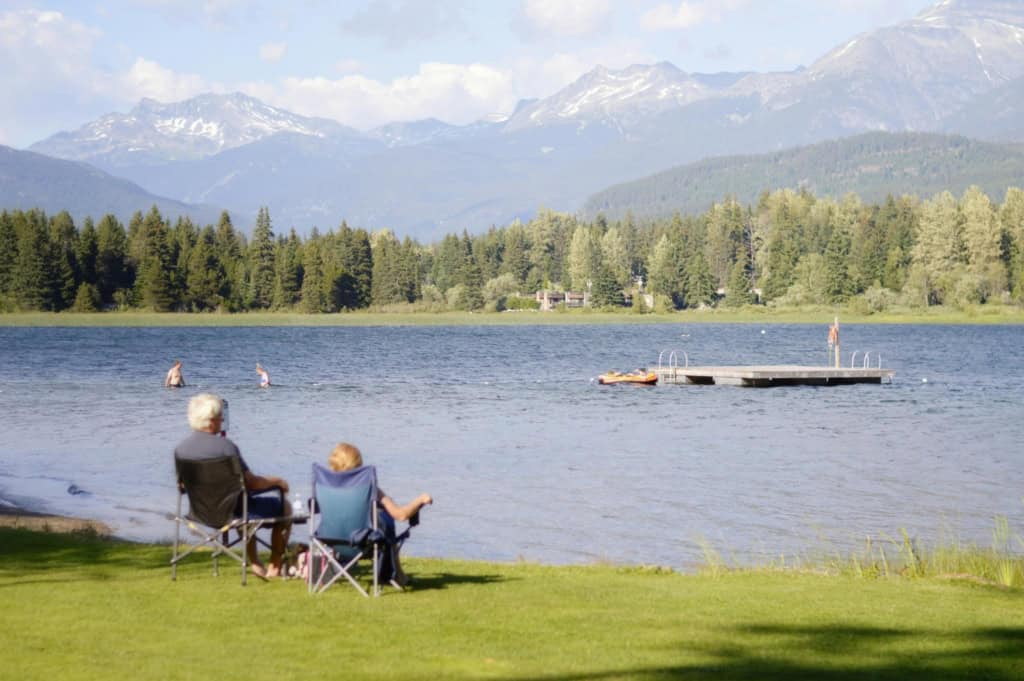
Seniors benefit from supportive social programs and financial incentives such as the Tax-Free Savings Account (TFSA) and the Canada Pension Plan (CPP).
Canada’s public-private healthcare system ranks 4th out of 110 countries in the 2025 CEOWORLD Health Care Index. It is widely accessible to citizens and permanent residents through Medicare.
Notably, foreign retirees on temporary visas often use private health insurance to bridge the three-month waiting period and ensure faster access to specialists and hospitals.
Canada is also known for exceptional public safety, ranking 14th on the 2025 Global Peace Index. Low crime rates, stable politics, and strong social infrastructure give retirees peace of mind.
Cities such as Ottawa and Saanich are especially safe, making it easy to enjoy community life and outdoor activities.
While the cost of living in Canada varies across the country, careful planning and budgeting can help retirees maintain a comfortable lifestyle in most areas.
For a complete guide to planning your retirement, including visa requirements, housing options, and taxes, read our full article on Retiring in Canada.

Ready to plan your retirement in Canada? Speak with an insurance expert to find coverage that aligns with your retirement plans, budget, and long-term needs, so you can fully enjoy your golden years.
Choosing a retirement location depends on many factors, including budget, climate, healthcare access, amenities, and the kind of lifestyle you want.
Canada offers a wide variety of regions and cities, each with its own character and pace of life. From the lively streets of Toronto and Vancouver to the peaceful communities of Moncton and Charlottetown, retirees can find a location that fits their priorities.
Below, we highlight some of the top retirement destinations across Canada. This includes insights into local amenities, healthcare access, housing options, and more.
Victoria is a popular choice for expat retirees, blending British heritage, coastal charm, urban amenities, and a relaxed pace of life.
While it’s not one of the best places to retire in Canada on a budget, careful planning can help retirees enjoy a comfortable lifestyle.
Real estate can be pricey, particularly in walkable neighborhoods like James Bay or Fairfield. However, smaller condos or downsizing make living here more manageable.

Victoria enjoys a Mediterranean microclimate, with breezy summers and mild winters, typically 46–50 °F in winter and less than 20 cm of snowfall.
Seniors can enjoy year-round outdoor activities like golfing and strolling through Beacon Hill Park. Community centers, walking groups, and senior activity programs also help them stay socially active.
The city offers specialized healthcare at Royal Jubilee Hospital and nearby clinics, as well as retirement residences such as Amica Douglas House and Victoria Harbour by Chartwell.
Known as Canada’s retirement capital, Parksville offers mild temperatures, coastal living, and active senior communities. Winter averages 45–48 °F with very little snowfall, making year-round outdoor activity easy.
Retirees can enjoy nearby beaches, including Rathtrevor Beach Provincial Park and Parksville Beach. These are ideal for walking, picnics, and other outdoor activities.
The town also has parks, walking trails, and community programs that encourage social engagement.
Healthcare is available locally at Oceanside Health Centre, with larger hospitals in Nanaimo, about 30 minutes away.
While living costs are moderate, retirees can find both comfortable and budget-friendly housing options.
Located in the heart of the Okanagan Valley wine country, Kelowna is known for hot, dry summers and mild winters, with temperatures ranging from 32 °F in winter to 82 °F in summer.
Seniors benefit from independent retirement communities such as Sage Creek and Orchard Gardens. They can also access high-quality healthcare services at Kelowna General Hospital.
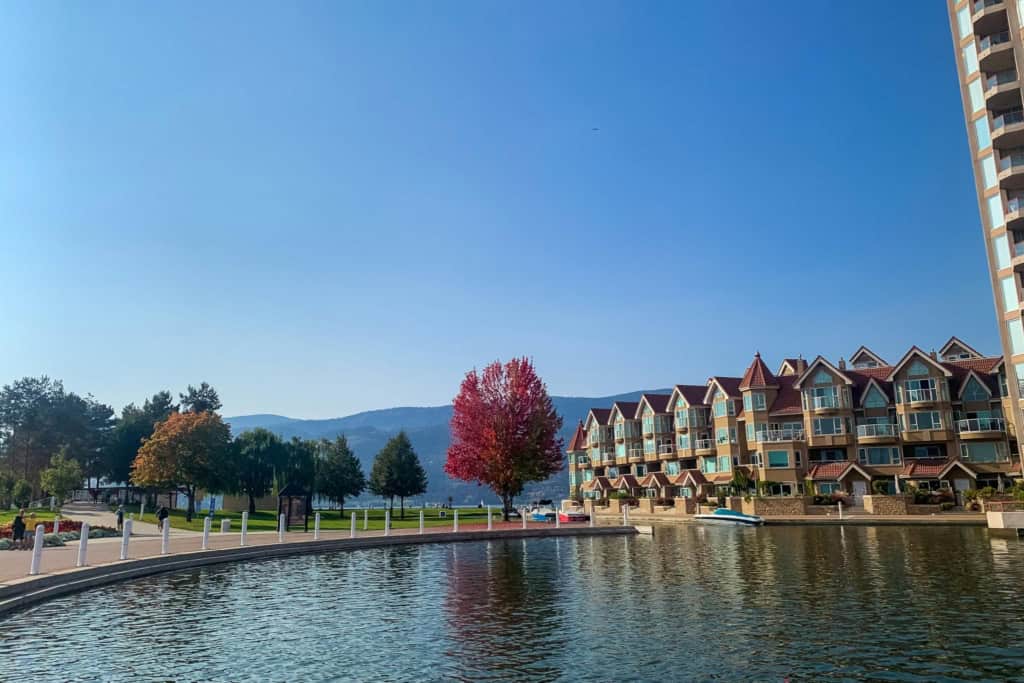
The city also offers golf courses, lakeside parks, and easy access to Kelowna International Airport and BC Transit, supporting an active lifestyle.
Downtown Kelowna offers walkable neighborhoods, shops, and cultural amenities. Living costs are moderate, and retirees can find housing options to suit a range of budgets while still enjoying comfort and convenience.
Niagara-on-the-Lake offers sophisticated old-world charm, with historic streets, vineyards, and scenic views of the Niagara River. The city appeals to retirees seeking culture, leisure, and picturesque surroundings.
Healthcare is available at Niagara Health – St. Catharines Site, with new facilities under construction to enhance services.
The town provides premium independent living and a variety of housing choices. Cultural events, wineries, parks, and outdoor recreation make it ideal for retirees who value lifestyle and scenery.
Its close proximity to Toronto and major highways makes it easy to reach bigger cities while still enjoying a peaceful, small-town feel.
Canada’s capital offers a balance of affordability, safety, and excellent healthcare, including the world-renowned Ottawa Heart Institute.
The city also boasts a thriving arts scene, historic architecture, and walkable neighborhoods with parks and green spaces.
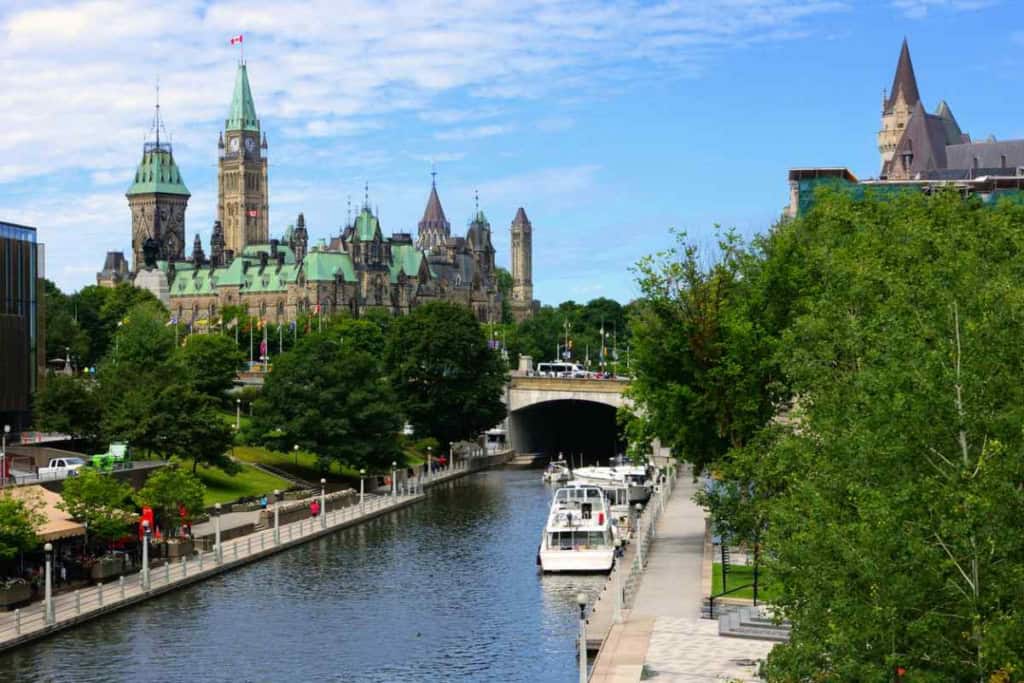
Retirees benefit from Ottawa’s Older Adult Plan, which enhances access to transit and healthcare and complements services at The Ottawa Hospital and nearby clinics.
Ottawa provides a mix of independent living options and senior-focused communities. These offer support, social activities, and a comfortable lifestyle for retirees.
With outdoor activities, cultural events, and diverse dining options, the city appeals to those who want the convenience of urban living, along with safety and an active lifestyle.
Halifax blends rural charm with a variety of retail, dining, and cultural options, and it is home to Canada’s second-largest natural harbor.
Winters are mild, ranging from 32–41 °F, and summers are moderate, ranging from 68–77 °F, allowing for year-round outdoor activities.
The city is expanding healthcare infrastructure at the QEII Health Sciences Center, strengthening its role as a premier medical hub.
Foreign retirees often settle in Downtown Halifax or the scenic Bedford area, with independent living residences such as Melville Heights providing additional options.
The city offers moderate living costs, a welcoming community, and a variety of recreational and cultural opportunities, all of which support a comfortable and fulfilling retirement lifestyle.
This charming city offers a European-style retirement experience, with historic Old Québec and trendy Sainte-Foy attracting many expats.
Winters are long and snowy, with temperatures of 10 °F and 200–250 cm of annual snowfall, while summers reach 77–86 °F, allowing for seasonal outdoor activities.
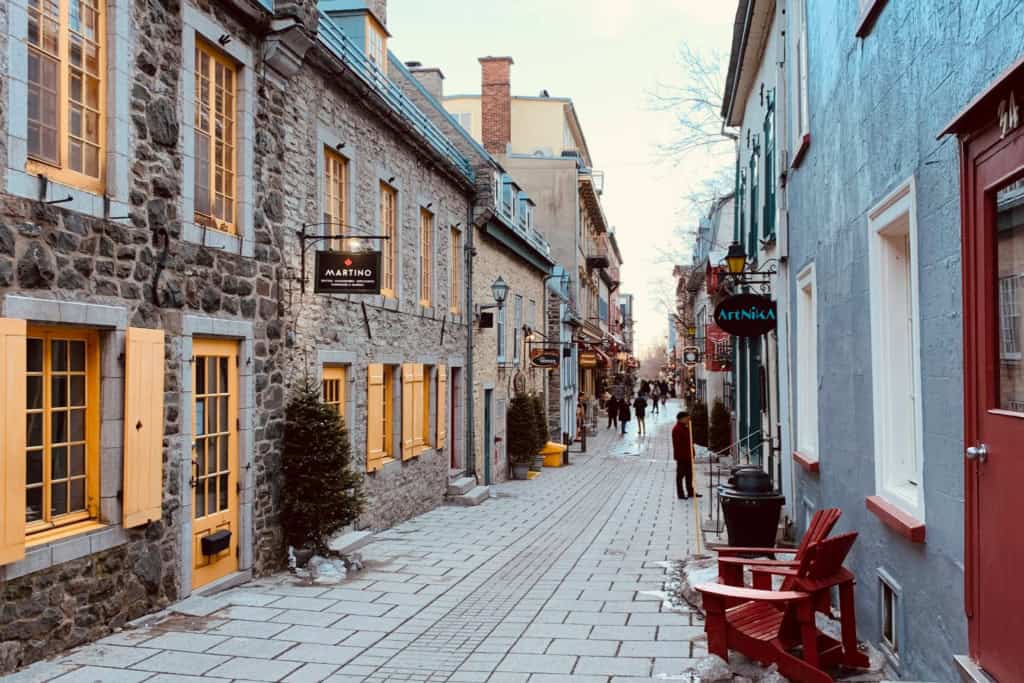
Retirees can access French-language healthcare at facilities such as CHU de Québec – Hôpital Saint-François d’Assise. The city also offers convenient public transit and airport access, making travel easy.
Québec City is relatively safe and boasts a world-class culinary scene, lively festivals, and abundant cultural attractions. This makes it a comfortable and engaging place to retire in Canada.
Moncton is one of the cheapest places to retire in Canada and offers a high quality of life with a welcoming community.
Retirees have access to world-class healthcare at Moncton Hospital and Dr. Georges-L.-Dumont University Hospital Centre, both of which provide bilingual services.
The city offers a variety of social and recreational opportunities, including Magnetic Hill Winery, the Tidal Bore, and Crossman Community Centre, as well as vibrant neighborhoods like West End and Dieppe.
Public transit is available, and the Greater Moncton Roméo LeBlanc International Airport makes travel convenient.
An under-the-radar gem, Charlottetown is the capital of Prince Edward Island and offers a village atmosphere with modern comforts.
The city features charming Victorian architecture, waterfronts, historic Victoria Park, a walkable downtown, and easy access to tranquil beaches and great restaurants.
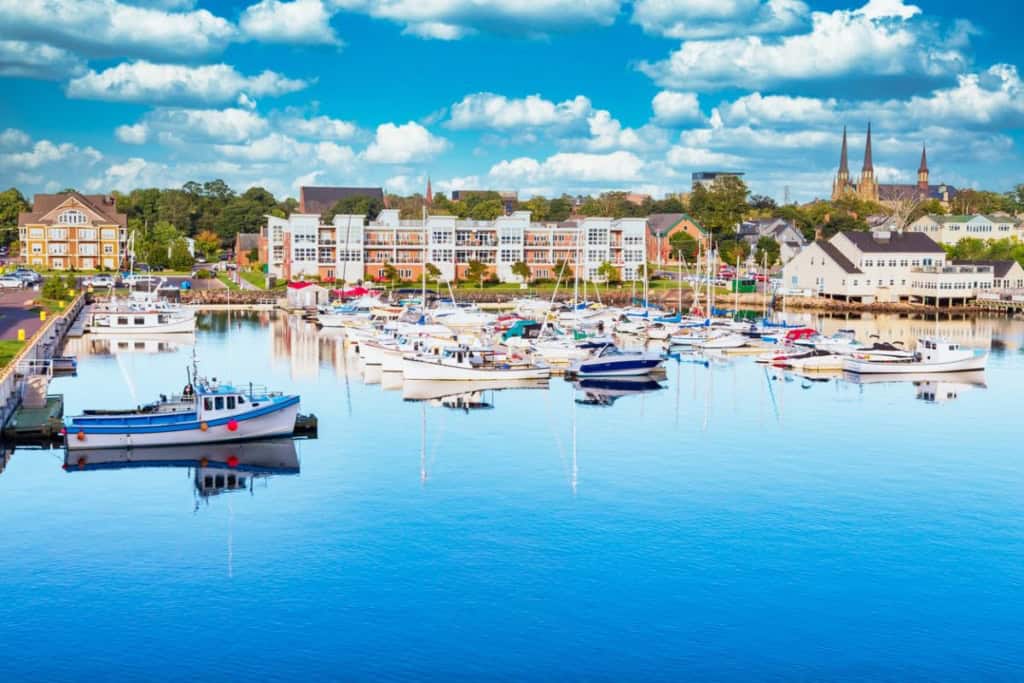
Retirees can enjoy calm residential neighborhoods like Brighton and Stratford, along with specialized care at Queen Elizabeth Hospital.
The walkable area around Confederation Landing, together with community programs, parks, and local amenities, also helps them stay active and socially engaged.
Charlottetown combines affordability with a welcoming community, offering a peaceful and comfortable retirement lifestyle.
Calgary combines urban living with access to the nearby Rocky Mountains, offering both city amenities and natural beauty.
Neighborhoods like The Beltline, Signal Hill, and Arbour Lake are popular with seniors for walkability, scenic views, and convenient access to shops and services.
The city also features parks, recreational trails, and outdoor spaces that encourage an active lifestyle year-round.
Healthcare is accessible through specialized clinics at Rockyview General Hospital, and the Plus 15 skywalk network enhances mobility during the winter months.
Calgary balances quality services, safety, and recreational opportunities, making it a comfortable and engaging place for retirees.
Get free quotes for international health insurance plans that give retirees access to private hospitals, specialists, and care both in Canada and worldwide.
Finding the perfect retirement location in Canada depends on your lifestyle, priorities, and preferred pace of life.
Start by thinking about the type of community you want. Do you prefer bustling urban centers like Toronto or Calgary, coastal towns such as Victoria or Parksville, or quieter inland cities like Moncton or Charlottetown?
Healthcare access is an important consideration. While Canadian citizens and permanent residents have public healthcare, expats may choose private health insurance. This ensures faster access to specialists and hospitals, particularly during waiting periods or for supplemental services.
Lifestyle and community matter too. Consider whether you prefer the cultural amenities, dining, and entertainment options of a city, the relaxed pace of a coastal town, or the charm and close-knit feel of smaller inland communities.
Transportation and accessibility are important to consider. Being close to airports, public transit, major roads, and walkable neighborhoods can make daily life and travel much easier, especially as mobility becomes more important with age.
Finally, think about local culture and safety. Canada is generally safe, with low crime rates and welcoming communities.
Some areas have larger expat populations, while others provide a more traditional Canadian lifestyle, so exploring neighborhoods and visiting in person can help you choose the right community.
By considering these factors carefully, you can select one of the best places to retire in Canada and enjoy a comfortable, fulfilling next chapter.